
A2 Science
A2 Ghee vs Buffalo Ghee: Taste, Nutrition and Ayurveda View
On this page
- Understanding the fundamental difference between A2 cow ghee
- The historical reverence for desi cow ghee in Indian culture
- Nutritionally, A2 cow ghee and buffalo ghee present distinct
- The 'A2' designation in A2 cow ghee refers to a specific typ
- Buffalo ghee typically boasts a higher fat content compared
- Digestion and assimilation are key areas where A2 cow ghee a
- The impact on cholesterol levels is a common concern when in
- The visual distinction between A2 cow ghee and buffalo ghee
Understanding the fundamental difference between A2 cow ghee and buffalo ghee begins with their source animal. A2 cow ghee is derived exclusively from the milk of indigenous Indian cows, specifically breeds known for producing milk rich in the A2 beta-casein protein, while buffalo ghee, as the name suggests, comes from buffalo milk.
The historical reverence for desi cow ghee in Indian culture and Ayurveda is deeply rooted in ancient texts and traditions. For centuries, our dadi-nani have sworn by the health benefits of pure cow ghee, considering it not just a cooking medium but a sacred ingredient vital for holistic well-being and a symbol of purity in many rituals.
Nutritionally, A2 cow ghee and buffalo ghee present distinct profiles that cater to different dietary needs and preferences. While both are excellent sources of healthy fats, fat-soluble vitamins, and beneficial fatty acids, their precise composition varies in terms of fat content, vitamin concentrations, and protein types.
The 'A2' designation in A2 cow ghee refers to a specific type of beta-casein protein found in the milk of native Indian cow breeds. Unlike A1 protein, which is common in milk from European breeds and believed by some to be difficult to digest, A2 protein is considered more akin to human milk protein, making it potentially easier on the digestive system for many individuals.
Buffalo ghee typically boasts a higher fat content compared to A2 cow ghee, which contributes to its denser texture and richer, more robust flavour. This higher fat percentage also means buffalo milk has proportionally less water and lactose, making its ghee a concentrated source of energy that holds up well in high-heat cooking.
Digestion and assimilation are key areas where A2 cow ghee and buffalo ghee might differ for certain individuals. Ayurveda traditionally suggests that cow ghee, especially A2, is lighter and easier to digest, promoting Agni (digestive fire), while buffalo ghee, being richer, might be more suited for those needing sustained energy or seeking to gain healthy weight.
The impact on cholesterol levels is a common concern when incorporating ghee into the diet, yet both A2 cow ghee and buffalo ghee are primarily composed of saturated fats. Studies indicate that moderate consumption of pure ghee, irrespective of its source, may not adversely affect cholesterol for most healthy individuals and can even contribute to overall cardiovascular health due to beneficial fatty acids.
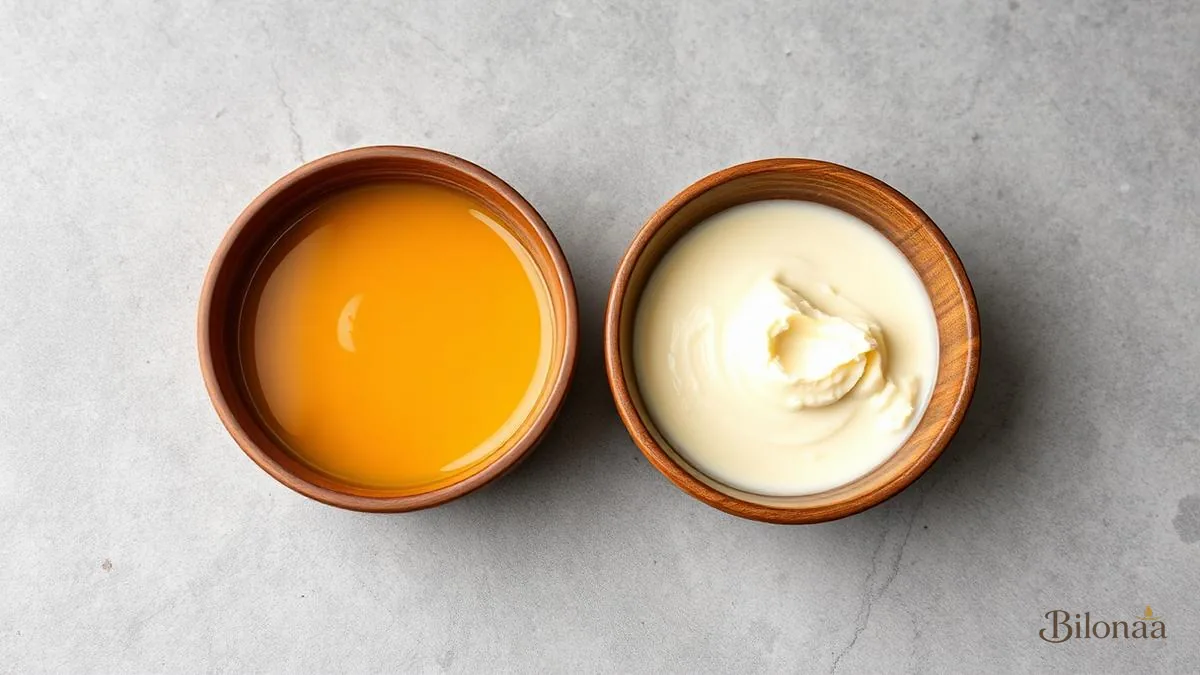
The visual distinction between A2 cow ghee and buffalo ghee often lies in their colour. A2 cow ghee is typically golden yellow due to the presence of beta-carotene, a precursor to Vitamin A, which these cows convert efficiently. In contrast, buffalo ghee is usually whiter because buffaloes convert beta-carotene into colorless Vitamin A, storing very little in the fat.
Flavour and aroma play a significant role in culinary applications, and this is where personal preference often dictates choice. A2 cow ghee generally possesses a milder, slightly sweet, and nutty aroma with a delicate flavour profile, making it versatile for various dishes. Buffalo ghee, conversely, is known for its stronger, more pronounced flavour and richer, creamier texture.
Ayurvedic principles often guide the selection and usage of ghee, with specific recommendations based on individual body types (doshas) and health goals. Traditionally, cow ghee is considered sattvic, balancing all three doshas, promoting ojas (vitality), and enhancing clarity of mind. Buffalo ghee, being heavier, is often recommended for vata and pitta imbalances or for those with high physical exertion.
Incorporating A2 cow ghee into daily cooking can range from simply drizzling it over warm rice or dal to using it as a healthy cooking medium for stir-fries and tempering. Its high smoke point makes it suitable for various culinary techniques, imparting a rich flavour and promoting nutrient absorption.
Buffalo ghee shines in dishes where its rich flavour is desired, such as in rich curries, halwa, or parathas. Its higher fat content can contribute to a more profound mouthfeel and can provide sustained energy, making it a favourite in some regional cuisines for its distinctive taste and economic viability.
Choosing between A2 cow ghee and buffalo ghee for specific health conditions should ideally be done with guidance from an Ayurvedic practitioner or nutritionist. While A2 cow ghee is often preferred for its presumed easier digestibility and balanced properties, buffalo ghee might be recommended for building strength or for individuals with specific dietary needs.
The importance of purity and sourcing cannot be overstated when purchasing any type of ghee. Adulteration, or 'milawat', is a significant concern in the market, making it crucial to choose trusted brands like Bilonaa, which ensures authentic A2 desi-cow bilona ghee, free from additives and made with traditional methods.
The traditional bilona method of ghee preparation, which Bilonaa adheres to, involves churning curdled milk to extract butter, then slowly heating it to produce ghee. This process, unlike industrial methods, is believed to preserve the full spectrum of nutrients and delicate flavours, enhancing the ghee's benefits and purity.
Storing your A2 cow ghee or buffalo ghee correctly is essential to maintain its freshness and extend its shelf life. Both types should be kept in an airtight container in a cool, dark place, away from direct sunlight and moisture. Refrigeration is usually not necessary but can prolong freshness in humid climates.
Common myths surrounding ghee often include concerns about its saturated fat content and its impact on weight. However, pure ghee, consumed in moderation as part of a balanced diet, is a source of healthy fats that can aid in nutrient absorption, support metabolism, and contribute to satiety.
When selecting your ghee, consider your personal dietary needs, taste preferences, and the specific culinary applications you have in mind. If you prioritise easier digestion and a delicate flavour, A2 cow ghee might be your choice. If a richer, bolder flavour and higher fat content are desired, buffalo ghee could be ideal.
For those seeking authentic, traditionally prepared A2 desi-cow ghee, Bilonaa offers a product that embodies purity and the ancient wisdom of Ayurveda. Our commitment to the bilona method ensures that you receive a ghee that is not only delicious but also rich in the heritage and health benefits associated with true A2 cow ghee from Bikaner, Rajasthan.
"The 'colour' of ghee often signals its source, with buffalo ghee naturally being whiter due to its higher fat content and different carotene metabolism."
Bilonaa Promise
Small-batch, A2 desi-cow, traditional bilona ghee — straight to your kitchen.
100% pure, hand-churned, slow-cooked on a wood fire and packed in glass jars.
FAQs
Quick answers
What is the main difference between A2 cow ghee and buffalo ghee?
The primary distinction lies in their source animal; A2 cow ghee comes from indigenous Indian cows producing A2 protein milk, while buffalo ghee is from buffalo milk. They also differ in fat content, colour (yellow for cow, white for buffalo), and subtle flavour profiles.
Is A2 cow ghee healthier than buffalo ghee?
Both are healthy in moderation. A2 cow ghee is often preferred for its A2 protein, believed to be easier to digest, and its higher beta-carotene content. Buffalo ghee has more fat and delivers a concentrated energy boost, making 'healthier' subjective to individual needs.
Why is A2 cow ghee yellow and buffalo ghee white?
A2 cow ghee is golden yellow due to beta-carotene, a Vitamin A precursor, which cows efficiently pass into their milk fat. Buffaloes convert beta-carotene into colorless Vitamin A, so their ghee appears whiter, lacking the yellow pigment.
Does buffalo ghee have a stronger taste?
Yes, buffalo ghee is generally known for its stronger, richer, and more pronounced flavour compared to the milder, nuttier taste of A2 cow ghee. This makes it preferred for certain dishes where a robust ghee flavour is desired.
Which ghee is better for digestion?
Ayurveda traditionally suggests that A2 cow ghee is lighter and easier to digest, promoting 'Agni' (digestive fire). Buffalo ghee, being richer and heavier, might be more challenging for some to digest but can be beneficial for specific dosha types needing more sustenance.
Can I use both A2 cow ghee and buffalo ghee in cooking?
Absolutely! Both are excellent cooking mediums with high smoke points. A2 cow ghee is versatile for everyday cooking and delicate flavours, while buffalo ghee can add a rich, distinctive taste to specific dishes like curries or sweets that benefit from its robust profile.
Is Bilonaa ghee A2 cow ghee or buffalo ghee?
Bilonaa exclusively offers pure A2 desi-cow bilona ghee, ensuring it comes from indigenous Indian cows known for producing milk rich in the A2 beta-casein protein. We adhere to traditional methods for superior quality and authentic benefits.
Educational content only — please consult a doctor for medical conditions.
Get gentle ghee notes in your inbox
One thoughtful Ayurveda + kitchen note a week. No spam. Unsubscribe anytime.
Conversation(0)
Share a thought — every comment is read before it appears.