Health Benefits
A2 Ghee for Babies: When and How to Add It Safely
On this page
- Introducing solid foods to your little one is an exciting mi
- Understanding what A2 ghee truly means is fundamental to mak
- The Bilona churning method is the traditional, time-honoured
- Ayurveda, the ancient Indian science of life, extensively gl
- From a modern nutritional perspective, A2 ghee is packed wit
- Determining the right age to introduce A2 ghee to your baby’
- Beginning with a minimal amount is key when introducing any
- There are several practical and delightful ways to incorpora
Introducing solid foods to your little one is an exciting milestone, and understanding the role of traditional Indian superfoods like A2 ghee can make this journey even more nourishing. For generations, Indian households have revered ghee as a staple, especially for growing children, due to its traditionally believed health-promoting properties. This exploration delves into the ‘when’ and ‘how’ of incorporating A2 ghee safely, bridging ancient Ayurvedic wisdom with contemporary nutritional guidance, ensuring your baby receives the best start.
Understanding what A2 ghee truly means is fundamental to making informed choices for your baby's nutrition. A2 ghee is produced from the milk of indigenous Indian cow breeds, such as Gir, Sahiwal, Rathi, and Kankrej, which inherently produce milk containing only the A2 beta-casein protein. This contrasts with A1 milk, which contains both A1 and A2 proteins and is primarily produced by European breeds. The A2 protein is traditionally believed to be easier to digest and metabolise, making A2 ghee a gentler option for delicate digestive systems, like those of infants.
The Bilona churning method is the traditional, time-honoured process that distinguishes authentic A2 ghee, preserving its vital nutrients. This method involves simmering cow's milk over a low flame to produce curd, which is then hand-churned in a specific clockwise and anti-clockwise direction using a wooden churner (bilona) to separate butter. This butter is then slow-cooked to yield the golden ghee. Unlike industrial methods that use machines and high temperatures, the Bilona process ensures that the inherent goodness, medicinal properties, and delicate flavour profile of the ghee remain uncompromised, making it ideal for babies.
Ayurveda, the ancient Indian science of life, extensively glorifies ghee as 'Amrita' or elixir, especially for infants and children, deeming it vital for their holistic development. It is considered a 'medhya rasayana,' meaning it nourishes the brain and nervous system, traditionally supporting cognitive function and memory. Furthermore, Ayurveda recommends ghee for strengthening 'agni' (digestive fire), promoting healthy metabolism, and acting as a natural lubricant for internal organs, all crucial aspects for a rapidly growing baby.
From a modern nutritional perspective, A2 ghee is packed with beneficial components that support infant growth and development. It is an excellent source of healthy fats, including saturated and monounsaturated fatty acids, vital for energy and the absorption of fat-soluble vitamins (A, D, E, K). Conjugated Linoleic Acid (CLA) and Butyric Acid, uniquely present in grass-fed ghee, offer anti-inflammatory properties and support gut health. These nutrients are critical for brain development, bone strength, and overall immune function in rapidly growing babies.
Determining the right age to introduce A2 ghee to your baby’s diet is crucial, aligning with general recommendations for introducing solids. Most paediatricians suggest starting solid foods around six months, or when your baby shows readiness signs like sitting up with support, showing interest in food, and having good head control. At this stage, a tiny drop of pure A2 ghee can be safely introduced. It's often recommended to add it to their first solid foods, like vegetable purées or rice porridge, to enhance nutrient absorption and palatability.
Beginning with a minimal amount is key when introducing any new food to your baby, and A2 ghee is no exception. Initially, a quarter to half a teaspoon, once a day, is generally sufficient for infants. As your baby grows and their digestive system matures, you can gradually increase the quantity to one to two teaspoons per day, spread across their meals. Always observe your baby for any signs of discomfort or allergies, though reactions to pure A2 ghee are rare due to its simple, natural composition.
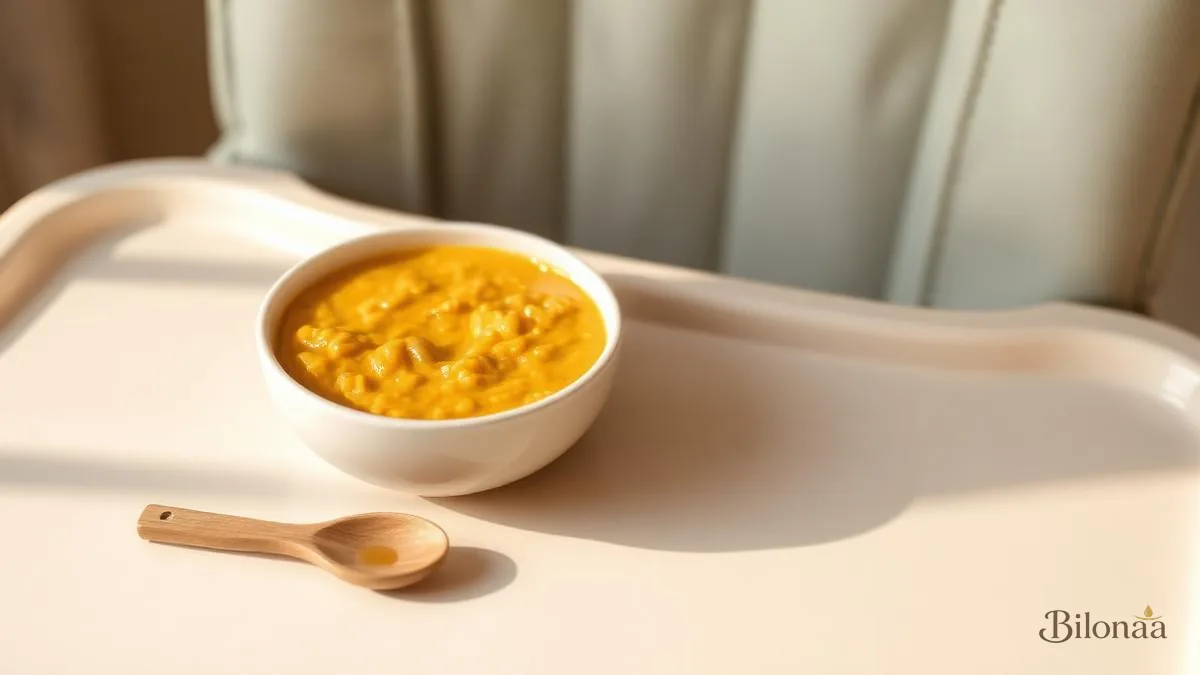
There are several practical and delightful ways to incorporate A2 ghee into your baby's meals, making their food more nutritious and palatable. Mix a spoonful of ghee into their warm porridges, such as ragi, rice, or oatmeal, for an energy boost. It can also be drizzled over steamed and mashed vegetables like carrots, sweet potatoes, or pumpkin, enhancing the flavour and aiding the absorption of fat-soluble vitamins. For older babies starting finger foods, a touch of ghee on small pieces of roti or idli can make them softer and easier to swallow.
A2 ghee plays a supportive role in healthy weight gain for babies, providing concentrated calories and essential fats without excessive volume. For babies who are slow to gain weight or need an extra caloric boost, adding ghee to their daily diet can be highly effective. The healthy fats in ghee are easily metabolised, offering sustained energy for their active growth and development. It’s a nutrient-dense option that supports overall well-being, aiding in achieving appropriate developmental milestones.
Selecting pure, authentic A2 ghee is paramount for your baby's health, ensuring they receive all the intended benefits without any contaminants. Look for ghee explicitly labelled 'A2 Bilona Ghee' derived from indigenous Indian cow breeds, indicating its origin and traditional preparation method. Brands like Bilonaa, which pride themselves on sourcing from Bikaner, Rajasthan, reflect a commitment to quality and purity. Checking for certifications and a transparent ingredient list can provide additional assurance of authenticity and absence of any artificial additives.
Understanding the distinctions between A2 ghee and other cooking oils is important when formulating your baby's diet. While plant-based oils like olive or coconut oil have their own merits, A2 ghee offers a unique profile of fat-soluble vitamins, short-chain fatty acids like butyrate, and a higher smoke point. The A2 beta-casein protein origin and traditional Bilona method give it an edge in terms of digestibility and nutrient density, making it specifically beneficial for infants and children during their rapid growth phase.
Proper storage of A2 ghee is essential to maintain its freshness, flavour, and nutritional integrity, especially when used for babies. Store ghee in an airtight container, preferably glass, in a cool, dark place away from direct sunlight and moisture. Unlike butter, ghee does not require refrigeration and can last for several months at room temperature. Always use a clean, dry spoon to scoop out ghee to prevent contamination and prolong its shelf life, ensuring it remains wholesome for your little one.
Addressing common myths surrounding ghee, particularly concerning its fat content and cholesterol, is important to make informed decisions for your baby’s diet. Unlike popular misconceptions, pure A2 ghee, when consumed in moderation, is not detrimental and is traditionally believed to support heart health. The fats in ghee are healthy fats and are crucial for brain development and hormone production in babies, debunking the myth that all fats are bad. Focusing on quality and appropriate serving sizes ensures positive outcomes.
While A2 ghee offers numerous benefits, certain situations warrant caution or consultation with a paediatrician. If your baby has a diagnosed dairy allergy or lactose intolerance, it's wise to consult a doctor before introducing ghee, although ghee is very low in lactose and casein. Also, if there's a family history of severe allergies or specific metabolic conditions, professional medical advice is always recommended to ensure safety and rule out any potential adverse reactions.
Bilonaa A2 desi-cow bilona ghee from Bikaner, Rajasthan, offers a trustworthy and premium choice for your baby's nutritional needs. Crafted with dedication using the age-old Bilona method from the milk of indigenous desi cows, our ghee embodies purity and tradition. Choosing Bilonaa means providing your baby with a product rich in essential nutrients, easy to digest, and free from industrial processing, ensuring they receive the authentic goodness that generations have trusted for their holistic development and wellbeing.
Recognising the broader impact of conscious food choices extends beyond immediate nutrition and contributes to a sustainable future. By opting for A2 ghee produced from indigenous breeds and traditional methods, you are not only prioritising your baby's health but also supporting ethical farming practices and the preservation of native livestock. This approach fosters a cycle of well-being that benefits babies, farmers, and the environment alike, aligning with holistic living principles.
"A2 ghee is a nutritional powerhouse that offers a gentle yet potent boost to a baby's developing body."
Bilonaa Promise
Small-batch, A2 desi-cow, traditional bilona ghee — straight to your kitchen.
100% pure, hand-churned, slow-cooked on a wood fire and packed in glass jars.
FAQs
Quick answers
When can I start giving A2 ghee to my baby?
You can typically start introducing A2 ghee to your baby around 6 months of age, once they begin solid foods. Start with a very small amount, like a quarter teaspoon, mixed into their purées or porridges.
How much A2 ghee is safe for a baby daily?
Begin with a small amount (1/4 to 1/2 teaspoon) once a day. As your baby grows and adjusts, you can gradually increase it to 1-2 teaspoons per day, distributed across their meals. Always monitor for any reactions.
Does A2 ghee help babies gain weight?
Yes, A2 ghee is a calorie-dense food packed with healthy fats, making it an excellent natural way to support healthy weight gain in babies. It provides concentrated energy vital for their rapid growth and development.
What makes A2 ghee better for babies than regular ghee?
A2 ghee is made from the milk of indigenous cows producing only A2 beta-casein protein, traditionally believed to be easier to digest for infants compared to A1 protein found in regular ghee. The Bilona method further preserves its nutritional integrity.
Can I give A2 ghee to my lactose intolerant baby?
Ghee contains significantly less lactose and casein than milk, as these are mostly removed during the clarification process. However, if your baby has a documented dairy allergy or severe lactose intolerance, consult your paediatrician before introducing ghee.
How should I store A2 ghee for my baby?
Store A2 ghee in an airtight glass container in a cool, dark place away from direct sunlight. It does not require refrigeration and can last for several months at room temperature. Always use a clean, dry spoon to prevent contamination.
Educational content only — please consult a doctor for medical conditions.
Get gentle ghee notes in your inbox
One thoughtful Ayurveda + kitchen note a week. No spam. Unsubscribe anytime.
Conversation(0)
Share a thought — every comment is read before it appears.