
Buyer Guide
A2 Ghee for Roti, Dal and Khichdi: Best Everyday Uses
On this page
- Incorporating A2 ghee into daily Indian meals like roti, dal
- Understanding what A2 ghee actually means is crucial to appr
- The Bilona churning method, a traditional Ayurvedic process,
- The historical significance of ghee in Indian culinary and A
- Nutritional science supports many of the traditional beliefs
- From an Ayurvedic perspective, A2 ghee is considered highly
- Slathering A2 ghee on freshly made roti or chapati is perhap
- Preparing a 'tadka' for dal with A2 ghee is a culinary art t
Incorporating A2 ghee into daily Indian meals like roti, dal, and khichdi is a time-honoured tradition, deeply rooted in Indian culture and culinary practices. This golden elixir, often referred to as 'liquid gold,' transcends its role as a mere cooking fat; it is considered a vital food component that enhances flavour, texture, and nutritional value. From ancient Ayurvedic texts to modern kitchen tables, the inclusion of ghee in staple dishes reflects an understanding of its unique benefits, making it an indispensable part of a balanced diet and a cherished heritage.
Understanding what A2 ghee actually means is crucial to appreciating its distinct health profile compared to other ghee varieties. A2 ghee is exclusively derived from the milk of indigenous Indian cow breeds, such as Gir, Sahiwal, Rathi, Kankrej, and Tharparkar, which predominantly produce A2 beta-casein protein. Unlike A1 beta-casein found in the milk of many Western breeds, A2 protein is traditionally believed to be easier to digest and assimilate, leading to fewer digestive discomforts for many individuals. This specific genetic trait of desi cows is what sets A2 ghee apart, promising a more wholesome and gentle form of nourishment.
The Bilona churning method, a traditional Ayurvedic process, is fundamental to creating authentic A2 ghee and differentiates it significantly from modern machine-extracted ghee. This ancient technique involves first boiling the A2 cow milk, cooling it, and then culturing it overnight to form curd. This curd is then hand-churned in a wooden churner (bilona) to separate fresh butter (makkhan), which is then slowly heated over a low flame to produce ghee. This meticulous process ensures the preservation of vital nutrients, rich aroma, and a granular texture, embodying the true essence of traditional ghee, unlike industrial methods that often compromise quality for speed.
The historical significance of ghee in Indian culinary and Ayurvedic traditions dates back thousands of years, with mentions in ancient scriptures and texts. Ayurveda, the science of life, reveres ghee as a 'rasayana' – a rejuvenator and promoter of longevity, enhancing 'agni' (digestive fire) and improving overall vitality. It has been a staple in Indian households, used not just for cooking but also in religious rituals, medicinal preparations, and as a natural remedy for various ailments. This rich history underscores ghee's deeply embedded value in Indian life beyond just flavouring food.
Nutritional science supports many of the traditional beliefs about A2 ghee, highlighting its beneficial fat profile and nutrient content. A2 ghee is rich in healthy saturated fats, including short-chain fatty acids like butyrate, which is known to support gut health and reduce inflammation. It also contains fat-soluble vitamins A, D, E, and K, crucial for immune function, bone health, and skin vitality. Studies indicate that conjugated linoleic acid (CLA) present in ghee may have potential anti-carcinogenic and anti-inflammatory properties, making it a valuable addition to a health-conscious diet when consumed in moderation.
From an Ayurvedic perspective, A2 ghee is considered highly sattvic, meaning it promotes purity, balance, and positive energy within the body and mind. It is believed to nourish all bodily tissues (dhatus), lubricate joints, improve memory, and enhance intellect. Ayurveda suggests that ghee helps in carrying the medicinal properties of herbs deep into the tissues, making it an excellent medium in many Ayurvedic formulations. It is also believed to pacify Vata and Pitta doshas, supporting overall balance and well-being, while still being beneficial for Kapha in careful amounts.
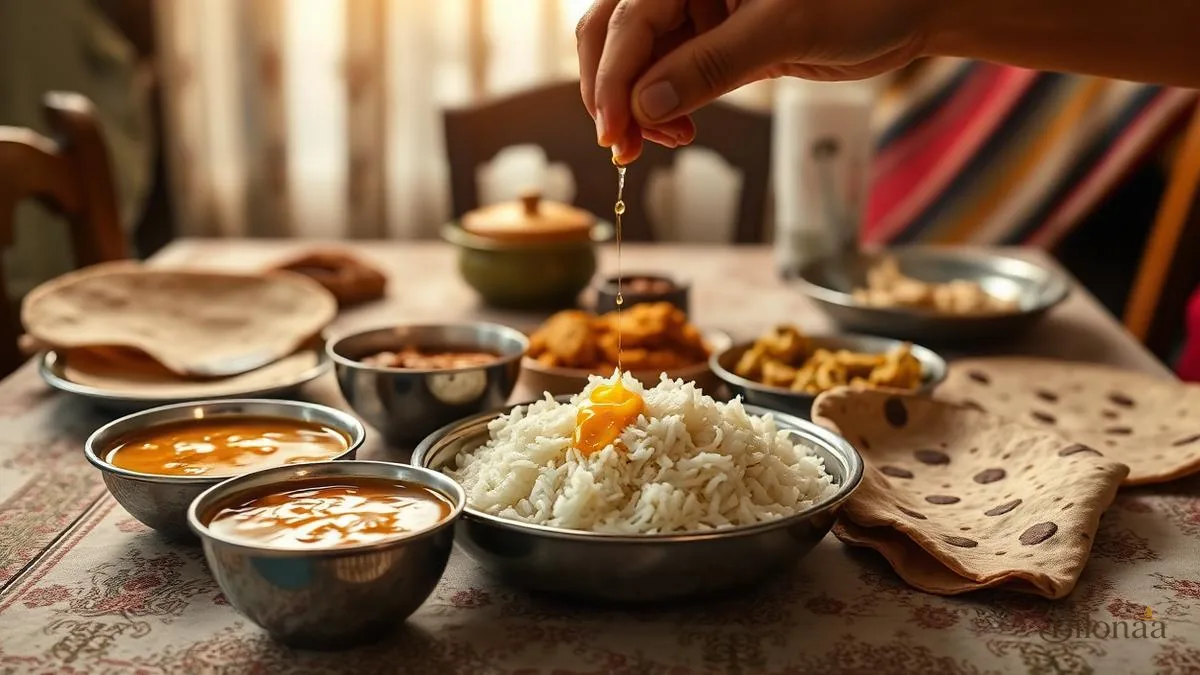
Slathering A2 ghee on freshly made roti or chapati is perhaps one of the most quintessential ways to enjoy its rich flavour and benefits, transforming a simple flatbread into a comforting and wholesome meal. A dollop of ghee not only prevents the roti from drying out but also makes it softer and easier to digest. The warmth of the roti melts the ghee, allowing its earthy aroma to infuse every bite, while its healthy fats provide sustained energy and help in the absorption of nutrients from the wheat, making it a perfect accompaniment for any Indian curry or vegetable dish.
Preparing a 'tadka' for dal with A2 ghee is a culinary art that elevates the humble lentil dish to new heights of flavour and aroma. The process typically involves heating ghee in a small pan, adding spices like cumin seeds, mustard seeds, Asafoetida (hing), and red chillies, and then pouring this aromatic tempering over cooked dal. This infusion of ghee and spices not only enhances the taste profile but also aids in digestion, as the healthy fats in ghee help in breaking down the complex proteins in lentils, making the dal more palatable and nutritious.
Adding a generous spoonful of A2 ghee to a warm bowl of khichdi is a time-honoured practice, especially for those seeking comfort, nourishment, or recovery. Khichdi, a blend of rice and lentils, is often considered a complete meal and is traditionally recommended for its ease of digestion and balancing properties. The addition of ghee provides essential fatty acids, vitamins, and a soothing texture, transforming it into a more wholesome and satisfying dish. It's particularly beneficial for children, the elderly, or anyone needing a gentle yet nutritious meal.
Beyond these staple dishes, A2 ghee can be incorporated into various other daily Indian meals to boost flavour and nutritional density. It can be used for stir-frying vegetables, sautéing spices, or even as a natural fat in baking. A small amount can be drizzled over steamed rice with a pinch of salt for a simple, satisfying meal. Some traditional recipes also call for mixing ghee with jaggery or sugar as a delightful dessert, showcasing its versatility across the Indian culinary landscape. Embracing this flexibility helps integrate its benefits seamlessly into your diet.
When comparing A2 ghee to other cooking oils and fats, its distinct advantages become clear, particularly in terms of nutritional profile and traditional wisdom. Unlike refined vegetable oils that are often heavily processed and may contain unhealthy trans fats, A2 ghee is a natural product rich in beneficial saturated fats and fat-soluble vitamins. While butter also contains milk solids and water, ghee is clarified butter, meaning these elements are removed, resulting in a purer fat with a higher smoke point. This makes A2 ghee a more stable and healthier option for high-heat cooking compared to many other fats available today.
It's important to understand who can benefit most from A2 ghee and, conversely, who should exercise caution, as individual dietary needs vary greatly. Generally, A2 ghee is considered beneficial for most individuals, especially those seeking to improve digestion, boost immunity, or add healthy fats to their diet. Its A2 protein content may make it a preferable option for individuals with sensitivities to conventional dairy. However, those with specific medical conditions, such as severe fat malabsorption issues or very high cholesterol levels, should always consult a healthcare professional before making significant dietary changes, ensuring it aligns with their health requirements.
Dispelling common myths surrounding ghee is essential to truly appreciate its value and integrate it wisely into your diet. One prevalent myth is that ghee is unhealthy due to its high saturated fat content, contributing to heart disease. However, as discussed, the type of saturated fats in A2 ghee, particularly butyric acid, is considered beneficial for gut health and may even have protective effects. Another misconception is that 'all ghee is the same.' The truth is that sourcing (A2 vs. A1 milk) and production method (bilona vs. industrial) significantly impact quality and nutritional value. Understanding these distinctions helps in making informed choices and appreciating true, authentic ghee.
Choosing the right A2 ghee involves looking for specific indicators of purity and quality to ensure you reap its full benefits. Prioritize ghee made from the milk of indigenous Indian cow breeds (A2 milk), as this guarantees the specific protein profile. Furthermore, always opt for ghee produced using the traditional Bilona method, as it preserves nutrients and gives it a distinct aroma and granular texture. Avoid products with artificial colours, flavours, or preservatives. Reading labels carefully for certifications and sourcing information is key to identifying genuine, high-quality A2 ghee, ensuring you get an authentic product like the one offered by Bilonaa.
Proper storage of A2 ghee is crucial for maintaining its freshness, flavour, and nutritional integrity over time. Ghee is shelf-stable and does not require refrigeration if kept in an airtight container in a cool, dark place away from direct sunlight and moisture. Exposure to air and light can cause oxidation and rancidity, leading to a diminished quality. While it can last for several months at room temperature, for very long-term storage or in hot, humid climates, refrigeration can extend its shelf life further. Always use a clean, dry spoon to scoop out ghee to prevent contamination and maintain its purity.
Bilonaa, with its roots deeply embedded in Bikaner, Rajasthan, stands as a testament to the traditional art of A2 desi-cow bilona ghee making. We meticulously follow the age-old Bilona method, ensuring that every jar of ghee we offer is of the purest quality, imbued with the rich heritage and nutritional benefits that have been cherished for centuries. Our commitment to authenticity, from sourcing milk from happy, healthy indigenous cows to the slow, traditional churning process, ensures that when you choose Bilonaa, you are bringing home not just ghee, but a piece of India's golden culinary legacy. It's this dedication that makes Bilonaa A2 ghee a perfect choice for your daily roti, dal, and khichdi.
Embracing A2 ghee into your daily routine is more than a culinary choice; it's a step towards holistic wellness and a reconnection with ancient Indian wisdom. From its unique A2 protein profile and traditional Bilona preparation to its rich nutritional content and Ayurvedic reverence, ghee offers a myriad of benefits that enhance both the flavour and the health quotient of your meals. Whether you're warming up your morning roti, tempering a comforting dal, or enriching a wholesome khichdi, A2 desi-cow bilona ghee stands as a golden staple, promising to nourish your body and delight your palate with every spoonful. It helps to transform simple, everyday dishes into extraordinary experiences.
"A2 desi-cow bilona ghee is not just an ingredient; it's a legacy of wellness, transforming simple meals into nourishing experiences."
Bilonaa Promise
Small-batch, A2 desi-cow, traditional bilona ghee — straight to your kitchen.
100% pure, hand-churned, slow-cooked on a wood fire and packed in glass jars.
FAQs
Quick answers
What is the primary difference between A2 ghee and regular ghee?
A2 ghee is made exclusively from the milk of indigenous Indian cow breeds (like Gir, Sahiwal) that produce A2 beta-casein protein, traditionally believed to be easier to digest. Regular ghee may come from A1 cow milk, commonly found in Western breeds, which contain a different protein type.
Is A2 ghee healthier than butter for daily cooking?
A2 ghee is clarified butter, meaning milk solids and water are removed, resulting in a purer fat with a higher smoke point, making it more stable for high-heat cooking. It is also rich in beneficial fatty acids and fat-soluble vitamins, traditionally considered more Ayurvedic and digestible than butter for daily consumption.
Can A2 ghee be used for people with lactose intolerance?
Since ghee is clarified butter, most of the lactose and casein (milk sugar and protein) are removed during its preparation. This makes A2 ghee generally well-tolerated by individuals with lactose sensitivities, although those with severe allergies should still consult their doctor.
How does bilona churning affect the quality of A2 ghee?
The traditional Bilona churning method involves culturing milk into curd, then hand-churning it to extract butter, which is then slow-cooked into ghee. This preserves essential nutrients, fatty acids, and gives the ghee its characteristic granular texture and rich aroma, enhancing its overall quality compared to machine-made ghee.
What are the common uses of A2 ghee in everyday Indian meals?
A2 ghee is widely used in Indian cuisine for various purposes: as a spread on roti/chapati, for tempering (tadka) dal and vegetables, for enhancing the flavour of khichdi and rice, and for various traditional sweets and snacks. It adds a rich, nutty flavour and nutritional boost to daily dishes.
How should I store A2 ghee to maintain its freshness?
A2 ghee should be stored in an airtight container in a cool, dark place away from direct sunlight and moisture. It is shelf-stable and does not require refrigeration if stored correctly. Always use a clean, dry spoon to prevent contamination and ensure its longevity.
Educational content only — please consult a doctor for medical conditions.
Get gentle ghee notes in your inbox
One thoughtful Ayurveda + kitchen note a week. No spam. Unsubscribe anytime.
Conversation(0)
Share a thought — every comment is read before it appears.