Cow Breeds
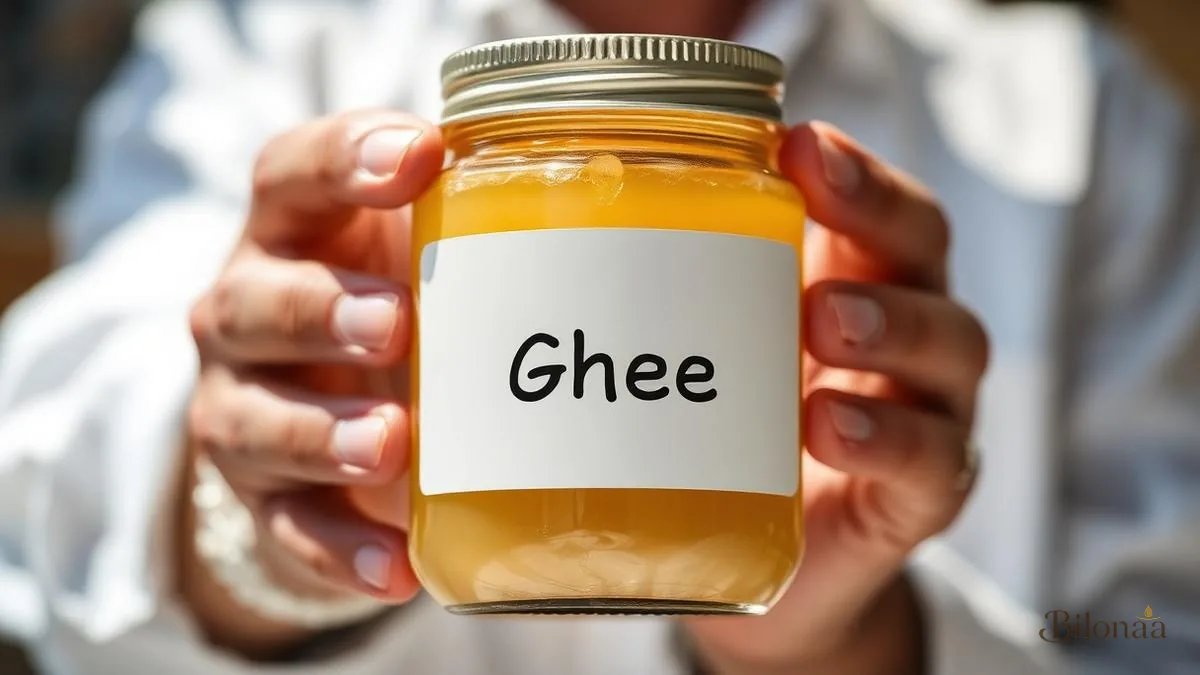
How to Read an A2 Ghee Label: Breed, Process, Feed and Certification
On this page
- Understanding the significance of an A2 ghee label begins wi
- Deciphering 'A2' on your ghee jar truly informs you about th
- Identifying the specific cow breed mentioned on the A2 ghee
- Delving into the Bilona process, or traditional hand-churnin
- Understanding why the 'Bilona' claim is vital stems from the
- Scrutinising the cow's feed mentioned on a ghee label provid
- The presence of organic certification on an A2 ghee label is
- Looking for 'FSSAI Certified' or other food safety certifica
Understanding the significance of an A2 ghee label begins with appreciating that it’s far more than just a brand name; it serves as a critical guide to the product's origin, quality, and the values it represents. In an increasingly health-conscious world, where milawat (adulteration) is a growing concern, a well-informed consumer learns to scrutinise labels for specific descriptors that promise authenticity and superior nutritional benefits associated with traditional Indian ghee. This deep dive into label reading ensures that you are making an educated choice, selecting ghee that aligns with Ayurvedic principles and modern nutritional understanding.
Deciphering 'A2' on your ghee jar truly informs you about the type of protein present in the cow's milk from which the ghee was derived. A2 milk contains only the A2 beta-casein protein, which, traditionally believed, is easier for human digestion compared to A1 beta-casein found in the milk of many western cow breeds. This distinction is crucial because the milk's protein composition directly influences the properties of the ghee, impacting its digestibility and, consequently, how your body assimilates its rich nutrients. Therefore, 'A2' is not just a marketing term but a fundamental indicator of the starting material's genetic blueprint.
Identifying the specific cow breed mentioned on the A2 ghee label is paramount, as certain indigenous Indian breeds are renowned for consistently producing A2 milk. Breeds like Gir, Sahiwal, Rathi, Kankrej, and Tharparkar are celebrated across India for their robust health, natural grazing habits, and their genetic predisposition to yield A2 milk exclusively. The label should clearly state the breed (e.g., 'Gir Cow Ghee') to assure consumers of its authentic A2 origin. Manufacturers committed to purity will proudly display this information, offering transparency about their sourcing practices and upholding the legacy of these sacred desi cows.
Delving into the Bilona process, or traditional hand-churning method, indicated on the label signifies adherence to an age-old Ayurvedic technique that preserves the nutritional integrity of ghee. Unlike modern industrial methods that extract cream directly from milk and then process it, the Bilona method involves boiling milk, cooling it, adding a starter culture to make curd, and then churning this curd bi-directionally to separate butter, which is then gently heated to produce ghee. This slow, conscious process ensures that the fat-soluble vitamins, short-chain fatty acids, and other delicate nutrients remain intact, making the ghee supremely rich and aromatic.
Understanding why the 'Bilona' claim is vital stems from the unique qualities this method imparts to the ghee, distinguishing it significantly from machine-made alternatives. Ghee produced through the Bilona process is typically richer in flavour, has a granular texture, and possesses a higher smoke point, along with a more potent nutritional profile. When a label proudly states 'Bilona Ghee,' it's a testament to the manufacturer's commitment to quality over speed, preserving the sacredness and holistic benefits that dadi-nani's ghee was always known for. This traditional churning ensures the final product is not just fat but a nourishing elixir.
Scrutinising the cow's feed mentioned on a ghee label provides valuable insight into the overall health and well-being of the animal, which directly translates to the quality of the ghee. Ghee from cows that are 'grass-fed' or 'pasture-raised' signifies that the animals graze naturally on green pastures, consuming a diet rich in diverse forage. This natural diet can lead to ghee with a higher concentration of Omega-3 fatty acids, conjugated linoleic acid (CLA), and fat-soluble vitamins (A, D, E, K). A label mentioning 'organic feed' further assures that the cows consume feed free from pesticides, fertilisers, and GMOs, contributing to a purer final product.
The presence of organic certification on an A2 ghee label is a strong indicator of stringent farming and processing standards, ensuring the ghee is free from synthetic chemicals. This certification, typically from bodies like USDA Organic, India Organic, or similar international standards, guarantees that the cows are raised without hormones, antibiotics, or GMOs, and their feed is organic. Moreover, the land they graze on must be free from chemical pesticides and fertilisers for a specified period. Choosing organic A2 ghee offers an assurance of purity that extends beyond the product itself, encompassing environmental and animal welfare considerations.
Looking for 'FSSAI Certified' or other food safety certifications on the ghee label provides a foundational assurance of product safety and compliance with national food standards. The Food Safety and Standards Authority of India (FSSAI) regulates food products in India, ensuring they meet specific quality and hygiene parameters. While FSSAI certification doesn't specifically vouch for A2 milk or Bilona process, it confirms that the ghee has undergone basic safety checks and manufacturing practices. Therefore, it serves as a baseline indicator of trustworthiness, complementing other certifications of purity and organic sourcing.
Understanding the role of 'small-batch production' or 'farm-to-table' claims on a ghee label often points towards higher quality and more transparent sourcing. These phrases suggest that the ghee is not mass-produced in large factories but made in smaller quantities, often directly by the farmers or artisanal producers. This approach allows for greater attention to detail, adherence to traditional methods like Bilona, and better control over the entire process from cow rearing to ghee preparation. Such claims indicate a commitment to quality over quantity, often resulting in a superior, more authentic product.
The label also often specifies the 'source of milk,' which is vital for verifying the authenticity of A2 ghee. Some labels might mention 'milk from our own farm' or 'sourced from local a2 desi cow farms.' This transparency ensures that the cows are genuinely indigenous Indian breeds known for A2 milk production, rather than milk sourced globally from unknown breeds. A clear indication of milk origin helps consumers trace the product's journey, building trust and safeguarding against misrepresentation, especially concerning the critical A2 claim.
Recognising ingredient transparency on the ghee label means looking for products with minimal ingredients – ideally, just 'ghee' or 'clarified butter.' The purest A2 Bilona ghee should not contain any additives, preservatives, artificial colours, or flavours. Any additional ingredients listed could indicate a deviation from traditional purity and potentially compromise the health benefits. A short, simple ingredient list is often the strongest testament to a product's authenticity and adherence to the principles of Purity. Bilonaa ghee, for instance, prides itself on its single-ingredient purity.
Checking the manufacturing and expiry date on the label is crucial for ensuring the freshness and longevity of your A2 ghee. Although high-quality ghee has a remarkably long shelf life due to its negligible water content, consuming it within its recommended period ensures maximum flavour and nutritional potency. While certain Ayurvedic texts suggest ghee can be aged for medicinal purposes, for everyday culinary use, fresh ghee is preferred. Always verify that the manufacturing date is recent, and the expiry date allows for ample time to consume the product.
Understanding the storage instructions provided on the A2 ghee label helps maintain its quality and prolong its shelf life optimally. Typically, ghee should be stored in a cool, dark place away from direct sunlight and moisture. It does not necessarily require refrigeration, as its stability is naturally excellent due to the absence of water. Following these instructions carefully prevents rancidity and preserves the ghee's distinct aroma, texture, and nutritional value, ensuring that each spoonful delivers the same rich benefits it promised when purchased.
Distinguishing between 'ghee' and 'hydrogenated vegetable fats' on labels is crucial, as some products might masquerade as ghee. True ghee is made from cow's milk fat, while hydrogenated vegetable fats are industrially altered plant oils, often containing trans fats which are detrimental to health. The term 'vanaspati ghee' historically refers to these vegetable fat alternatives and should be avoided if you are seeking authentic dairy ghee. Always be vigilant for clear indications of 'pure cow ghee' or 'desi ghee' to ensure you are buying the genuine article, maintaining utmost culinary integrity.
Being aware of common myths and misleading claims around A2 ghee labels is essential for informed purchasing, as not all 'A2' claims are created equal. Some brands might imply A2 status without proper breed-specific sourcing, or might use industrial processing while still claiming 'natural' methods. Doubts about certifications, absence of clear cow breed identification, or an unusually low price can all be red flags. Truly authentic A2 Bilona ghee, like that from Bilonaa, involves significant investment in ethical farming and traditional processing, which reflects in its pricing and comprehensive label transparency.
Making the best buying decision for A2 ghee involves synthesising all the label reading knowledge we've discussed, prioritising transparency and comprehensive information. Look for labels that clearly specify the indigenous A2 cow breed, highlight the traditional Bilona churning process, mention grass-fed or organic feed, and include relevant certifications like Organic and FSSAI. Don't shy away from brands that provide a narrative of their sourcing and production; this openness is often a hallmark of genuine commitment to quality and purity. Your careful examination of the label empowers you to choose truly beneficial A2 ghee.
Ultimately, the Bilonaa recommendation for authentic A2 Bilona Ghee underscores the importance of a brand that aligns with all these vital considerations. Bilonaa sources its milk exclusively from indigenous Rathi cows, native to Bikaner, Rajasthan, which are inherently A2. We adhere strictly to the traditional Bilona process, ensuring our ghee retains its natural goodness, distinct granular texture, and rich aroma. Our commitment to transparent labelling, outlining the breed, process, and organic practices, means you can trust that every jar embodies the purity and warmth of true desi ghee, bringing centuries of tradition to your kitchen.
Incorporating pure A2 Bilona ghee into your daily routine can yield numerous traditionally believed health benefits, from improving digestion and boosting immunity to nourishing skin and brain health. Once you've mastered reading the labels and chosen an authentic product, integrating it into your cooking is simple. Use it for tempering dishes, spreading on rotis, adding to warm milk for a comforting beverage, or even in Ayurvedic morning rituals. Consistent use of high-quality ghee, backed by a thorough understanding of its label, truly enriches your culinary and wellness journey.
"A true A2 ghee label is not just a sticker; it's a narrative of tradition, care, and nutritional integrity."
Bilonaa Promise
Small-batch, A2 desi-cow, traditional bilona ghee — straight to your kitchen.
100% pure, hand-churned, slow-cooked on a wood fire and packed in glass jars.
FAQs
Quick answers
What does 'A2' specifically mean on a ghee label?
A2 on a ghee label indicates that the ghee was made from the milk of cows containing only the A2 beta-casein protein. Indigenous Indian cow breeds like Gir and Sahiwal naturally produce A2 milk, which is traditionally believed to be easier for human digestion compared to A1 protein found in some other breeds.
Why is the Bilona process important for A2 ghee?
The Bilona process is a traditional, hand-churning method that ensures the ghee retains its maximum nutritional value, authentic flavour, and granular texture. Unlike industrial methods, Bilona involves making curd from milk and then churning it to extract butter, which is then slow-cooked into ghee. This preserves vital nutrients.
Should I look for 'grass-fed' or 'organic' on an A2 ghee label?
Yes, looking for 'grass-fed' or 'organic' is highly recommended. 'Grass-fed' indicates cows graze naturally, leading to richer ghee in Omega-3s and CLA. 'Organic' certification ensures the cows' feed and environment are free from pesticides, hormones, and antibiotics, contributing to a purer, healthier ghee.
What certifications should an authentic A2 ghee label have?
An authentic A2 ghee label should ideally carry an FSSAI certification for basic food safety in India. For higher assurance of purity and ethical sourcing, look for 'Organic' certifications (like India Organic, USDA Organic) and specific mentions of the indigenous A2 cow breed.
Can the cow breed affect the quality of A2 ghee?
Absolutely. The cow breed is a primary factor. Indigenous Indian breeds such as Gir, Rathi, and Sahiwal are inherently A2 milk producers. Ghee made from their milk is considered superior due to its natural A2 protein content and the traditional health benefits associated with these specific breeds.
How does the processing method impact ghee's shelf life?
The Bilona process, by thoroughly evaporating water content during slow cooking, contributes to ghee's remarkable stability and longer shelf life. Properly made Bilona ghee is less prone to rancidity than cream-based ghee and can be stored without refrigeration for extended periods, maintaining its freshness and benefits.
Educational content only — please consult a doctor for medical conditions.
Get gentle ghee notes in your inbox
One thoughtful Ayurveda + kitchen note a week. No spam. Unsubscribe anytime.
Conversation(0)
Share a thought — every comment is read before it appears.