
A2 Science
A2 Ghee vs A1 Ghee: Which One Is Better for Indian Families?
On this page
- Understanding the fundamental difference between A1 and A2 g
- The historical context of these two milk types is crucial fo
- Defining A2 desi cow ghee specifically means that it is made
- The traditional Bilona churning method is a distinguishing f
- Ayurveda, the ancient Indian system of medicine, profoundly
- From a modern nutritional perspective, A2 ghee is celebrated
- Comparing the potential digestibility factor, anecdotal evid
- The Bilona method significantly impacts the nutritional valu
Understanding the fundamental difference between A1 and A2 ghee begins with the milk itself, specifically the type of beta-casein protein present. A1 milk contains a variant of beta-casein protein that, upon digestion, can release a peptide called Beta-Casomorphin-7 (BCM-7), which some studies indicate might contribute to digestive discomfort and other health concerns in sensitive individuals. Conversely, A2 milk primarily contains the A2 beta-casein protein, which does not produce BCM-7 to the same extent, making it traditionally considered easier to digest and absorb, particularly for those with milk sensitivities.
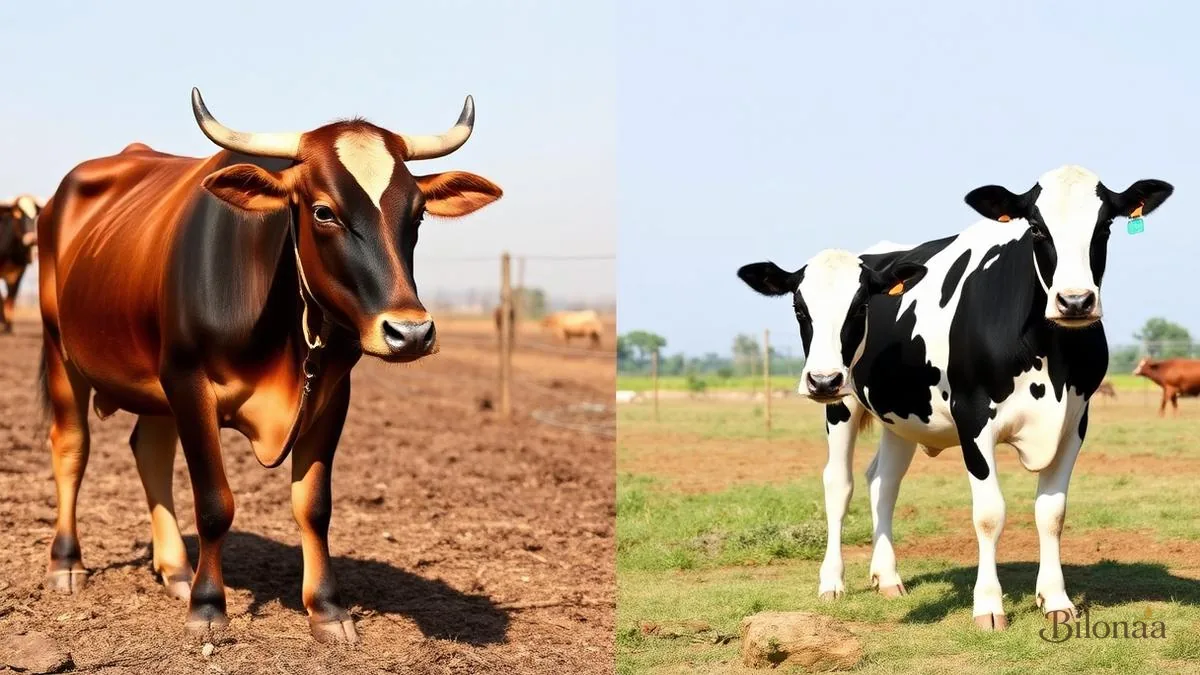
The historical context of these two milk types is crucial for appreciating their current significance in our dietary choices. Originally, all domesticated cows produced A2 milk, and it was the predominant type consumed by humans for thousands of years, forming the basis of traditional dairy diets across the globe. However, genetic mutations over centuries, particularly in European breeds like Holstein and Friesian, led to the prevalence of A1 beta-casein protein in their milk, changing the landscape of dairy production and consumption as these breeds became widespread globally.
Defining A2 desi cow ghee specifically means that it is made exclusively from the milk of indigenous Indian cow breeds, such as Gir, Sahiwal, Rathi, and Tharparkar, which are genetically predisposed to producing only A2 beta-casein protein. This heritage aspect is a cornerstone of its authenticity and quality, connecting it directly to India's agricultural past and traditional nutritional practices. The term 'desi' itself signifies 'native' or 'indigenous,' emphasizing the purity of the cow breed and the traditional methods associated with its products.
The traditional Bilona churning method is a distinguishing factor in the creation of authentic A2 desi cow ghee, preserving its nutritional integrity far better than industrial processes. This age-old technique involves first curdling the A2 milk, then hand-churning the curd bi-directionally using a wooden churner (bilona) to separate butter (makkhan). This butter is then gently heated over a low flame to produce highly aromatic and granular ghee, a process that ensures the retention of vital nutrients, fatty acids, and the subtle flavours that are often lost in high-speed machine churning and direct cream processing.
Ayurveda, the ancient Indian system of medicine, profoundly reveres ghee, particularly Bilona A2 ghee, as a vital 'rasayana' – a rejuvenative tonic for the mind, body, and spirit. It is traditionally believed to kindle 'agni' (digestive fire), improve 'ojas' (vitality), nourish all bodily tissues ('dhatus'), and enhance cognitive functions. For centuries, the wisdom of Ayurveda has championed ghee as a foundational food, a revered 'rasayana' for longevity and vitality, emphasizing its role in balancing doshas and promoting overall well-being rather than just being a cooking medium.
From a modern nutritional perspective, A2 ghee is celebrated for its rich profile of essential fatty acids, including Omega-3 and Omega-9, alongside fat-soluble vitamins A, D, E, and K. These nutrients are crucial for various bodily functions, ranging from immune support and bone health to antioxidant protection. The absence of BCM-7 from A2 beta-casein in the originating milk is also a point of interest for researchers, as it avoids potential inflammatory responses, making it a focus of contemporary dietary recommendations for those seeking gentler dairy options.
Comparing the potential digestibility factor, anecdotal evidence and a growing body of preliminary research suggest that A2 ghee might be easier on the digestive system for many individuals who experience discomfort from conventional dairy. While A1 beta-casein produces BCM-7, which is proposed to contribute to issues like bloating, gut inflammation, and even milk protein intolerance symptoms, A2 beta-casein is broken down differently. This difference is particularly relevant for Indian families, where traditional diets often include dairy, and there's a heightened awareness of digestive wellness.
The Bilona method significantly impacts the nutritional value and flavour profile of the resulting ghee, setting it apart from commercially produced alternatives. Unlike industrial methods that often use high heat and chemical processes, bilona churning and slow heating preserve the delicate structure of fatty acids and micronutrients. This meticulous process ensures Bilonaa's A2 ghee retains its characteristic aroma, granular texture, and a fuller spectrum of fat-soluble vitamins and antioxidants, making it not just healthier, but also more flavourful and authentic.
For Indian families, the choice between A2 and A1 ghee often extends beyond mere nutrition, touching upon cultural heritage and traditional well-being practices. A2 desi cow ghee aligns with ancestral wisdom, where specific cow breeds and preparation methods were cherished for their health-promoting properties. Re-embracing A2 ghee is a pathway to reconnecting with long-held dietary traditions, ensuring that the next generation receives the best of what 'dadi-nani' (grandmothers) always recommended, imbued with pure, unadulterated goodness.
Identifying genuine A2 ghee in the market requires vigilance and an understanding of key indicators, as 'milawat' (adulteration) is a concern. Look for certifications that guarantee A2 milk sourcing from indigenous Indian cow breeds; transparency in the manufacturing process, particularly confirming the bilona method; and reputable brands like Bilonaa that clearly state their sourcing and preparation methods. A truly authentic A2 ghee will also exhibit a distinct aroma, a granular texture at room temperature (in appropriate climates), and the inherent colour of the milk fat it's derived from.
Incorporating A2 Bilona ghee into daily Indian cooking is effortless and enhances both flavour and nutritional value across a myriad of dishes. Use it as a superior cooking medium for curries, dals, and vegetables, where its high smoke point prevents nutrient degradation. Drizzle a spoon over hot rice or chapatis for an added dose of health and richness. It can also be mindfully added to traditional sweets (mithai) or even consumed on its own as a spoonful in warm water (ghee-water cleanse), according to Ayurvedic practices, to support digestion and detoxification.
While A2 ghee offers numerous benefits, it's important to understand who might benefit the most and who should exercise caution. Individuals with sensitive digestive systems, those prone to dairy-related discomforts (such as bloating or acidity), or anyone prioritizing traditional and natural food sources would find A2 ghee particularly beneficial. However, like any fat, it is calorie-dense, so moderation is key, especially for those managing weight or with specific dietary restrictions. Consulting a healthcare professional for personalized dietary advice is always recommended.
Debunking common myths around ghee, particularly regarding its fat content and cholesterol, is essential for a balanced understanding. Contrary to outdated beliefs, pure ghee, especially A2 Bilona ghee, when consumed in moderation as part of a balanced diet, is not inherently detrimental to heart health. It contains healthy fats, including conjugated linoleic acid (CLA), and has a unique fatty acid profile that, according to Ayurvedic principles, supports metabolic health rather than contributing to cardiovascular issues. It’s the quality, source, and quantity that truly matter.
Storing your A2 Bilona ghee correctly is crucial to preserve its freshness, flavour, and nutritional integrity for extended periods. Keep it in an airtight container, preferably glass, in a cool, dark place away from direct sunlight and strong odours. Refrigeration is generally not necessary unless you live in a very hot and humid climate, or if you wish to extend its shelf life beyond several months. With proper storage, quality A2 ghee can easily last for a year or even longer without spoiling, maintaining its 'asli' (true) goodness.
When choosing the best A2 ghee for your family, prioritize brands that emphasize transparency in their sourcing and production, much like Bilonaa. Look for certifications that confirm indigenous Indian cow breeds and the authentic Bilona churning method. Enquire about the region of sourcing, as the diet of the cows influences the ghee’s quality. A brand that proudly shares its journey from cow to consumer reflects a commitment to purity and health, ensuring you get unadulterated A2 desi cow ghee.
Ultimately, the decision of A2 ghee versus A1 ghee boils down to understanding individual dietary needs, traditional values, and prioritizing pure, wholesome ingredients. For many Indian families, the journey back to A2 desi cow ghee is a conscious choice for better digestion, enhanced nutrition, and a deeper connection to their culinary heritage. It’s an embrace of purity, tradition, and well-being, reflecting a desire to nurture health from the inside out with nature’s best offerings.
"For centuries, the wisdom of Ayurveda has championed ghee as a foundational food, a revered 'rasayana' for longevity and vitality."
Bilonaa Promise
Small-batch, A2 desi-cow, traditional bilona ghee — straight to your kitchen.
100% pure, hand-churned, slow-cooked on a wood fire and packed in glass jars.
FAQs
Quick answers
What is the main difference between A1 and A2 milk/ghee?
The primary difference lies in the beta-casein protein type. A1 milk contains A1 beta-casein, which can release BCM-7 during digestion, potentially causing discomfort for some. A2 milk contains A2 beta-casein, which is traditionally considered easier to digest as it does not produce BCM-7 in the same way.
Why is A2 ghee considered better for digestion?
A2 ghee, derived from A2 milk, is often considered better for digestion because the A2 beta-casein protein is believed to break down differently in the gut compared to A1 beta-casein. This process avoids the potential release of BCM-7, which some individuals find difficult to process, leading to fewer digestive issues.
Are all Indian cow breeds A2? How can I ensure my ghee is A2?
Yes, indigenous Indian cow breeds like Gir, Sahiwal, Rathi, and Tharparkar predominantly produce A2 milk. To ensure your ghee is A2, look for brands that explicitly state their use of milk from these specific desi cow breeds and ideally provide certifications for A2 milk sourcing and traditional Bilona method preparation.
What is the 'Bilona' method of making ghee and why is it important?
The Bilona method is a traditional, hand-churned process where milk is first curdled, then churned to extract butter, which is then slow-cooked into ghee. This method preserves the natural nutrition, fatty acids, and delicate flavours, ensuring a higher quality and more aromatic product compared to industrial machine processes.
Does A2 ghee have a different nutritional profile than regular ghee?
While both types of ghee contain healthy fats and fat-soluble vitamins, A2 ghee's primary distinction is its origin from A2 milk, free from the A1 beta-casein protein variant. This can be significant for digestive comfort. Additionally, Bilona A2 ghee often retains more nutrients due to its gentle, traditional preparation method.
Can A2 ghee help with lactose intolerance?
Ghee, including A2 ghee, is naturally very low in lactose, as the milk solids are separated during its production, leaving almost pure fat. Therefore, it is generally well-tolerated by individuals with lactose intolerance, irrespective of whether it's from A1 or A2 milk, making it a suitable and flavourful fat source.
Educational content only — please consult a doctor for medical conditions.
Get gentle ghee notes in your inbox
One thoughtful Ayurveda + kitchen note a week. No spam. Unsubscribe anytime.
Conversation(0)
Share a thought — every comment is read before it appears.