Bilonaa Method
A2 Ghee vs Bilonaa Ghee: Difference Every Buyer Should Know
On this page
- Navigating the world of traditional Indian superfoods can of
- Understanding what A2 ghee actually means is fundamental to
- The bilona process, on the other hand, describes an ancient,
- The primary difference lies in their focus areas: 'A2' speci
- The historical reverence for ghee in Ayurveda underscores it
- Modern nutritional science sheds light on why traditional pr
- The bilona process meticulously begins with boiling pure A2
- Identifying genuine bilona ghee requires attention to severa
Navigating the world of traditional Indian superfoods can often be confusing, especially when terms like 'A2 ghee' and 'bilona ghee' are used, sometimes interchangeably. Understanding the precise definitions and practices behind each term is the first step towards making an informed choice for your health and kitchen. This article will meticulously break down the nuances, revealing that while they are related, they represent different, yet equally important, aspects of high-quality ghee, ultimately empowering you to choose the best for your family.
Understanding what A2 ghee actually means is fundamental to appreciating its value and differentiating it. A2 ghee refers specifically to ghee made from the milk of Gir cows, Sahiwal cows, Rathi cows, Kankrej cows, and other indigenous Indian cow breeds that naturally produce A2 beta-casein protein in their milk. This A2 milk is traditionally believed by many to be easier to digest and assimilate compared to A1 milk, which is found in many Western dairy breeds. The focus here is purely on the genetic lineage of the cow and the protein type in its milk, not on the method of ghee extraction itself.
The bilona process, on the other hand, describes an ancient, time-honoured method of making ghee that has been passed down through generations in Indian households. This traditional technique involves first converting whole A2 cow milk into curd, then churning this curd using a 'bilona' (a wooden churner) to separate the butter (makkhan). This butter is then slowly heated over a low flame to produce the pure, aromatic ghee. The 'bilona' method is a labour-intensive, slow process, ensuring the retention of maximum nutrients and a distinct flavour profile, which contrasts sharply with industrial ghee production.
The primary difference lies in their focus areas: 'A2' specifies the milk source, while 'bilona' specifies the making process. You can have A2 milk ghee that is made using modern industrial methods, and you can theoretically have non-A2 milk ghee made using the bilona method (though this is rare and generally not preferred in premium products). However, the gold standard, often offered by brands like Bilonaa, is 'A2 bilona ghee' – ghee made from the milk of indigenous A2 cows and processed using the authentic bilona method, combining the best of both worlds for unparalleled quality and benefits.
The historical reverence for ghee in Ayurveda underscores its significance not just as a food, but as a medicine and sacred substance. Ancient Hindu texts and Ayurvedic scriptures extensively praise ghee (ghrita) for its therapeutic properties, calling it a 'rasayana' – a rejuvenator. It was traditionally recommended for digestion, immunity, mental clarity, and detoxification. The bilona method ensures that this ghee aligns with Ayurvedic principles, as the slow, gentle process is believed to preserve the vital life force and subtle energies inherent in the milk, which are often lost in rapid, high-heat industrial processing.
Modern nutritional science sheds light on why traditional practices, like the bilona method, might yield superior ghee. The slow curd-churning process, rather than direct cream separation, helps in the natural fermentation and separation of butterfat, potentially leading to a richer profile of conjugated linoleic acid (CLA), butyric acid, and fat-soluble vitamins (A, D, E, K). Furthermore, A2 milk itself, when used for ghee, is viewed by some studies as being less inflammatory and easier on the digestive system, although more robust research is ongoing to fully substantiate these claims.
The bilona process meticulously begins with boiling pure A2 desi cow milk, allowing it to cool, and then inoculating it with a starter culture to form curd overnight. This curd is then churned ambidextrously, typically using a wooden churner (the 'bilona'). The resulting butter (makkhan) floats to the top, which is then carefully collected. This makkhan is then gently heated to evaporate the water content, leaving behind pure, golden ghee, fragrant and rich. This multi-step process is crucial for the unique texture, taste, and nutritional integrity of true bilona ghee, differentiating it from machine-extracted ghee which often uses cream as a direct input.
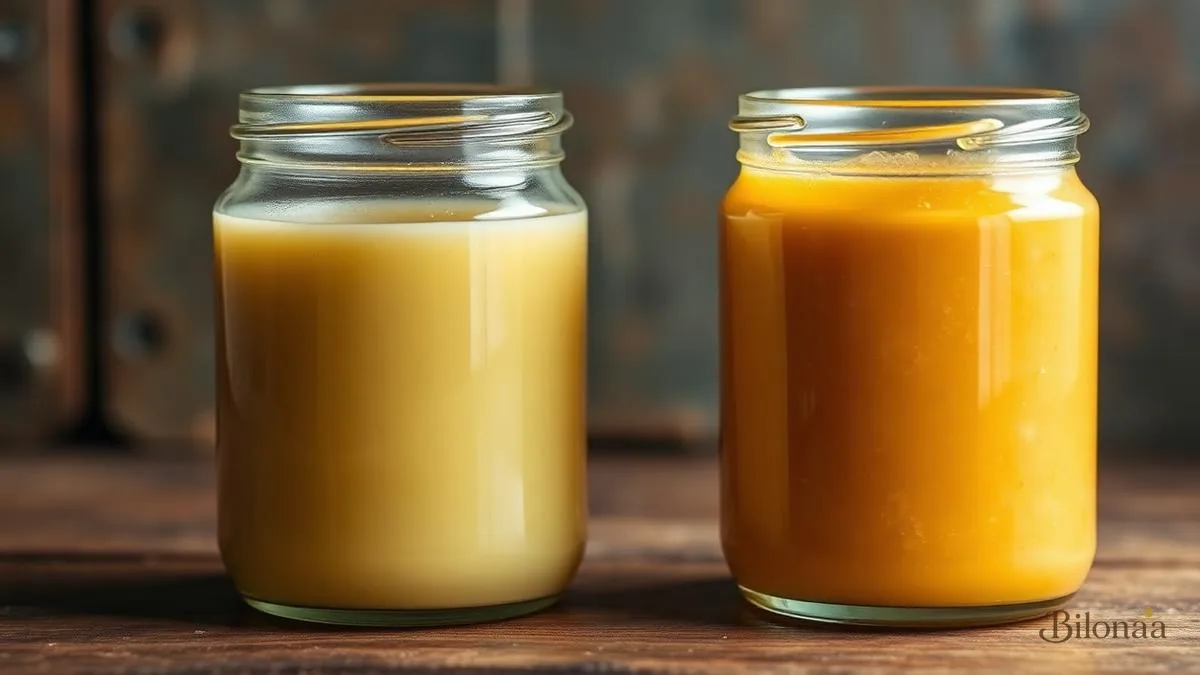
Identifying genuine bilona ghee requires attention to several key markers, as the market is flooded with products claiming authenticity. Look for a granular texture, as pure bilona ghee crystallises naturally due to unsaturated fatty acids; a smooth, uniform texture might indicate industrial processing. The aroma should be rich, nutty, and distinctly milky, not bland or overly sharp. Genuine bilona ghee also often solidifies in cooler temperatures and melts readily at room temperature, a testament to its natural composition. Furthermore, transparency from the brand regarding their sourcing and process is a strong indicator of authenticity.
The health perks attributed to high-quality A2 bilona ghee are extensive and revered in both traditional and modern contexts. It is traditionally believed to aid digestion, lubricate joints, nourish tissues, and enhance cognitive function. Its rich content of butyric acid is beneficial for gut health, acting as fuel for colon cells. The presence of fat-soluble vitamins (A, D, E, K) supports immunity, bone health, and skin vitality. For those seeking holistic well-being, incorporating this golden elixir into their daily diet can offer profound benefits, as long as it's consumed in moderation.
Comparing bilona ghee with regular, commercially produced ghee often highlights significant differences in quality. Commercial ghee typically uses cream as its base, separated from milk using centrifuges, and then boiled at high temperatures. This faster, more industrial process often compromises the nutritional value, delicate aroma, and characteristic granular texture found in bilona ghee. Regular ghee may still be a source of healthy fats, but it often lacks the intricate flavour profiles and the full spectrum of benefits associated with the traditional bilona method, resembling a 'fast food' version compared to a 'slow-cooked' delicacy.
Incorporating A2 bilona ghee into your daily routine offers myriad ways to enrich your diet and health. A spoonful can be added to warm milk for better digestion, drizzled over hot rotis or rice for enhanced flavour, or used as a healthy cooking medium due to its high smoke point, making it ideal for sautéing and frying. It can also be applied topically for skin and hair nourishment, showcasing its versatility beyond just the culinary realm. From tempering dals to applying on toast, its usage is as diverse as Indian cuisine itself.
When selecting the purest A2 bilona ghee, consider sourcing from reputable brands that emphasise ethical farming practices and traditional manufacturing methods. Look for labels that clearly state 'A2 milk' and 'bilona method' or 'hand-churned curd ghee'. Transparency in their supply chain, from the breed of cow to the processing technique, is paramount. Brands that provide details about their cows' diet and living conditions often produce superior ghee. Bilonaa, for example, prides itself on providing authentic A2 desi-cow bilona ghee, ensuring purity and quality from Bikaner, Rajasthan.
Understanding who can benefit most from A2 bilona ghee is key to truly appreciating its value. Individuals seeking natural digestive support often find A2 ghee gentler on their system. Those following Ayurvedic lifestyle principles, or simply anyone looking to incorporate highly nutritious, unadulterated fats into their diet, will find it immensely beneficial. However, while generally safe, individuals with severe dairy allergies or specific medical conditions should consult a healthcare professional before making significant dietary changes, as with any food item.
Common misconceptions about ghee often deter potential consumers, mistakenly associating it with unhealthy fats. One prevalent myth is that ghee is fattening and contributes to high cholesterol; however, when consumed in moderation, high-quality ghee, rich in healthy fats, can be part of a balanced diet. Another misconception is that all ghee is the same; this article clearly debunks that, emphasising the significant differences between industrial ghee and traditional A2 bilona ghee. Differentiating true, traditionally made ghee from its commercial counterparts is crucial to unlocking its real benefits.
The proper storage of your A2 bilona ghee is essential to maintain its freshness, flavour, and nutritional potency for extended periods. Ghee should be stored in an airtight container in a cool, dark place, away from direct sunlight and moisture. There is no need to refrigerate ghee, as its low moisture content and stable fat profile make it shelf-stable at room temperature. Proper storage prevents rancidity and preserves its unique aroma and granular texture, ensuring every spoonful is as fresh as the first.
A unique offering like Bilonaa’s A2 desi-cow bilona ghee stands out due to its unwavering commitment to authenticity and quality. Sourced from the indigenous desi cows of Bikaner, Rajasthan, known for their A2 milk, and meticulously crafted using the traditional bilona method, it embodies purity. This dedication ensures that each jar of Bilonaa ghee carries not just flavour and nutrition, but also the legacy of Ayurvedic wisdom and wholesome goodness, making it a conscious choice for those who value health and tradition.
When weighing your options for high-quality ghee, it becomes clear that 'A2' and 'bilona' are not interchangeable terms but rather complementary attributes that define excellence. While A2 refers to the superior genetic purity of the cow's milk, bilona dictates the traditional, nutrient-preserving method of preparation. The ultimate choice for discerning consumers, seeking both purity of source and integrity of process, is therefore an A2 bilona ghee, a product that truly honours ancient wisdom alongside modern understanding of nutrition.
Embracing the rich heritage of Indian culinary traditions, especially when it comes to a foundational ingredient like ghee, empowers us to make healthier, more informed choices for our kitchens and our well-being. By understanding the distinctions between A2 ghee and bilona ghee, consumers can confidently choose products that offer superior flavour, nutritional benefits, and an authentic link to a revered past. This knowledge is not just about choosing a food item; it's about investing in a legacy of holistic health and purity.
"True bilona ghee is a testament to patience, tradition, and a deep respect for natural processes, offering benefits beyond mere nutrition."
Bilonaa Promise
Small-batch, A2 desi-cow, traditional bilona ghee — straight to your kitchen.
100% pure, hand-churned, slow-cooked on a wood fire and packed in glass jars.
FAQs
Quick answers
What is A2 ghee?
A2 ghee is made from the milk of indigenous Indian cow breeds (like Gir, Sahiwal) that produce only A2 beta-casein protein, which is traditionally believed to be easier to digest than A1 protein found in other cow breeds. It focuses on the genetic type of the cow.
What is bilona ghee?
Bilona ghee refers to ghee produced using an ancient, traditional method where whole milk is first converted into curd, then hand-churned using a wooden churner (bilona) to extract butter, which is then slow-cooked into ghee. This method preserves nutrients.
Can A2 ghee be made without the bilona method?
Yes, A2 ghee can be made using industrial processes directly from A2 cream, without going through the curd-churning bilona method. While still A2, it may lack the specific nutritional profile and distinct flavour of traditional bilona ghee.
Why is 'A2 bilona ghee' considered the best?
A2 bilona ghee is considered superior because it combines the benefits of A2 milk (believed easy digestion) with the traditional bilona method (nutrient retention, specific flavour profile). It represents the highest standard of purity and traditional processing.
How can I identify authentic bilona ghee?
Authentic bilona ghee typically has a granular texture, a rich nutty aroma, and solidifies easily in cooler temperatures while melting readily. A smooth, uniform texture might suggest industrial processing. Check for brand transparency about sourcing and methods.
What are the health benefits of A2 bilona ghee?
A2 bilona ghee is traditionally believed to aid digestion, boost immunity, nourish tissues, and enhance vitality. It is rich in butyric acid, beneficial for gut health, and contains fat-soluble vitamins (A, D, E, K), supporting overall well-being.
Does Bilonaa offer A2 bilona ghee?
Yes, Bilonaa specialises in providing pure A2 desi-cow bilona ghee. Their ghee is sourced from indigenous cows in Bikaner, Rajasthan, and meticulously crafted using the traditional bilona method to ensure authenticity, quality, and rich flavour.
How should I store my bilona ghee?
Bilona ghee should be stored in an airtight container in a cool, dark place, away from direct sunlight and moisture. Refrigeration is not necessary, as its low moisture content allows for shelf-stable storage at room temperature, preserving its quality.
Educational content only — please consult a doctor for medical conditions.
Get gentle ghee notes in your inbox
One thoughtful Ayurveda + kitchen note a week. No spam. Unsubscribe anytime.
Conversation(0)
Share a thought — every comment is read before it appears.