
A2 Science
A2 Ghee vs Regular Ghee: What Should You Buy in 2026?
On this page
- Understanding the fundamental difference between A2 ghee and
- Delving into the history of A2 milk reveals that A2 beta-cas
- The scientific distinction between A1 and A2 beta-casein lie
- Exploring the Ayurvedic perspective on ghee unequivocally pr
- Considering the digestion and absorption of A2 ghee, it is t
- The Bilona churning method is another critical factor elevat
- Comparing the nutritional profile, A2 ghee, especially when
- The sensory experience – taste, aroma, and texture – is a de
Understanding the fundamental difference between A2 ghee and regular ghee begins with the source cow's milk protein, specifically beta-casein. While all cow's milk contains casein protein, it exists in various forms, primarily A1 and A2. This distinction in protein type is a cornerstone in discussing the nutritional variations and digestibility claims associated with different types of ghee available in the market today.
Delving into the history of A2 milk reveals that A2 beta-casein is considered the original protein found in ancient desi cow breeds native to India and Africa. Over centuries, due to genetic mutation and selective breeding in Western countries, European breeds predominantly started producing A1 beta-casein. This evolutionary shift has led to contemporary discussions about the potential health implications of consuming A1 versus A2 milk and its derivatives.
The scientific distinction between A1 and A2 beta-casein lies in a single amino acid at position 67 of the protein chain. In A1 milk, a histidine residue is present, while in A2 milk, a proline residue occupies this position. This seemingly minor difference has significant implications, as A1 beta-casein is suggested to break down into a peptide called Beta-Casomorphin-7 (BCM-7) during digestion, which some studies indicate might be associated with various health concerns.
Exploring the Ayurvedic perspective on ghee unequivocally prioritizes the provenance and method of preparation. Ayurveda has always revered ghee made from the milk of indigenous, pasture-fed cows (desi cows), inherently producing A2 milk. The ancient texts emphasize the importance of the cow's health, diet, and stress-free environment, directly correlating these factors with the quality and therapeutic properties of the resulting ghee. For centuries, our dadi-nanis have chosen specific cow breeds for their milk qualities.
Considering the digestion and absorption of A2 ghee, it is traditionally believed to be easier on the digestive system compared to ghee made from A1 milk. The absence of BCM-7 formation in A2 milk digestion is often cited as the reason for this perceived advantage. Many individuals report better tolerance and fewer digestive discomforts when consuming A2 dairy products, although scientific research is still evolving in this area to fully substantiate these anecdotal claims.
The Bilona churning method is another critical factor elevating the status of traditional ghee, particularly A2 ghee, over industrially produced alternatives. This age-old process involves churning curd (dahi) made from whole A2 milk, not cream, to separate the butter, which is then gently heated to produce ghee. This method, as practiced by Bilonaa, ensures that the ghee retains its full spectrum of nutrients, including vitamins, antioxidants, and a richer flavor profile, often lost in modern machine-extraction processes.
Comparing the nutritional profile, A2 ghee, especially when made using the bilona method, is celebrated for its rich content of fat-soluble vitamins (A, D, E, K), Omega-3 and Omega-9 fatty acids, and beneficial Conjugated Linoleic Acid (CLA). While regular ghee also contains these nutrients, the superior digestion and absorption traditionally associated with A2, combined with the bilona method, suggest that the bioavailability of these nutrients might be enhanced, offering more holistic nourishment.
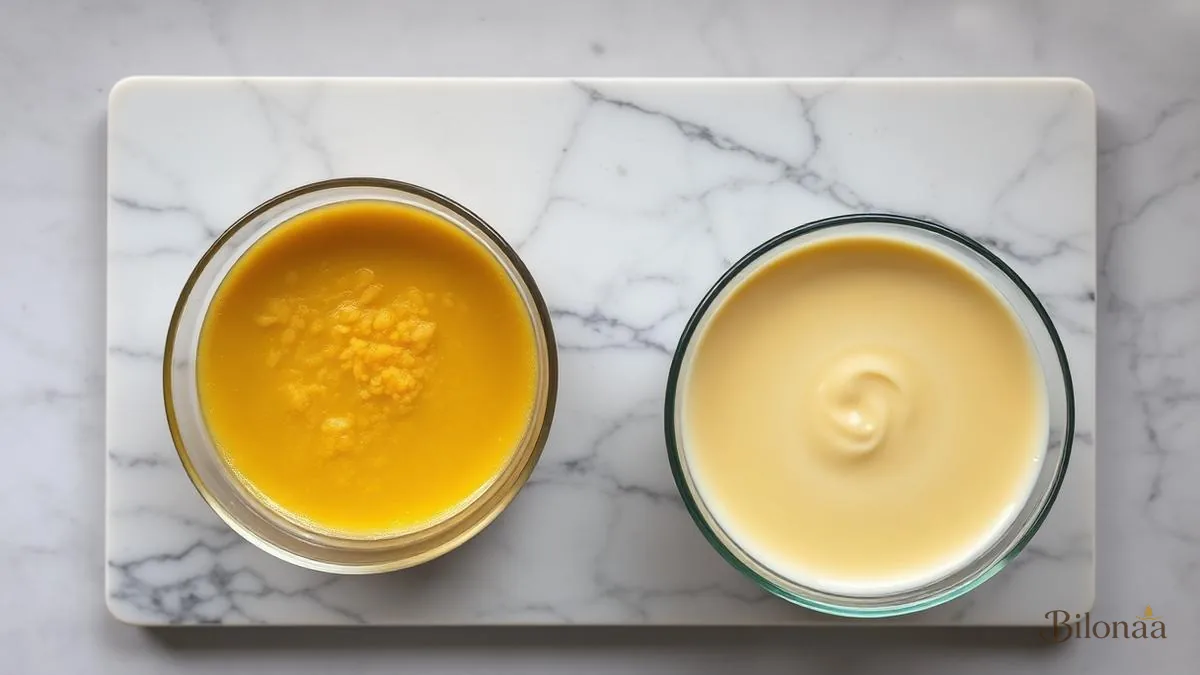
The sensory experience – taste, aroma, and texture – is a defining differentiator between A2 bilona ghee and many regular ghees. Authentic A2 bilona ghee, like that from Bilonaa, possesses a distinctly rich, nutty aroma, a golden granular texture, and a subtly sweet, complex flavor profile that elevates any dish. This is a direct result of the cow's diet, the A2 milk quality, and the slow, traditional preparation method, yielding a product far removed from the blandness of factory-produced ghee.
The sourcing of milk for A2 ghee is paramount, demanding careful attention to the breed of cow and their living conditions. True A2 ghee must come from indigenous Indian cow breeds such as Gir, Sahiwal, Rathi, and Tharparkar, known for naturally producing A2 milk. Ethical sourcing also ensures these cows are pasture-fed, treated with care, and free from antibiotics and hormones, directly contributing to the purity and potency of the ghee.
Debunking common myths about ghee is essential for consumers. One pervasive myth is that all ghee is unhealthy due to its fat content; however, ghee is rich in healthy fats and, when consumed in moderation, is beneficial. Another misconception is that 'organic ghee' automatically means A2; this is not always true, as organic refers to farming practices, not the cow's protein type. Always look for explicit A2 certification.
Integrating A2 ghee into your daily diet can be both delicious and health-enhancing. Beyond cooking, it can be used as a spread, added to warm milk for a nourishing drink, or even applied topically for skin and hair benefits. Starting your day with a spoonful in warm water is a traditional Ayurvedic practice believed to aid digestion and detoxification. It's a versatile superfood that seamlessly blends into various culinary traditions.
When making your choice in 2026, consider your personal health goals and dietary preferences. If digestive comfort, traditional purity, and potential enhanced nutrient absorption are priorities, A2 bilona ghee stands out. For those less concerned with these specific distinctions or on a budget, regular ghee can still be a healthy fat source. The key is always to choose a high-quality product from a reputable source.
Identifying high-quality A2 ghee involves looking for specific characteristics and certifications. Genuine A2 bilona ghee will typically be labeled as such, often mentioning the specific desi cow breed. Look for granular texture, a deep yellow hue (indicating beta-carotene from grass-fed cows), and a rich, distinct aroma. Crucially, verify the sourcing and manufacturing process; transparency from the brand is a good indicator of authenticity.
The storage of A2 ghee is simple yet crucial to maintain its freshness and extend its shelf life. Store it in an airtight container in a cool, dark place, away from direct sunlight and moisture. Refrigeration is generally not required unless you live in a very hot and humid climate, or if you prefer a firmer consistency. Properly stored ghee can last for many months, often even a year or more, without spoiling.
Understanding who might benefit most from A2 ghee includes individuals with sensitive digestive systems, those seeking to follow traditional Ayurvedic dietary principles, or anyone desiring to consume dairy products that align with ancient practices. Families, particularly with young children or elders, often find A2 ghee to be a gentle and nourishing addition to their diet due to its perceived ease of digestion.
Conversely, some individuals might not notice a significant difference or may not require A2 ghee. For those without any digestive sensitivities to A1 milk or who prioritize cost-effectiveness, high-quality regular ghee can still serve as a nutritious cooking medium. However, the overall emphasis on purity and traditional methods often swings the preference towards A2 bilona ghee for a more holistic approach.
The environmental and ethical considerations behind A2 ghee production often align with sustainable farming practices. Brands committed to A2 ghee typically support local farmers who rear indigenous breeds ethically, ensuring the cows are not confined and are fed natural diets. This not only contributes to animal welfare but also promotes biodiversity and more sustainable agricultural ecosystems.
For those seeking uncompromised quality and traditional purity, Bilonaa offers authentic A2 desi-cow bilona ghee, handcrafted in Bikaner, Rajasthan. Our commitment to sourcing milk from grass-fed indigenous cows and adhering strictly to the ancient bilona method ensures that every jar of Bilonaa ghee brings the rich heritage and nutritional goodness directly to your home, truly embodying what 'asli ghee' means.
Looking ahead to 2026, the trends indicate a growing consumer awareness and demand for transparently sourced, traditionally prepared, and nutritionally superior food products. The conversation around A2 ghee versus regular ghee is likely to intensify, with more consumers seeking out products that offer specific health benefits and align with ethical and sustainable values. Making an informed choice becomes increasingly vital.
Ultimately, the decision between A2 ghee and regular ghee rests on a blend of scientific understanding, personal experience, and cultural appreciation. While both can be part of a healthy diet, A2 bilona ghee, with its traditional roots, unique protein profile, and superior preparation method, presents itself as a compelling choice for those prioritizing optimal wellness and authentic culinary experiences. It's more than just a fat; it's a legacy of health.
"The journey from a cow's udder to your kitchen should ideally be one of purity and ethical practice."
Bilonaa Promise
Small-batch, A2 desi-cow, traditional bilona ghee — straight to your kitchen.
100% pure, hand-churned, slow-cooked on a wood fire and packed in glass jars.
FAQs
Quick answers
What is the key difference between A2 and regular ghee?
The main difference lies in the cow's milk protein. A2 ghee comes from cows producing A2 beta-casein, while regular ghee often comes from cows producing A1 beta-casein. A2 is traditionally believed to be easier to digest due to the absence of BCM-7 formation during digestion.
Is A2 ghee always made by the bilona method?
Not necessarily. While traditional bilona ghee is typically made from desi cows (A2), not all A2 ghee is produced using the bilona method, and some A2 ghee might be made from cream. Always check the label for 'bilona' or 'hand-churned' for authenticity.
Can I use A2 ghee for high-heat cooking?
Yes, A2 ghee has a high smoke point (around 250°C/482°F), making it excellent for high-heat cooking like sautéing, frying, and roasting without breaking down into harmful compounds. This stability also preserves its nutritional integrity.
How does A2 ghee taste compared to regular ghee?
A2 bilona ghee generally has a richer, nuttier, and more complex flavor with a distinct aroma compared to many regular ghees, which can sometimes be blander due to industrial processing and different milk sources. Its texture is often granular.
Is A2 ghee suitable for lactose-intolerant individuals?
Ghee, by its nature, is clarified butter, meaning most of the lactose and casein solids are removed during its preparation. Therefore, both A2 and regular ghee are usually well-tolerated by individuals with lactose sensitivity, though individual reactions might vary.
Why is A2 ghee often more expensive than regular ghee?
A2 ghee's higher cost is typically due to specific factors: sourcing milk from indigenous A2 cows, often pasture-fed; the labor-intensive traditional bilona churning method; and the smaller-scale, ethical production often involved, as seen with brands like Bilonaa.
Educational content only — please consult a doctor for medical conditions.
Get gentle ghee notes in your inbox
One thoughtful Ayurveda + kitchen note a week. No spam. Unsubscribe anytime.
Conversation(0)
Share a thought — every comment is read before it appears.