
A2 Science
Ahara Vidhi Vishesha Ayatana: The Classical Rules of How to Eat Fats
On this page
- The classical Ayurvedic framework of dietary determinants pr
- Intrinsic food nature or Prakriti determines how a specific
- Food processing or Karana alters the inherent qualities of r
- The principle of Samyoga explains why combining fats with sp
- Quantitative portioning or Rashi establishes that even benef
- Geographical origin or Desha influences the biological profi
- Temporal alignment or Kala dictates that fat consumption sho
- Digestive protocol or Upayoga Samstha outlines the environme
The classical Ayurvedic framework of dietary determinants provides a nuanced blueprint for how fat is digested and integrated into the human body. Known in Sanskrit as Ahara Vidhi Vishesha Ayatana, these eight factors guide the selection, preparation, timing, and consumption of food. Rather than viewing dietary lipids strictly through a lens of caloric density or isolated fatty acid chains, classical texts examine food as a dynamic variable. How a fat behaves in the digestive tract depends entirely on context. The principles outlined thousands of years ago in texts like the Charaka Samhita offer a structured method for understanding why identical foods yield different digestive outcomes in different circumstances.
Intrinsic food nature or Prakriti determines how a specific fat interacts with human digestive capability. Every dietary substance possesses inherent qualities such as lightness, heaviness, heat, or coldness prior to any culinary intervention. For instance, raw sesame oil is heavy and unctuous by nature, whereas cow butter fat carries distinct cooling and soothing attributes. Traditional texts emphasize that recognizing a fat's baseline physical and subtle properties allows individuals to select foods that align with their personal digestive vigor. When heavy lipids are consumed without considering their native properties, the internal digestive fire may struggle to process them effectively.
Food processing or Karana alters the inherent qualities of raw lipids through thermal, mechanical, and temporal transformation. Raw milk fat, for example, undergoes a total structural shift when cultured into curd, hand-churned into butter, and slow-cooked into ghee. This mechanical agitation and thermal heating change the original properties of the dairy lipid, making it far lighter and easier to digest than raw cream. The [traditional bilona method](/traditional-bilona-method) exemplifies Karana by using bi-directional churning to separate fat globules without degrading their integrity. Processing is not merely a method of preservation; it is a intentional tool designed to refine raw ingredients for human assimilation.
The principle of Samyoga explains why combining fats with specific ingredients alters their physiological effect. In classical dietary theory, certain food combinations enhance digestion while others create metabolic friction. Pairing warm lipids with aromatic spices like cumin, ginger, or black pepper is thought to stimulate gastric secretions, allowing fats to be absorbed without generating heaviness. Conversely, combining equal quantities of fat and raw honey is cited as incompatible due to opposing thermal actions. Modern biochemical concepts of bioavailability echo this reasoning, demonstrating how fat-soluble nutrients require lipid carriers for optimal uptake, as noted in discussions on [ghee yogavahi bioavailability](/blog/ghee-yogavahi-bioavailability).
Quantitative portioning or Rashi establishes that even beneficial fats require calibrated measure based on total intake. Classical texts divide portion size into two distinct metrics: the overall quantity of the meal and the proportional weight of individual ingredients. Fat is considered a concentrated substance that demands precise moderation. Overloading a meal with unctuous elements can overwhelm gastric juices, leading to sluggish intestinal transit. Conversely, eliminating fat completely deprives the body of essential lubricative qualities. Determining the correct measure requires an honest assessment of one's active energy expenditure and current hunger levels.
Geographical origin or Desha influences the biological profile of dietary fats through animal forage, soil quality, and local climate. Milk lipids produced by cows grazing on wild arid pastures possess different physical characteristics compared to modern grain-fed stall animals. Arid landscapes yield hardy vegetation rich in varied phytochemicals, which naturally filter into the animal's milk. Furthermore, classical wisdom suggests consuming fats native to one's geographical region, as local ecosystems foster physiological familiarity between human digestion and regional foods. The environmental context of food production plays a primary role in how the body receives nourishment.
Temporal alignment or Kala dictates that fat consumption should respond to seasonal shifts, daily rhythms, and personal life stages. During colder months, the digestive fire is traditionally viewed as stronger, allowing the body to process richer, heavier fats to maintain internal heat. In contrast, intense summer heat requires lighter, cooling preparations. On a daily scale, fat intake must align with natural digestive peaks, which peak near mid-day when metabolic activity is naturally elevated. Understanding the [best time to eat ghee circadian rhythm](/blog/best-time-to-eat-ghee-circadian-rhythm) connections allows individuals to match their heaviest food choices with peak physiological capability.
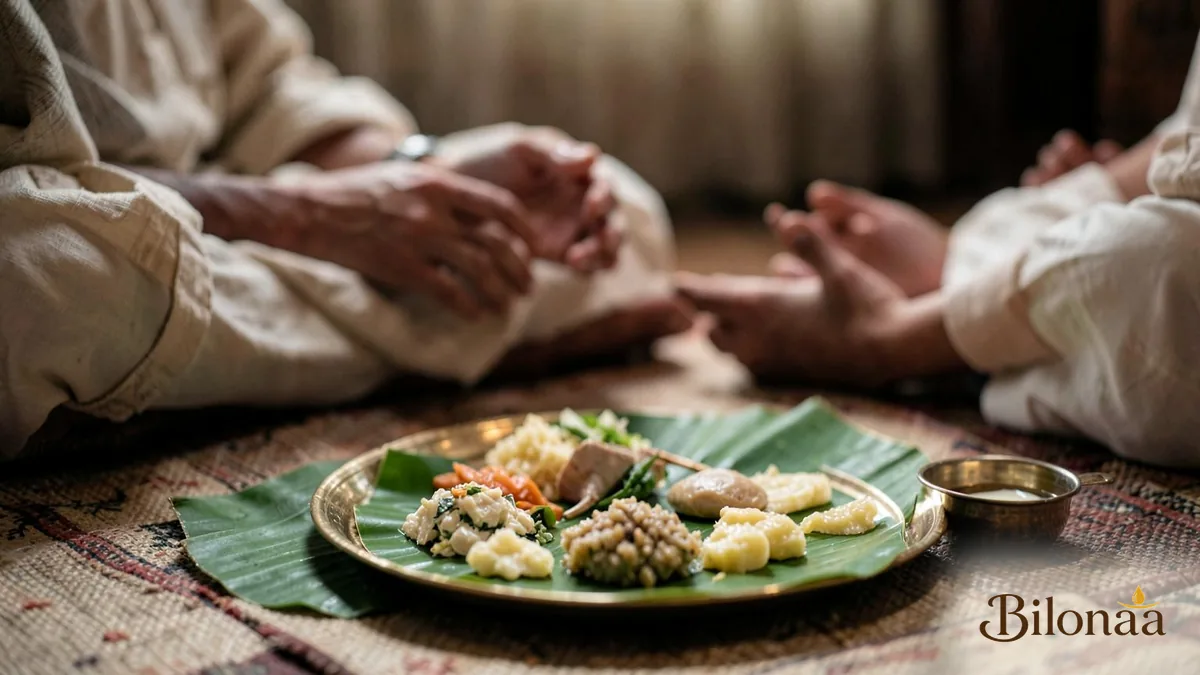
Digestive protocol or Upayoga Samstha outlines the environmental and physiological rules necessary for optimal fat assimilation. These rules dictate that food should be eaten warm, unctuous, unhurried, and in a calm setting without psychological distress. Warmth encourages fat liquidity, aiding gastric breakdown, while a tranquil environment supports parasympathetic nervous activity. Swallowing food too quickly introduces excessive air and prevents adequate insalivation, which impairs early digestive signaling. The classical eating code emphasizes that how one eats is just as critical to digestion as the actual nutritional content of the plate.
Individual constitution or Upayokta dictates that dietary response to fat varies significantly from person to person based on baseline physiology. A person with robust digestive capability and high physical activity processes saturated fats differently than someone with a sedentary lifestyle or sensitive digestion. Ayurvedic tradition uses the concept of Satmya, or habitual adaptation, to explain why populations accustomed to specific dietary fats thrive on them while newcomers may experience distress. There is no universally applicable fat intake level; optimal nutrition remains strictly individual, depending on age, health status, and metabolic capacity.
Modern clinical research into satiety and lipid digestion offers intriguing parallels to these ancient dietary observations. Human digestive physiology confirms that dietary fats trigger the release of gut peptides such as cholecystokinin and peptide YY, which signal fullness to the brain. When fats are consumed slowly and in warm, liquid states, gastric emptying occurs at a controlled pace, prolonging satiety. Science confirms that unhurried eating enhances these chemical signals, echoing the classical insistence on mindful consumption. While modern research focuses on hormonal pathways and classical texts speak of digestive fire, both systems arrive at remarkably similar practical guidelines.
A structured comparison reveals where ancient culinary wisdom mirrors modern nutritional science and where boundaries remain distinct. While classical Ayurveda evaluates foods using qualitative frameworks like taste, thermal action, and unctuousness, modern clinical nutrition relies on molecular analysis, lipid panels, and hormonal markers. The table below outlines how these two perspectives approach the core variables of dietary intake.
| Classical Factor (Ayurvedic) | Primary Focus | Modern Nutritional Parallel | |---|---|---| | Prakriti (Nature) | Baseline qualities of food | Fatty acid composition & lipid density | | Karana (Processing) | Structural transformation | Thermal processing, churning, bio-refining | | Samyoga (Combination) | Synergy or incompatibility | Nutrient bioavailability & gastric pairing | | Rashi (Quantity) | Total meal & item volume | Caloric density & portion control | | Desha (Habitat) | Regional origin & grazing | Pasture ecology & terroir effects | | Kala (Timing) | Seasons & daily rhythms | Circadian biology & chrononutrition | | Upayoga Samstha (Rules) | Mindful eating state | Cephalic phase digestion & vagal tone | | Upayokta (Consumer) | Habituation & constitution | Individual metabolic phenotype & genetics |
Scientific evidence regarding fat metabolism requires an honest assessment of current research limitations. It is crucial to acknowledge that while lab models and animal studies demonstrate interesting metabolic responses to specific lipids, these findings cannot be directly extrapolated to human health. Human dietary trials are complex, often relying on self-reported data that introduce confounding factors. Furthermore, modern science has not validated claims that traditional processing renders fats entirely non-atherogenic, nor is there evidence that A2 beta-casein milk fat is inherently superior for cardiovascular health compared to A1 variants. Evidence remains qualitative and developing in several key areas.
Sensory awareness and unhurried consumption directly influence the physiological secretion of digestive enzymes through the cephalic phase response. When we observe, smell, and deliberately chew warm food, the central nervous system sends signals via the vagus nerve to prepare the stomach for incoming nutrients. Salivary enzymes begin pre-digestion, while gastric acids and pancreatic lipases prepare for lipid emulsification. Eating in a state of distraction or anxiety suppresses these autonomic nervous responses, which can lead to bloating and incomplete fat breakdown. Classical dietary rules anticipated these exact physiological requirements by placing sensory focus at the heart of mealtime.
Environmental stability during mealtime prevents the sympathetic nervous system from impairing gastric motility. When an individual eats while stressed, driving, or working under tight deadlines, the body's fight-or-flight response takes priority, diverting blood flow away from the gastrointestinal tract. This circulatory shift reduces digestive enzyme output and slows down stomach contractions, making heavy lipids particularly difficult to digest. Classical guidelines explicitly state that meals should be consumed in a clean, quiet space free from intense conversation or emotional distress. Honoring this principle allows the parasympathetic nervous system to manage digestion efficiently.
Regional ecology shapes the fatty acid profile of milk lipids through native pasture grazing. Cows that forage on diverse natural flora in arid regions like Rajasthan consume native grasses and herbs containing unique antioxidants and terpene compounds. These botanical compounds pass into the cow's milk, influencing the flavor, aroma, and nutrient density of the resulting butterfat. Exploring authentic [A2 cow ghee](/a2-cow-ghee) reveals how traditional animal husbandry preserves these subtle environmental markers. Modern agronomy confirms that pasture-raised cattle produce lipids with a distinct fatty acid distribution compared to confined livestock.
The distinction between raw butter and fermented, churned butterfat highlights the transformative nature of classical processing methods. In traditional preparation, fresh milk is first boiled, cooled, and cultured into whole curd using natural starter cultures. This fermentation step breaks down lactose and alters protein structures before mechanical churning takes place. Churning separates the cultured fat from the buttermilk, which is then slow-cooked over low flame to evaporate remaining water solids. This thorough transformation yields pure [bilona ghee](/bilona-ghee), an shelf-stable fat with a high smoke point and rich aromatic depth that sets it apart from direct-cream butter.
Integrating these eight dietary dimensions into daily life requires practical, reflective choices rather than rigid dogmatism. Start by listening to your digestive capacity, adjusting portion sizes according to physical activity levels and seasonal weather shifts. Eat warm, freshly prepared meals in a serene environment, allowing yourself time to chew thoroughly and appreciate the food. For those seeking specific guidance on integrating classical fat preparation methods into modern daily routines, our comprehensive collection of [FAQs](/faq) offers clear, practical insights without complex jargon.
At Bilonaa, our small-batch A2 desi cow ghee is crafted in Bikaner following traditional hand-churned methods that honor these age-old principles of food preparation. We source milk from free-foraging Rathi, Tharparkar, Gir, and Sahiwal cows, culture it into curd, churn it with a wooden bilona, and slow-cook it over wood fires. We package our ghee in glass jars and traditional steel dolchis under strict quality controls (FSSAI 22226025000262). We invite you to explore our traditional fat preparations by choosing to [shop Bilonaa ghee](/shop) and welcome authentic culinary tradition back to your dining table.
"Ayurveda views food not merely as fuel or isolated nutrients, but as a dynamic interaction between processing, timing, portion, context, and individual digestive capacity."
Bilonaa Promise
Small-batch, A2 desi-cow, traditional bilona ghee — straight to your kitchen.
100% pure, hand-churned, slow-cooked on a wood fire and packed in glass jars.
FAQs
Quick answers
What does Ahara Vidhi Vishesha Ayatana mean in simple terms?
It translates to the eight special factors governing dietary intake in classical Ayurveda. These factors explain how food nature, processing, combination, quantity, origin, timing, eating rules, and individual capacity interact to determine how well food is digested.
Why is fat processing (Karana) so important in traditional cooking?
Processing changes the physical and digestive properties of raw fat. Culturing milk into curd and churning it into butter breaks down complex structures, making traditional bilona ghee much lighter and easier to digest than raw milk fat or direct-cream butter.
Does modern science support the idea of eating fat slowly in a calm setting?
Yes. Modern physiology confirms that calm, unhurried eating activates the parasympathetic nervous system and the cephalic phase of digestion. This stimulates gastric enzymes and lipases, ensuring smooth digestion and accurate fullness signals.
How does seasonal timing (Kala) affect how we should consume ghee?
Digestive capacity varies with seasonal temperature changes. In cooler months, digestive fire is typically stronger, allowing for richer fat intake. In hot summer months, fat intake should be moderate and paired with cooling ingredients.
Is A2 cow ghee scientifically proven to be better for everyone?
Current scientific evidence is qualitative and developing. While A2 beta-casein milk fat is preferred by many who find standard dairy uncomfortable, science does not claim A2 fat is universally superior or a cure for digestive ailments.
What is the Ayurvedic principle of Samyoga regarding fats?
Samyoga refers to food combinations. Combining fats with digestive spices like ginger or black pepper improves assimilation, while incompatible pairings (like equal proportions of raw honey and ghee) are said to cause digestive friction.
How do I determine the right portion size (Rashi) of ghee for my daily diet?
Portion size depends on your physical activity, digestive strength, age, and season. A sedentary individual requires much less fat than an active person. Start with small, warm quantities (1-2 teaspoons per meal) and observe how your digestive system responds.
Educational content only — please consult a doctor for medical conditions.
Get gentle ghee notes in your inbox
One thoughtful Ayurveda + kitchen note a week. No spam. Unsubscribe anytime.
Conversation(0)
Share a thought — every comment is read before it appears.