Buyer Guide
Best Bilona Ghee in India: The Honest Way to Compare Brands
On this page
- Understanding what truly defines the best bilona ghee in Ind
- Long before commercial creameries existed, Indian homes reli
- The authentic bilona process begins with boiling fresh A2 mi
- Slow simmering over a wood fire gives authentic bilona ghee
- Modern nutritional science highlights several distinct advan
- Ayurveda views pure bilona ghee not merely as a cooking medi
- Using genuine bilona ghee in everyday Indian cooking transfo
- Comparing commercial cream-extracted ghee with traditional b
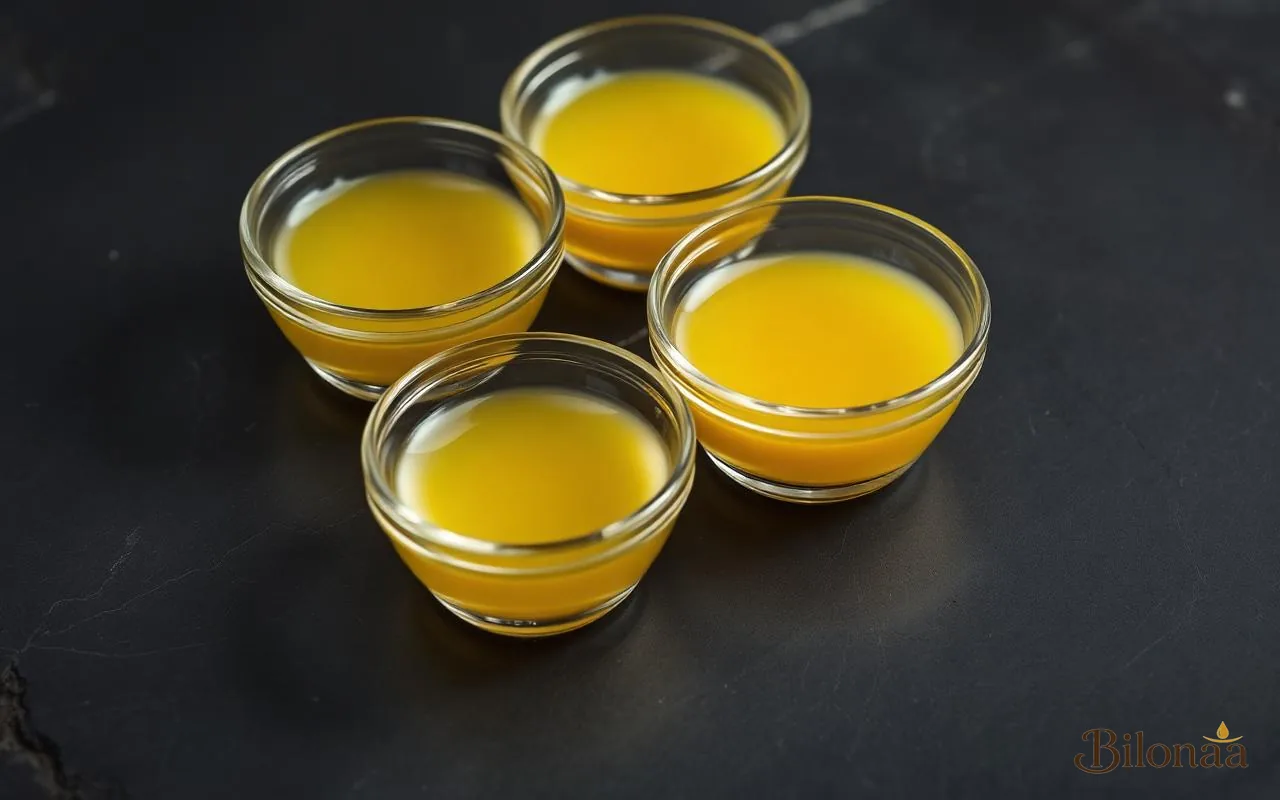
Understanding what truly defines the best bilona ghee in India requires looking past glossy marketing labels. Walk into any Indian grocery store today, and you will see dozens of shiny tubs all claiming to be pure, natural, and traditional. But real ghee is not made in a mechanical centrifuge within a matter of minutes. Genuine bilona ghee comes from a slow, painstaking craft rooted in centuries of household wisdom. The word bilona refers to the wooden churner used to process cultured curd, turning it into rich makkhan before it is gently melted into liquid gold. When you smell genuine ghee heating up in a iron kadhai on a cool morning, you instantly recognize the difference.
Long before commercial creameries existed, Indian homes relied on dadi-nani methods to craft rich ghee. In regions like western Rajasthan, every morning began with the rhythmic sound of a wooden mathani churning thick curd in an earthen pot. People understood that milk was a sacred gift, and transforming it required patience rather than speed. Indigenous cows like the Rathi, Tharparkar, Gir, and Sahiwal grazed freely on natural flora, producing rich milk naturally suited for culturing. That deep golden color and coarse, daanedaar grain were not achieved by artificial additives or synthetic heating, but by allowing time and tradition to guide the entire kitchen routine.
The authentic bilona process begins with boiling fresh A2 milk and culturing it into whole curd. Unlike industrial factories that strip raw cream straight from fresh milk using high-speed separators, traditional artisans allow the milk to set into full-fat dahi overnight. Once the curd is set, it is hand-churned bi-directionally using a wooden bilona. This gentle churning separates the white butter, known as makkhan, leaving behind light, refreshing buttermilk. Separating butter from cultured curd rather than raw cream is the single most important step that sets true bilona ghee apart in flavor, digestability, and shelf stability.
Slow simmering over a wood fire gives authentic bilona ghee its distinct daanedaar texture and nutty aroma. The freshly gathered makkhan is transferred into heavy-bottomed vessels and cooked over a gentle flame. As the water content slowly evaporates, milk solids settle at the bottom and caramelize slightly, releasing a warm, roasted aroma that fills the entire home. Experienced makers know exactly when to pull the vessel off the fire, capturing that perfect golden color before any scorching occurs. This slow, low-heat cooking preserves heat-sensitive nutrients while giving the ghee its signature crystalline structure.
Modern nutritional science highlights several distinct advantages of choosing A2 desi cow ghee over processed vegetable fats. Pure ghee made from A2 milk contains short and medium-chain fatty acids, notably butyric acid, which supports gut health and aids healthy digestion. It is also packed with fat-soluble vitamins including A, D, E, and K, which require healthy dietary fats to be absorbed properly by the body. Because the bilona method ferments milk into curd first, virtually all trace lactose and casein are naturally broken down, making authentic ghee comfortable to digest even for many who are sensitive to fresh dairy.
Ayurveda views pure bilona ghee not merely as a cooking medium, but as an essential yogavahi that carries nutrients deep into tissues. Ancient texts describe ghee as an ingredient that enhances ojas, nourishes the mind, and balances internal digestive fire without aggravating pitta. In traditional Indian households, a spoonful of warm ghee was added to khichdi, rotis, or warm milk to soothe seasonal dryness during crisp winter months. Ayurveda specifically emphasizes that ghee must be prepared from cultured curd of indigenous humped cows to possess these balancing properties, warning against heavily processed or chemically extracted fats.
Using genuine bilona ghee in everyday Indian cooking transforms simple home dishes into soul food. A quick tadka of cumin and dry red chillies bloomed in hot ghee instantly brings a bowl of yellow dal to life. Winter delicacies like gond laddu, atta pinni, or besan halwa rely entirely on the rich, nutty back-note of slow-cooked ghee to achieve their classic texture and depth. Even a light smear on a piping hot phulka elevates a simple dinner into something deeply comforting. Because real ghee has a high smoke point, it stands up beautifully to high-heat Indian cooking without burning easily.
Comparing commercial cream-extracted ghee with traditional bilona ghee reveals stark differences in process and quality. Standard industrial ghee is produced using raw cream spun out of milk, often sourced from mixed or high-yield foreign cattle breeds. That cream is melted directly at high temperatures to save time and maximize output, yielding a flat, greasy product with little natural aroma. Bilona ghee, on the other hand, requires up to 25 to 30 liters of pure A2 milk to produce just one single liter of finished ghee. That massive difference in milk volume and labor explains why true bilona ghee feels completely different on the palate.
Choosing the right ghee matters most for growing children, elderly parents, and sensitive stomachs. For young kids, healthy fats support brain development and provide steady energy for active days. Older family members often find that a clean, traditionally made ghee is far gentler on their digestion than processed cooking oils or mass-produced dairy spreads. Many families who previously cut ghee out of their diets due to acidity issues find that switching back to asli bilona ghee lets them enjoy traditional dishes once again without heavy discomfort after meals.
Widespread myths about ghee causing weight gain often overlook the quality and preparation method used in traditional kitchens. For years, general dietary advice lumped pure ghee together with hydrogenated vanaspati and refined vegetable oils loaded with trans fats. In reality, moderate consumption of pure A2 ghee provides healthy fats that promote satiety and help the body absorb key nutrients efficiently. The key lies in avoiding cheap adulterated ghee laden with hidden palm oil or synthetic flavors, and sticking to modest portions of clean, hand-churned ghee as part of a balanced daily diet.
Simple purity checks at home can help you spot milawat and confirm the quality of your ghee. One quick test is to place a spoon of ghee on your palm; genuine bilona ghee will melt quickly purely from your body heat due to its low melting point. Another method is the heat test: melt a spoonful in a small pan over medium flame. Real ghee melts instantly and turns a rich brownish color, while adulterated ghee usually takes longer and turns a pale yellow. You can also test with a drop of iodine on melted ghee; if it turns blue, starch or mashed potatoes have been added.
The higher cost of authentic A2 bilona ghee directly reflects the vast volume of milk required to make it. When a brand sells ghee for three or four hundred rupees a liter, basic math tells you it cannot be real A2 bilona ghee. Considering that indigenous cows yield modest amounts of milk per day and it takes roughly 25 liters of milk for one liter of ghee, the raw milk cost alone exceeds standard retail prices. At brands like Bilonaa, we maintain complete transparency about these costs because honoring traditional methods requires respecting the farmers and the livestock involved.
Storing your ghee in proper packaging like glass jars or traditional metal containers protects its subtle flavor and shelf life. Pure bilona ghee contains very little moisture, meaning it does not require refrigeration and can sit comfortably on your kitchen counter for months. However, storing ghee in cheap plastic containers can cause harmful chemicals to leach over time, ruining its natural taste. Glass jars keep light and moisture out, while traditional stainless steel dolchis are ideal for buying larger bulk quantities without worrying about fragile glass during long transit.
Our family tradition at Bilonaa focuses on preserving these slow, honest methods right here in Bikaner, Rajasthan. We work directly with local heritage breeds like Rathi, Tharparkar, Gir, and Sahiwal cows that graze freely in dry desert conditions. Every batch is set into curd, hand-churned using wooden bilonas, and slow-cooked on gentle wood fire in small quantities. We pack our ghee in clean glass jars for daily kitchen use and sturdy stainless steel dolchis for 5-liter orders, under strict FSSAI license 22226025000262, so you receive pure, unadulterated goodness in every spoon.
Checking essential quality indicators like FSSAI registration and breed specificity protects you from fake market claims. When comparing brands, look closely at whether they explicitly state the cow breeds used rather than giving vague descriptions like desi cow. Check if the manufacturer details their churning method clearly, as many brands use the word bilona purely as a brand name while using industrial machines behind closed doors. Transparency about milk sourcing, lab testing, batch manufacturing dates, and honest packaging materials is always the mark of a reliable ghee producer.
Making the switch to pure traditional ghee is ultimately an investment in your family's daily health and culinary joy. When you open a jar of true bilona ghee, that warm, earthy aroma brings back childhood memories of dadi making hot parathas on cold winter mornings. You do not need to consume massive amounts; even half a teaspoon of genuine ghee carries more flavor and wholesome satisfaction than a full tablespoon of refined oil. Take the time to choose an authentic brand, trust your senses, and bring genuine bilona ghee back to your dining table.
"Genuine bilona ghee comes from a slow, painstaking craft rooted in centuries of household wisdom."
Bilonaa Promise
Small-batch, A2 desi-cow, traditional bilona ghee — straight to your kitchen.
100% pure, hand-churned, slow-cooked on a wood fire and packed in glass jars.
FAQs
Quick answers
What is the main difference between normal ghee and A2 bilona ghee?
Normal ghee is usually made in factories by extracting raw cream from milk using high-speed centrifuges and boiling it quickly. A2 bilona ghee is made by first setting fresh A2 cow milk into whole curd, hand-churning it with a wooden bilona to yield makkhan, and gently slow-cooking that butter on a low flame. This traditional process retains natural nutrients and yields a granular daanedaar texture.
Why is authentic bilona ghee more expensive than regular commercial ghee?
Authentic bilona ghee requires around 25 to 30 liters of pure A2 milk to make just one liter of ghee. Indigenous cows like Rathi or Gir yield smaller amounts of milk compared to commercial breeds, and the manual curd-churning process takes significant time and labor. The price reflects this high milk volume, traditional handcrafting, and zero chemical processing.
How can I test if my bilona ghee is pure at home?
You can perform a palm test: pure bilona ghee melts quickly when placed on your palm due to body heat. You can also do a heat test: a spoon of pure ghee in a hot pan melts instantly and turns light brown with a rich aroma. If it takes long to melt or turns pale yellow, it may be adulterated with vegetable oils or palm fat.
Does pure bilona ghee need to be refrigerated?
No, pure bilona ghee has almost zero moisture content and a long natural shelf life. You can safely store it at room temperature in a cool, dry place away from direct sunlight. Always use a clean, dry spoon to scoop ghee, as moisture from dirty utensils can introduce spoilage over time.
Is A2 bilona ghee suitable for lactose-intolerant people?
Since the bilona method ferments milk into curd before churning butter and simmering it, the lactose and casein proteins are broken down and removed in the process. While people with severe dairy allergies should consult a physician, many people with light lactose sensitivity find authentic bilona ghee very easy to digest.
Why does Bilonaa use glass jars and stainless steel dolchi instead of plastic containers?
At Bilonaa, we believe pure ghee deserves clean, non-reactive packaging. Plastic containers can leach chemicals and alter the rich, nutty aroma of slow-cooked ghee. We pack smaller sizes up to 2 liters in glass jars and 5-liter orders in traditional stainless steel dolchi to ensure freshness and safety during delivery.
Educational content only — please consult a doctor for medical conditions.
Get gentle ghee notes in your inbox
One thoughtful Ayurveda + kitchen note a week. No spam. Unsubscribe anytime.
Conversation(0)
Share a thought — every comment is read before it appears.