
Cow Breeds
Best Cow Breed for A2 Ghee: Gir, Sahiwal, Rathi or Tharparkar?
On this page
- Choosing the best cow breed for A2 ghee is a subject deeply
- Understanding what A2 milk truly means is the foundation of
- The Gir cow, easily identifiable by its distinctive curved h
- Sahiwal cows, known for their reddish-brown coat and docile
- The Rathi cow, native to the Thar Desert region of Rajasthan
- Tharparkar cows, also originating from the Thar Desert regio
- Delving into the nutritional composition of A2 ghee highligh
- Ayurveda's perspective on cow's milk and ghee has always emp
Choosing the best cow breed for A2 ghee is a subject deeply rooted in both traditional Indian wisdom and emerging scientific understanding of dairy nutrition. For centuries, various indigenous Indian cow breeds have been revered for their milk quality, particularly within Ayurvedic practices, where the cow is seen as a sacred giver of nourishment. Understanding the unique characteristics of breeds like Gir, Sahiwal, Rathi, and Tharparkar is crucial for discerning consumers seeking the purest and most beneficial A2 ghee.
Understanding what A2 milk truly means is the foundation of appreciating these specific cow breeds. A2 milk refers to milk containing only the A2 type of beta-casein protein, as opposed to A1 beta-casein, which is present in milk from many European breeds. Traditionally, all desi Indian cows produced A2 milk, and this genetic characteristic is now recognised for its potential digestive benefits, with many people reporting easier digestion compared to A1 milk.
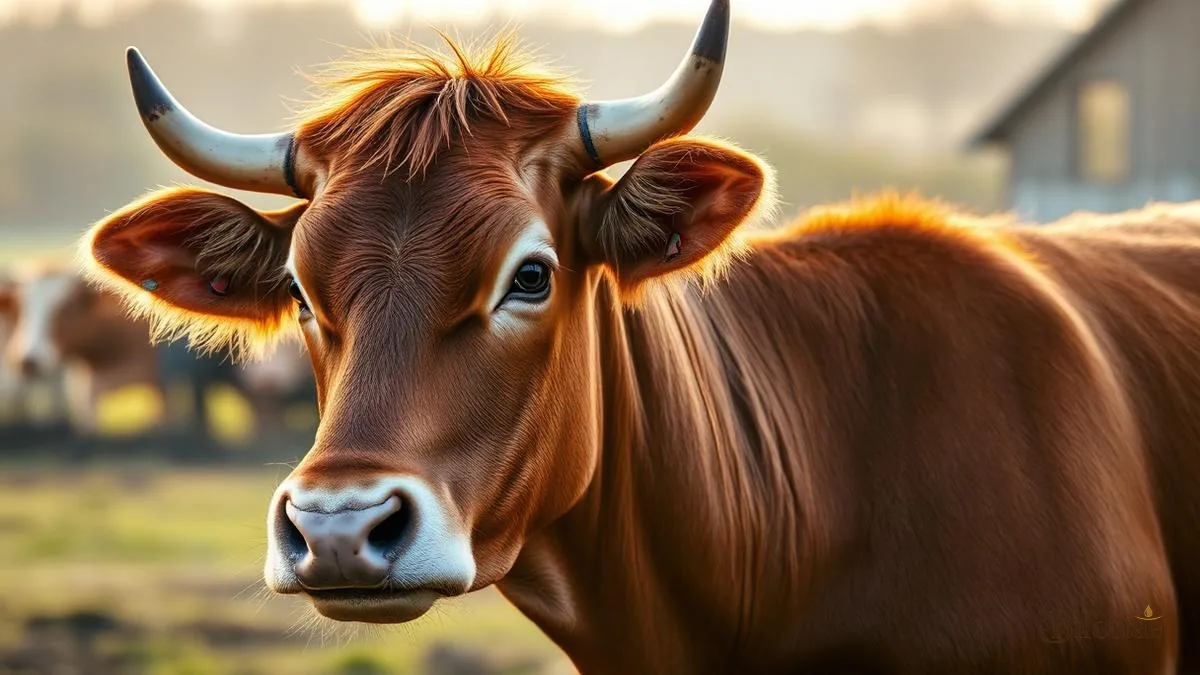
The Gir cow, easily identifiable by its distinctive curved horns and majestic humped back, originates from the Gir forests of Gujarat and is widely celebrated for its milk quality. Its hardy nature, excellent disease resistance, and high milk yields make it a favourite among dairy farmers dedicated to A2 milk production. The milk from Gir cows is traditionally believed to be rich and nutritious, lending itself well to producing exceptionally fragrant and beneficial A2 ghee.
Sahiwal cows, known for their reddish-brown coat and docile temperament, hail from Punjab and are revered for their consistently high milk fat content and robust milk production. Their milk is often described as thick and sweet, making it ideal for the traditional manufacturing of ghee. The Sahiwal breed's adaptability to various climatic conditions and its proven genetic predisposition for A2 milk make it a strong contender in the quest for the best A2 ghee source.
The Rathi cow, native to the Thar Desert region of Rajasthan, is a dual-purpose breed, valued for both its draught capabilities and its significant milk production in challenging environments. Despite harsh living conditions, Rathi cows yield good quality A2 milk, which is often considered therapeutic and nourishing. Ghee made from Rathi cow's milk is celebrated for its golden colour, granular texture, and subtle nutty flavour profile, reflecting the resilience of the breed itself.
Tharparkar cows, also originating from the Thar Desert region in Rajasthan and Sindh (now Pakistan), are another robust indigenous breed known for their hardiness and ability to thrive on sparse forage. They are medium-sized, usually white or grey, and produce a respectable quantity of A2 milk, even in arid conditions. The milk from Tharparkar cows is sought after for its richness and is traditionally used to produce A2 ghee esteemed for its purity and strength, embodying the spirit of the desert.
Delving into the nutritional composition of A2 ghee highlights why the choice of cow breed matters significantly beyond just the A2 protein. Ghee generally contains healthy fats, including conjugated linoleic acid (CLA) and butyric acid, which are believed to have various health benefits. The specific breed, their diet, and their environment can influence the proportions of these beneficial compounds, with cows grazing on natural pastures often yielding ghee richer in these nutrients.
Ayurveda's perspective on cow's milk and ghee has always emphasised the importance of the cow's health and breed. Ancient Ayurvedic texts often differentiate between the qualities of milk from various indigenous breeds, attributing different therapeutic properties. For example, milk from desi cows grazing freely was considered 'sattvic' (pure and harmonious), enhancing physical and mental well-being when consumed as ghee. This holistic approach underpins the traditional reverence for specific breeds.
The traditional Bilona method of ghee making is paramount, regardless of the cow breed, in preserving the natural goodness of A2 milk. This time-honoured process involves churning whole curd (made from A2 milk) with a wooden churner (bilona) to separate butter, which is then slow-cooked over a low flame. This method ensures that all vital nutrients, including fat-soluble vitamins and beneficial fatty acids, are retained, resulting in a superior, aromatic, and nutrient-dense A2 ghee.
Comparing these breeds head-to-head, it becomes clear that each offers unique advantages, making the 'best' choice subjective and dependent on specific priorities. Gir cows often lead in terms of milk volume and richness, while Sahiwal cows excel in milk fat content. Rathi and Tharparkar cows, though perhaps lower in yield, offer unparalleled resilience and produce excellent ghee even in challenging environmental conditions, often thriving on a more natural, forage-based diet.
Geographical considerations also play a significant role in why certain breeds flourish and produce optimal ghee in specific regions. A cow breed adapted to a particular climate and forage will naturally be healthier and produce better quality milk and, consequently, better ghee. For example, a Rathi cow thrives in Rajasthan's arid climate, making its milk and ghee truly an authentic product of that region’s natural bounty.
The modern consumer's demand for traceability and purity drives the preference for A2 ghee from these specific breeds. Knowing the origin of the milk, the breed of cow, and the method of ghee production ensures transparency and builds trust. Consumers are increasingly aware that not all ghee is created equal, and the distinction of breed, especially indigenous A2 cows, signifies a commitment to quality and authenticity.
While all four breeds — Gir, Sahiwal, Rathi, and Tharparkar — are excellent sources of A2 milk for ghee, Bilonaa meticulously sources its A2 milk from indigenous desi cows, primarily from the Bikaner region. Our commitment is to uphold the traditions of purity, ensuring that the A2 ghee you receive not only comes from the best breeds but is also made using the ancient Bilona method, preserving its nutritional integrity and authentic flavour.
Sustainability and ethical cow rearing practices are intrinsically linked to producing high-quality A2 ghee. When cows like Gir, Sahiwal, Rathi, and Tharparkar are raised in a natural, stress-free environment, allowed to graze freely, and treated with respect, their health and milk quality are optimized. This ethical approach contributes to the overall 'sattvic' quality revered in Ayurvedic texts, benefiting both the cow and the eventual consumer.
Ultimately, the 'best cow breed for A2 ghee' is less about a single definitive answer and more about appreciating the diversity and unique strengths of these magnificent indigenous Indian breeds. Each breed brings its own flavour profile, nutritional nuances, and history to the table, offering consumers a rich tapestry of choices when seeking authentic, high-quality A2 desi-cow bilona ghee from Bikaner, Rajasthan.
Integrating A2 ghee into your daily routine is simple and incredibly beneficial, irrespective of the specific desi breed it originates from. Use it for cooking, sautéing, tempering, or even as a spread. Its high smoke point makes it suitable for various culinary applications, while its rich flavour enhances any dish. A spoonful of A2 ghee in warm milk or over hot rotis is a traditional and nourishing practice.
Dispelling common myths about A2 ghee is essential for informed choices. One common misconception is that all ghee is the same; however, the breed of cow (A1 vs A2), the cow's diet, and the manufacturing process (bilona vs. industrial) significantly impact quality. Another myth is that ghee is unhealthy due to its fat content, when in moderation, A2 ghee, especially from indigenous breeds, is celebrated for its health-promoting properties in Ayurveda.
When selecting your A2 ghee, look for labels that clearly specify 'A2 ghee' and ideally mention the breed of cow. Transparency in sourcing and manufacturing (like '100% Bilona method' or 'slow-cooked') are strong indicators of authenticity. Reputable brands like Bilonaa proudly share their commitment to these traditional practices and the quality of their desi cow origins.
Proper storage of your A2 ghee from Gir, Sahiwal, Rathi, or Tharparkar cows is straightforward. Store it in a cool, dark place away from direct sunlight. There is no need to refrigerate it, as ghee is shelf-stable for many months due to its low moisture content. An airtight container will protect its aroma and flavour, ensuring you enjoy its freshness over time.
In conclusion, while each indigenous breed—Gir, Sahiwal, Rathi, and Tharparkar—offers exceptional qualities for A2 ghee production, the true measure of excellence lies in the holistic approach. This includes the cow's health, diet, ethical treatment, and adherence to the traditional Bilona method. Choosing A2 ghee from any of these revered desi breeds guarantees a step towards authentic, pure, and nourishing tradition.
"The true essence of A2 ghee lies not just in its genetic marker but in the holistic care of the cow and the traditional bilona process."
Bilonaa Promise
Small-batch, A2 desi-cow, traditional bilona ghee — straight to your kitchen.
100% pure, hand-churned, slow-cooked on a wood fire and packed in glass jars.
FAQs
Quick answers
What is A2 ghee and why is the cow breed important?
A2 ghee is made from milk containing only the A2 beta-casein protein, found in indigenous Indian cow breeds. The breed is crucial because these cows naturally produce A2 milk, which some find easier to digest than A1 milk from most foreign breeds. Traditional breeds also offer specific nutritional profiles.
Which Indian cow breeds are best for A2 ghee?
Gir, Sahiwal, Rathi, and Tharparkar are among the best Indian cow breeds for A2 ghee. Each breed is known for its pure A2 milk, unique flavour, and nutritional qualities, and they are well-adapted to different Indian climates, contributing to robust health and good milk quality.
Does the Bilona method really make a difference for A2 ghee?
Yes, absolutely. The traditional Bilona method, which involves churning whole milk curd and slow-cooking the resulting butter, is vital. It preserves the delicate nutrients, fat-soluble vitamins, and authentic aroma of A2 ghee far better than industrial processes, ensuring a truly superior product.
Is A2 ghee from Gir cows superior to Sahiwal or Rathi cows?
Not necessarily 'superior,' but different. Gir cows often yield more milk, Sahiwal's milk has high fat content, while Rathi and Tharparkar are exceptionally hardy and produce excellent ghee in challenging conditions. The 'best' depends on individual preference for flavour, texture, and regional characteristics.
How can I ensure the A2 ghee I buy is authentic?
Look for labels that clearly state 'A2 ghee' and ideally mention the cow breed and the Bilona method of preparation. Brands that provide transparency about their sourcing, cow rearing practices, and manufacturing process are more likely to offer authentic, high-quality A2 desi ghee from indigenous breeds.
What are the health benefits traditionally associated with A2 ghee from these breeds?
Ayurveda traditionally believes A2 ghee from indigenous breeds supports digestion, boosts immunity, lubricates joints, and nourishes the brain. Modern understanding points to beneficial fatty acids like CLA and butyric acid. However, it's important to consume it in moderation as part of a balanced diet.
Educational content only — please consult a doctor for medical conditions.
Get gentle ghee notes in your inbox
One thoughtful Ayurveda + kitchen note a week. No spam. Unsubscribe anytime.
Conversation(0)
Share a thought — every comment is read before it appears.