
Buyer Guide
Best Ghee for Cooking Indian Food: A2, Bilonaa or Regular?
On this page
- Understanding the nuances between A2 ghee, Bilona ghee, and
- Defining what A2 ghee actually means is the first step in ap
- Explaining the traditional Bilona churning method reveals a
- Regular ghee, in contrast, typically refers to ghee produced
- Tracing the Ayurvedic perspective on ghee's role in health a
- Delving into the nutritional science behind A2 Bilona ghee u
- Considering the ideal smoke point for ghee in Indian cooking
- Exploring specific Indian dishes that truly shine with quali
Understanding the nuances between A2 ghee, Bilona ghee, and regular ghee is crucial for any discerning cook, especially when aiming for the authentic flavours and health benefits associated with Indian cuisine. The market is flooded with various types, each claiming superiority, making it challenging to identify what truly stands out for daily cooking. This comprehensive guide will dissect these differences, offering clarity on why one might be preferred over the others, grounded in both traditional wisdom and contemporary understanding.
Defining what A2 ghee actually means is the first step in appreciating its unique profile. A2 ghee is exclusively prepared from the milk of indigenous Indian cow breeds, such as Gir, Sahiwal, Rathi, and Kankrej, which are known to produce milk containing only the A2 beta-casein protein. Unlike A1 milk, which contains a different protein believed by some studies to be harder to digest, A2 milk is often highlighted for its potential digestive benefits and compatibility with human physiology, making the ghee derived from it particularly special.
Explaining the traditional Bilona churning method reveals a centuries-old practice that sets it apart from modern industrial processes. This ancestral technique involves hand-churning curd made from whole milk, not just cream, using a wooden churner (bilona) to separate butter, which is then gently heated to produce ghee. This slow, deliberate process is traditionally believed to retain more nutrients, beneficial fatty acids, and the characteristic granular texture and rich aroma that define high-quality ghee.
Regular ghee, in contrast, typically refers to ghee produced on a large scale using industrial methods, often from A1 milk or a blend, and usually from milk cream rather than curd. This modern approach prioritizes efficiency and volume, often involving high temperatures and machine-based separation, which can lead to a less refined product. While still a source of fat, the absence of the Bilona process and potential use of A1 milk or hybrid cow milk may mean it lacks some of the subtle nutritional and aromatic properties found in its traditional counterparts.
Tracing the Ayurvedic perspective on ghee's role in health and cooking highlights its revered status as 'Amrita' or nectar, deeply integrated into ancient Indian wellness practices. Ayurveda emphasizes ghee made from indigenous cow's milk for its Ojas-building properties, believed to enhance vitality, immunity, and overall well-being. It is lauded for improving digestion, acting as a carrier for herbs, and nourishing all body tissues, making it a cornerstone of a balanced diet and a crucial ingredient for holistic cooking.
Delving into the nutritional science behind A2 Bilona ghee uncovers aspects that support its traditional acclaim. It is rich in conjugated linoleic acid (CLA), butyric acid, and fat-soluble vitamins like A, D, E, and K, contributing to gut health, anti-inflammatory effects, and robust bone health. The specific fatty acid profile emerging from the Bilona process, combined with the A2 milk, suggests a highly bioavailable and potent food, beneficial for metabolic functions and overall cellular health.
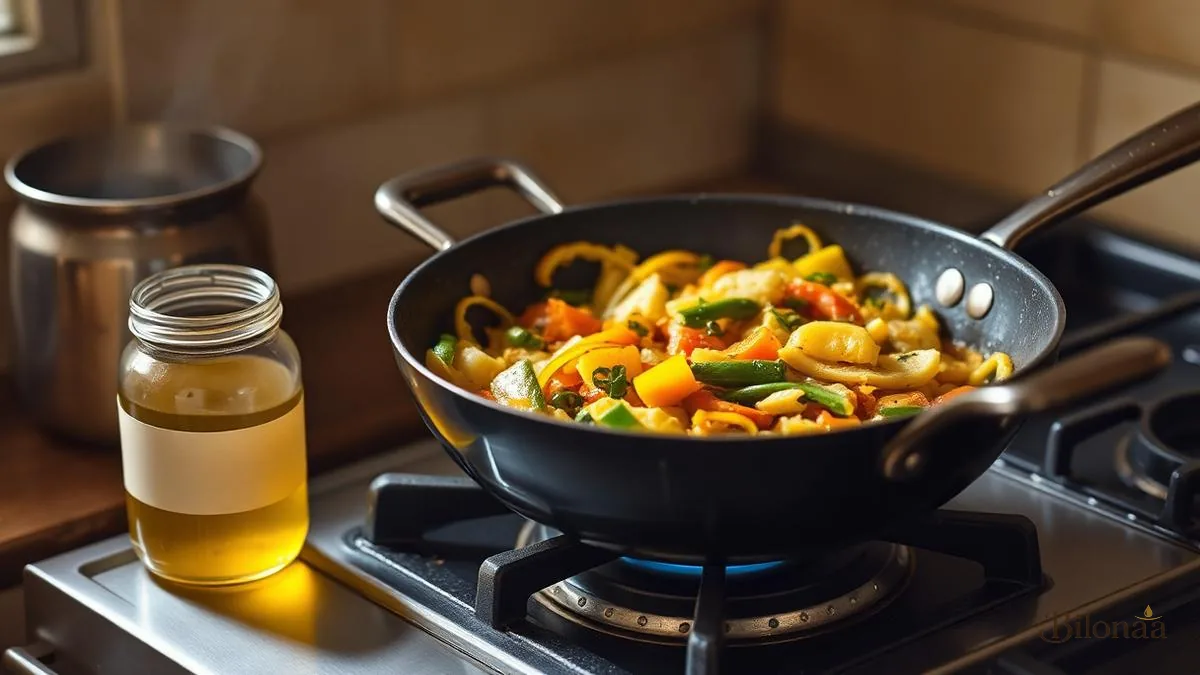
Considering the ideal smoke point for ghee in Indian cooking is essential for culinary applications. Ghee boasts a high smoke point, typically ranging from 232°C to 250°C (450°F to 482°F), making it an excellent choice for high-heat cooking methods such as sautéing, frying, and tempering spices (tadka). This high tolerance to heat ensures that the ghee does not break down easily, preventing the formation of harmful compounds and preserving its nutritional integrity and flavour during the cooking process.
Exploring specific Indian dishes that truly shine with quality ghee demonstrates its versatility and indispensable nature in the cuisine. From tempering dals and curries to frying puris and samosas, or even drizzling over warm rotis and rice, ghee imparts a distinctive nutty aroma and rich flavour that cannot be replicated. Dishes like Biryani, Halwa, and various sweets heavily rely on the depth and texture that only genuine ghee can provide, elevating them from good to truly exceptional.
Understanding the factors differentiating Bilona ghee from regular ghee production is key to appreciating its value. The Bilona method's unique use of curd from whole milk ensures a slower, more complete separation of butterfat, leading to a product that is denser in nutrients and has a more complex flavour profile. Regular industrial ghee, often made from cream, tends to be more homogenous, lacking the subtle complexities and granular texture that artisanal Bilona ghee is celebrated for.
Addressing common myths about ghee helps clarify misconceptions and promotes a more informed usage. One prevalent myth is that ghee contributes to weight gain, yet when consumed in moderation as part of a balanced diet, it can aid in satiety and nutrient absorption. Another misconception suggests ghee is unhealthy due to its saturated fat content, but its specific fatty acid composition, particularly beneficial short-chain fatty acids like butyrate, offers significant health advantages, debunking this oversimplification.
Identifying who benefits most from A2 Bilona ghee highlights its broad appeal, especially for those with specific health goals or dietary preferences. Individuals seeking to improve digestion, boost immunity, or enrich their diet with nutrient-dense foods often find A2 Bilona ghee particularly beneficial. It is highly valued by those following Ayurvedic principles, active individuals, and anyone desiring to incorporate a natural, wholesome fat source into their daily routine for enhanced vitality and well-being.
Recognizing instances where one might need to exercise caution with ghee consumption is equally important. While generally beneficial, individuals with specific health conditions, such as severe liver disorders or very high cholesterol levels, should always consult a healthcare professional before significantly increasing their ghee intake. Moderation remains key, as with any fat, and listening to one's body is crucial to ascertain the optimal amount that suits individual health needs and dietary requirements.
Learning key tips for buying the best ghee ensures you select a high-quality product that delivers on its promises. Look for labels that explicitly state 'A2 Desi Cow Ghee' and 'Bilona Method' to confirm its authenticity and superior production process. Genuine ghee will often have a granular texture, a rich yellow colour, and a distinct, comforting aroma. Prioritize brands that provide transparency about their sourcing, such as Bilonaa, which ensures pure, unadulterated ghee from indigenous Bikaner cows.
Properly storing ghee is vital to maintain its freshness, flavour, and nutritional integrity over time. Ghee should be kept in an airtight container in a cool, dark place away from direct sunlight and moisture. Refrigeration is not typically necessary for pure ghee unless you live in a very hot and humid climate or wish to extend its shelf life further. When stored correctly, high-quality ghee can last for several months, often even longer, without turning rancid.
Considering the Bilonaa difference offers a clear choice for those seeking authenticity and purity in their ghee. Bilonaa prides itself on sourcing milk exclusively from select indigenous A2 desi cows in Bikaner, Rajasthan, and adhering strictly to the traditional Bilona churning process. This dedication ensures that every jar of Bilonaa ghee is not just a cooking ingredient, but a product steeped in tradition, offering the true essence of healthy, flavourful Indian culinary heritage, free from any 'milawat' (adulteration).
Incorporating A2 Bilona ghee into your daily diet goes beyond mere cooking; it's about embracing a lifestyle of health and tradition. Its versatility means it can be used in myriad ways: a spoonful stirred into your morning coffee or tea for sustained energy, spread on toast, or as a finishing touch to soups and stews. This simple addition can significantly enhance both the palatability and the nutritional value of your meals, contributing to overall wellness.
Exploring the broader benefits beyond cooking reinforces the holistic value of A2 Bilona ghee. Traditionally, it is used in Ayurvedic practices for oil pulling, nasal drops (Nasya), and as a base for medicinal preparations, owing to its deeply nourishing and therapeutic properties. It's truly a 'rasayana' – a rejuvenator – for the body and mind, testifying to its profound impact that extends far beyond the kitchen, touching upon various aspects of well-being. Ultimately, opting for A2 Bilona ghee isn't merely a choice for cooking; it's an investment in a tradition of health and authentic flavour, promising a richer culinary experience and contributing positively to your long-term health.
"Opting for A2 Bilona ghee isn't merely a choice for cooking; it's an investment in a tradition of health and authentic flavour."
Bilonaa Promise
Small-batch, A2 desi-cow, traditional bilona ghee — straight to your kitchen.
100% pure, hand-churned, slow-cooked on a wood fire and packed in glass jars.
FAQs
Quick answers
What is the primary difference between A2 ghee and regular ghee?
A2 ghee is made from the milk of indigenous cows producing only A2 beta-casein protein, often considered easier to digest. Regular ghee may come from A1 milk, which has a different protein, or from a mix of cow breeds, and is usually processed industrially from cream.
Why is Bilona ghee considered superior for Indian cooking?
Bilona ghee is prepared using a traditional hand-churning method from whole milk curd, which is believed to preserve more nutrients, beneficial fatty acids, and its unique, rich flavour and granular texture, making it ideal for authentic Indian dishes.
Does ghee help with digestion or gut health?
Ayurveda traditionally suggests ghee, particularly A2 Bilona ghee, aids digestion and supports gut health due to its butyric acid content, which nourishes gut cells. Studies also indicate its potential benefits for intestinal lining integrity when consumed in moderation.
Can ghee be used for high-heat cooking like frying?
Yes, ghee has a high smoke point (232-250°C or 450-482°F), making it an excellent and stable choice for high-heat cooking methods such as frying, sautéing, and tempering spices, without breaking down or producing harmful compounds.
How can I identify authentic A2 Bilona ghee?
Look for explicit mentions of 'A2 Desi Cow Ghee' and 'Bilona Method' on the label. Authentic ghee often has a granular texture, a rich yellow colour, and a distinct nutty aroma. Transparency in sourcing, like Bilonaa's, is also a good indicator of purity.
Is A2 Bilona ghee suitable for everyone?
While generally beneficial for most, individuals with severe liver conditions or very high cholesterol should consult a healthcare professional. For most others, it's a nutrient-dense fat, but moderation is always key in any diet.
Educational content only — please consult a doctor for medical conditions.
Get gentle ghee notes in your inbox
One thoughtful Ayurveda + kitchen note a week. No spam. Unsubscribe anytime.
Conversation(0)
Share a thought — every comment is read before it appears.