Buyer Guide
Best Ghee for Pooja and Prasad: Why Purity Matters
On this page
- Choosing the best ghee for Pooja and Prasad is a decision ro
- The historical and spiritual importance of ghee in Hindu rit
- Understanding what constitutes pure desi ghee is crucial, es
- The traditional Bilona churning method is the gold standard
- Industrial ghee production, on the other hand, typically inv
- Why A2 milk is preferred for spiritual practices lies in its
- The purity of ghee for Pooja is not merely about hygiene but
- Selecting ghee from grass-fed cows, like those nurtured for
Choosing the best ghee for Pooja and Prasad is a decision rooted in deep cultural and spiritual significance, extending far beyond culinary considerations. In Indian traditions, ghee is not just clarified butter; it is considered a sacred substance, symbolising purity, prosperity, and auspiciousness, making its quality paramount for religious ceremonies and offerings.
The historical and spiritual importance of ghee in Hindu rituals dates back millennia, as it is frequently mentioned in ancient Vedic texts as an essential component for yagyas (fire sacrifices) and daily worship. Our ancestors, the rishis and munis, understood ghee to be a sattvic food, one that promotes purity, harmony, and spiritual growth, making it indispensable for devotional practices.
Understanding what constitutes pure desi ghee is crucial, especially when selecting it for sacred purposes. True desi ghee is traditionally made from the milk of indigenous Indian cows (desi cows), specifically the A2 milk variant, which is considered superior due to its protein composition. The 'desi' aspect signifies its authentic Indian origin and traditional processing methods.
The traditional Bilona churning method is the gold standard for producing authentic desi ghee, distinguishing it significantly from modern, industrial methods. This age-old process involves churning curd (not cream) bi-directionally with a wooden churner (bilona), separating butter from buttermilk, and then slow-heating the butter over a low flame. This meticulous process ensures the ghee retains its natural nutrients, aroma, and spiritual essence.
Industrial ghee production, on the other hand, typically involves churning cream directly from milk at high speeds, often using machines and higher temperatures. While this method is more efficient for large-scale production, it can compromise the nutritional integrity and the subtle energies believed to be present in bilona ghee, making it less ideal for sacred applications like Pooja and Prasad.
Why A2 milk is preferred for spiritual practices lies in its traditional Ayurvedic understanding and modern scientific observations. A2 milk from indigenous cow breeds contains primarily A2 beta-casein protein, which Ayurveda traditionally believes to be more easily digestible and beneficial for overall well-being and spiritual clarity compared to the A1 protein found in milk from cross-bred or Western cows.
The purity of ghee for Pooja is not merely about hygiene but also about the energetic vibrations it carries, according to Vedic principles. Ghee derived from happy, healthy, and ethically treated desi cows and prepared with reverence and traditional methods is believed to imbue the offering with positive vibrations, enhancing the spiritual impact of the ritual.
Selecting ghee from grass-fed cows, like those nurtured for Bilonaa A2 Ghee, is an important criterion for purity and potency. Grass-fed cows, grazing freely on natural pastures, produce milk that is believed to be richer in beneficial nutrients, including Omega-3 fatty acids and fat-soluble vitamins, which in turn results in higher quality ghee, both nutritionally and spiritually.
For Prasad, the offering consumed by devotees after a Pooja, the quality of ghee is paramount as it represents the sanctity of the offering ingested. Pure, authentic ghee ensures that the prasad is not only wholesome and nourishing but also carries the blessings and purity intended by the ritual, fostering well-being among those who partake.
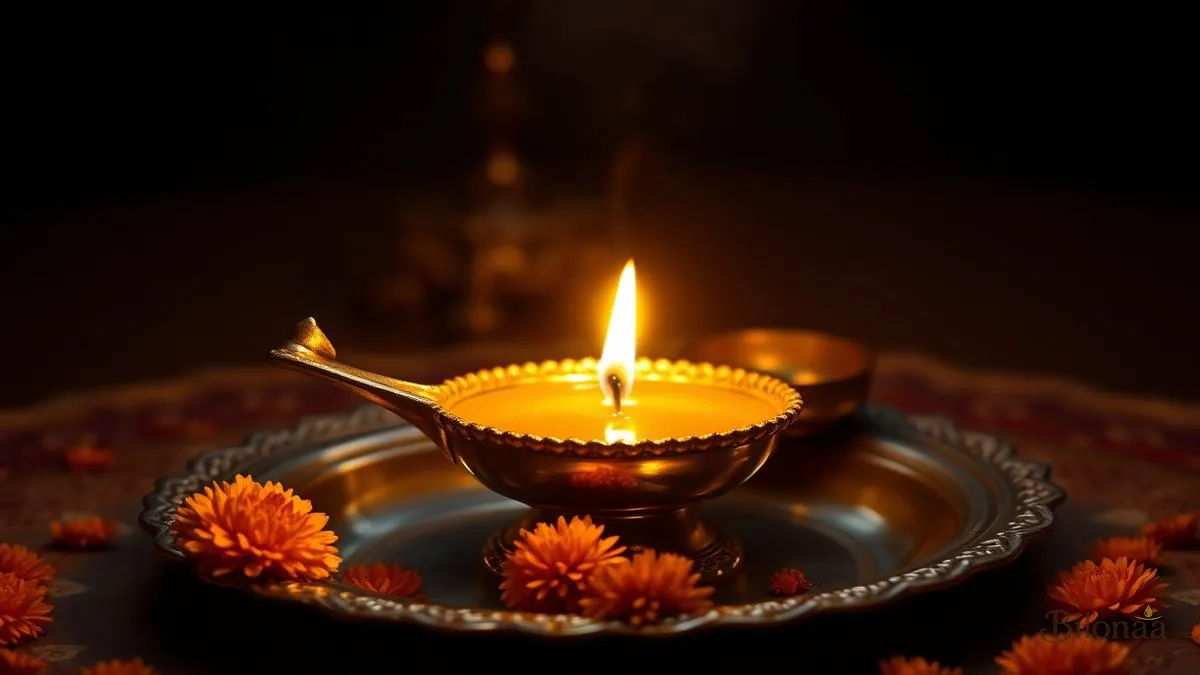
When using ghee for a cow ghee diya (lamp), its purity directly affects the lamp's ability to purify the atmosphere and illuminate the sacred space. Pure desi ghee burns steadily, emits a subtle, calming aroma, and is traditionally believed to attract positive energy and ward off negative influences, making it an essential element for an effective diya.
Ayurveda strongly endorses pure A2 Desi Ghee for its numerous benefits, both for consumption and spiritual practices. It is considered a 'rasayana' or rejuvenator, nourishing all body tissues, improving digestion, enhancing memory, and promoting overall vitality. From an Ayurvedic perspective, pure ghee enhances ojas (vitality) and tejas (lustre), contributing to spiritual clarity and peace.
Identifying high-quality, pure ghee involves looking for specific markers beyond just brand name. Genuine bilona A2 ghee typically has a granular texture, a rich, nutty aroma, and a golden-yellow colour that deepens with age. It should solidify at room temperature in cooler climates and melt readily into a clear liquid when heated, without any residue.
Beware of 'milawat' or adulterated ghee, which is unfortunately prevalent in the market and entirely unsuitable for sacred purposes. Adulterated ghee might contain vegetable oils, hydrogenated fats, or artificial colours and fragrances, compromising its purity, nutritional value, and spiritual efficacy. Trust reputable sources that provide transparency about their manufacturing process.
Reading labels carefully is your first line of defence against inferior quality ghee. Look for certifications that confirm 'A2 milk,' 'grass-fed,' and 'bilona method' or 'hand-churned.' Brands that specify their ghee is from native Indian cow breeds, like Gir or Sahiwal, indicate a commitment to authenticity and purity.
Choosing Bilonaa's A2 Desi Ghee offers you the assurance of purity and tradition for your Pooja and Prasad needs. Sourced from indigenous Bikaner cows grazing freely, our ghee is meticulously prepared using the ancient Bilona method, ensuring every spoonful and every drop for your diya embodies the essence of purity and spiritual devotion.
Storing your sacred ghee properly is essential to maintain its purity, flavour, and spiritual attributes over time. Always store ghee in an airtight, dark glass jar in a cool, dry place away from direct sunlight and strong odours. This prevents oxidation and rancidity, ensuring it remains pristine for your offerings.
Integrating pure desi ghee into daily spiritual and wellness practices extends beyond just Pooja and Prasad; it can enhance overall well-being. Consuming a small amount daily is traditionally believed to aid digestion, lubricate joints, and nurture the mind, contributing to a sattvic lifestyle that aligns with spiritual growth and mindfulness.
Addressing common myths about ghee helps clarify its true nature and benefits. For instance, the myth that ghee is unhealthy or fattening ignores its rich content of beneficial fats, vitamins, and its traditional role in Ayurveda as a healing food. Pure desi ghee, consumed in moderation, is a cornerstone of a balanced and healthy lifestyle according to ancient wisdom.
Comparing traditionally made A2 Bilona Ghee with other fats highlights its unique position. Unlike refined oils or butter, bilona ghee has a high smoke point, making it suitable for cooking without producing harmful free radicals, and its complex flavour profile is unmatched. For spiritual use, its unparalleled purity and traditional significance set it apart.
Ultimately, the best ghee for Pooja and Prasad is one that resonates with purity, tradition, and reverence. It is a product of ethical sourcing, mindful preparation, and a deep understanding of its sacred role. When you choose such ghee, you are not just selecting an ingredient; you are honouring a timeless tradition and enriching your spiritual practice.
Before concluding, consider that the intention behind your offering is as important as the offering itself. When pure ghee is offered with a heart full of devotion and respect, it is believed to amplify the spiritual energy and blessings, making the ritual profoundly impactful for both the practitioner and the divine.
"For Pooja and Prasad, ghee isn't merely an ingredient; it's a conduit for devotion, a symbol of purity, and an offering that connects the earthly with the divine."
Bilonaa Promise
Small-batch, A2 desi-cow, traditional bilona ghee — straight to your kitchen.
100% pure, hand-churned, slow-cooked on a wood fire and packed in glass jars.
FAQs
Quick answers
Why is pure ghee specifically chosen for Pooja and Prasad rituals?
Pure ghee is chosen for Pooja and Prasad because it symbolises purity, prosperity, and auspiciousness in Hindu traditions. It is believed to be a sattvic substance that purifies the environment, elevates spiritual vibrations, and acts as a sacred offering that connects devotees to the divine, enhancing the efficacy of rituals.
What is the difference between 'desi ghee' and regular store-bought ghee?
Desi ghee refers to ghee made from the milk of indigenous Indian cows, often using traditional methods like Bilona churning. Regular store-bought ghee might be made from cream, often from non-desi cows, and using industrial processes which can affect its nutritional profile and spiritual purity, making desi ghee superior for sacred uses.
How does the Bilona method of ghee making affect its suitability for Pooja?
The Bilona method involves churning curd to extract butter, then slow-heating it, preserving the ghee's natural nutrients and subtle energies. This gentle, traditional process is believed to imbue the ghee with higher spiritual purity and positive vibrations, making it ideal for sacred offerings in Pooja, unlike commercially processed ghee.
Can I use any cow ghee for making a diya for Pooja?
While any cow ghee can technically burn, selecting pure A2 desi cow ghee made by the Bilona method is highly recommended for a diya. Such ghee is believed to burn cleaner, emit a more sacred aroma, and attract positive energies, enhancing the spiritual atmosphere of your Pooja and the purification aspect of the lamp.
How can I identify pure ghee suitable for spiritual offerings?
To identify pure ghee for spiritual offerings, look for a granular texture, a rich, nutty aroma, and a golden-yellow colour. It should primarily be from A2 milk of indigenous Indian cows, produced via the Bilona method. Check labels for 'A2,' 'grass-fed,' and 'hand-churned' as indicators of authenticity and purity.
What are the common contaminants or adulterants to avoid when buying ghee for Pooja?
When buying ghee for Pooja, avoid products containing vegetable oils, hydrogenated fats, artificial colours, or synthetic fragrances. These adulterants compromise the ghee's purity, nutritional value, and spiritual efficacy, rendering it unsuitable for sacred rituals and offerings. Always choose trusted brands with transparent sourcing.
Educational content only — please consult a doctor for medical conditions.
Get gentle ghee notes in your inbox
One thoughtful Ayurveda + kitchen note a week. No spam. Unsubscribe anytime.
Conversation(0)
Share a thought — every comment is read before it appears.