
Bilonaa Method
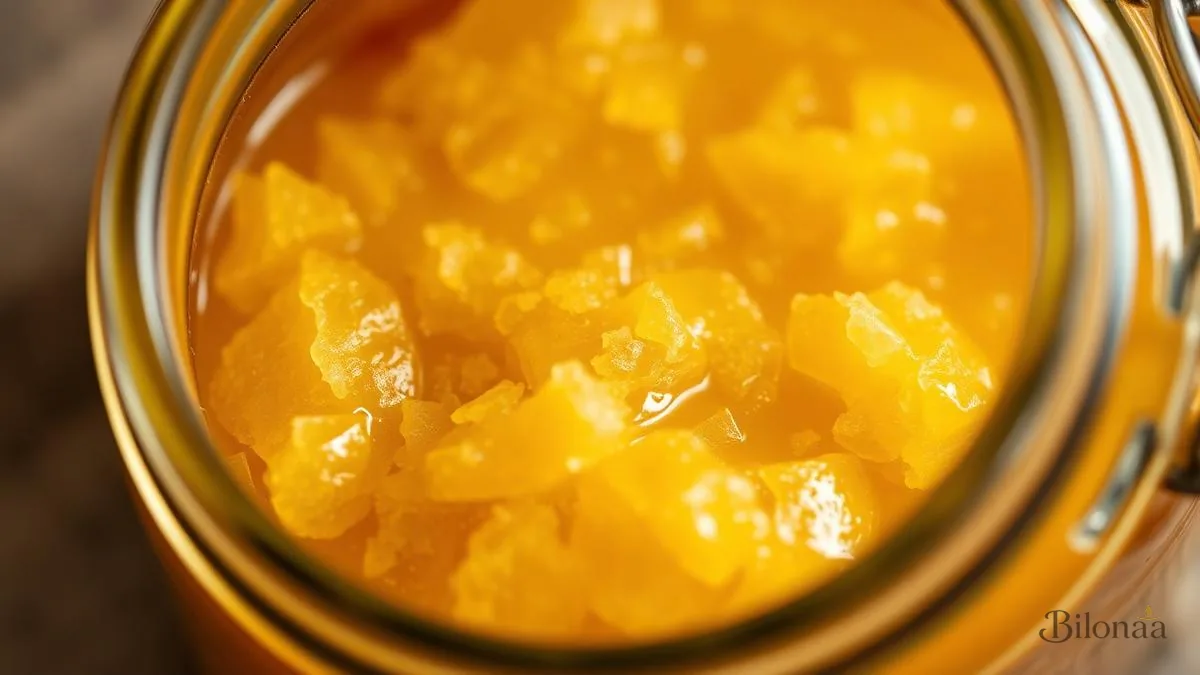
Bilonaa Ghee Texture, Graininess and Color: Signs of Real Quality
On this page
- Understanding what constitutes authentic bilona ghee quality
- Deciphering the texture of bilona ghee is fundamentally link
- The inherent graininess in traditional bilona ghee is widely
- Observing the colour of bilona ghee provides a direct window
- Comparing the colour spectrum of bilona ghee to industrial v
- The traditional Bilona method, an ancient Indian technique o
- Ayurveda profoundly values the specific sensory attributes o
- Modern nutritional science sheds light on why these traditio
Understanding what constitutes authentic bilona ghee quality begins with appreciating its natural attributes, which are direct reflections of traditional methods and the source of milk. Unlike industrially produced ghee, which aims for a uniform, often bland consistency, true bilona ghee embraces delightful variations, each telling a story of handcrafted care and pure ingredients. These characteristics are not mere aesthetics but crucial indicators of the nutritional integrity and authentic bilona process, ensuring you receive the full spectrum of benefits our ancestors cherished for centuries.
Deciphering the texture of bilona ghee is fundamentally linked to the cow's diet, the season of production, and even the nuances of the churning process. A truly authentic bilona ghee will typically exhibit a slightly grainy or granular texture, particularly when stored at cooler room temperatures or during colder months, which is a highly prized sign of its purity. This granular quality is often attributed to the crystallisation of unique fatty acids present in healthy, grass-fed A2 cow's milk, showcasing that the ghee has not been over-processed or adulterated with vegetable oils, which would result in a consistently smooth, often waxy, texture.
The inherent graininess in traditional bilona ghee is widely considered a hallmark of its quality and a testament to the unhurried, natural crystallization of fats. This granular structure occurs due to a specific ratio of saturated and unsaturated fats, alongside the natural phospholipids and protein fractions from the butter, which are carefully preserved during the bilona method's slow, low-heat clarification. It signifies that the ghee has been prepared from pure butter, rather than shortcuts that might compromise its molecular structure. Many connoisseurs actively seek out this grainy texture as a primary indicator of genuine, unadulterated ghee.
Observing the colour of bilona ghee provides a direct window into the diet and breed of the desi cow, as well as the meticulous care taken during its preparation. Authentic A2 desi cow's ghee, especially from cows grazing on nutritious green pastures, typically boasts a light to deep golden-yellow hue, attributable to beta-carotene. This natural pigment, precursor to Vitamin A, is absorbed by the cow from green fodder and concentered in its milk fat. Variations in colour, from pale yellow to rich gold, are natural and reflect seasonal changes in fodder, offering an honest insight into the ecological harmony of its origin.
Comparing the colour spectrum of bilona ghee to industrial varieties highlights a stark difference, as commercially produced ghees often lack the vibrancy and natural depth found in authentic products. Industrial processes sometimes use bleaching agents or even artificial colours to achieve a uniform appeal, masking the natural variations that indicate genuine quality. A consistently pale or unnaturally bright yellow ghee, especially one that lacks any hint of natural depth, might suggest a departure from traditional, ethical sourcing and processing methods. The natural golden hue of bilona ghee is a testament to its unadulterated nature.
The traditional Bilona method, an ancient Indian technique of making ghee, is paramount in preserving these desirable textural and colour characteristics. This arduous process involves churning curdled milk (dahi) with a wooden churner (bilona) to separate butter, which is then slow-cooked over a mild flame. This traditional artisanal method prevents scorching or overcooking, which can damage delicate fatty acids and alter the ghee's natural composition and colour. It's this slow, deliberate process that allows the milk solids to gently separate and the butterfat to clarify beautifully, retaining its inherent qualities.
Ayurveda profoundly values the specific sensory attributes of ghee, considering them direct indicators of its healing efficacy and 'prana' or life force. A grainy texture is traditionally believed to enhance the digestibility and assimilation of ghee's nutrients, allowing it to penetrate deeper into the bodily tissues (dhatus). The golden colour is often associated with Surya (Sun) energy, signifying vitality and warmth, and is indicative of its richness in fat-soluble vitamins integral to overall well-being. These characteristics are not merely aesthetic; they are seen as manifestations of ghee's medicinal properties.
Modern nutritional science sheds light on why these traditional indicators of bilona ghee quality hold true, especially concerning its fatty acid profile. The unique composition of A2 cow's milk, particularly its higher proportion of short-chain fatty acids like butyric acid and medium-chain triglycerides (MCTs), contributes to the characteristic graininess and contributes to its high smoke point and digestive benefits. The presence of these beneficial fatty acids is crucial for gut health and provides readily available energy, making it a superior choice for both culinary and therapeutic applications.
Seasonal variations play a significant role in influencing the texture and colour of bilona ghee, making it a truly living product that reflects its natural environment. Ghee produced during cooler months might exhibit a firmer, more pronounced granular texture due to the slower crystallization of fats at lower temperatures. Conversely, ghee made in warmer seasons might appear slightly softer or have a finer grain. Similarly, cows grazing on lush green pastures provide milk with higher beta-carotene levels in spring and monsoon, leading to a richer golden hue in the ghee, a beautiful reflection of nature's rhythm.
Identifying adulterated ghee requires a keen eye and appreciation for the natural inconsistencies found in genuine products. An unnaturally uniform, smooth, or waxy texture, often coupled with an overly pale or artificially bright colour, can be red flags for adulteration. Adulterants like vegetable oil, hydrogenated fats, or even animal fats other than cow's ghee will significantly alter these natural indicators. Pure bilona ghee will also have a distinctly rich, nutty aroma, which is difficult to replicate with inferior ingredients or methods. Be wary of products that are 'too perfect' in appearance, as purity often comes with natural variability.
The melting point of bilona ghee provides another subtle clue to its authenticity and quality, distinguishing it from inferior alternatives. Pure bilona ghee, rich in saturated fats, typically has a melting point between 32-35°C, meaning it will remain semi-solid at room temperature in cooler climates and melt into a clear liquid above this temperature. Unlike hydrogenated vegetable fats which can have higher, more stable melting points, the natural melting behaviour of bilona ghee confirms its unadulterated composition and the integrity of its fatty acids, flowing smoothly as it warms.
Proper storage techniques are crucial for maintaining the desired texture, graininess, and vibrant colour of your bilona ghee over time. Ghee should always be stored in an airtight container away from direct sunlight and moisture to prevent oxidation and rancidity. While refrigeration can make ghee very firm and intensely granular, it's generally not necessary unless in very hot and humid climates for extended periods. Storing it in a cool, dark pantry will help preserve its beautiful golden hue and allow the natural graininess to develop optimally, ensuring its traditional characteristics endure.
When selecting bilona ghee, always look for transparency in sourcing and production methods, which directly influence its quality as indicated by texture, graininess, and colour. Reputable brands like Bilonaa, which commit to traditional Bilona methods and A2 desi cow's milk from specific regions like Bikaner, will often highlight these details. Certifications for organic or A2 standards also add an extra layer of assurance. A brand that prides itself on showcasing the natural variations in its ghee's appearance is almost always a sign of genuine commitment to quality and purity, eschewing artificial uniformity for real goodness.
Incorporating ghee into your daily diet in ways that highlight its natural richness is simple and rewarding. Its high smoke point makes it ideal for sautéing, frying, and roasting, imparting a wonderfully rich, nutty flavour without burning. A spoonful of ghee melted over warm dal, rice, or roti not only enhances taste but also aids in nutrient absorption and digestion. Its deeply nourishing qualities, evident in its texture and colour, make it a versatile and beneficial addition to both savoury and sweet dishes, elevating everyday meals into healthful feasts.
Dispelling common myths about ghee is essential, particularly the misconception that smooth, homogenous ghee is superior. This smoothness is often a characteristic of machine-processed ghee or products with adulterants. The grainy, slightly variable texture of bilona ghee is precisely what indicates its purity and the presence of healthy, traditionally cherished fatty acids. Similarly, an overly pale ghee is not necessarily 'purer'; rather, a rich golden hue signals the beneficial beta-carotene content from grass-fed cows. Embrace the natural imperfections, as they are often signs of perfection in the world of true ghee.
The Bilonaa commitment to authenticity ensures that every jar of our A2 desi-cow bilona ghee from Bikaner embodies these quality indicators, reflecting our dedication to traditional methods and superior sourcing. We take pride in the natural graininess and beautiful golden colour of our ghee, knowing that these attributes are not merely aesthetic but are profound testaments to the purity of our A2 milk and the meticulous bilona churning process. We believe these visible signs of quality offer a genuine connection to tradition and a truly wholesome product for your family.
For those seeking the pinnacle of digestive health and nutritional benefits, understanding these physical attributes of bilona ghee is paramount. The unique combination of texture, grain, and colour not only confirms its purity but also speaks to its profound ability to support bodily functions and enhance overall vitality. When you choose ghee with these specific characteristics, you're not just picking a cooking fat; you're investing in a centuries-old tradition of health and wellness, ensuring that every spoonful offers maximum benefit.
Ultimately, the journey to discerning high-quality bilona ghee is a sensory one, where visual and tactile cues become trusted guides in a market often flooded with imitations. By paying close attention to its texture, graininess, and colour, you empower yourself to make informed choices that align with traditional wisdom and modern nutritional insights. Cherish the natural variations, for they are the true signs of purity, authenticity, and the unparalleled goodness of bilona ghee.
"The true story of ghee purity is often told in its subtle visual and tactile details, a legacy of ancient wisdom in every golden drop."
Bilonaa Promise
Small-batch, A2 desi-cow, traditional bilona ghee — straight to your kitchen.
100% pure, hand-churned, slow-cooked on a wood fire and packed in glass jars.
FAQs
Quick answers
What does a grainy texture in ghee indicate?
A grainy texture in bilona ghee is a prized sign of its purity and authenticity, often due to the slow, natural crystallization of specific fatty acids from pure A2 cow's milk. It indicates the ghee has been traditionally prepared from butter and not industrially over-processed or adulterated.
Is overly smooth ghee a sign of poor quality?
While not always poor quality, an unnaturally smooth, uniformly waxy texture can be a red flag. It might indicate industrial processing that removes natural crystallisation or, worse, adulteration with cheaper vegetable oils or hydrogenated fats, which lack the complex fatty acid profile of pure ghee.
Why is the colour of bilona ghee important?
The golden-yellow colour of bilona ghee is a natural indicator of beta-carotene, a precursor to Vitamin A, which is abundant in the milk of grass-fed A2 desi cows. A vibrant, natural golden hue signifies healthy cows and proper, traditional processing, hinting at rich nutritional content.
Can ghee colour vary naturally?
Yes, the colour of bilona ghee can vary from light yellow to deep gold depending on the cow's diet (seasonal pasture changes), breed, and the region it's from. These natural variations are normal and are welcomed indicators of an unadulterated product rooted in its environment.
How does the bilona method affect ghee texture and colour?
The Bilona method's slow, low-heat processing from curd-churned butter preserves the delicate fatty acids and beta-carotene, allowing for the natural granular texture and golden colour to develop. It minimises damage from high heat, ensuring the ghee retains its pure characteristics.
How can I tell if my ghee is pure based on these factors?
Look for a distinct, natural golden-yellow color (not artificially pale or bright), a slightly grainy or granular texture (especially in cooler temperatures), and a rich, nutty aroma. Consistent uniformity often indicates industrial processing or adulteration; natural variations are key to purity.
Educational content only — please consult a doctor for medical conditions.
Get gentle ghee notes in your inbox
One thoughtful Ayurveda + kitchen note a week. No spam. Unsubscribe anytime.
Conversation(0)
Share a thought — every comment is read before it appears.