Bilonaa Method
Bilonaa Ghee vs Clarified Butter: Indian Tradition vs Western Method
On this page
- Understanding the essential difference between Bilonaa Ghee
- The historical reverence for ghee in India, particularly A2
- Delving into the scientific distinctions, Bilonaa Ghee uniqu
- Ayurveda's perspective on Bilonaa Ghee champions it as a sup
- The preparation method of Bilonaa Ghee is painstakingly trad
- Sourcing of milk plays a critical role in the quality of Bil
- Cultured ghee, a contemporary term, closely aligns with the
- When it comes to cooking, Bilonaa Ghee boasts a high smoke p
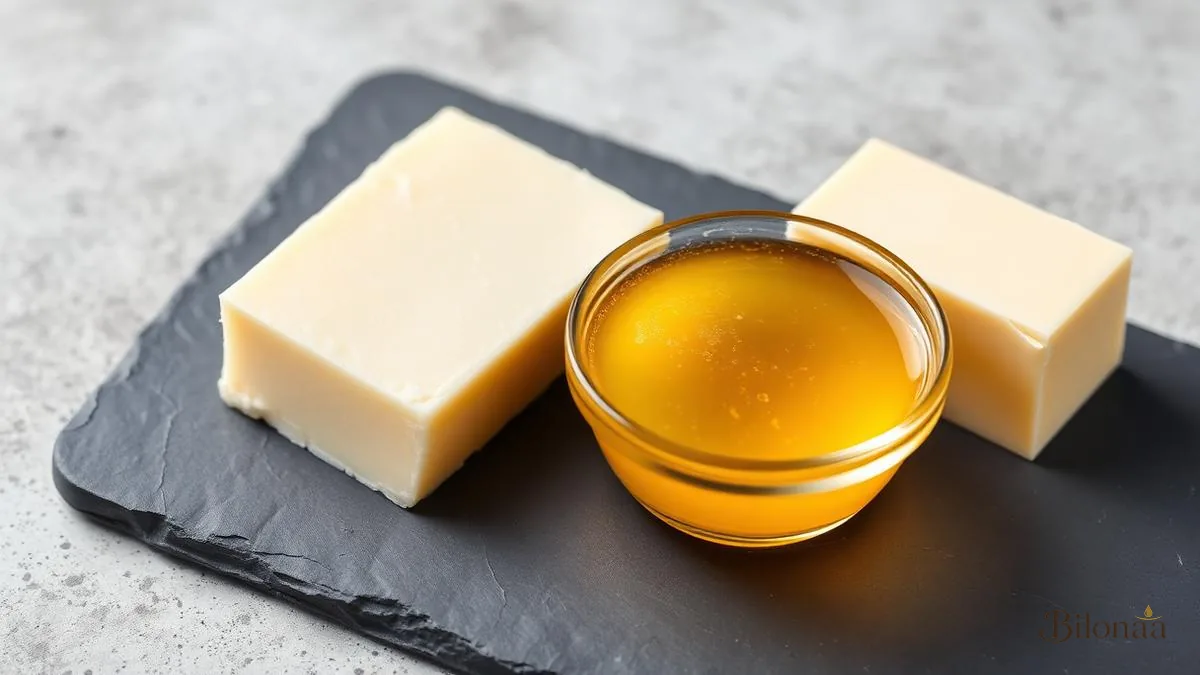
Understanding the essential difference between Bilonaa Ghee and clarified butter begins with their very creation. While both are milk-fat products, clarified butter is typically made by heating butter to separate milk solids and water, leaving behind pure butterfat. Bilonaa Ghee, on the other hand, follows a traditional, multi-step process involving curdling milk, churning butter from curd, and then slow-cooking this butter—a method that deeply roots it in ancient Indian wisdom and gives it unique properties.
The historical reverence for ghee in India, particularly A2 desi cow ghee, extends back thousands of years, far beyond a simple food item. Ayurveda, the ancient Indian system of medicine, considers ghee a vital rasayana (rejuvenator) and a key ingredient for health and longevity. This traditional Bilona method has been passed down through generations, often referred to fondly as 'dadi-nani ke nuskhe' (grandmother's remedies), highlighting its cultural significance and time-tested efficacy in every Indian home.
Delving into the scientific distinctions, Bilonaa Ghee uniquely benefits from the lactic acid fermentation that occurs during the curdling process. This fermentation breaks down dairy proteins and sugars, potentially making it easier to digest for some individuals sensitive to lactose and casein than standard clarified butter which skips this crucial step. Additionally, the specific 'A2' protein found in milk from indigenous Indian cows, used for Bilonaa Ghee, is a key component differentiating it from ghee made with A1 milk, and its benefits are increasingly being studied globally.
Ayurveda's perspective on Bilonaa Ghee champions it as a supreme food, emphasizing its ability to enhance Ojas (vitality), improve digestion (Agni), and balance the three doshas (Vata, Pitta, Kapha). It is believed to nourish all bodily tissues, lubricate joints, improve memory, and even act as a carrier for herbs, helping them penetrate deeper into the tissues. Clarified butter, while healthy, does not receive the same profound Ayurvedic accolades due to its simpler processing and often different milk source.
The preparation method of Bilonaa Ghee is painstakingly traditional, involving specific steps that contribute to its unique flavour profile and nutritional value. Whole A2 desi cow milk is first boiled and cooled, then inoculated with a starter culture to make curd. This curd is then hand-churned in a 'bilona' (a wooden churner) to extract butter, which is then slow-cooked over a low flame. This contrasts sharply with most clarified butter production, which typically starts directly with cream or butter and involves a less labour-intensive, often industrial, process.
Sourcing of milk plays a critical role in the quality of Bilonaa Ghee, specifically the use of A2 milk from indigenous Indian cows. These cows, known for their humps and specific genetic makeup, produce milk with the A2 beta-casein protein, which studies indicate may be easier to digest and less inflammatory for some individuals compared to the A1 protein found in many Western dairy breeds. Clarified butter often uses readily available A1 milk, overlooking this subtle yet significant distinction.
Cultured ghee, a contemporary term, closely aligns with the Bilonaa method as it also involves the fermentation of milk into curd before churning. This fermentation not only aids in digestion but also imparts a richer, more complex flavour and aroma profile compared to clarified butter. The slight tang and nutty notes of Bilonaa Ghee are a direct result of this microbial transformation, elevating it beyond a simple cooking fat to a gourmet ingredient.
When it comes to cooking, Bilonaa Ghee boasts a high smoke point (around 250°C / 482°F), making it an excellent choice for high-heat cooking methods like sautéing, stir-frying, and deep-frying, without fear of oxidation. Its unique flavour also enhances the taste of various dishes, from tempering dals to making traditional sweets. Clarified butter also has a high smoke point, but its flavour profile is generally milder and less complex, making it a more neutral fat.
Incorporating Bilonaa Ghee into your daily diet is simple and highly beneficial. A spoonful in your morning tea or coffee, drizzled over warm chapatis or rice, or used as a primary cooking fat, can add a nutritional boost and rich flavour. It's also traditionally used for oil pulling and as a skin moisturiser, demonstrating its versatility beyond the culinary realm. For a truly authentic experience, Bilonaa Ghee remains unparalleled in its traditional applications.
Regarding nutritional composition, both Bilonaa Ghee and clarified butter are rich in healthy fats, including saturated and monounsaturated fats, and are good sources of fat-soluble vitamins A, D, E, and K. However, due to the traditional processing, particularly the use of A2 milk and the curdling step, Bilonaa Ghee is traditionally believed to contain a more beneficial fatty acid profile and be more bioavailable. It also contains conjugated linoleic acid (CLA) and butyric acid, known for their potential health benefits.
The discerning palate can easily differentiate Bilonaa Ghee from standard clarified butter through taste and aroma. Bilonaa Ghee possesses a deeper, richer, nuttier, and often slightly sweet and tangy flavour with a distinct, comforting aroma, a result of the slow-cooking and fermentation. Clarified butter, while flavourful, generally has a simpler, more uniform buttery taste without the complex undertones that characterise Bilonaa's traditional preparation.
While clarified butter is a suitable fat for many culinary uses and generally considered healthier than highly processed vegetable oils, it often lacks the holistic health benefits and cultural significance attributed to Bilonaa Ghee in Ayurvedic tradition. The specific enzymatic changes and microbial activity during the curdling process of Bilonaa Ghee are key differentiators, infusing it with properties that modern clarified butter production methods simply don't replicate.
Common myths surrounding ghee, such as it being 'unhealthy due to saturated fat,' are gradually being debunked by modern research that highlights the importance of healthy fats for overall well-being. Both Bilonaa Ghee and clarified butter, consumed in moderation, are beneficial. However, the unique traditional process and A2 milk source of Bilonaa Ghee address concerns about certain milk proteins and digestive issues more comprehensively than standard dairy products.
Identifying genuine Bilonaa Ghee requires attention to detail on the label and understanding the traditional process. Look for terms like 'A2 Desi Cow Ghee,' 'Bilona method,' or 'hand-churned.' A premium brand like Bilonaa, which sources milk from indigenous cows and adheres strictly to traditional Bilona churning, guarantees authenticity. Be wary of products simply labelled 'clarified butter' if you are seeking the specific benefits of traditional Indian ghee.
The shelf life of both Bilonaa Ghee and clarified butter is impressively long due to the removal of water and milk solids, which typically cause spoilage. When stored in an airtight container in a cool, dark place, away from direct sunlight, both can last for many months, even years, without refrigeration. This makes them excellent pantry staples, always ready to lend flavour and nutrition to your meals.
Comparing these two golden fats, Bilonaa Ghee stands out for those seeking authenticity, traditional Ayurvedic benefits, and a richer flavour profile. While clarified butter is a pure fat with a high smoke point, Bilonaa Ghee offers a deeper connection to ancient Indian wisdom, superior digestive properties, and a more complex nutritional composition due to its specific processing and A2 milk source. For anyone valuing culinary heritage and holistic well-being, the choice is clear.
Who should consume Bilonaa Ghee? Individuals looking for a dairy product with potentially easier digestibility, those adhering to Ayurvedic principles, or anyone seeking a rich, nutrient-dense cooking fat will benefit. It is particularly valued by those who appreciate traditional food preparation methods and the distinct flavour profile it imparts. However, like all fats, moderation is key for everyone to enjoy its benefits without overconsumption.
To ensure you purchase authentic A2 Bilonaa Ghee, always verify the source and process description from reliable brands. Look for transparent information about the cows' breed (desi cows, not cross-bred), the method of curdling and churning (Bilona or hand-churned), and the purity. Bilonaa maintains these stringent standards, offering you a product that is true to its heritage and delivers genuine quality.
Embracing the Bilonaa difference means choosing a product crafted with care, tradition, and a deep understanding of its nutritional and cultural significance. It’s more than just a fat; it’s a legacy of health, flavour, and ancient Indian wisdom brought to your kitchen. When you opt for Bilonaa Ghee, you're not just buying a cooking ingredient; you're investing in a piece of India's rich culinary and wellness heritage.
"Bilonaa Ghee is not just a cooking fat; it is a vital part of India's culinary and spiritual heritage, imbued with the wisdom of generations."
Bilonaa Promise
Small-batch, A2 desi-cow, traditional bilona ghee — straight to your kitchen.
100% pure, hand-churned, slow-cooked on a wood fire and packed in glass jars.
FAQs
Quick answers
What is the primary difference between Bilonaa Ghee and clarified butter?
The main distinction lies in their preparation. Bilonaa Ghee involves fermenting milk into curd, then churning butter from the curd, and finally simmering it. Clarified butter is made directly by heating butter to separate milk solids and water, bypassing the curdling and churning steps, which alters its nutritional and flavour profile.
Is Bilonaa Ghee healthier than regular clarified butter?
Ayurveda traditionally suggests Bilonaa Ghee is superior due to its A2 desi cow milk source and the curdling process, which contributes to its unique fatty acid profile, higher butyric acid content, and easier digestibility for some. While clarified butter is healthy, Bilonaa Ghee offers additional traditional and potential digestive benefits.
Can people with lactose intolerance consume Bilonaa Ghee?
Yes, Bilonaa Ghee is generally considered suitable for individuals with lactose sensitivity. The traditional Bilona method, with its curdling step and slow-cooking, removes almost all lactose and casein, making it a low-lactose and low-casein dairy product, often tolerated by those who cannot consume other dairy forms.
How does A2 milk affect the quality of Bilonaa Ghee?
A2 milk, derived from indigenous Indian cows, contains only the A2 beta-casein protein, which some studies indicate may be easier to digest and less inflammatory than the A1 protein. Using A2 milk for Bilonaa Ghee enhances its traditional health benefits regarding digestion and overall well-being.
What is the shelf life and proper storage for Bilonaa Ghee?
Bilonaa Ghee has an impressive shelf life, typically lasting for 6-12 months, or even longer, when stored correctly. Keep it in an airtight container in a cool, dark pantry or cupboard, away from direct sunlight and moisture. Refrigeration is not usually required, as it is shelf-stable.
How can I incorporate Bilonaa Ghee into my daily diet?
Bilonaa Ghee is incredibly versatile. You can use it for cooking all your meals due to its high smoke point, drizzle a spoonful over your lentils (dal), rice, or vegetables for added flavour and nutrition. It's also excellent in smoothies, warm beverages, or for traditional Indian sweets.
Why is Bilonaa Ghee often more expensive than regular clarified butter?
The higher cost of Bilonaa Ghee reflects the meticulous and labour-intensive traditional Bilona method, which involves hand-churning from curd. The use of A2 milk from indigenous desi cows, who often produce less milk, also contributes to its premium pricing, ensuring quality and authenticity.
Educational content only — please consult a doctor for medical conditions.
Get gentle ghee notes in your inbox
One thoughtful Ayurveda + kitchen note a week. No spam. Unsubscribe anytime.
Conversation(0)
Share a thought — every comment is read before it appears.