Bilonaa Method
Is Bilonaa Ghee Better Than Cream-Separated Ghee?
On this page
- Understanding the distinction between bilona ghee and cream-
- Defining what A2 desi cow bilona ghee truly entails is the f
- Tracing the historical origins of ghee production reveals a
- Exploring the traditional Bilona method involves a meticulou
- Contrasting this with the cream-separated ghee process unvei
- Analyzing the scientific nutritional differences between the
- From an Ayurvedic perspective, the bilona method is unequivo
- Delving into the taste and aroma profiles shows a noticeable
Understanding the distinction between bilona ghee and cream-separated ghee is crucial for anyone seeking authentic, nutrient-rich dairy. While both result in clarified butter, their production methods, and consequently their nutritional profiles and taste, differ significantly, making one a superior choice for traditionalists and health enthusiasts alike. This article delves deep into these differences, highlighting why the Bilona tradition, particularly as practiced by brands like Bilonaa, creates a product revered in Ayurveda and modern nutrition.
Defining what A2 desi cow bilona ghee truly entails is the first step in appreciating its uniqueness. A2 refers to the type of beta-casein protein found in the milk of indigenous Indian cow breeds, which is considered easier to digest and less inflammatory for many individuals compared to A1 protein found in some Western breeds. 'Desi cow' signifies these native Indian breeds known for their hardy nature and high-quality milk. The 'bilona' method, an ancient, hand-churning process, ensures the milk's vital nutrients are preserved, setting it apart from industrial production.
Tracing the historical origins of ghee production reveals a deep-rooted connection to ancient Indian traditions, particularly Ayurveda. For millennia, ghee, or 'ghrita,' has been considered sacred and an essential component of diet, medicine, and spiritual rituals. The bilona method, passed down through generations, predates industrialization and mechanical processes, emphasizing a slow, mindful approach that respects the natural properties of milk, ensuring maximum purity and potency.
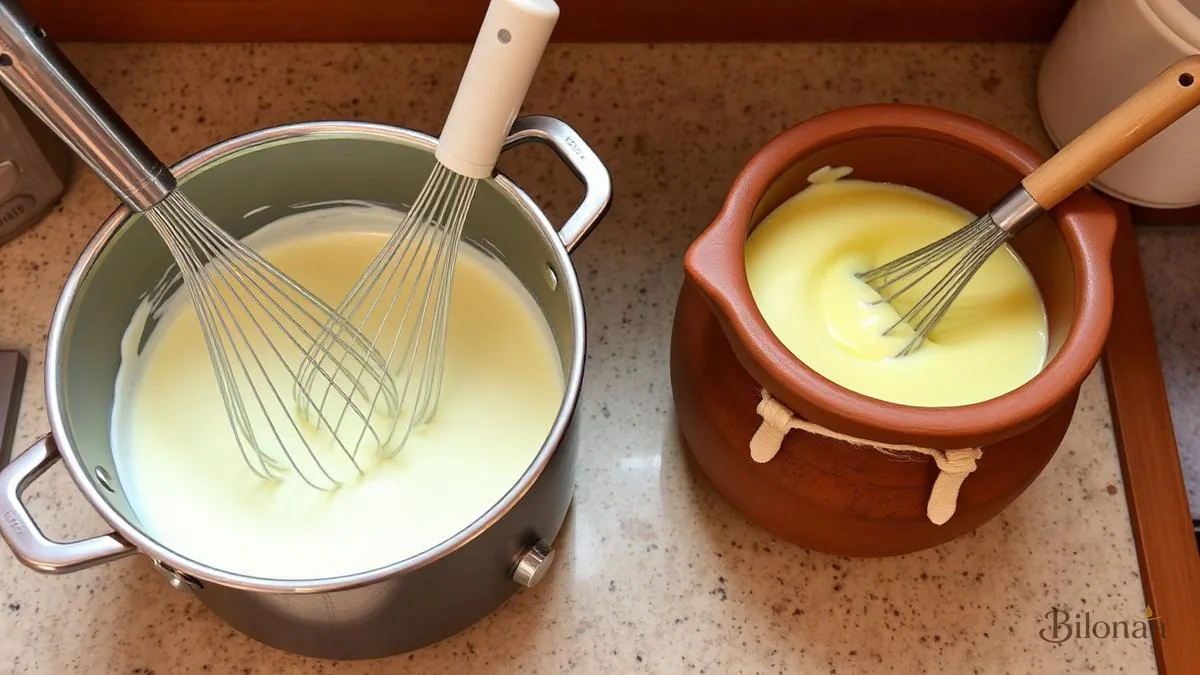
Exploring the traditional Bilona method involves a meticulous step-by-step process that starts with fresh, whole A2 desi cow milk. This milk is first boiled and then cooled to room temperature before a starter culture (mostly curd) is added to transform it into curd. This curd is then churned using a wooden churner (the 'bilona') in a specific direction (clockwise and anti-clockwise) to separate butter (makkhan). This butter is then slow-cooked over a low flame, allowing the water to evaporate and the milk solids to separate, leaving behind pure, golden ghee.
Contrasting this with the cream-separated ghee process unveils a stark difference in methodology and philosophy. In the cream-separated method, milk is first centrifuged to extract cream, a much faster and more mass-producible approach. This cream is then directly heated to produce ghee. While efficient for large-scale production, this method bypasses the curd-making and churning stages, which are traditionally believed to enhance the ghee's nutritional value and digestibility by allowing beneficial microbes to interact with the milk fats during fermentation.
Analyzing the scientific nutritional differences between these two types of ghee reveals why the traditional method often yields a superior product. The fermentation process in bilona ghee, where milk is turned into curd, is believed to enhance the bioavailability of certain vitamins and fatty acids. Studies indicate that bilona ghee may contain a richer profile of Conjugated Linoleic Acid (CLA), butyric acid, and other fat-soluble vitamins (A, D, E, K) due to the preservation of nutrients through the gentle, slow-cooking process rather than the more aggressive heating of cream. The absence of beneficial microbes in cream-separated ghee can lead to a less diverse nutrient profile.
From an Ayurvedic perspective, the bilona method is unequivocally preferred for its sattvic (pure, harmonious) qualities and therapeutic benefits. Ayurveda suggests that ghee made from whole milk via the curd-churning method is easier to digest, more nourishing for the tissues (dhatus), and enhances 'agni' (digestive fire). It is considered to have a more balancing effect on the doshas and is rich in 'ojas' (vitality), making it ideal for overall well-being and a cornerstone of holistic health practices. Cream-separated ghee is viewed as less potent and potentially harder to assimilate.
Delving into the taste and aroma profiles shows a noticeable distinction that connoisseurs often cherish. Bilona ghee, due to its curd-based origin and slow cooking, typically possesses a richer, nuttier, and more complex flavor with a distinctly pleasing aroma. This deep, authentic taste is often described as reminiscent of homemade ghee from 'dadi-nani' (grandmothers). Cream-separated ghee, while still good, tends to have a milder, sometimes blander, flavor and a less pronounced aroma, lacking the nuanced depth derived from the fermentation process.
Considering the digestive impacts, Ayurveda and anecdotal evidence strongly suggest bilona ghee is gentler on the digestive system. The conversion of milk into curd introduces probiotics, which aid in breaking down complex milk proteins and fats before the ghee is even made. This pre-digestion process is believed to result in a ghee that is easier to metabolize for many individuals, particularly those with a sensitive gut. Cream-separated ghee, lacking this probiotic interaction, might be perceived as heavier by some.
Examining the source of milk is paramount for genuine A2 bilona ghee. Bilonaa, for instance, sources milk exclusively from indigenous A2 desi cows that are grass-fed and free-roaming in Bikaner, Rajasthan. This ethical and natural upbringing contributes to the quality of their milk, which is free from hormones, antibiotics, and pesticides, ensuring the purest starting material for ghee production. The stress-free environment of the cows is also traditionally believed to enhance the milk's sattvic qualities.
Navigating the market to identify authentic bilona ghee requires vigilance, as 'milawat' (adulteration) is not uncommon. Look for labels explicitly stating 'A2 Desi Cow Bilona Ghee,' ideally with FSSAI certification. Pay attention to the listed ingredients; true bilona ghee should only list 'A2 cow milk fat' or 'clarified butter.' The price point is also a strong indicator; the laborious bilona method makes it more expensive than mass-produced cream ghee. Always research the brand's sourcing and manufacturing transparency.
Dispelling common myths about ghee is essential for informed choices. One prevalent myth is that all ghee is unhealthy due to its fat content; however, traditional bilona ghee is rich in healthy fats, including essential fatty acids and fat-soluble vitamins, making it a valuable part of a balanced diet when consumed in moderation. Another myth is that modern cream-separated ghee is nutritionally identical; this article has shown the distinct differences in processing and potential nutrient profiles.
Incorporating bilona ghee into your daily routine is simple and highly beneficial. Use it for cooking and sautéing, as its high smoke point makes it suitable for various culinary applications without breaking down into harmful compounds. Drizzle it over warm rice, dal, or rotis for enhanced flavor and nutrition, or even add a spoonful to your morning coffee or tea for an energy boost. Its versatility makes it a kitchen staple in traditional Indian households.
Understanding the shelf life and proper storage of ghee ensures its longevity and freshness. Ghee, being an anhydrous fat, is highly stable and does not require refrigeration. Store Bilonaa Ghee in a cool, dark place away from direct sunlight and moisture in an airtight container. When stored correctly, bilona ghee can last for several months, even up to a year or more, retaining its flavor and nutritional integrity.
Making an informed decision about your ghee choice ultimately depends on your priorities: convenience and cost, or purity and traditional benefits. If you prioritize ancient wisdom, enhanced nutrient profiles, superior taste, and easier digestion, then A2 desi cow bilona ghee stands out as the clear winner. For those seeking a product grounded in tradition and holistic well-being, the investment in bilona ghee is truly worthwhile.
Bilonaa Ghee embodies the essence of authentic A2 desi cow bilona ghee, ensuring meticulous adherence to traditional practices. From sourcing milk from grass-fed, free-roaming A2 desi cows in Bikaner to utilizing the slow, ancient bilona churning method, every step is designed to deliver unparalleled purity and richness. Choosing Bilonaa means opting for a product that honors tradition, supports ethical farming, and contributes positively to your wellness journey.
"The Bilona process is not just a method; it's a philosophy of nurturing nature's goodness into a golden elixir."
Bilonaa Promise
Small-batch, A2 desi-cow, traditional bilona ghee — straight to your kitchen.
100% pure, hand-churned, slow-cooked on a wood fire and packed in glass jars.
FAQs
Quick answers
What is the primary difference between bilona ghee and cream-separated ghee?
Bilona ghee is made from whole milk, which is first converted to curd, then churned into butter, and finally slow-cooked. Cream-separated ghee is made by centrifuging milk to extract cream, which is then directly heated. The curd stage in bilona ghee is key for nutrient preservation and traditional benefits.
Is bilona ghee more nutritious than cream-separated ghee?
Yes, traditionally, bilona ghee is considered more nutritious. The fermentation process in the curd stage is believed to enhance beneficial fatty acids like CLA and fat-soluble vitamins (A, D, E, K), making them more bioavailable compared to cream-separated ghee.
How does A2 milk factor into bilona ghee?
A2 milk, from indigenous Indian cow breeds, contains A2 beta-casein protein, which is considered easier to digest than A1 protein. When this A2 milk is used in the bilona method, it creates A2 bilona ghee, combining the digestive benefits of both the milk type and the traditional processing method.
Can bilona ghee help with digestion?
Ayurveda suggests that bilona ghee is easier to digest due to the pre-digestion facilitated by beneficial microbes during the curd-making process. It is believed to enhance 'agni' (digestive fire), promoting better assimilation of nutrients and overall gut health.
Why is Bilonaa Ghee considered premium?
Bilonaa Ghee is considered premium because it adheres strictly to the traditional A2 desi cow bilona method, sourcing milk from grass-fed, free-roaming indigenous cows in Bikaner. This ensures purity, rich nutrient content, and an authentic taste often lacking in mass-produced alternatives.
What should I look for when buying authentic bilona ghee?
Look for explicit labeling that states 'A2 Desi Cow Bilona Ghee.' Check for FSSAI certification and a clear ingredient list (only clarified A2 cow milk fat). The price will generally be higher due to the laborious traditional process. Research the brand's transparency in sourcing and manufacturing.
Does bilona ghee need to be refrigerated?
No, bilona ghee does not require refrigeration. Being an anhydrous fat, it is shelf-stable. It should be stored in an airtight container in a cool, dark place away from direct sunlight and moisture to maintain its quality and freshness for many months.
Educational content only — please consult a doctor for medical conditions.
Get gentle ghee notes in your inbox
One thoughtful Ayurveda + kitchen note a week. No spam. Unsubscribe anytime.
Conversation(0)
Share a thought — every comment is read before it appears.