
Buyer Guide
Buy Bilona Ghee: A Practical Checklist Before You Pay
On this page
- Finding real bilona ghee today requires looking past shiny l
- Bilona ghee represents an ancient Indian tradition of hand-c
- Understanding the difference between milk fat source and pro
- The traditional bilona process begins with setting whole A2
- Slow cooking the cultured butter over a wood fire creates th
- Modern machine-made ghee uses high-speed centrifuges that st
- Ayurveda considers traditional bilona ghee to be a balancing
- Comparing A2 beta-casein milk with standard A1 commercial da
Finding real bilona ghee today requires looking past shiny labels and clever marketing. If you walk through any supermarket aisle, every second jar claims to be traditional, pure, or Vedic. But real kitchen wisdom from our dadi-nani taught us that genuine ghee speaks through its aroma, not its paper tag. When you heat a spoonful in a hot kadhai, the smell should instantly warm the entire room with a nutty, caramelized richness. Factory ghee made from cream pasteurization lacks this soul because high heat and industrial separators crush delicate fat structures. Taking ten minutes to learn what makes authentic ghee worth paying for saves your family from subtle milawat and empty promises.
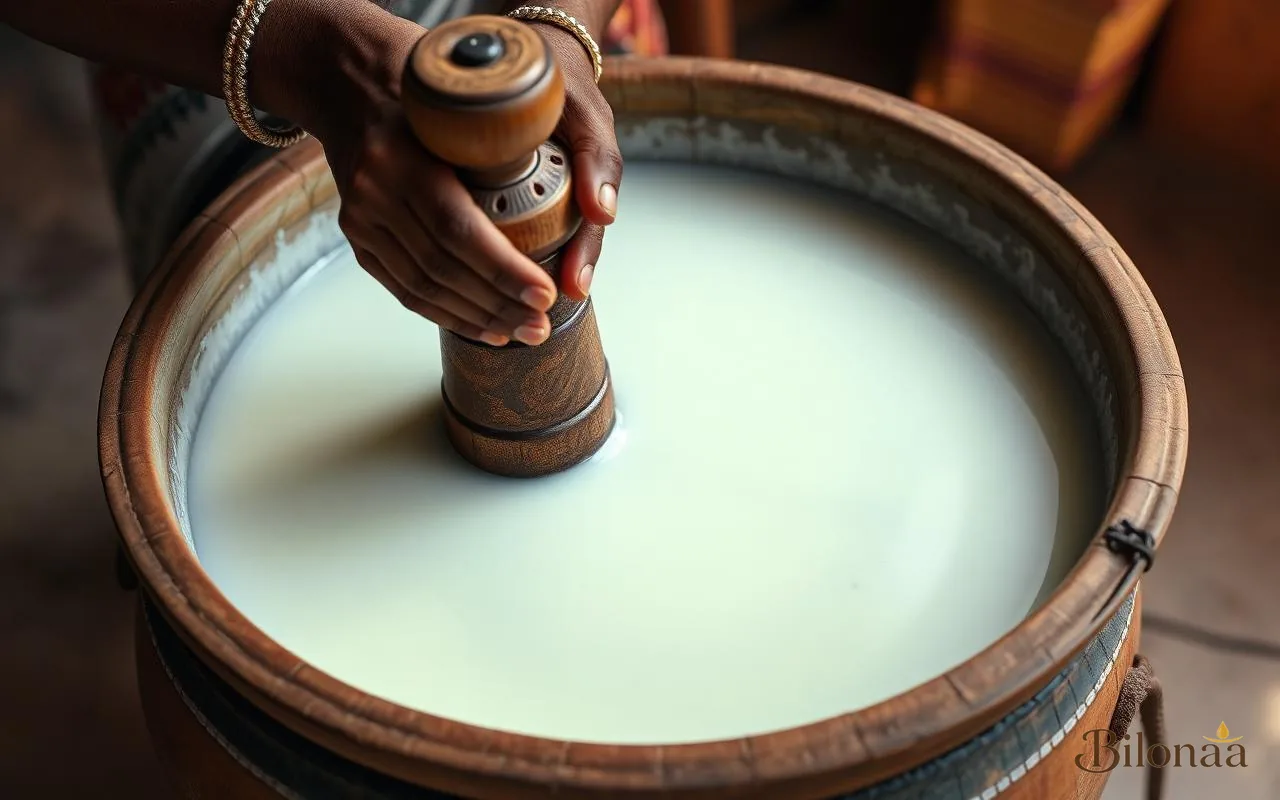
Bilona ghee represents an ancient Indian tradition of hand-churning curd rather than skimming raw cream. For thousands of years across regions like Rajasthan and Gujarat, households never made ghee directly from raw milk fat. Instead, fresh milk was boiled, cooled, and cultured overnight into full-fat dahi. The next morning, two-way wooden churners called bilonas were worked back and forth to split makkhan from buttermilk. This fermentation step creates distinct short-chain fatty acids that make the final butter easy on the gut. Understanding this original step explains why traditional ghee feels light in the stomach while commercial industrial ghee can leave a heavy, greasy feeling after meals.
Understanding the difference between milk fat source and processing method is essential before you spend money. Many buyers confuse A2 milk with the bilona method, assuming they are the exact same thing. You can easily find A2 ghee in stores that was processed using modern cream separators in automated factories. Conversely, you could theoretically churn standard milk using a wooden bilona. The finest quality comes when both align: using unadulterated milk from indigenous cow breeds and churning cultured dahi by hand. When you decide to buy bilona ghee, always check if the brand explicitly clarifies both the cow breed and the two-way churning technique on their jar.
The traditional bilona process begins with setting whole A2 curd in earthen pots overnight. Indigenous Indian cow breeds like Rathi, Tharparkar, Gir, and Sahiwal produce milk rich in A2 beta-casein protein. In regions like Bikaner, where cool desert nights help natural slow culturing, the milk sets into thick, fragrant dahi without artificial starters. Earthen matkas help maintain an even temperature while absorbing excess moisture, creating a firm dahi blanket. This careful culturing process allows beneficial microbes to break down lactose and complex fats long before any heat touches the butter, laying the foundation for true digestibility and rich natural flavour.
Slow cooking the cultured butter over a wood fire creates the signature daanedaar texture and nuttiness. Once the wooden bilona separates fresh white makkhan from thin buttermilk, the butter is gathered into heavy iron vessels. Cooking it on low, controlled wood fire flame takes hours of gentle patience. Small milk solids brown slowly at the bottom, releasing trapped moisture without burning the fat. This slow caramelization gives genuine bilona ghee its beautiful golden hue, crisp granulations, and distinct sweet aroma. Industrial steam-jacketed vats cook thousands of liters in minutes, missing these subtle temperature shifts that create authentic grainy texture.
Modern machine-made ghee uses high-speed centrifuges that strip away traditional aroma and depth. Commercial brands prefer direct cream processing because it yields maximum fat with minimal labor. Raw milk passes through spinning metal drums that pull out raw cream instantly, skipping the entire fermentation and curd-setting phase. This cream is then boiled at high temperatures to evaporate water quickly. While this method creates massive volume cheaply, it strips away organic aroma compounds and beneficial fatty acids. The end result is often a flat, oily substance that relies on added synthetic flavors or artificial yellow coloring to resemble real farm-churned ghee.
Ayurveda considers traditional bilona ghee to be a balancing rasayana for mind and digestion. Ancient texts highlight cultured ghee, known as shodhita ghrita, for its capacity to nourish all seven bodily tissues without aggravating pitta or kapha when consumed mindfully. Ayurveda suggests that cooking ghee from fermented curd imbues it with gentle digestive fire, or agni, helping the body absorb fat-soluble vitamins like A, D, E, and K. Many traditional households still use a drop of warm bilona ghee in warm milk before bedtime or over morning khichdi to soothe dry digestion during cold winter months. It remains a functional kitchen food rather than just cooking fat.
Comparing A2 beta-casein milk with standard A1 commercial dairy reveals why native cows matter. European cow breeds like Holstein or Jersey typically yield higher milk volume containing A1 beta-casein, which breaks down during digestion into a peptide called BCM-7. Many people who feel bloated after consuming regular dairy find that milk from hump-backed Indian cows sits far better in their gut. Breeds like Tharparkar and Rathi have evolved over centuries to thrive on harsh climate vegetation, producing milk naturally suited to human digestion. Choosing ghee derived from these native breeds ensures you avoid the heavy feeling often associated with intensive industrial dairy farming.
Checking the texture and aroma gives you instant clues about genuine small-batch ghee. True bilona ghee is never uniformly smooth like processed butter or petroleum jelly. Instead, it forms natural, semi-solid granules, or daana, surrounded by golden liquid oil at ambient room temperature. When you open a fresh jar, the aroma should immediately remind you of toasted milk, warm mawa, and subtle cultured butter. If the smell is harsh, sour, metallic, or completely odorless, high-heat processing or poor storage has compromised the batch. A simple sensory check before cooking can tell you more than any fancy front-of-pack marketing claim.
Practical purity tests at home can help you spot milawat or added vegetable fats quickly. While laboratory testing is the gold standard, simple kitchen steps give fast reassurance. Take a teaspoon of melted ghee in a glass jar and add a pinch of sugar along with concentrated hydrochloric acid or simple iodine; if it turns red or purple, palm oil or starch is present. Another easy check is heating a spoonful in a pan: authentic ghee melts instantly and turns clear dark brown, whereas adulterated ghee takes longer to melt and stays pale yellow. Checking for these signs protects your hearth from cheap hydrogenated fats disguised as pure butter oil.
Storing your ghee in non-reactive containers like glass or stainless steel preserves its natural freshness. Plastic tubs and soft pouches leach unwanted chemical compounds over time, especially when ghee warms up during summer shipping. Traditional Indian kitchens always preferred brass, stainless steel, or thick glass jars kept away from direct sunlight and damp spoon contact. High-quality bilona ghee naturally resists spoilage because the slow-cooking process removes all free moisture. Keeping your jar sealed in a dry pantry ensures that its rich aroma and light daanedaar grain remain fresh for over twelve months without needing artificial preservatives or refrigeration.
Cooking with authentic bilona ghee transforms everyday meals like dal tadka and fresh rotis. Because genuine ghee has a high smoke point around 250 degrees Celsius, it does not break down into toxic free radicals during high-heat frying or roasting. A single teaspoon brushed over hot phulgas or spluttered with cumin and dry red chillies over yellow lentils releases an aroma that synthetic cooking oils can never duplicate. Its natural short-chain fatty acids coat spices, carrying fat-soluble compounds deeper into ingredients and enhancing overall dish flavor without leaving an unpleasant oily film on your palate or serving bowls.
Real handmade ghee commands a higher price because of yield ratios and labour-intensive steps. To make just one liter of pure bilona ghee, a farm requires approximately twenty-five to thirty liters of whole A2 cow milk. When you factor in feed for free-grazing cows, firewood for slow boiling, manual labor for churners, and small-batch glass packaging, production costs are naturally higher than mass-market brands. Low-cost ghee sold in plastic pouches often relies on imported palm oil blending or factory cream waste. Paying a fair price directly supports local cow herders and protects artisanal food production methods from disappearing entirely.
Common myths about ghee causing weight gain ignore traditional dietary context and portion control. For decades, modern low-fat diet trends unfairly vilified traditional cooking fats as heart hazards. However, nutritionists and traditional health practitioners now recognize that butyric acid present in cultured ghee supports gut integrity and metabolic balance. When consumed in moderate daily quantities, like two small teaspoons with wholesome meals, ghee aids nutrient absorption rather than turning into stubborn fat reserves. The key lies in avoiding refined sugars and processed flours while enjoying real food cooked thoughtfully in unrefined traditional fat.
Deciding which family brand to trust comes down to transparency and root traditions. Look for makers who clearly list their farm location, cow breeds, batch numbers, and food safety certifications like FSSAI. Honest producers do not hide behind vague terms like pure cow ghee without explaining whether it is cream-separated or bilona-churned. They welcome customer queries about grazing practices and wood-fire boiling procedures. When a brand treats ghee as a sacred family heritage rather than just another commercial inventory item, you can taste the dedication, care, and integrity in every single spoonful you bring into your home kitchen.
Families seeking pure A2 ghee often look to Bilonaa for authentic Bikaner craft and glass packaging. Based in the heart of Rajasthan, Bilonaa sources unadulterated milk from happy, free-grazing Rathi, Tharparkar, Gir, and Sahiwal cows. Their craftspeople set fresh dahi in traditional pots, churn it using authentic wooden bilonas, and gently clarify white butter over slow wood fires. Under FSSAI license 22226025000262, every batch is packed carefully in food-grade glass jars up to 2 liters or traditional stainless steel dolchi for 5-liter orders, ensuring zero plastic contact from their kitchen to your dining table.
Final checklist steps will ensure you buy bilona ghee with total confidence every single time. Before placing an order online or picking a jar off the store shelf, run through these essential checks: verify that the label explicitly mentions A2 cultured dahi churning, confirm glass or metal packaging, check for clear FSSAI licensing, and read customer feedback regarding grain and aroma. Investing in genuine ghee means investing in your family's daily health and keeping rich culinary heritage alive. Once you experience true daanedaar bilona ghee cooked over wood fire, there is simply no going back to processed supermarket bottles.
"Genuine bilona ghee speaks through its aroma when heated in a hot kadhai, instantly filling the room with a nutty, caramelized richness."
Bilonaa Promise
Small-batch, A2 desi-cow, traditional bilona ghee — straight to your kitchen.
100% pure, hand-churned, slow-cooked on a wood fire and packed in glass jars.
FAQs
Quick answers
What is the main difference between regular cream ghee and bilona ghee?
Regular ghee is made by separating raw cream directly from milk using high-speed industrial centrifuges and boiling it quickly. Bilona ghee follows the ancient method: milk is boiled, turned into cultured curd (dahi), and then churned back and forth with a wooden bilona to yield makkhan, which is slow cooked into pure ghee.
Why is authentic bilona ghee more expensive than commercial factory ghee?
Producing one liter of real bilona ghee requires around 25 to 30 liters of pure A2 cow milk. The traditional curd setting, manual wooden churning, wood-fire slow boiling, and glass jar packaging add significant labor and material costs compared to mass-produced cream separator ghee.
How can I check if the bilona ghee I bought is pure at home?
Put a spoonful of ghee in a warm pan. Pure bilona ghee melts instantly and turns a rich golden-brown color with a fragrant toasted aroma. If it takes long to melt, stays pale, or leaves a greasy residue without aroma, it may contain added fats or improper processing.
Does A2 bilona ghee require refrigeration after opening?
No, pure bilona ghee does not need refrigeration. Because the traditional slow-cooking process removes all moisture, it naturally resists spoilage. Simply store it in a cool, dry place inside a glass jar or stainless steel container, using a clean dry spoon.
Which Indian cow breeds are best suited for A2 bilona ghee?
Native hump-backed Indian breeds such as Rathi, Tharparkar, Gir, and Sahiwal produce natural A2 beta-casein milk. Their milk has been valued in traditional Ayurveda for centuries for creating easy-to-digest cultured ghee with exceptional texture and aroma.
Why does Bilonaa use glass jars and stainless steel dolchis for packaging?
Warm ghee absorbs harmful microplastics and plasticizers if packed in soft plastic containers or pouches. Bilonaa uses premium glass jars for 1 and 2-liter sizes and sturdy stainless steel dolchis for 5-liter orders to preserve pure taste, daanedaar texture, and long shelf life.
Educational content only — please consult a doctor for medical conditions.
Get gentle ghee notes in your inbox
One thoughtful Ayurveda + kitchen note a week. No spam. Unsubscribe anytime.
Conversation(0)
Share a thought — every comment is read before it appears.