
Cow Breeds
Why Cow Feed Matters in A2 Ghee Quality
On this page
- The quality of A2 desi cow ghee fundamentally begins with th
- Understanding what A2 ghee truly means involves recognising
- Historically and traditionally, Indian cows, central to agra
- Scientific studies today are beginning to validate these tra
- Ayurveda places immense importance on 'ahara' (diet) not jus
- When a cow's diet consists predominantly of fresh grass and
- The term 'organic feeding' for cows implies a diet free from
- Grass-fed ghee, often synonymous with cows grazing freely on
The quality of A2 desi cow ghee fundamentally begins with the cow's diet, establishing a direct link between what the animal consumes and the nutritional profile of the ghee we cherish. This intricate relationship is not just about quantity of feed, but crucially about its type, purity, and environmental context, impacting everything from the ghee's flavour and aroma to its therapeutic properties as understood in Ayurveda.
Understanding what A2 ghee truly means involves recognising that it is derived exclusively from the milk of indigenous Indian cow breeds (like Gir, Sahiwal, Rathi, Kankrej, Tharparkar) that produce milk primarily containing the A2 beta-casein protein. Unlike A1 milk, which is often linked to certain digestive discomforts in some individuals, A2 milk is traditionally believed to be easier to digest and offers a myriad of health benefits, laying the foundational premise before we even consider the cow's diet.
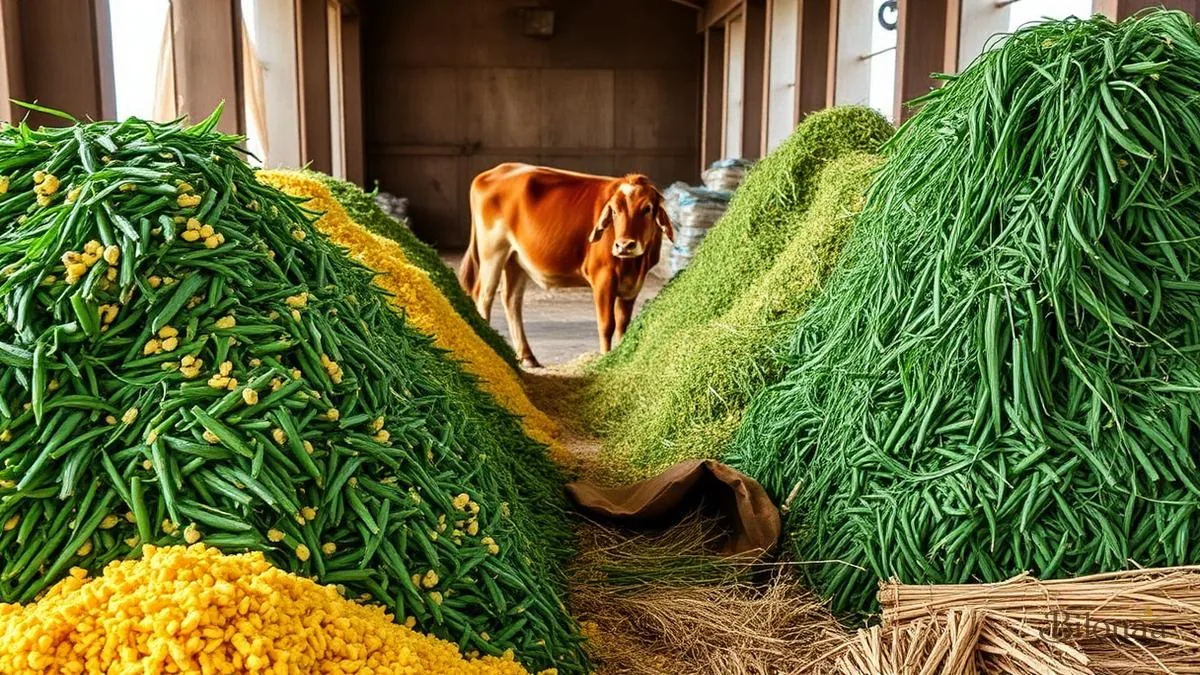
Historically and traditionally, Indian cows, central to agrarian societies, grazed freely on natural pastures, consuming a diverse array of grasses, herbs, and medicinal plants. This ancient practice, rooted in Ayurvedic wisdom, ensured that the cows received a balanced, nutrient-rich diet directly from their natural habitat, which in turn was believed to enrich their milk and subsequently, the ghee made from it, with unique beneficial compounds.
Scientific studies today are beginning to validate these traditional beliefs, indicating that the diet of a cow significantly alters the fatty acid composition and antioxidant content of its milk and dairy products. Cows fed on fresh pasture, for instance, tend to produce milk higher in Conjugated Linoleic Acid (CLA) and Omega-3 fatty acids, crucial nutrients with recognised health-promoting properties that directly transfer into the ghee.
Ayurveda places immense importance on 'ahara' (diet) not just for humans, but for animals as well, understanding that a sattvic (pure, wholesome) diet for the cow contributes to the sattvic qualities of its milk and ghee. The concept of 'rasa' (taste), 'virya' (potency), and 'vipaka' (post-digestive effect) are all believed to be influenced by the cow's intake, suggesting that a cow fed on natural, untouched vegetation produces ghee with superior properties for balanced health and vitality.
When a cow's diet consists predominantly of fresh grass and forage, these natural inputs lead to a higher concentration of fat-soluble vitamins, particularly Vitamin K2 (menaquinone-4), in their milk and ghee. Vitamin K2 is vital for bone health and cardiovascular well-being, and its presence is significantly boosted when cows consume nutrient-dense green fodder, showcasing another direct impact of cow feed on ghee quality.
The term 'organic feeding' for cows implies a diet free from synthetic pesticides, herbicides, GMOs, and artificial hormones, ensuring that the cow’s system remains untainted by harmful chemicals. This commitment to purity means that the resulting A2 milk, and subsequently the Bilona ghee, carries forward this natural, unadulterated essence, aligning with consumers' increasing demand for clean-label, contaminant-free food products.
Grass-fed ghee, often synonymous with cows grazing freely on verdant pastures, stands out for its superior nutritional profile, which includes a richer yellow colour due to higher beta-carotene content, a precursor to Vitamin A. This vibrant hue is a natural indicator of the cow's healthy, pasture-based diet, distinguishing it from ghee produced from cows fed on conventional, grain-heavy diets.
Conversely, cows fed on conventional grain-based diets, often consisting of corn, soy, and other commercial feeds, may produce milk with a different fatty acid profile. While still providing nutritional value, such ghee typically contains lower levels of beneficial compounds like CLA and Omega-3s, and often a reduced vitamin profile compared to ghee from grass-fed counterparts, highlighting the stark contrast in nutritional output.
The impact of cow feed extends beyond just nutritional content; it profoundly affects the flavour, aroma, and even the texture of the ghee. Ghee from grass-fed cows often has a deeper, nuttier flavour and a more fragrant aroma, attributed to the diverse compounds ingested by the cow through natural vegetation, providing a more complex and desirable sensory experience for the consumer.
For consumers actively seeking high-quality A2 ghee, understanding the cow's diet is paramount, forming a critical part of a conscious buying decision. Information regarding whether cows are pasture-raised, grass-fed, or consume organic feed should be readily available from reputable brands, allowing individuals to make informed choices based on their health goals and ethical considerations.
The ethical implications of cow feeding practices are also increasingly important, with consumers preferring products from cows raised in conditions that respect their natural behaviours and dietary needs. Animal welfare, including access to open pastures and a natural diet, contributes to a healthier, happier cow, which in turn is believed to reflect in the quality and 'prana' (life force) of its milk and ghee.
Ensuring your source of A2 ghee, like that from Bilonaa, prioritises superior cow care and natural feeding practices, significantly impacts the purity and potency of the final product. A brand that is transparent about its sourcing and feeding methods provides assurance of receiving ghee that truly honours the traditional Ayurvedic principles of quality and effectiveness.
Selecting ghee involves looking for certifications such as 'organic' or descriptions like 'grass-fed' and 'pasture-raised' on the product label. These indicators provide valuable insights into the cow's diet and living conditions, helping consumers distinguish truly high-quality A2 desi cow ghee from potentially inferior alternatives on the market, ensuring you get 'asli' (real) goodness.
Proper storage of your high-quality A2 ghee is essential to maintain its integrity, regardless of how excellently the cows were fed. Keeping ghee in an airtight container away from direct sunlight and moisture helps preserve its unique flavour, aroma, and nutritional compounds, ensuring every spoonful delivers the intended benefits until the last drop.
Integrating A2 ghee into your daily diet can be simple and rewarding, from using it for cooking and tempering to adding a spoonful to warm milk or applying it externally. Its high smoke point makes it excellent for all types of Indian and international cooking, enhancing flavour and adding healthy fats to your meals, particularly beneficial when sourced from naturally-fed cows.
Common myths often suggest that all ghee is the same or that cow feed doesn't significantly impact the final product; however, these are misconceptions. The profound differences in nutritional profiles, flavour, and therapeutic qualities between ghee from naturally-fed, pasture-raised cows and conventionally-fed cows clearly demonstrate the critical role of diet.
In conclusion, the cow's feed is undeniably a cornerstone of A2 ghee quality, directly influencing its nutritional composition, therapeutic properties, and sensory attributes. Choosing ghee from cows that are naturally fed, ideally grass-fed and pasture-raised, ensures you are investing in a product that truly embodies the essence of purity, tradition, and well-being, as espoused by Ayurveda and increasingly supported by modern science.
"A cow nourished by nature creates a product that nourishes us in return — a simple yet profound truth in every spoonful of quality A2 ghee."
Bilonaa Promise
Small-batch, A2 desi-cow, traditional bilona ghee — straight to your kitchen.
100% pure, hand-churned, slow-cooked on a wood fire and packed in glass jars.
FAQs
Quick answers
What is the primary difference between A1 and A2 milk?
A1 and A2 milk differ in the type of beta-casein protein they contain. A2 milk, found in indigenous Indian cow breeds, primarily contains the A2 beta-casein protein, which is traditionally believed to be easier to digest for some individuals compared to A1 milk.
How does grass-fed ghee differ nutritionally from conventional ghee?
Grass-fed ghee typically has a higher concentration of beneficial nutrients, including Conjugated Linoleic Acid (CLA), Omega-3 fatty acids, and fat-soluble vitamins like K2 and Beta-carotene. These are often present in lower amounts in ghee from conventionally grain-fed cows.
Why is the cow's diet important for A2 ghee quality according to Ayurveda?
Ayurveda emphasizes that a pure and natural diet ('ahara') for cows contributes to the sattvic (wholesome) qualities of their milk and ghee. It is believed to influence the ghee's 'rasa' (taste), 'virya' (potency), and 'vipaka' (post-digestive effect), crucial for optimal health benefits.
What should I look for on a ghee label to determine cow feed quality?
Look for labels indicating 'grass-fed,' 'pasture-raised,' 'organic,' or similar assurances regarding the cow's diet and living conditions. These terms suggest a more natural and health-conscious feeding practice.
Can cow feed affect the flavour and aroma of ghee?
Yes, absolutely. Cows consuming a diverse pasture diet often produce ghee with a richer, nuttier flavour and a more fragrant aroma due to the varied compounds ingested from natural vegetation, contributing to a superior sensory experience.
Are there any specific Bilonaa recommendations regarding cow feed?
Bilonaa sources ghee from indigenous desi cows that are raised with care, often grazing on natural pastures, ensuring a diet that aligns with traditional practices. This commitment translates into the high-quality, pure A2 Bilona ghee we offer.
Educational content only — please consult a doctor for medical conditions.
Get gentle ghee notes in your inbox
One thoughtful Ayurveda + kitchen note a week. No spam. Unsubscribe anytime.
Conversation(0)
Share a thought — every comment is read before it appears.