Bilonaa Method
The Curd-Route Ghee Method: Ancient Indian Wisdom for Modern Kitchens
On this page
- The 'Curd-Route Ghee Method' is an age-old tradition, often
- Understanding what A2 desi cow ghee truly signifies is pivot
- The historical roots of desi cow ghee trace back thousands o
- The 'bilona' process, also known as the 'curd-route' method,
- Bilona churning differs significantly from conventional mach
- The scientific underpinnings of cultured ghee highlight the
- From an Ayurvedic perspective, curd-route ghee is considered
- Practical benefits for modern kitchens include the superior
The 'Curd-Route Ghee Method' is an age-old tradition, often revered as the most authentic way to produce ghee, directly translating to 'Makkhan-to-Ghee' or 'Dahi-to-Ghee' in Indian households, which simply means making ghee from cultured curd (yoghurt) rather than fresh cream. This traditional approach differentiates itself significantly from the industrial practices that often dominate today's dairy market, preserving the very essence and nutritional profile that Ayurveda has long celebrated.
Understanding what A2 desi cow ghee truly signifies is pivotal when discussing the curd-route method, as it refers to the type of beta-casein protein found in the milk from which the ghee is derived. A2 milk comes from indigenous Indian cow breeds like Gir and Sahiwal, which naturally produce milk containing only the A2 protein, believed by many to be easier to digest and assimilate compared to the A1 protein found in milk from many European breeds.
The historical roots of desi cow ghee trace back thousands of years in ancient India, embedded deeply within Ayurvedic texts and spiritual practices, where ghee was not merely food but also medicine, a sacred offering, and a symbol of prosperity. Our dadi-nani's (grandmothers') kitchens were the custodians of this knowledge, meticulously preparing ghee using methods passed down through generations, long before the advent of modern refrigeration and processing techniques.
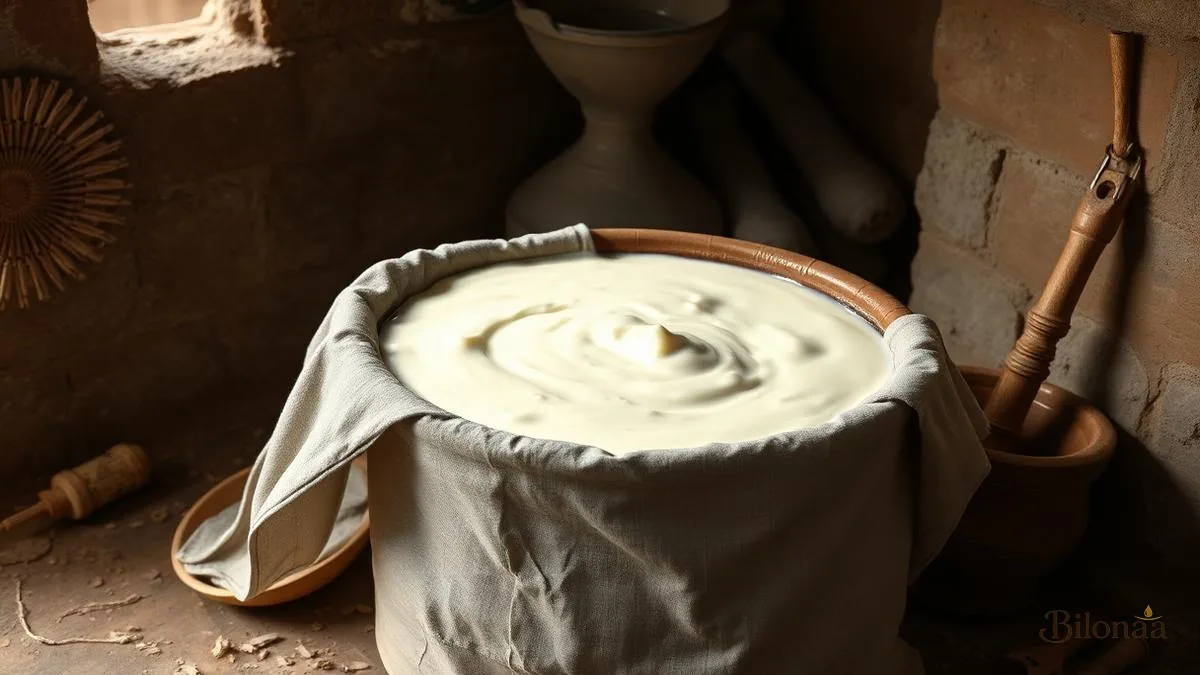
The 'bilona' process, also known as the 'curd-route' method, is the heart of this traditional ghee-making practice, involving a specific sequence of steps that begin with boiling fresh A2 milk and then culturing it into curd. This curd is then churned using a wooden 'bilona' (a traditional churner), separating the butter (makkhan) from the buttermilk, a step that is fundamentally different from collecting cream from milk.
Bilona churning differs significantly from conventional machine extraction methods, impacting both the texture and nutritional integrity of the final ghee product. While machine extraction often uses high heat and mechanical force to separate cream, potentially altering delicate nutrients, the bilona method's slow, gentle churning at cooler temperatures is believed to retain more of the milk's inherent goodness and probiotic benefits from the fermentation.
The scientific underpinnings of cultured ghee highlight the role of fermentation in enhancing its nutritional profile, as the conversion of milk into curd introduces beneficial bacteria that pre-digest milk proteins and fats. This fermentation process not only makes the resulting butter and ghee more digestible but also contributes to unique fatty acid profiles and a richer content of vitamins and antioxidants.
From an Ayurvedic perspective, curd-route ghee is considered 'satvic', meaning it promotes purity, balance, and well-being, revered for its 'agni' (digestive fire) enhancing properties and its ability to act as a 'yogavahi' – a carrier that amplifies the benefits of herbs and spices. It is often recommended for detoxification, rejuvenation, and supporting overall vitality, making it a cornerstone of Ayurvedic diets.
Practical benefits for modern kitchens include the superior flavour and aroma that curd-route ghee brings to cooking, imparting a rich, nutty, and slightly sweet undertone that elevates any dish. Its high smoke point makes it perfect for various cooking methods, from sautéing and frying to baking, providing a healthier alternative to many other cooking oils without breaking down into harmful compounds at high temperatures.
Distinguishing 'cultured ghee' from 'clarified butter' is crucial, as while both involve removing milk solids from butter, the origin of the butter itself defines the difference. Cultured ghee, like Bilonaa's, starts from cultured curd, bringing a fermented complexity and enhanced digestibility, whereas clarified butter typically comes from uncultured cream, leading to a less nuanced flavour and different nutritional profile.
Identifying genuine A2 bilona ghee requires attention to several key indicators, including its characteristic grainy texture, golden-yellow colour (due to beta-carotene from grass-fed cows), and a distinct aromatic fragrance. Packaging should clearly state 'A2 Desi Cow Ghee' and, ideally, mention the 'bilona' or 'curd-route' method, assuring you of its authentic preparation.
Incorporating curd-route ghee into your daily diet is simple and versatile, ranging from using it as a healthy cooking oil to drizzling it over warm chapatis, daal, or vegetables for added flavour and nutrients. Many also enjoy a spoonful in their morning tea or coffee for sustained energy, or even as a base for Ayurvedic detox drinks, showcasing its adaptogenic qualities.
The common myth that ghee raises bad cholesterol needs debunking, as extensive studies and traditional wisdom suggest otherwise, particularly concerning A2 desi cow ghee. When consumed in moderation as part of a balanced diet, ghee, rich in healthy fats like Conjugated Linoleic Acid (CLA) and butyric acid, is actually believed to support heart health and improve cholesterol ratios, not harm them.
For individuals with lactose intolerance or dairy sensitivities, curd-route ghee often presents a viable alternative to other dairy products, as the ghee-making process naturally removes lactose and casein. The fermentation process further aids in breaking down milk components, making it easier on sensitive digestive systems, though individual tolerance can vary.
The economic and ethical considerations behind sourcing A2 desi cow milk for bilona ghee are significant, emphasizing sustainable farming practices and the welfare of indigenous cow breeds. Choosing products like those from Bilonaa supports local farmers, preserves traditional agricultural methods, and encourages the humane treatment of animals, contributing to a more mindful consumption cycle.
Proper storage of your curd-route ghee is essential to maintain its freshness, flavour, and nutritional potency over time, requiring it to be kept in an airtight container in a cool, dark place away from direct sunlight and moisture. While refrigeration isn't strictly necessary, it can extend its shelf life, particularly in warmer climates, preventing rancidity and preserving its delicate aromas.
Bilonaa offers an exemplary experience of this ancient tradition, bringing the authentic taste and benefits of pure A2 desi-cow bilona ghee directly from Bikaner, Rajasthan, to your kitchen. Our commitment to the curd-route method ensures that every jar embodies the purity, flavour, and nutritional integrity that has been cherished for generations, promising an uncompromised product.
The 'Curd-Route Ghee Method' stands as a testament to the enduring wisdom of ancient India, offering a product that transcends mere sustenance to become a profound contributor to health and culinary delight. By understanding and embracing this traditional technique, you unlock a wealth of goodness that enriches not just your meals, but your overall well-being, connecting you to a rich cultural heritage.
Embracing tradition in your modern kitchen means making conscious choices about the food you consume, and opting for curd-route ghee is a powerful step towards a healthier, more mindful lifestyle. It’s an invitation to experience the authentic taste of India, a flavour that tells a story of heritage, purity, and profound connection to nature's offerings.
"The curd-route method is not just about making ghee; it's about preserving a legacy of purity and potency."
Bilonaa Promise
Small-batch, A2 desi-cow, traditional bilona ghee — straight to your kitchen.
100% pure, hand-churned, slow-cooked on a wood fire and packed in glass jars.
FAQs
Quick answers
What is the primary difference between curd-route ghee and regular ghee?
The primary difference lies in the source: curd-route ghee is made from cultured curd (dahi), while regular ghee is often made directly from fresh cream. The fermentation in the curd-route method enhances digestibility and flavour.
Does bilona ghee contain lactose or casein?
Authentic bilona ghee, being purified butterfat, contains negligible amounts of lactose and casein, as these milk solids are separated during the churning and simmering process. This makes it suitable for many with dairy sensitivities.
How can I be sure I'm buying genuine A2 bilona ghee?
Look for explicit labelling that mentions 'A2 Desi Cow Ghee' and the 'bilona' method of preparation. Genuine ghee usually has a grainy texture, a golden-yellow hue, and a distinct, rich aroma. Check for country of origin from India to ensure authentic desi cow breeds.
What are the common uses of curd-route ghee in cooking?
Curd-route ghee is exceptionally versatile. It's excellent for high-heat cooking like sautéing and frying due to its high smoke point. It's also perfect for drizzling over warm dishes, baking, or adding a rich, nutty flavour to Indian breads and curries.
Is curd-route ghee healthier than butter or other cooking oils?
Many believe curd-route ghee is healthier due to its rich content of fat-soluble vitamins (A, D, E, K), beneficial fatty acids like CLA, and butyric acid. Its fermentation process also makes it potentially easier to digest than butter and offers a healthier fat profile than many refined oils.
What does Ayurveda say about the benefits of curd-route ghee?
In Ayurveda, curd-route ghee is highly revered as a 'rasayana' (rejuvenator) and 'yogavahi' (carrier). It's believed to ignite digestive fire (agni), nourish all body tissues, enhance immunity, improve memory, and promote longevity, forming a cornerstone of Ayurvedic wellness.
Educational content only — please consult a doctor for medical conditions.
Get gentle ghee notes in your inbox
One thoughtful Ayurveda + kitchen note a week. No spam. Unsubscribe anytime.
Conversation(0)
Share a thought — every comment is read before it appears.