
Cow Breeds
Desi Cow Breeds in India That Produce A2 Milk
On this page
- Exploring the treasure trove of indigenous Indian cow breeds
- Understanding what A2 milk truly means is foundational to ap
- The historical significance of A2 milk-producing desi cows i
- The Gir cow, originating from the Gir hills and forests of K
- Another distinguished A2 milk breed is the Sahiwal cow, prim
- Hailing from the Thar Desert in Rajasthan, the Tharparkar co
- The Rathi cow, an indigenous breed from the Bikaner region o
- Beyond these prominent examples, various other indigenous In
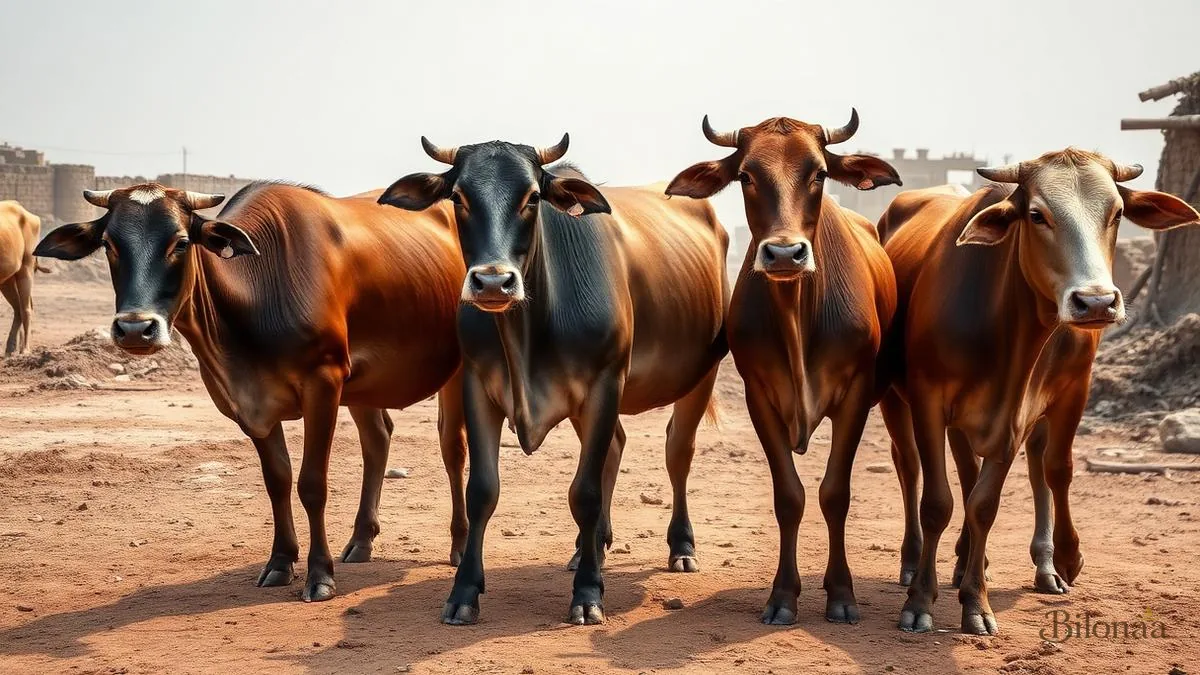
Exploring the treasure trove of indigenous Indian cow breeds reveals a fascinating connection to our health and traditional practices. India is blessed with a rich diversity of native cattle, many of which are celebrated for their ability to produce A2 milk, a type of milk gaining global recognition for its purported health benefits compared to A1 milk.
Understanding what A2 milk truly means is foundational to appreciating these specific breeds. A2 milk refers to milk containing primarily A2 beta-casein protein, as opposed to A1 beta-casein protein found in the milk of many Western dairy breeds. Genetic studies indicate that A2 milk is often the original form of bovine milk, making it a natural choice for those seeking traditional dairy products.
The historical significance of A2 milk-producing desi cows is deeply embedded in Indian culture and spiritual traditions. For millennia, indigenous cows have been revered as 'Gaumata,' or mother cow, central to agrarian economies, Ayurvedic medicine, and religious ceremonies, with their milk, curd, ghee, and even urine and dung playing vital roles in daily life and rituals.
The Gir cow, originating from the Gir hills and forests of Kathiawar in Gujarat, stands out as one of the most prominent A2 milk producers. Renowned for its distinctive humped back, long pendulous ears, and gentle disposition, the Gir breed is hardy and well-adapted to various climates, making it a prized asset for dairy farmers across India and even in countries like Brazil.
Another distinguished A2 milk breed is the Sahiwal cow, primarily found in the Punjab region. This breed is highly valued for its docile nature, good disease resistance, and consistently high milk yield with a rich fat content. The Sahiwal's milk is celebrated for its sweetness and creamy texture, making it particularly suitable for traditional ghee making.
Hailing from the Thar Desert in Rajasthan, the Tharparkar cow is a robust and resilient breed known for incredibly efficient milk production even in arid conditions. These cows possess excellent heat tolerance and immunity, thriving in challenging environments while providing nourishing A2 milk, a testament to their enduring adaptability.
The Rathi cow, an indigenous breed from the Bikaner region of Rajasthan, represents another highly cherished source of A2 milk. These semi-wild, hardy cows are a crossbreed of Sahiwal, Red Sindhi, and Tharparkar, known for their distinctive red or brown coats and their ability to produce substantial quantities of nutrient-rich milk, even on sparse pastures.
Beyond these prominent examples, various other indigenous Indian cow breeds also contribute to the A2 milk heritage. Breeds like the Hariana, Kankrej, and Red Sindhi also predominantly produce A2 milk, each with its unique characteristics and adaptations to specific regional conditions, collectively enriching India's dairy diversity.
From an Ayurvedic perspective, milk from indigenous cows is considered 'sattvic,' promoting mental clarity, physical strength, and overall well-being. Ayurveda tradition suggests that A2 milk is easier to digest and assimilate, balancing the 'doshas' and supporting bodily tissues, especially when consumed in its pure, unadulterated form.
Scientific studies, though ongoing, are increasingly shedding light on the potential benefits of A2 milk over A1. Some research indicates that the A2 beta-casein protein may be easier to digest for some individuals and might be less likely to cause gastrointestinal discomfort compared to A1 beta-casein. However, more extensive human studies are needed to draw definitive conclusions in this area.
The quality of A2 milk, and subsequently A2 ghee, is profoundly influenced by the cow's diet and environment. Cows that graze freely on natural pastures, consuming a diverse diet of fresh grasses and herbs, tend to produce milk that is richer in nutrients, including essential vitamins, minerals, and healthy fats, further enhancing the benefits of A2 milk.
Understanding the Bilona method of ghee making is crucial when discussing the purity of A2 ghee from these breeds. Traditional Bilona churning involves simmering A2 cow milk, culturing it into curd, and then churning this curd to separate butter, which is then slow-cooked to produce aromatic, granulated ghee. This method preserves the inherent nutritional value and unique flavour profile far better than industrial processes.
When sourcing your A2 milk or ghee, verifying the breed of the cow is paramount to ensuring authenticity. Look for farms or brands that specify their usage of indigenous Indian breeds like Gir, Sahiwal, Tharparkar, or Rathi. This transparency is key to avoiding products that might mix A1 milk or rely on less traditional dairy practices.
Bilonaa is deeply committed to preserving the integrity of this tradition, ensuring our pure A2 desi-cow Bilona ghee comes exclusively from these revered indigenous breeds in Bikaner, Rajasthan. We believe that the health of the cow directly translates to the quality and purity of the ghee, offering you a product rooted in ancient wisdom and natural nutrition.
Incorporating A2 milk from these desi breeds into your daily diet can be a simple yet profound step towards embracing traditional wellness. Whether as a refreshing drink, a base for homemade yogurt, or used to make authentic Bilona ghee, A2 milk offers a connection to nature and heritage that many modern foods lack.
Beyond its culinary uses, A2 cow milk and ghee are traditionally believed to offer various wellness benefits. From bolstering immunity and supporting bone health to promoting better digestion and enhancing cognitive function, these indigenous dairy products are considered holistic superfoods in Ayurveda.
While beneficial for most, it's always wise to consult with a healthcare professional or an Ayurvedic practitioner regarding specific dietary needs, especially if you have pre-existing health conditions or allergies. This ensures that any dietary changes align with your individual body's requirements.
In conclusion, the indigenous Indian cow breeds that produce A2 milk are not merely livestock; they are custodians of a rich cultural, nutritional, and medicinal heritage. Their milk, especially when transformed into pure Bilona ghee, offers a profound connection to traditional health practices and a truly authentic taste of India.
"The heart of authentic A2 ghee lies in the indigenous Indian cow breeds that graze freely, contributing to its unique nutritional profile."
Bilonaa Promise
Small-batch, A2 desi-cow, traditional bilona ghee — straight to your kitchen.
100% pure, hand-churned, slow-cooked on a wood fire and packed in glass jars.
FAQs
Quick answers
What is the primary difference between A1 and A2 milk?
The main difference lies in the beta-casein protein. A1 milk contains A1 beta-casein, which some studies suggest can break down into BCM-7, potentially causing digestive discomfort. A2 milk, predominantly found in indigenous cows, contains A2 beta-casein, which is thought to be easier to digest and less likely to form BCM-7.
Which indigenous Indian cow breeds are known for producing A2 milk?
Several esteemed Indian breeds are known for their A2 milk. The most prominent include the Gir, Sahiwal, Tharparkar, and Rathi cows. Other breeds like Hariana and Kankrej also predominantly produce A2 milk, each adapted to different regional conditions.
Why is Bilona ghee from A2 milk considered superior?
Bilona ghee, made from A2 milk of indigenous cows using the traditional hand-churning method, is considered superior because it retains more nutrients, offers a richer flavour profile, and is free from the chemicals or high-heat processes often used in industrial ghee production. It embodies Ayurvedic principles of holistic wellness.
How does the diet of desi cows impact the quality of A2 milk and ghee?
The diet of desi cows significantly impacts milk quality. Cows that graze freely on natural pastures and eat organic fodder produce milk richer in essential nutrients, including Omega-3 fatty acids, CLA (Conjugated Linoleic Acid), and fat-soluble vitamins (A, D, E, K). This translates to more nutritious and potent A2 ghee.
Are there any specific health benefits associated with consuming A2 milk or ghee?
Ayurveda traditionally suggests that A2 milk and ghee aid digestion, boost immunity, support bone health, and promote overall vitality. Modern research indicates A2 milk might be easier for some individuals to digest due to its protein structure, potentially reducing discomfort associated with dairy consumption.
How can I ensure the A2 milk or ghee I buy is authentic?
To ensure authenticity, look for brands that clearly state the source of their milk – specifically mentioning indigenous Indian cow breeds (like Gir, Sahiwal, Rathi) and their farming practices (e.g., pasture-fed, organic). Brands like Bilonaa, operating from Bikaner, Rajasthan, transparently share their commitment to indigenous desi cows and the traditional Bilona method.
Can A2 milk help with dairy sensitivities?
While not a cure for lactose intolerance, some individuals who experience mild digestive discomfort from regular (A1) milk report better tolerance with A2 milk. The difference lies in the protein structure, with A2 beta-casein being generally considered easier to digest by some without triggering similar symptoms. It's best to consult a healthcare provider.
Educational content only — please consult a doctor for medical conditions.
Get gentle ghee notes in your inbox
One thoughtful Ayurveda + kitchen note a week. No spam. Unsubscribe anytime.
Conversation(0)
Share a thought — every comment is read before it appears.