Cow Breeds
Ethical Dairy and A2 Ghee: Why Calf-First Sourcing Matters
On this page
- Understanding what ethical dairy truly encompasses is the fi
- The concept of 'calf-first' sourcing stands as a cornerstone
- Exploring the ancient wisdom behind calf-first dairy reveals
- The inherent benefits of A2 milk, sourced from indigenous In
- Tracing the journey from milk to ghee, the traditional Bilon
- The crucial distinction between Bilona-made ghee and regular
- Recognising the 'milawat' or adulteration prevalent in the m
- The impact of farming practices on the environment is anothe
Understanding what ethical dairy truly encompasses is the first step in appreciating the value of your A2 ghee. Ethical dairy, at its core, refers to farming practices that prioritise the well-being of the animals, treat them with respect, and ensure a natural and healthy life cycle for cows, calves, and bulls alike, moving far beyond mere sustenance to providing a quality of life that aligns with humane principles and traditional Indian values.
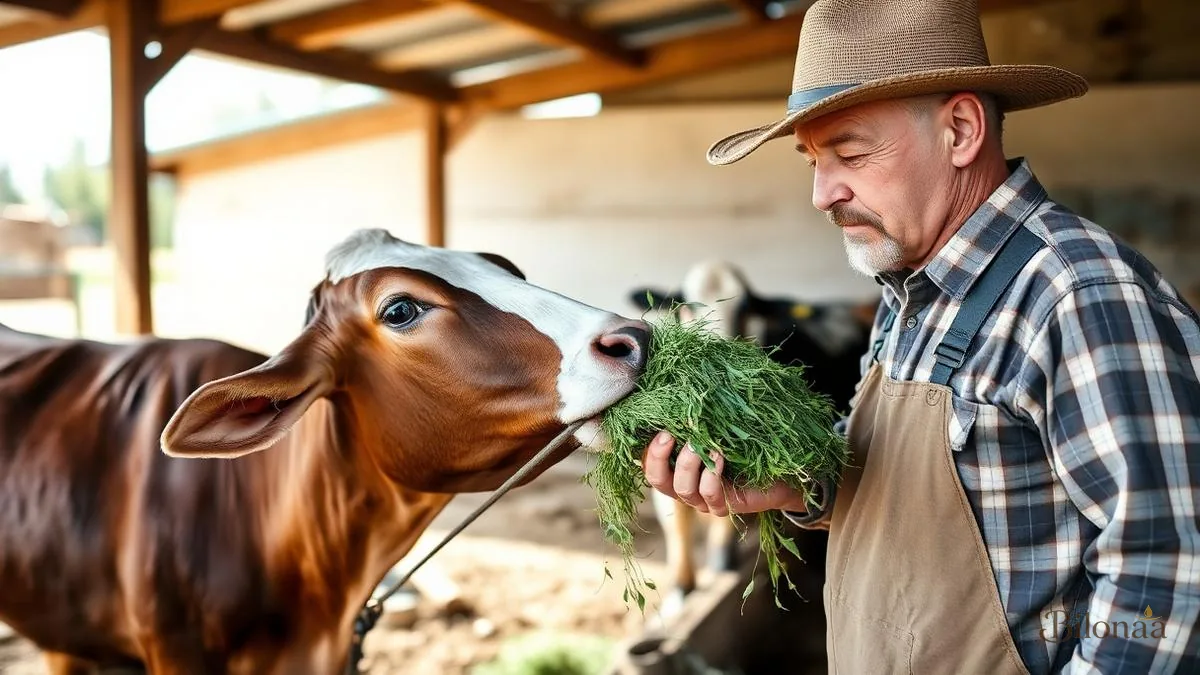
The concept of 'calf-first' sourcing stands as a cornerstone of genuine ethical dairy, embodying a deep reverence for the natural order. This practice ensures that the calf receives its mother's milk – Colostrum and subsequent milk – for the crucial initial months, allowing it to grow strong and healthy before any surplus milk is used for human consumption, a principle deeply rooted in ancient wisdom and animal welfare.
Exploring the ancient wisdom behind calf-first dairy reveals a practice that is far from new, echoing through the traditions of Indian villages for millennia. Our ancestors understood the profound biological and emotional bond between a cow and her calf, recognising that separating them or depriving the calf of its natural nourishment was not only cruel but also went against the very tenets of ethical animal husbandry, linking it inextricably to the quality of the milk.
The inherent benefits of A2 milk, sourced from indigenous Indian cows like Gir, Sahiwal, and Rathi, are significant, differentiating it from the A1 milk produced by many Western breeds. A2 milk contains a different type of beta-casein protein, which studies indicate is easier to digest for many individuals, potentially reducing digestive discomfort often associated with regular dairy consumption.
Tracing the journey from milk to ghee, the traditional Bilona method stands out as a time-honoured technique that preserves the purity and nutritional integrity. Unlike industrial methods that use high heat and chemical processes, the Bilona process involves culturing the milk, churning it manually or semi-manually to separate butter, and then simmering this butter over a low flame, resulting in a granular, nutrient-rich ghee that retains its natural goodness.
The crucial distinction between Bilona-made ghee and regular ghee lies in their creation process and the subsequent nutritional profile. While most commercial ghee is made directly from cream, which involves industrial separators and often leads to a loss of vital nutrients, Bilona ghee, derived from curd, ensures a richer array of fat-soluble vitamins, short-chain fatty acids, and a unique flavour profile.
Recognising the 'milawat' or adulteration prevalent in the market is vital for consumers seeking genuine, ethical products. Many commercial ghee products may contain vegetable oils, artificial colours, or flavourings, significantly compromising their purity and health benefits, underscoring the importance of knowing your source and trusting brands committed to authenticity.
The impact of farming practices on the environment is another critical aspect of ethical dairy, moving beyond animal welfare to encompass ecological responsibility. Sustainable practices, such as rotational grazing, organic feed, and responsible waste management, contribute to healthier soil, reduced carbon footprint, and overall ecological balance, reinforcing the holistic benefits of an ethical approach.
Understanding the Bilonaa commitment to ethical sourcing provides clarity on transparent and responsible practices. Bilonaa proudly adheres to calf-first principles, ensuring our indigenous desi cows and their calves are nurtured naturally in Bikaner, Rajasthan, producing pure A2 ghee through the traditional Bilona method, exemplifying a deep respect for both tradition and animal well-being.
The Ayurvedic perspective on ghee is profound, considering it a fundamental element for health and vitality, revered as 'liquid gold.' Ayurveda extols ghee for its ability to enhance digestion, boost immunity, nourish tissues, and improve mental clarity, recommending it as a daily dietary staple for balancing all three doshas and promoting overall longevity.
Delving into the nutritional science of A2 Bilona ghee reveals a superfood packed with beneficial compounds. It is a rich source of healthy saturated fats, fat-soluble vitamins (A, D, E, K), conjugated linoleic acid (CLA), and butyric acid, all of which contribute to gut health, bone density, immune function, and anti-inflammatory processes within the body.
Incorporating ethical A2 Bilona ghee into your daily diet is simple and immensely rewarding, offering versatile culinary and health benefits. Use it for cooking and sautéing, drizzle it over warm grains and vegetables, add a spoonful to your coffee or tea for an energy boost, or even apply it externally for skincare and massage, harnessing its wholesome properties.
Identifying genuine A2 Bilona ghee requires awareness and a keen eye for quality indicators, helping you distinguish it from lesser alternatives. Look for a granular texture, a rich yellowish hue (especially if from grass-fed cows), a fresh, nutty aroma, and transparent labelling that details the sourcing, breed of cow, and manufacturing process.
Storing your precious A2 Bilona ghee correctly ensures its longevity and preserves its purity and flavour without refrigeration. Keep it in an airtight container in a cool, dark place away from direct sunlight and moisture, and it will remain fresh for several months, often becoming even more flavourful with time, a testament to its natural preservation qualities.
Addressing common myths surrounding ghee, such as 'ghee is unhealthy because it's fat,' is crucial to promoting accurate understanding. Scientific research and Ayurvedic wisdom consistently affirm that ghee, particularly A2 Bilona ghee, is a healthy fat when consumed in moderation, supporting cholesterol balance, not detrimental to heart health, and essential for nutrient absorption.
While ghee is beneficial for most, it's prudent to consider individual dietary needs and health conditions before making it a regular part of your diet. Individuals with specific allergies or certain medical conditions should consult their healthcare provider, though ghee is generally well-tolerated even by those with lactose intolerance due to the removal of milk solids during its preparation.
The holistic benefits of choosing ethical dairy extend far beyond your plate, impacting the environment, local communities, and the very fabric of traditional practices. By supporting ethical farmers, you contribute to sustainable agriculture, promote animal welfare, preserve indigenous cow breeds, and empower communities that uphold these invaluable traditions, creating a ripple effect of positive change.
Making an informed choice leads to a more fulfilling experience, knowing that your purchase supports a virtuous cycle of care and sustainability. Opting for ethical A2 Bilona ghee means investing in your health, supporting humane practices, and contributing to a greener planet, resonating with the principles of conscious consumption and holistic well-being.
"True A2 ghee, made with the Bilona method, isn't just a product; it's a philosophy of care, tradition, and respect for nature's bounty."
Bilonaa Promise
Small-batch, A2 desi-cow, traditional bilona ghee — straight to your kitchen.
100% pure, hand-churned, slow-cooked on a wood fire and packed in glass jars.
FAQs
Quick answers
What does 'calf-first' sourcing mean for my ghee?
Calf-first sourcing ensures that calves receive their mother's milk for their essential early development. Only surplus milk is then used, guaranteeing ethical treatment and allowing cows to nurture their young naturally, directly impacting the quality and ethics of the A2 ghee you consume.
How does Bilona ghee differ from regular commercial ghee?
Bilona ghee is prepared by churning cultured curd, then simmering the butter. This traditional method preserves more nutrients, like short-chain fatty acids, compared to commercial ghee made directly from cream, which often uses industrial processes and lacks the same depth of flavour and nutritional profile.
Is A2 ghee suitable for individuals with lactose intolerance?
Yes, A2 ghee is generally well-tolerated by individuals with lactose intolerance. The Bilona process clarifies the butter by removing milk solids, including most of the lactose and casein, leaving behind a pure fat that is less likely to trigger digestive issues.
Why is the ethical treatment of cows important for ghee quality?
Ethical treatment contributes significantly to the cow's health and happiness, which in turn influences milk quality. Stress-free, well-nourished cows produce higher quality milk, which translates into superior A2 ghee that is richer in nutrients and has a more desirable flavour, aligning with Ayurvedic principles of purity.
Where does Bilonaa source its A2 ghee from?
Bilonaa sources its pure A2 desi-cow Bilona ghee from indigenous cows raised with calf-first principles in ethical, traditional farms located in Bikaner, Rajasthan. This ensures authenticity, purity, and adherence to humane and sustainable farming practices from the heart of India.
What are the key health benefits of consuming ethical A2 Bilona ghee?
Ethical A2 Bilona ghee is rich in healthy fats, fat-soluble vitamins (A, D, E, K), CLA, and butyric acid. It supports digestion, boosts immunity, enhances nutrient absorption, nourishes tissues, and can contribute to overall well-being, while being a source of good, easily digestible energy.
Educational content only — please consult a doctor for medical conditions.
Get gentle ghee notes in your inbox
One thoughtful Ayurveda + kitchen note a week. No spam. Unsubscribe anytime.
Conversation(0)
Share a thought — every comment is read before it appears.