Cow Breeds
Why Free-Grazing Cows Make Better Ghee: Sourcing Explained
On this page
- Understanding the true essence of 'free-grazing cow ghee' be
- The historical reverence for free-grazing cows, particularly
- When cows graze naturally, their diet is rich in a diverse a
- The distinct fatty acid profile in ghee made from free-grazi
- Bilona ghee, particularly from free-grazing desi cows, is tr
- Beyond superior nutrition, the ethical considerations of fre
- Differentiating 'grass-fed' from 'free-grazing' is crucial f
- The journey of milk from a free-grazing cow to your jar of B
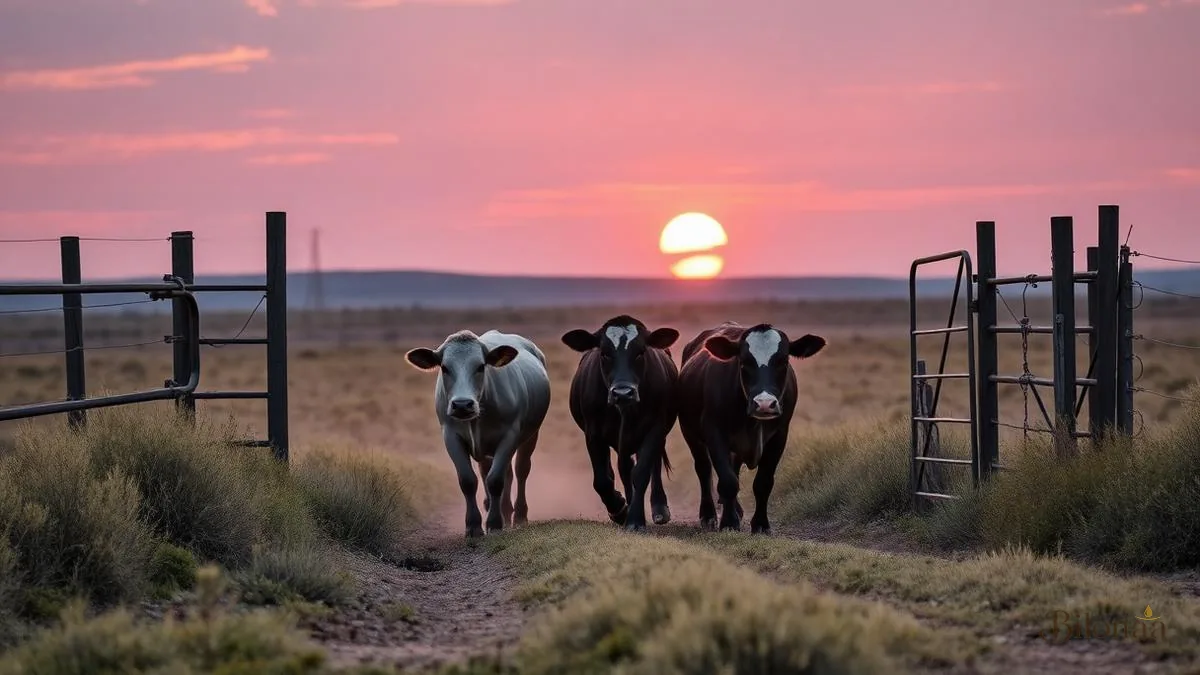
Understanding the true essence of 'free-grazing cow ghee' begins with appreciating the fundamental difference it represents in dairy farming practices. Unlike confinement systems, free-grazing cows are those allowed to roam freely in open pastures, consuming natural fodder like grass, herbs, and shrubs. This natural diet and lifestyle profoundly influence their health, milk quality, and subsequently, the nutritional superiority of the ghee derived from their milk, distinguishing it significantly from conventional alternatives.
The historical reverence for free-grazing cows, particularly indigenous Indian breeds (desi cows), is deeply rooted in Ayurvedic texts and ancient Indian culture. Our ancestors, or dadi-nanis, instinctively understood that cows living in harmony with nature produced milk that was not just food, but medicine. This traditional wisdom emphasized the intrinsic connection between a cow's environment, diet, emotional state, and the resultant quality of its dairy products, long before modern science began to quantify these benefits.
When cows graze naturally, their diet is rich in a diverse array of nutrients not found in stall-fed animals. Free-grazing cows consume fresh grass, various herbs, and weeds, which are packed with vitamins, minerals, and phytonutrients. This varied, natural intake directly translates into milk with a richer nutritional profile, specifically higher levels of fat-soluble vitamins like A, D, E, and K2, and beneficial fatty acids, which then get concentrated in the ghee.
The distinct fatty acid profile in ghee made from free-grazing cow milk is a significant factor in its perceived benefits. Studies indicate that milk from grass-fed cows often contains a more favourable Omega-3 to Omega-6 ratio, along with higher levels of Conjugated Linoleic Acid (CLA). These particular fatty acids are associated with various health attributes, and their presence in ghee can be substantially influenced by the cow's diet, making free-grazing a superior choice.
Bilona ghee, particularly from free-grazing desi cows, is traditionally believed to possess enhanced digestive and metabolic properties. Ayurveda posits that such ghee, being sattvic (pure and harmonious), aids in balancing digestive fires (Agni) and improving nutrient assimilation. The natural enzymes and beneficial bacteria naturally present in the raw milk, which are retained in the traditional bilona process, contribute to this digestibility, making it a revered culinary and medicinal substance.
Beyond superior nutrition, the ethical considerations of free-grazing farming methods significantly contribute to the overall quality and 'vibration' of the ghee. Cows that are allowed freedom to move, graze, and socialize naturally experience less stress, contributing to better overall health and milk quality. This ethical and humane treatment is not just good for the animal, but also, as per traditional beliefs, imbues the milk and subsequent ghee with positive vital energy.
Differentiating 'grass-fed' from 'free-grazing' is crucial for discerning consumers seeking the highest quality ghee. While 'grass-fed' implies a primarily grass-based diet, cows might still be confined or fed cut grass. 'Free-grazing', on the other hand, strictly implies cows roaming openly in pastures, autonomously selecting their forage. This distinction ensures the cows live a more natural life, leading to the full spectrum of benefits associated with their diet and lifestyle.
The journey of milk from a free-grazing cow to your jar of Bilonaa A2 Desi Ghee involves meticulous traditional practices. We collect milk from indigenous desi cow breeds, known for producing A2 beta-casein protein, recognized for being easier to digest for many individuals. This milk, naturally nurtured by free-grazing, is then traditionally hand-churned in the bilona method, preserving delicate nutrients and unique flavour profiles that mass-produced alternatives cannot replicate.
Choosing ghee from free-grazing cows is a conscious step towards supporting sustainable and ethical dairy farming practices. These systems typically maintain healthier ecosystems, with cows' grazing patterns enriching soil fertility and biodiversity. By opting for such products, consumers contribute to a cycle that respects animal welfare, environmental balance, and human health, moving away from factory farming methods.
Identifying authentic free-grazing cow ghee requires careful scrutiny beyond generic labelling. Look for certifications like 'organic' or 'pasture-raised' from reputable bodies, and brands that provide transparency about their sourcing and farming methods. A premium product will often state the breed of cow (e.g., Sahiwal, Gir) and the specific region where the cows graze, offering assurance of its provenance and quality.
The unparalleled flavour and aroma of ghee sourced from free-grazing cows is another tell-tale sign of its superior quality. The varied diet of natural grasses and herbs contributes to subtle, nuanced flavours and a rich, earthy aroma in the ghee, distinguishing it from the blandness often found in ghee from grain-fed, confined animals. Connoisseurs often describe it as having a more 'nutty' or 'caramel-like' complexity.
While the benefits of free-grazing ghee are widely praised, individuals with known dairy allergies or specific medical conditions should consult their healthcare provider before incorporating it into their diet. Although A2 ghee is often better tolerated by those with A1 protein sensitivities, it is still a dairy product. Always prioritize professional medical advice when making significant dietary changes.
One common misconception is that all ghee found in India is 'desi' and therefore high quality. However, 'desi' merely refers to indigenous Indian cows, but their rearing conditions can vary immensely. Unless explicitly stated and verified, such cows might still be stall-fed or subjected to conventional farming. True quality stems from the combination of desi breed, free-grazing, and traditional bilona churning.
Storing your free-grazing A2 desi ghee properly is essential to maintain its potency and flavour. Keep it in a cool, dark place, away from direct sunlight and moisture. An airtight container is best to prevent oxidation and absorption of other odours. While refrigeration is not strictly necessary for pure ghee, it can prolong its shelf life, especially in humid climates, by preventing rancidity.
The everyday applications of free-grazing cow ghee are incredibly diverse, extending far beyond simple cooking. It can be used as a healthy cooking medium with a high smoke point, drizzled over warm rotis or dal, or even incorporated into traditional Ayurvedic practices like oil pulling or Nasya (nasal drops). Its versatility makes it a kitchen staple that nourishes from within.
Selecting Bilonaa A2 Desi Ghee means choosing a product that embodies all these principles: purity, tradition, and ethical sourcing. Our ghee is crafted with utmost care, ensuring it retains the superior qualities derived from free-grazing desi cows in Bikaner, Rajasthan, and made using the time-honoured bilona method. We believe in providing you with asli ghee – truly authentic, nutrient-rich, and full of vitality.
Incorporating free-grazing cow ghee into your daily routine is an investment in your well-being. It's not just about a cooking ingredient; it's about embracing a legacy of natural living and holistic health. By understanding its origins and benefits, you can make informed choices that nourish your body and support sustainable practices.
The impact of free-grazing extends to the very structure of the soil and the biodiversity of the land. Cows naturally fertilize the pastures, promote diverse plant growth, and even help manage ecosystems by consuming invasive species, contributing to a healthier environment. This symbiotic relationship between animal, land, and produce ensures a sustainable future for agriculture.
"The happy, healthy life of a free-grazing cow is inextricably linked to the purity and potency of the ghee it produces."
Bilonaa Promise
Small-batch, A2 desi-cow, traditional bilona ghee — straight to your kitchen.
100% pure, hand-churned, slow-cooked on a wood fire and packed in glass jars.
FAQs
Quick answers
What is the key difference between free-grazing and grass-fed cows?
Free-grazing cows roam freely in open pastures, selecting their own natural forage, herbs, and grasses. Grass-fed typically means they are fed grass, but might still be confined or given cut grass, lacking the freedom and dietary diversity of true free-grazing.
Why is ghee from free-grazing cows considered more nutritious?
Their natural and varied diet of fresh grass and herbs provides higher levels of fat-soluble vitamins (A, D, E, K2), beneficial fatty acids like CLA, and a better Omega-3 to Omega-6 ratio, all concentrated in their milk and subsequently, the ghee.
Does free-grazing also mean organic?
Not necessarily, but there's a strong correlation. Free-grazing refers to the cow's living conditions. To be certified organic, the pastures must also be free from synthetic pesticides and fertilizers, and the cows not given antibiotics or growth hormones. Many free-grazing farms also adhere to organic principles.
How does the bilona method enhance free-grazing cow ghee?
The bilona method involves slow, traditional churning of curd, which is believed to preserve delicate nutrients, enzymes, and the natural flavour profile from milk. When combined with milk from free-grazing cows, it creates a highly potent and digestible ghee.
Can all desi cows be considered free-grazing?
No, 'desi' refers to indigenous Indian breeds, but their farming conditions can vary greatly. Many desi cows are still stall-fed or kept in confined spaces. For true free-grazing ghee, look for specific declarations of 'pasture-raised' or 'free-grazing' on the product label.
What are the Ayurvedic benefits attributed to free-grazing cow ghee?
Ayurveda traditionally views free-grazing desi cow ghee as sattvic and balancing. It is believed to kindle digestive fire (Agni), improve nutrient absorption, nourish all body tissues (dhatus), and promote overall well-being, both physically and mentally.
Educational content only — please consult a doctor for medical conditions.
Get gentle ghee notes in your inbox
One thoughtful Ayurveda + kitchen note a week. No spam. Unsubscribe anytime.
Conversation(0)
Share a thought — every comment is read before it appears.