
Health Benefits
Ghee for Pregnancy: Benefits, Safety and Right Quantity
On this page
- Understanding the role of ghee during pregnancy begins with
- The historical significance of ghee in pregnancy is deeply r
- Delving into the nutritional science behind ghee reveals why
- Ayurvedic perspectives on ghee for pregnant women emphasize
- Addressing common concerns about fat intake during pregnancy
- Safety considerations for including ghee in a pregnancy diet
- Determining the right quantity of ghee for pregnant women is
- Incorporating ghee into your daily pregnancy diet can be don
Understanding the role of ghee during pregnancy begins with appreciating its rich nutritional profile, which extends far beyond basic fat content. Ghee, especially that made from A2 desi cow milk using the traditional bilona method, is packed with essential fatty acids like Omega-3 and Omega-9, along with fat-soluble vitamins A, D, E, and K. These nutrients are crucial for both maternal health and fetal development, contributing to everything from brain development to bone strength, making its inclusion in an expectant mother's diet a topic of significant interest in both traditional and modern health discussions.
The historical significance of ghee in pregnancy is deeply rooted in Ayurvedic traditions, where it has been revered for centuries as 'Ghruta' – a sacred and highly beneficial substance. Ancient texts recommend consuming ghee from the early stages of conception through postpartum, believing it nourishes all body tissues (dhatus), strengthens immunity, aids digestion, and promotes mental clarity. This traditional wisdom views ghee not just as food, but as a therapeutic agent that supports the body's profound changes during gestation, setting a nourishing foundation for both mother and baby.
Delving into the nutritional science behind ghee reveals why it’s considered a powerhouse during pregnancy, offering more than just calories. Ghee is an excellent source of conjugated linoleic acid (CLA), a potent antioxidant, and butyric acid, a short-chain fatty acid known for its gut-healing properties. For pregnant women, strong digestive health is paramount, and butyric acid helps maintain it while supporting a healthy microbiome. Furthermore, the fat-soluble vitamins in ghee are vital for fetal growth, particularly for eye, bone, and immune system development, highlighting its holistic contribution to a healthy pregnancy.
Ayurvedic perspectives on ghee for pregnant women emphasize its 'ojas' building quality, referring to the vital essence that supports immunity, strength, and overall well-being. Ayurveda suggests that regular consumption of pure desi ghee can help lubricate the birth canal, theoretically aiding in a smoother delivery process. It's also believed to soothe the vata dosha, which can become imbalanced during pregnancy, leading to issues like anxiety or constipation. By providing deep nourishment and grounding energy, ghee helps maintain equilibrium, supporting physical and emotional stability throughout the trimesters.
Addressing common concerns about fat intake during pregnancy, ghee offers a healthy and digestible alternative to many processed fats. While it is calorie-dense, its medium-chain fatty acids are metabolized differently, providing a readily available energy source that doesn't put undue strain on the liver. Unlike refined oils, pure ghee from sources like Bilonaa is free from harmful trans fats and oxidised cholesterol, making it a safer and more natural choice for women who are mindful of their dietary fat quality. This makes it an excellent choice for sustaining energy levels without compromising health.
Safety considerations for including ghee in a pregnancy diet predominantly revolve around the quality and quantity consumed. For most healthy pregnant women, pure A2 desi cow ghee is generally considered safe and beneficial when consumed in moderation. However, individuals with gestational diabetes, high cholesterol, or those advised to limit fat intake due to specific medical conditions should consult their healthcare provider before significantly increasing their ghee consumption. Always prioritise pure, unadulterated ghee to avoid contaminants that could be present in lower-quality products, ensuring maximum benefits and minimal risks.
Determining the right quantity of ghee for pregnant women is crucial, as too much of a good thing can have adverse effects. As a general guideline, experts suggest 1-2 teaspoons (approximately 5-10 grams) of pure A2 ghee daily, which can be incorporated into meals. This amount provides the necessary nutrients without contributing excessive calories or fat, ensuring a balanced diet. It's important to listen to your body and adjust intake based on your energy levels, digestive comfort, and advice from your doctor or a qualified nutritionist. The goal is to supplement, not to overdo it.
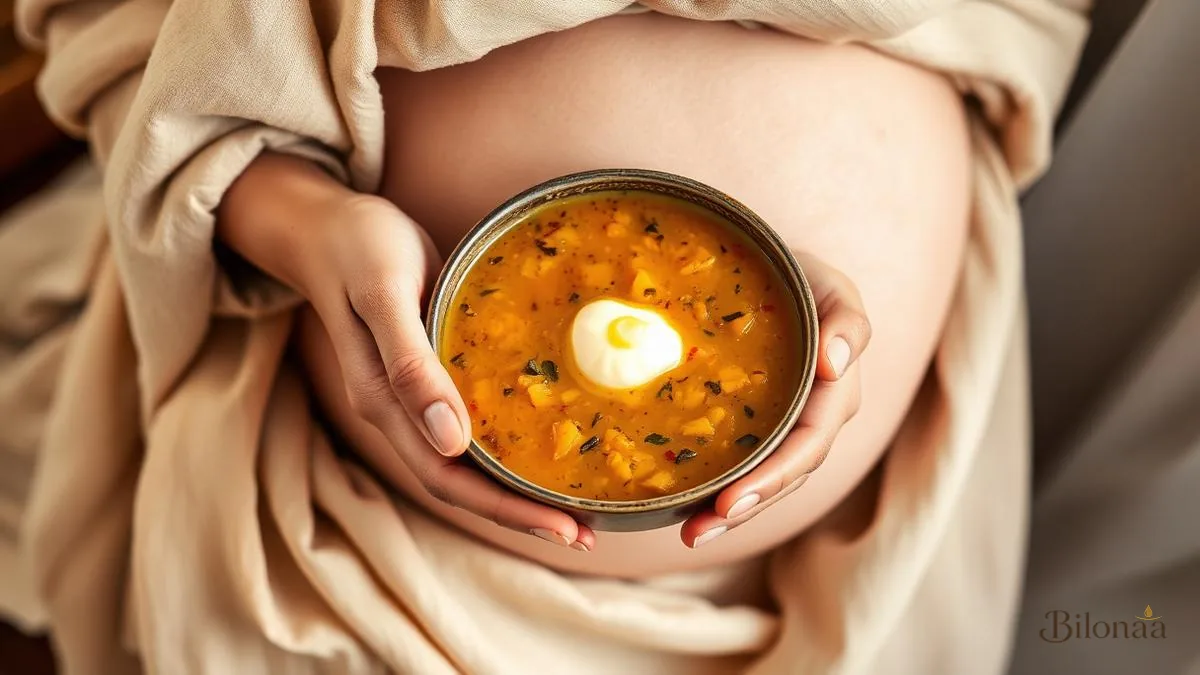
Incorporating ghee into your daily pregnancy diet can be done in various simple and delicious ways, making it an enjoyable addition rather than a chore. You can drizzle a teaspoon over warm rice, dal, or chapati to enhance flavour and nutrient absorption. Adding it to porridges or soups provides a comforting richness. Some women even stir a small amount into their warm milk or herbal tea. These small culinary adjustments ensure consistent intake of its beneficial compounds without radically changing your established eating habits, integrating seamlessly into your daily routine.
Comparing A2 bilona ghee with other fats highlights its unique advantages, especially for pregnant women seeking optimal nutrition. Unlike vegetable oils often high in inflammatory Omega-6s or butter which contains casein and lactose potentially problematic for some, A2 bilona ghee is lactose and casein-free, making it suitable for sensitivities. Its high smoke point makes it excellent for cooking without forming harmful free radicals, unlike olive oil, which can degrade at higher temperatures. This makes it a superior choice for comprehensive nutritional support and culinary versatility.
Choosing pure A2 desi cow ghee is paramount for unlocking the full spectrum of benefits during pregnancy, ensuring you receive the highest quality preparation. 'A2' refers to the type of beta-casein protein found in the milk, which is considered easier to digest and less inflammatory than A1 protein. The 'bilona' method, an ancient churning process, involves hand-churning curd to extract butter, then simmering it into ghee, preserving its vital nutrients and natural aroma. This traditional process avoids harsh machinery and chemicals, ensuring genuine purity and potency, crucial for sensitive bodily states like pregnancy.
The source of your ghee plays a critical role in its quality and, consequently, its benefits during pregnancy. Opting for ghee derived from grass-fed desi cows, raised ethically and without hormones or antibiotics, ensures a product rich in essential vitamins and healthy fats. Conscious sourcing also implies avoiding 'milawat' (adulteration) – a widespread issue where cheaper oils are mixed with ghee. Reputable brands like Bilonaa specifically champion this commitment to purity and ethical sourcing, offering transparency about their processes and ensuring that the ghee you consume is truly authentic and beneficial.
Specific benefits of ghee for fetal development are numerous, deeply supporting the baby's growth in the womb. The healthy fats in ghee are foundational for the development of the fetal brain and nervous system, which undergo rapid growth throughout pregnancy. Vitamin K2, unique to grass-fed ghee, plays a role in bone density and proper blood clotting. Furthermore, the overall nourishment provided by ghee supports healthy cell division and organogenesis, contributing to a robust foundation for your baby's life. It is like an ancient superfood for your unborn child.
Addressing and dispelling common myths about ghee during pregnancy is essential to encourage informed choices. One prevalent myth is that ghee leads to excessive weight gain; however, when consumed in moderation, its healthy fats can actually provide sustained energy and satiety, helping manage cravings. Another misconception is that it can cause labour complications due to increased baby size; there is no scientific evidence to support this, and a balanced diet with proper nutrition is key. Pure ghee, in appropriate amounts, is a beneficial part of a healthy pregnancy diet, not a hindrance.
The role of ghee in digestive health during pregnancy is particularly noteworthy, as many women experience issues like constipation or indigestion. Butyric acid, a key component of ghee, is known to nourish colon cells and reduce inflammation in the gut, promoting regular bowel movements and a healthy digestive lining. Its lubricating properties also aid in smooth digestion and absorption of nutrients from other foods. By supporting a robust digestive system, ghee indirectly enhances the absorption of vital nutrients essential for both mother and baby.
Beyond physical nourishment, the emotional and mental well-being benefits of ghee during pregnancy are recognised in holistic approaches like Ayurveda. Ghee is traditionally believed to have sattvic qualities, promoting clarity, calmness, and mental peace. For expectant mothers, who often experience swings in mood and increased stress, incorporating ghee can be a small but meaningful step towards emotional balance. This subtle influence on mood and cognitive function complements its physical advantages, supporting a more harmonious pregnancy journey.
Storing your ghee correctly is vital to preserve its nutritional integrity and freshness, especially when consuming it during such a delicate phase as pregnancy. Always keep ghee in an airtight container, away from direct sunlight and moisture. It does not require refrigeration and can be stored at room temperature for several months. Proper storage prevents rancidity and loss of its beneficial properties, ensuring every spoonful you consume is as potent and healthful as intended, maintaining its purity and extending its shelf life for your consistent use.
As you consider incorporating ghee into your pregnancy diet, Bilonaa offers a trusted source of pure A2 desi cow bilona ghee, ensuring you receive a product crafted with authenticity and care. Our commitment to traditional methods and ethical sourcing from Bikaner, Rajasthan, means every jar of Bilonaa ghee carries the rich heritage and unadulterated goodness that expectant mothers seek. Choosing Bilonaa is choosing peace of mind, knowing you are nourishing yourself and your baby with a product of uncompromised quality and purity, just as nature intended, maintaining the highest standards for your wellbeing.
Concluding our exploration, ghee for pregnancy emerges as a multifaceted superfood, offering a blend of traditional wisdom and scientific validation. When sourced correctly and consumed in appropriate quantities, pure A2 bilona ghee can be a valuable ally for expectant mothers, supporting not just physical health and fetal development, but also digestive comfort and emotional balance. Always remember to consult with your healthcare provider to tailor dietary advice to your individual needs, ensuring a safe and nourished pregnancy journey, empowering both mother and baby optimally.
"Ghee, particularly pure A2 Bilona ghee, is not merely a cooking medium; it’s a time-honoured elixir offering nourishment, strength, and ease during the transformative journey of pregnancy."
Bilonaa Promise
Small-batch, A2 desi-cow, traditional bilona ghee — straight to your kitchen.
100% pure, hand-churned, slow-cooked on a wood fire and packed in glass jars.
FAQs
Quick answers
Is A2 Ghee safe during early pregnancy?
Yes, pure A2 ghee is generally considered safe and beneficial in early pregnancy when consumed in moderation. Its healthy fats and vitamins support initial fetal development and maternal health. Always consult your doctor for personalised dietary advice before making significant changes.
What quantity of ghee is recommended for pregnant women?
Experts usually recommend 1-2 teaspoons (approximately 5-10 grams) of pure A2 ghee daily for pregnant women. This amount provides beneficial nutrients without excess calories. Adjust based on individual needs, energy levels, and medical advice.
Can ghee help with discomforts like constipation during pregnancy?
Yes, ghee is traditionally believed and scientifically supported to aid digestion. Its butyric acid content nourishes gut cells, and its natural lubricating properties can help facilitate smoother bowel movements, potentially alleviating pregnancy-related constipation for some women.
Does consuming ghee during pregnancy make the baby too big?
This is a common myth. There is no scientific evidence to suggest that moderate consumption of pure ghee directly leads to an excessively large baby. A healthy, balanced diet, along with appropriate caloric intake, is what matters most for fetal growth.
Which type of ghee is best for pregnancy?
Pure A2 desi cow bilona ghee is considered the best choice. A2 milk is easier to digest, and the bilona method preserves nutrients optimally, ensuring a product rich in healthy fats and vitamins, free from modern processing chemicals.
How can I incorporate ghee into my daily pregnancy diet?
You can easily add ghee to your diet by drizzling it over warm rice, dal, chapati, or vegetables. It can also be mixed into porridges, soups, or warm milk. Start with a small amount and gradually increase as comfortable, staying within recommended limits.
Educational content only — please consult a doctor for medical conditions.
Get gentle ghee notes in your inbox
One thoughtful Ayurveda + kitchen note a week. No spam. Unsubscribe anytime.
Conversation(0)
Share a thought — every comment is read before it appears.