
Health Benefits
Ghee for Athletes: Where Fat Actually Fits in Post-Workout Recovery
On this page
- Sports nutrition is fundamentally anchored in energy balance
- Carbohydrates remain the non-negotiable primary fuel for hig
- Protein intake drives muscle protein synthesis and structura
- Dietary fats fulfill a distinct supporting role in meeting t
- Understanding human metabolic energy systems clarifies why f
- Traditional Ayurvedic physiology approaches physical stamina
- Medium-chain and short-chain fatty acids in cultured butterf
- A comparative breakdown helps clarify how different nutrient
Sports nutrition is fundamentally anchored in energy balance rather than isolated silver bullets. For active individuals engaged in strength training, running, or combat sports, recovery is often simplified into quick-fix promises. However, human physiology responds to precise nutrient timing and macronutrient availability. While sports science heavily emphasizes carbohydrates and protein immediately following exertion, dietary fats play a broader, longer-term supporting role. Understanding how fats function alongside primary recovery nutrients helps athletes construct sustainable meal plans without falling for exaggerated performance claims.
Carbohydrates remain the non-negotiable primary fuel for high-intensity athletic performance and immediate post-workout recovery. During rigorous physical activity, muscles rely predominantly on stored glycogen to generate adenosine triphosphate through glycolytic pathways. When training concludes, the human body enters a window of heightened insulin sensitivity where glucose transporter proteins actively shuttle circulating carbohydrates back into muscle tissue. Omitting carbohydrates post-workout in favor of pure fat slows down this vital glycogen resynthesis process. Consequently, any discussion of [bilona ghee](/bilona-ghee) in athletic diets must place carbohydrates at the center of the recovery plate.
Protein intake drives muscle protein synthesis and structural tissue repair after intense physical exertion. Exercise creates micro-tears in muscle fibers, triggering an adaptive response that requires a steady supply of essential amino acids, particularly leucine. Modern sports science consensus recommends consuming twenty to forty grams of high-quality protein shortly after resistance or endurance training to maximize muscle repair. Dietary fats do not stimulate muscle protein synthesis directly. Instead, they operate in the background, providing baseline energy and structural components for cell membranes over a twenty-four-hour dietary cycle.
Dietary fats fulfill a distinct supporting role in meeting the overall daily caloric needs of active individuals. Athletes undergoing heavy training volumes often struggle to consume sufficient total calories through lean proteins and complex carbohydrates alone. Fats provide nine calories per gram, offering a concentrated source of energy that prevents involuntary energy deficits and chronic fatigue. When an athlete maintains adequate total energy intake, the body preserves lean muscle mass and maintains hormonal homeostasis. In this broader context, traditional fats like [A2 cow ghee](/a2-cow-ghee) serve as a clean, energy-dense dietary foundation.
Understanding human metabolic energy systems clarifies why fat is not an immediate post-workout recovery accelerator. The body uses three main energy pathways: the phosphagen system for explosive bursts, the glycolytic system for sustained high effort, and the oxidative system for low-intensity aerobic activity. Dietary fat requires lengthy pancreatic digestion, emulsification by bile salts, and slow transport through the lymphatic system before entering circulation. Because fat delays gastric emptying, consuming large quantities of fat immediately after a grueling workout can slow the absorption of needed carbohydrates and amino acids.
Traditional Ayurvedic physiology approaches physical stamina and nourishment through the concepts of Ojas, Dhatu Agni, and targeted Snehana. In classical texts, ghee is categorized as a Brimhana (nourishing) and Balya (strength-promoting) substance that supports tissue integrity (Dhatus) when digested by a robust metabolic fire (Agni). Rather than viewing food solely as isolated macronutrients, Ayurveda regards cultured ghee as an Anupana—a vehicle that enhances the assimilation of herbs and wholesome foods. This traditional perspective aligns with the idea of ghee as a foundational, steady builder of physical resilience rather than a quick stimulant.
Medium-chain and short-chain fatty acids in cultured butterfat handle digestion somewhat differently than long-chain plant fats. Ghee contains naturally occurring butyric acid along with short- and medium-chain triglycerides that travel more directly to the liver via the portal vein. While this unique lipid structure allows for slightly more straightforward enzymatic breakdown compared to highly processed seed oils, it does not bypass the fundamental timeline of human lipid digestion. Athletes benefit from these fatty acids primarily through sustained energy release and intestinal mucosa support rather than instant athletic enhancement.
A comparative breakdown helps clarify how different nutrients function within a comprehensive athletic recovery window.
| Nutrient Category | Primary Recovery Function | Optimal Timing Relative to Workout | Digestion Speed | | :--- | :--- | :--- | :--- | | Carbohydrates | Glycogen resynthesis & insulin response | Immediate (0–2 hours post-workout) | Fast to Moderate | | Proteins | Muscle tissue repair & protein synthesis | Immediate to short-term (0–3 hours) | Moderate | | Dietary Fats | Caloric balance & hormone precursor support | Balanced meals (2+ hours post-workout) | Slow |
Fat co-ingestion can assist in the absorption of fat-soluble micronutrients essential for long-term athletic resilience. Fat-soluble vitamins—specifically Vitamin A, Vitamin D, Vitamin E, and Vitamin K—require dietary lipids for micellar transport across the intestinal brush border. Athletes require Vitamin D for bone mineral density and muscle function, while Vitamin E serves as an antioxidant against exercise-induced oxidative stress. Adding a measured portion of ghee to a carbohydrate and protein meal containing leafy greens, lentils, or orange vegetables enhances the bioavailability of these supportive micronutrients.
Current scientific evidence regarding fat intake directly surrounding the post-workout window remains modest and nuanced. High-quality human clinical trials evaluating post-exercise fat ingestion show that fat neither significantly boosts nor suppresses muscle protein synthesis when protein intake is adequate. Some studies indicate that high fat intake immediately post-workout slightly delays muscle glycogen resynthesis due to slower gastric transit, though total twenty-four-hour glycogen restoration remains similar if total carbohydrate intake is sufficient. Thus, evidence does not support using fat as a targeted recovery supplement, but rather as an integral component of daily caloric maintenance.
Indian athletes frequently face challenges meeting high daily energy expenditure through low-fat traditional diets alone. Standard sports nutrition guidelines developed in Western contexts often prescribe meal structures that do not match traditional Indian culinary practices. A diet consisting exclusively of boiled grains and lean legumes can feel unpalatable and overly voluminous for an athlete needing three thousand or more calories daily. Integrating traditional fats into cooked grains or lentils increases caloric density without introducing excessive bulk, making it easier for athletes to maintain energy balance.
Integrating cultured ghee into balanced Indian post-workout meals provides sustainable caloric density without gastric distress. A classic combination like dal-khichdi made with rice and moong dal provides a complete amino acid profile and easily digestible carbohydrates. Drizzling a teaspoon of cultured ghee over warm khichdi enhances satiety, improves flavor, and delivers steady caloric support without overloading the digestive system. Similarly, combining sattu flour with water, jaggery, and a small amount of fat offers a traditional, energy-dense recovery drink tailored to regional dietary preferences.
Timing fat intake relative to training sessions requires attention to personal gastrointestinal tolerance. Consuming high-fat meals immediately before intense interval training or heavy lifting can cause reflux, cramping, or sluggishness due to delayed stomach emptying. Most sports nutritionists recommend keeping pre-workout meals relatively low in fat, shifting larger lipid portions to main meals consumed several hours after training. To understand how metabolic timing aligns with daily biological rhythms, athletes can examine the [best time to eat ghee circadian rhythm](/blog/best-time-to-eat-ghee-circadian-rhythm) guidelines for optimal digestive alignment.
Western athletic trends have recently reconsidered saturated animal fats through specialized dietary protocols. High-fat ketogenic diets and butter-infused beverages have gained popularity among endurance runners seeking fat-adaptation. However, clinical studies on elite athletes show that while keto-adaptation increases fat oxidation rates, it often compromises high-intensity exercise economy and peak sprint power. Athletes interested in how traditional Indian butterfat contrasts with modern functional fat protocols can read about [ghee in western biohacking diets](/blog/ghee-in-western-biohacking-diets) to evaluate these trends objectively.
The [traditional bilona method](/traditional-bilona-method) yields a lipid profile distinct from industrial solvent-extracted cooking fats or mass-produced commercial butter. At Bilonaa, milk from indigenous A2 cows is cultured into whole curd before being hand-churned with a wooden bilona to separate fresh butter. This cultured butter is then slow-cooked over a gentle wood fire, preserving natural fat-soluble nutrients and short-chain fatty acids without chemical refining. For athletes conscious of ingredient purity, choosing traditionally prepared, unadulterated fats ensures that dietary calories come without hidden additives or solvent residues.
Distinguishing marketing claims from physiological reality is essential for any serious training regimen. No single ingredient—whether an exotic berry, a isolated peptide, or a traditional cultured fat—can replace structured training, adequate sleep, and total caloric adequacy. Ghee is not an ergogenic aid, a probiotic, or a shortcut to faster sprint times. It is a wholesome, energy-dense traditional food that, when used mindfully alongside adequate carbohydrates and proteins, supports an athlete's overarching daily nutrition strategy.
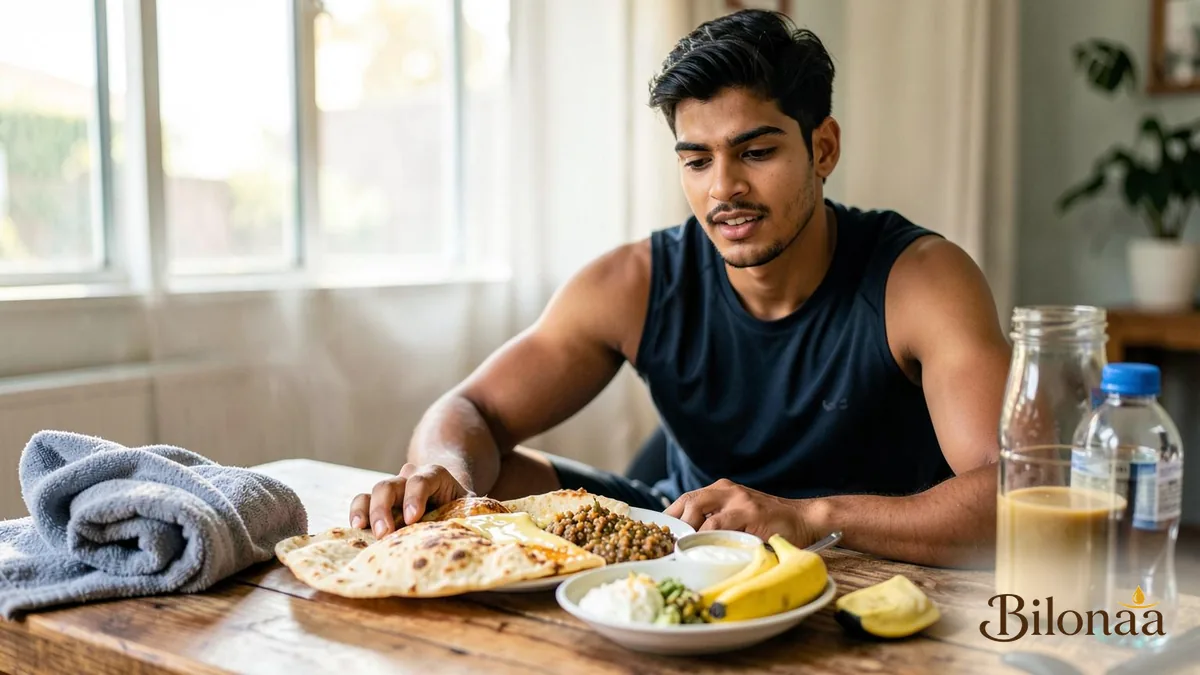
Practical meal assembly demonstrates how traditional fats fit harmoniously into modern athletic nutrition plans. An endurance athlete recovering from a long morning run might consume a high-carbohydrate breakfast of oats, seeds, and fruits, followed later by a balanced lunch of whole-wheat rotis, paneer or chicken curry, and a measured portion of ghee-seasoned cooked vegetables. This structured distribution ensures that fast-acting carbohydrates handle immediate recovery needs, while high-quality fats provide baseline energy throughout the rest of the day.
At Bilonaa, our approach to crafting cultured A2 ghee honors both culinary heritage and mindful nourishment for active lifestyles. Made in Bikaner, Rajasthan, from the milk of Rathi, Tharparkar, Gir, and Sahiwal cows, our ghee is slow-cooked in small batches and packed in glass jars and traditional steel dolchis. It offers a pure, aromatic addition to balanced daily meals for those who value traditional preparation methods. To explore our authentic, traditionally churned butterfat for your kitchen, feel free to [shop Bilonaa ghee](/shop) and discover the difference of honest Indian craftsmanship.
"Dietary fats do not accelerate immediate glycogen synthesis or muscle repair, but they provide the essential caloric bedrock that prevents energy deficits in hard-training athletes."
Bilonaa Promise
Small-batch, A2 desi-cow, traditional bilona ghee — straight to your kitchen.
100% pure, hand-churned, slow-cooked on a wood fire and packed in glass jars.
FAQs
Quick answers
Does adding ghee to my post-workout meal speed up muscle recovery?
No. Muscle recovery is primarily driven by carbohydrates (for glycogen resynthesis) and protein (for muscle protein synthesis). Ghee provides dietary fat and dense calories for total energy balance, but it does not directly accelerate muscle tissue repair.
Will eating fat right after a workout slow down protein absorption?
Dietary fats slow down gastric emptying, which can slightly delay the digestion and absorption of carbohydrates and proteins. While this does not prevent recovery over a 24-hour period, athletes needing rapid glycogen restoration should keep immediate post-workout snacks low in fat.
How much ghee should an athlete consume daily?
Portion sizes depend on an athlete's total daily caloric requirements, training volume, and individual dietary fat targets. Generally, one to two teaspoons per main meal provides flavor and caloric density without overwhelming digestion or exceeding daily saturated fat guidelines.
Is A2 bilona ghee better for athletes than regular commercial ghee?
Traditional bilona ghee made from cultured curd contains short- and medium-chain fatty acids without chemical solvent residues. While A2 protein is absent in pure clarified fat, the traditional churning process produces an unadulterated, digestible fat source ideal for clean eating.
Can endurance runners use ghee for fat-adaptation energy?
While fat oxidation is an important energy pathway during low-intensity endurance exercise, high-intensity performance still relies heavily on carbohydrates. Ghee can contribute to daily caloric needs, but relying solely on fat may hinder top-end performance speed.
Should I eat ghee before a high-intensity workout session?
Consuming significant amounts of fat immediately before high-intensity exercise is generally not recommended. Because fat digests slowly, it may cause gastrointestinal discomfort, heaviness, or reflux during intense physical exertion.
What is the best way to include ghee in an Indian post-workout routine?
The ideal approach is to consume fast-digesting carbohydrates and protein immediately after training, then include ghee in a balanced main meal 1 to 2 hours later—such as drizzled over warm dal-khichdi, roting, or rice dishes.
Educational content only — please consult a doctor for medical conditions.
Get gentle ghee notes in your inbox
One thoughtful Ayurveda + kitchen note a week. No spam. Unsubscribe anytime.
Conversation(0)
Share a thought — every comment is read before it appears.