
Health Benefits
Ghee for Kids: How Much, From What Age, and In What Form
On this page
- Introducing ghee into a child's early diet starts with small
- Traditional Indian households have long relied on dadi-nani
- Understanding how authentic bilona ghee is made helps parent
- Healthy fats play an essential role in early brain developme
- Ayurveda views pure cow ghrita as a vital substance for supp
- Knowing the right daily portion by age prevents overfeeding
- Simple ways to add ghee into daily toddler meals make food t
- Introducing ghee to infants requires patient observation and
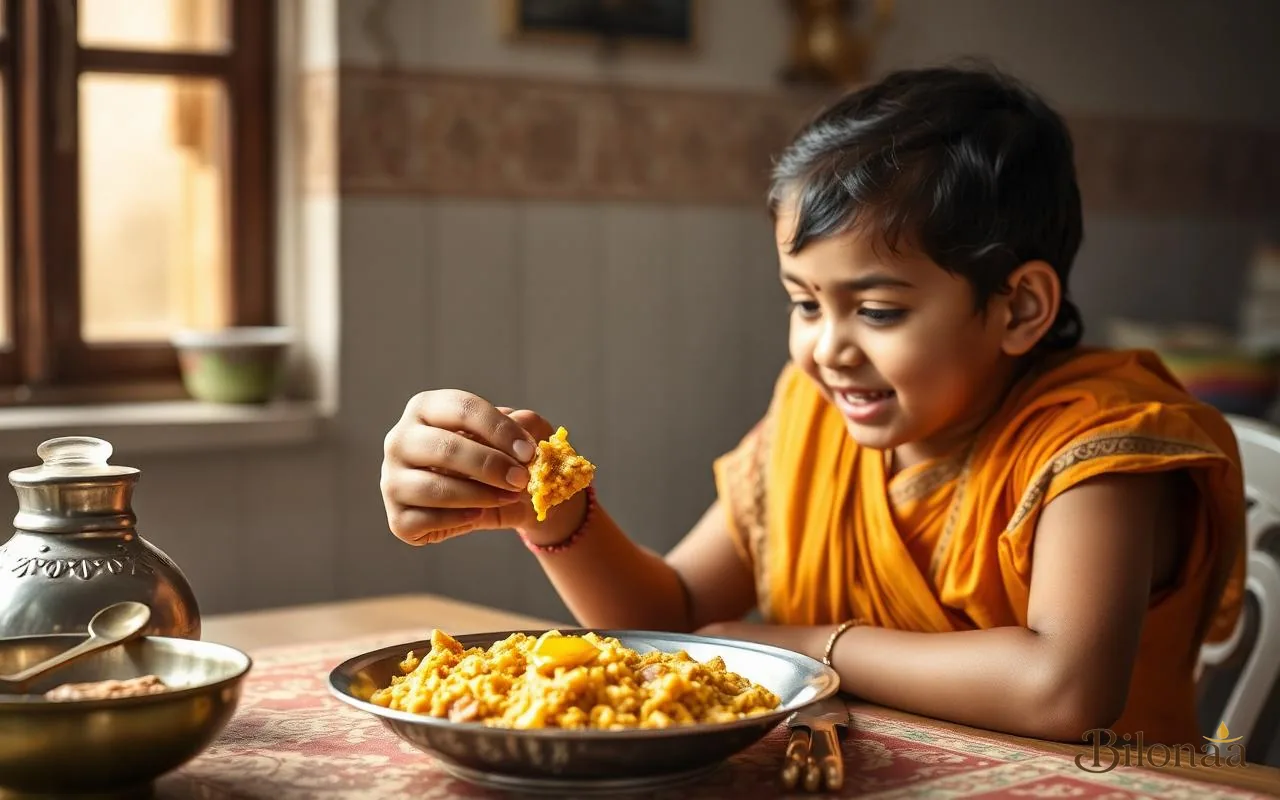
Introducing ghee into a child's early diet starts with small, gentle steps around six months of age. When a baby transitions from mother's milk to solid foods, their digestive system is learning how to break down complex textures. Starting with two or three warm drops of melted ghee stirred into smooth dal water or mashed banana is usually enough. At this stage, ghee helps lubricate the digestive tract and makes initial solid foods easier to pass without causing mild infant constipation. You do not need to rush into full spoonfuls. As your baby grows used to rice gruel or mashed potato, these small drops add a gentle warmth and essential fat that aids in absorbing fat-soluble vitamins like A and E. Parents often notice that babies accept food better when it carries that familiar, comforting aroma.
Traditional Indian households have long relied on dadi-nani wisdom when feeding young children. Long before modern nutritional charts existed, mothers in North India would rub a tiny bit of ghee on a baby's lips or mix it into early morning kheer. In Rajasthan, where winter mornings get crisp and quiet, a warm bowl of daliya laced with yellow ghee was considered basic morning nourishment for every growing kid. This practice was never about force-feeding calories; it was about gentle care. Our elders knew that a little pure fat keeps children warm from within, softens their stool, and keeps their skin from getting dry during dry weather. Passing down these feeding routines bridges generations, ensuring that young kids build a natural affinity for whole foods prepared fresh at home every single day.
Understanding how authentic bilona ghee is made helps parents see why processing method matters for tiny stomachs. Most industrial ghee found in high-street cartons is made by spinning raw cream at high speeds, chemical treatment, and rapid heating. Genuine bilona ghee follows a slower pathway: fresh milk is boiled, set into curd overnight, and then churned both ways using a wooden bilona to separate butter. This hand-churned makhan is then slowly simmered over a low wood fire until the water evaporates and the milk solids settle down. This traditional fermentation breaks down complex proteins and lactose, making the final golden fat exceptionally gentle on a child's soft stomach. The result is a daanedaar texture with a pleasant, nutty aroma that children instinctively like over flat, industrial oils.
Healthy fats play an essential role in early brain development and daily active play for young children. Nearly sixty percent of the human brain is composed of fat, and the first three years of life are critical for neural pathways forming. The short and medium-chain fatty acids in pure cow ghee, particularly butyric acid, provide quick, clean energy for kids running around all day without spiking blood sugar. Unlike refined vegetable oils that undergo heavy chemical extraction, natural ghee carries natural fat-soluble vitamins that support bone health and eye function. When kids eat balanced meals with a touch of ghee, they absorb nutrients from cooked vegetables much better. It fills their small stomachs in a nourishing way so they stay active without demanding processed sugary snacks between their main meal times.
Ayurveda views pure cow ghrita as a vital substance for supporting sharp memory and digestive balance in kids. In classical texts, ghrita is classified as a medhya food—something that nurtures intelligence, memory retention, and power of understanding. It is traditionally believed to kindle agni, the digestive fire, without causing acidity or excess heat in the body. For growing children, Ayurveda suggests that pure cow ghee builds ojas, which translates broadly to vitality, physical endurance, and natural immunity. It acts as an anupana, carrying the goodness of spices like turmeric, cumin, or nutmeg deeper into body tissues. Adding a half teaspoon of cow ghee to warm milk at bedtime is an age-old remedy for relaxing a tired kid after a long day of outdoor play and study.
Knowing the right daily portion by age prevents overfeeding while giving your child all necessary nutrients. For babies aged 6 to 12 months, half a teaspoon spread across the day's meals is plenty. Toddlers between 1 and 3 years can easily manage 1 to 2 teaspoons daily, mixed into their warm rotis, khichdi, or porridge. Children between 4 and 10 years who are active, going to school, and playing sports can comfortably eat 2 to 3 teaspoons a day. It is always best to divide this quantity among meals rather than giving it all at once. Watch how your child's body responds; if their digestion is clear, stool is normal, and appetite remains steady, you have found the right sweet spot for their daily routine.
Simple ways to add ghee into daily toddler meals make food taste better without causing digestion troubles. Instead of serving plain dry rotis, brush a thin layer of melted ghee over a warm phulka right off the tava. Smearing it on soft parathas, stirring a spoonful into hot moong dal khichdi, or combining it with soft-cooked rice and a pinch of roasted cumin powder works wonders. You can also roast a small fistful of makhana in ghee with a little turmeric for a crunchy afternoon snack that replaces packet chips. For sweet cravings, making home-cooked suji halwa or besan ladoo using clean ghee gives your child clean energy. These small, familiar touches keep mealtime joyful and prevent fussy eating battles at the dining table.
Introducing ghee to infants requires patient observation and starting with mere drops rather than spoonfuls. Begin around the sixth month, right when solid weaning foods are introduced alongside breast milk or formula. Start with just two drops stirred into a warm mash of sweet potato or boiled apple puree. Observe your child's digestion for three or four days, keeping an eye out for any unusual loose stools or gas. If your baby takes it smoothly, you can gradually increase to a quarter teaspoon over the next few weeks. Never force a baby to swallow raw ghee directly from a spoon; always integrate it into warm, well-cooked meals so that the fat emulsifies nicely with the food matrix and digests smoothly.
Comparing ghee with butter and processed vegetable oils reveals clear differences in how children process fats. Commercial butter contains a notable amount of water and unfermented milk solids, which can sometimes trigger stomach distress in kids sensitive to lactose or whey. Seed oils like refined soybean, sunflower, or canola undergo intense heat and solvent extraction, leaving them prone to oxidation when cooked in a hot kadhai. Pure ghee, on the other hand, has a high smoke point, meaning it does not break down into harmful free radicals during typical Indian cooking. It has all water and raw milk solids removed through slow cooking, making it far more stable and stomach-friendly for young children than heavily processed spreads or hydrogenated fats.
Certain situations call for temporary caution or adjusting how much ghee you put on your child's plate. If your child is running a high fever, experiencing an active stomach infection, or dealing with loose diarrhea, it is best to pause heavy fats altogether until their digestion recovers. During these days, light rice water and clear soups are better suited for an inflamed gut. Similarly, if a child is recovering from liver-related issues or severe sluggish digestion, consult your trusted pediatrician or Ayurvedic practitioner before restarting ghee. Once the child regains their natural hunger and energy, you can reintroduce ghee slowly, starting with just a drop in warm dal water to rebuild their appetite naturally.
Common myths about ghee making children sluggish or overweight often stem from modern dietary confusion. Many parents worry that adding ghee to a child's diet will lead to unhealthy childhood weight gain. In reality, weight issues in young kids are almost always linked to ultra-processed foods, refined sugar, packet snacks, and lack of outdoor play, rather than a teaspoon of asli ghee on homemade roti. Pure cow ghee provides satiety, which actually reduces a child's urge to constantly graze on junk food. When balanced with grains, vegetables, and daily physical activity, ghee supports steady growth and healthy muscle tone rather than sluggish fat accumulation.
Testing for purity at home gives parents confidence that they are feeding clean food without milawat. One quick test is to melt a spoonful of ghee in a glass jar; genuine ghee should melt quickly and turn a light brownish-golden color under gentle heat. If it takes a long time to melt or turns stark white, it might be mixed with hydrogenated vegetable oil or animal fats. Another simple test is the palm test: place a small dab of room-temperature ghee on your child's palm. Asli cow ghee usually starts melting within seconds from simple body heat because its melting point is close to human body temperature. These basic checks keep your kitchen safe from cheap adulterated products.
Understanding the cost behind genuine cultured cow ghee explains why true quality comes at a higher price tag. Producing one liter of traditional bilona ghee requires around twenty-five to thirty liters of pure cow milk from indigenous Indian breeds like Gir, Rathi, or Tharparkar. These free-grazing cows yield less milk than crossbred commercial cows, but their milk contains easier-to-digest A2 beta-casein protein. When you factor in overnight curding, manual wooden churns, and low-temperature wood-fire cooking, the labor and raw material costs naturally increase. Cheaper commercial ghee often relies on low-grade cream, factory machines, and shortcuts that strip away natural benefits, making the higher price of authentic bilona ghee a direct reflection of real care and raw ingredients.
Storing ghee correctly in your kitchen keeps its rich flavor intact for months without any chemical preservatives. Always store ghee in a dry, clean glass jar or a traditional stainless steel container placed inside a cool, dark kitchen cabinet away from direct sunlight. Never use a wet spoon to scoop ghee out, as any moisture trapped inside the container will encourage mold growth and spoil the batch. You do not need to keep ghee in the refrigerator; in fact, room temperature keeps its texture soft and easy to spread over rotis. When stored cleanly in a glass jar, authentic ghee can comfortably last for up to a year while retaining its rich, nutty aroma.
Our family at Bilonaa prepares A2 cow ghee in Bikaner using old-style wooden churners and gentle wood fires. We source milk from local Rathi, Tharparkar, Gir, and Sahiwal cows that graze freely, ensuring that the milk carries natural richness. Following the traditional two-way wooden bilona method, we churn curd into fresh butter and simmer it slowly over wood fires in open kadhais. We never pack our ghee in plastic; instead, we hand-pour it into clear glass jars up to two liters, or sturdy stainless steel dolchis for larger five-liter family packs. Our FSSAI-certified process keeps every batch completely free from additives, chemicals, or artificial aromas, delivering pure Bikaner goodness straight to your child's dining plate.
Building healthy fat habits in childhood sets a comfortable base for lifelong digestion and loving food routines. Food is not just nutrients on a chart; it is about texture, aroma, memory, and how comforting a meal feels in the stomach. By serving simple, warm home-cooked meals finished with a spoon of clean, daanedaar ghee, you teach your children to appreciate real, unadulterated Indian food. As they grow up, these simple childhood tastes stay with them, reminding them of quiet home kitchens and care. Start small, listen to your child's appetite, pick genuine bilona quality from trusted sources like Bilonaa, and let this age-old kitchen tradition keep your family nourished naturally.
"A spoon of yellow, daanedaar ghee over warm khichdi is not just fuel for a growing child; it is a warm hug from age-old kitchen traditions."
Bilonaa Promise
Small-batch, A2 desi-cow, traditional bilona ghee — straight to your kitchen.
100% pure, hand-churned, slow-cooked on a wood fire and packed in glass jars.
FAQs
Quick answers
At what exact age can I start giving ghee to my baby?
You can introduce ghee when your baby starts solid foods, usually around 6 months. Begin with 2-3 drops stirred into warm dal water, porridge, or mashed fruit puree. Gradually increase as their digestive system adapts.
How much ghee should a 2-year-old toddler consume daily?
A toddler between 1 and 3 years old can have about 1 to 2 teaspoons of pure ghee daily, split across meals like breakfast porridge, lunch roti, or evening khichdi.
Is cow ghee better than buffalo ghee for kids?
Yes, A2 cow ghee is generally preferred for young kids because it is lighter, easier to digest, and carries a higher concentration of natural carotene and vitamins, making it gentler on small stomachs.
Can ghee cause cough or cold in children during winter?
No, pure cow ghee does not cause cold or cough. In fact, Ayurveda considers warm ghee with a pinch of turmeric or black pepper helpful for keeping the body warm and soothing dry throats during cold weather.
What should I do if my child gets diarrhea after eating ghee?
Pause ghee completely until your child's stomach recovers. Diarrhea weakens digestion, so feed light items like rice water. Once fully recovered, reintroduce ghee slowly drop by drop.
Why is bilona A2 ghee recommended over regular factory ghee for kids?
Bilona ghee is made by churning curd from A2 cow milk, making it easier to digest and rich in natural nutrients, unlike factory ghee made from raw cream processed with high heat and chemicals.
Educational content only — please consult a doctor for medical conditions.
Get gentle ghee notes in your inbox
One thoughtful Ayurveda + kitchen note a week. No spam. Unsubscribe anytime.
Conversation(0)
Share a thought — every comment is read before it appears.