
Buyer Guide
Functional Fats Go Global: Why Western Wellness Kitchens Adopted Ghee
On this page
- Clarified butter has transformed from an ancient South Asian
- The rise of low-carbohydrate and ketogenic diets provided th
- Functional coffee, often referred to as butter coffee, turne
- Ancestral health movements reframed traditional culinary fat
- Biohacking communities often overstate the metabolic mechani
- Biochemical analysis shows that ghee contains small amounts
- Evaluating dietary fats requires comparing ghee against refi
- | Fat Type | Primary Fatty Acid | Extraction Method | Smoke
Clarified butter has transformed from an ancient South Asian staple into a fixture of Western biohacking kitchens over the past decade. What was once confined to traditional Indian homes now shares pantry space with MCT oils, collagen powders, and adaptogenic extracts in global wellness hubs. This movement reflects a broader shift toward functional nutrition, where culinary ingredients are evaluated for their biochemical properties rather than merely their taste. As health seekers look beyond industrial seed oils and heavily processed spreads, traditional animal fats have regained attention. However, understanding this global migration requires looking past marketing hype to examine the actual dietary mechanics of clarified fat.
The rise of low-carbohydrate and ketogenic diets provided the initial vehicle for ghee’s Western adoption. When metabolic philosophies shifted toward using fat as a primary fuel source, home cooks needed lipid options with high thermal stability and low lactose content. Regular butter, while rich in flavor, contains milk solids that burn quickly at high roasting temperatures and can trigger reactions in sensitive individuals. Clarified butter offered a logical alternative for low-carb practitioners seeking a stable cooking fat. By removing water and milk protein solids through gentle simmer techniques, the resulting oil became a versatile foundation for fat-adapted meal plans across North America and Europe.
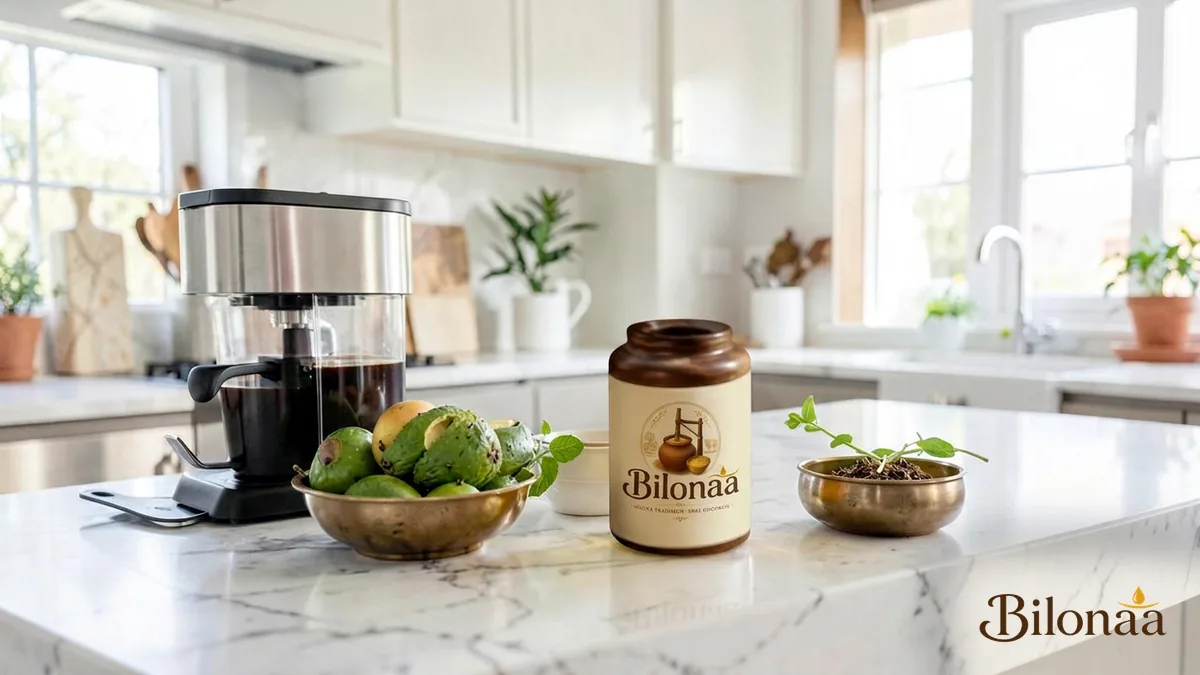
Functional coffee, often referred to as butter coffee, turned clarified fat into a morning ritual for performance enthusiasts. The practice involves blending hot coffee with fat to create a creamy emulsion intended to slow caffeine absorption and provide sustained morning satiety. Proponents within the biohacking community argue that emulsified fats prevent the rapid spike and drop in energy often associated with black coffee. While many users report feeling fuller during morning fasting windows, nutritionists point out that these blended drinks are simply liquid calories rather than metabolic magic. The practice popularized clarified fat, but it also conflated energy density with direct cellular benefits.
Ancestral health movements reframed traditional culinary fats as vital components of human nutrition rather than dietary hazards. For decades, mid-twentieth-century dietary guidelines urged consumers to swap traditional fats like lard, tallow, and clarified butter for chemically refined plant oils. The modern paleo and primal movement questioned this shift, pointing out that human populations consumed minimally processed traditional fats for millennia without modern chronic metabolic profiles. This cultural pivot encouraged consumers to re-examine ancestral fat preparation methods. Consequently, slow-churned fats reclaimed their place in kitchens focused on whole, unrefined foods.
Biohacking communities often overstate the metabolic mechanisms of short- and medium-chain fatty acids found in ghee. While clarified butter does naturally contain butyric acid along with trace amounts of caproic and caprylic acids, these components exist in modest concentrations relative to standard long-chain saturated fatty acids like palmitic and stearic acid. Marketing copy frequently implies that consuming clarified fat yields the exact same rapid ketone generation as concentrated laboratory-isolated MCT oils. In reality, the digestive system processes whole culinary fats gradually. Conflating whole food fat profiles with isolated chemical extracts creates unrealistic expectations for daily dietary outcomes.
Biochemical analysis shows that ghee contains small amounts of butyric acid and lipid-soluble vitamins, though modern clinical evidence in humans remains nuanced. In laboratory settings and animal models, isolated butyrate exhibits anti-inflammatory properties and supports intestinal epithelial barrier integrity. However, rodent studies involving high doses of pure isolated compounds cannot be directly applied to humans eating standard culinary portions. Human clinical trials specifically examining dietary ghee consumption yield varied results depending on overall diet, genetic background, and metabolic baseline. Science indicates that while clarified fat provides stable energy, it does not act as a targeted medical treatment.
Evaluating dietary fats requires comparing ghee against refined options and cold-pressed seed oils across key processing and thermal criteria. Understanding how culinary oils respond to heat, pressure, and chemical extraction helps cooks select the right fat for specific kitchen applications. The structural stability of saturated bonds makes clarified butter remarkably resistant to lipid peroxidation during high-heat cooking when compared to polyunsaturated oils.
| Fat Type | Primary Fatty Acid | Extraction Method | Smoke Point | Processing Level | | :--- | :--- | :--- | :--- | :--- | | Traditional Bilona Ghee | Saturated / Monounsaturated | Cultured curd churned, wood-fired | ~250°C (482°F) | Minimal, traditional handcraft | | Cold-Pressed Seed Oil | Polyunsaturated / Monounsaturated | Mechanical screw press | ~160°C–210°C | Low, temperature-controlled | | Commercial Refined Oil | Polyunsaturated | Solvent extraction, bleached, deodorized | ~230°C (446°F) | High chemical processing | Comparing these lipid sources highlights why choosing traditional options like [refined oil vs cold pressed vs bilona ghee](/blog/refined-oil-vs-cold-pressed-vs-bilona-ghee) remains a central topic for health-conscious consumers evaluating kitchen staples.
Ayurvedic texts view clarified butter through the framework of Anupana and Agni, prioritizing digestibility over sheer caloric intake. In classical Indian health systems, ghee is classified as a carrier medium (Anupana) that assists in transporting lipid-soluble botanical compounds deep into body tissues (Dhatus). Traditional literature emphasizes that fat should be consumed in accordance with one's digestive fire (Agni) and seasonal conditions rather than consumed in arbitrary high doses. Unlike modern biohacking trends that encourage adding large spoons of fat to every drink, classical practices advocate for precise, moderate culinary integration alongside bitter herbs, spices, and whole grains.
Modern scientific literature clearly distinguishes between cellular models and actual human dietary outcomes regarding saturated fat consumption. At present, human trial evidence showing that adding ghee to a standard Western diet improves metabolic markers remains limited and mixed. While short-term rodent studies suggest potential antioxidant enzyme support from traditional clarified butter compared to oxidized vegetable oils, human cardiovascular studies emphasize that total saturated fat load must be balanced against overall energy expenditure. There is no rigorous clinical proof that ghee reverses metabolic dysfunction or cures inflammatory disorders. Consumers should approach enthusiastic online claims with healthy scientific skepticism.
Athletic communities have increasingly turned to traditional fats for sustained energy during long-duration exertion. Endurance athletes participating in ultra-marathons or multi-hour cycling events often struggle with gastrointestinal distress caused by consuming concentrated sugar gels continuously. Incorporating stable, fat-dense options provides an alternative energy source that burns slowly without causing drastic blood glucose fluctuations. For active individuals exploring low-carbohydrate adaptation, utilizing traditional fats offers a reliable culinary base for [sustained athletic energy and recovery](/blog/ghee-for-athletes-energy-recovery) without relying on synthetic energy supplements.
High smoke point and minimal moisture content make clarified butter structurally superior for high-heat cooking techniques. When water and milk solids are removed during clarification, the resulting lipid matrix resists breakdown up to approximately 250°C (482°F). Free fatty acids and free radicals form far more slowly in saturated fat structures under heat than in delicate polyunsaturated plant oils. This thermal resilience prevents the formation of acrolein and toxic aldehydes during searing, deep-frying, or high-heat roasting. Kitchen safety and culinary integrity both benefit from using stable fats when high temperatures are required.
Traditional extraction techniques alter the physical character of lipid matrices in ways modern industrial processing bypasses. In the ancient Indian method, fresh milk is first converted into cultured curd before being hand-churned with a bi-directional wooden stirrer. This time-honored approach, known as the [traditional bilona method](/traditional-bilona-method), separates butterfat naturally while retaining subtle aromatic compounds developed during fermentation. Industrial factory production, by contrast, skips curd culturing entirely, using high-speed mechanical centrifuges to separate raw cream directly from fresh milk. The difference in process yields distinct variations in aroma, texture, and free fatty acid balance.
The distinction between cultured bilona preparations and industrial direct-cream ghee affects both flavor chemistry and lipid oxidation. Culturing whole milk into curd prior to churning allows beneficial lactic bacteria to break down residual lactose and modify milk proteins. When this cultured butter is slowly clarified over low flame, it develops a deep nutty aroma and a granular golden texture. Many wellness advocates seeking authentic traditional foods specifically seek out [A2 cow ghee](/a2-cow-ghee) derived from indigenous Indian cattle breeds like Rathi, Tharparkar, Gir, and Sahiwal. These traditional breeds naturally yield milk containing the A2 beta-casein variant, which many individuals find easier on digestion.
Caloric density means that integrating functional fats requires conscious portion management rather than unlimited consumption. Like all culinary fats, clarified butter provides approximately nine calories per gram. Adding multiple tablespoons of pure fat into daily hot beverages or meals can quickly create a large energy surplus if total daily caloric intake is not adjusted accordingly. Biohacking trends that treat fat as a zero-consequence food ignore basic thermodynamic realities of human energy balance. Enjoying traditional fats as part of a balanced diet requires respecting portion sizes, physical activity levels, and personal health goals.
Saturated fat intake affects serum lipid panels differently across individual genetic profiles. While some people maintain stable blood cholesterol levels when consuming traditional animal fats, hyper-responders may experience notable elevations in low-density lipoprotein cholesterol (LDL-C) and apolipoprotein B (ApoB). Medical professionals advise individuals adopting keto or functional-fat diets to monitor their blood lipids regularly through standard clinical lab tests. Customizing dietary fat choices based on individual biomarker feedback is far safer than following generalized internet trends blindly.
Understanding culinary context helps separate trendy dietary fads from sustainable kitchen practices. Ghee is neither a miracle wellness cure nor a dangerous dietary villain; it is a time-tested culinary lipid with specific physical and gastronomic qualities. Its global adoption reflects a growing appreciation for traditional food preparation methods that respect structural stability and rich flavor profiles. By evaluating [bilona ghee](/bilona-ghee) through both historical wisdom and measured nutritional science, cooks can make informed decisions about how fat fits into their personal kitchen routines.
At Bilonaa, our commitment is to preserve the slow wood-fired bilona tradition from Bikaner, Rajasthan for thoughtful kitchens everywhere. We source pure A2 milk from indigenous Rathi, Tharparkar, Gir, and Sahiwal cows, convert it to traditional curd, churn it with wooden bilonas, and gently clarify it over open wood fires without industrial shortcuts. Packaged in clean glass jars and traditional steel dolchis, our fat is made for those who value authenticity, thermal stability, and deep culinary heritage. We invite you to explore [shop Bilonaa ghee](/shop) to bring an authentic taste of Rajasthan into your daily cooking.
"Popularity in biohacking circles does not equal clinical proof; ghee remains a calorie-dense saturated fat best evaluated through culinary culture and realistic nutritional science."
Bilonaa Promise
Small-batch, A2 desi-cow, traditional bilona ghee — straight to your kitchen.
100% pure, hand-churned, slow-cooked on a wood fire and packed in glass jars.
FAQs
Quick answers
Why has ghee become so popular in Western biohacking diets?
Ghee gained popularity in biohacking and ketogenic communities due to its high smoke point, low lactose content, and stable saturated fat structure. Proponents value its thermal stability for high-heat cooking and its use in emulsified morning drinks like butter coffee.
Does ghee contain MCTs and short-chain fatty acids?
Yes, clarified butter contains small amounts of butyric acid and short- to medium-chain fatty acids. However, these exist in lower concentrations compared to concentrated commercial MCT oils, meaning whole ghee digests more gradually than laboratory-isolated fats.
Is ghee healthier than regular butter for cooking?
Ghee has a higher smoke point (around 250°C/482°F) than regular butter because the water and milk solids are removed. This makes it structurally more stable under high heat, reducing the likelihood of burning or smoking during high-temperature cooking.
Can I consume unlimited ghee if I am on a keto diet?
No. Ghee is calorie-dense, providing roughly nine calories per gram like all fats. Unrestricted consumption can lead to an unintended caloric surplus. Saturated fat intake should always be balanced according to personal activity levels and health goals.
What is the difference between bilona ghee and direct-cream ghee?
Bilona ghee is made by fermenting whole milk into curd, churning it with a bi-directional wooden churn to extract butter, and gently clarifying it over a low flame. Direct-cream ghee skips culturing, separating cream directly from milk via industrial centrifuges.
Does modern science prove that ghee cures inflammation or gut issues?
No. While isolated butyric acid shows gut-supportive properties in laboratory and animal studies, human clinical evidence specifically proving that eating ghee treats or cures inflammatory diseases is limited. Ghee should be viewed as a culinary fat, not a clinical treatment.
Educational content only — please consult a doctor for medical conditions.
Get gentle ghee notes in your inbox
One thoughtful Ayurveda + kitchen note a week. No spam. Unsubscribe anytime.
Conversation(0)
Share a thought — every comment is read before it appears.