
Cow Breeds
Gir Cow Ghee: Why Gir Cows Are Famous for A2 Milk
On this page
- Exploring the essence of Gir cow ghee begins with understand
- The historical significance of Gir cows stretches back centu
- Defining A2 milk is crucial to appreciating why Gir cows hol
- The genetic advantage of Gir cows lies in their natural pred
- Understanding the Bilona churning method is key to appreciat
- The purity and nutritional superiority of desi A2 Gir cow gh
- Bilonaa prides itself on upholding this tradition, ensuring
- From an Ayurvedic perspective, Gir cow ghee is considered a
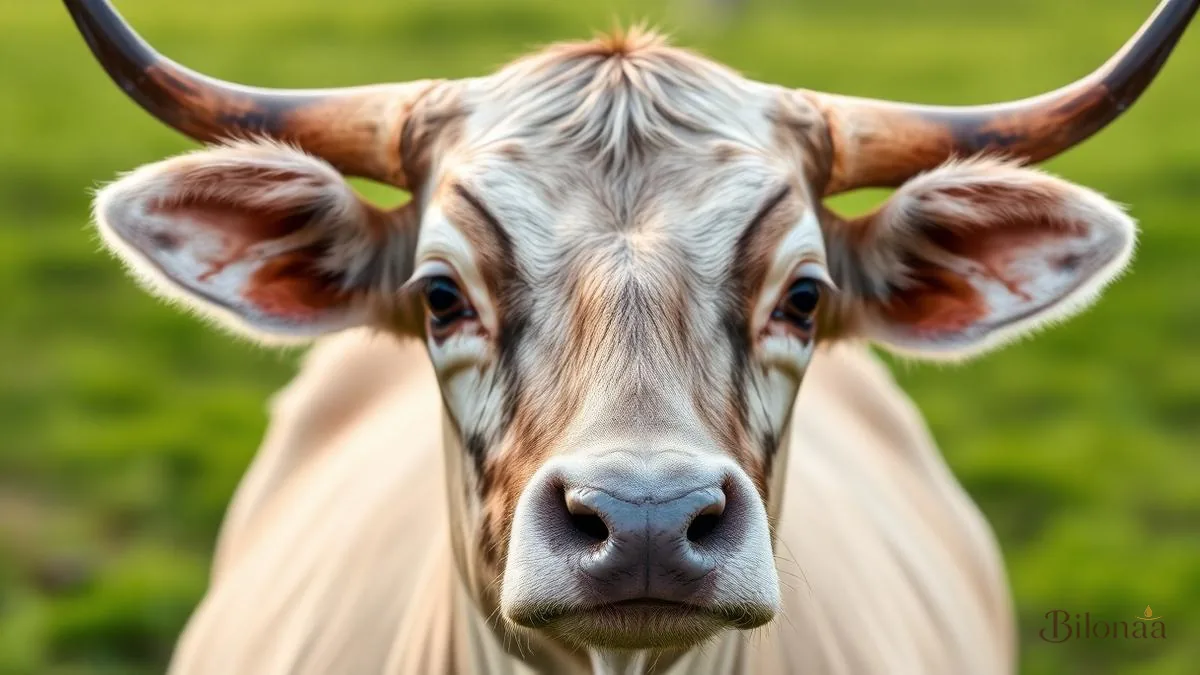
Exploring the essence of Gir cow ghee begins with understanding its exceptional origin: the Gir cow itself. Hailing from the Gir forests of Gujarat, these magnificent humped cattle are not just any breed; they are considered one of India's most iconic and revered indigenous dairy breeds, celebrated for their hardiness, gentle nature, and, most importantly, their unique milk composition. Their distinct appearance, with long, pendulous ears and a prominent forehead, is easily recognizable and deeply ingrained in India's agricultural and cultural heritage, symbolising purity and resilience.
The historical significance of Gir cows stretches back centuries, intertwined with India's ancient Vedic culture and agricultural practices. These cows have been meticulously bred and cherished for their natural adaptability to arid climates and their consistent yield of high-quality milk, which has always been considered superior for making ghee. Traditional Indian households and Ayurvedic practitioners have long valued Gir cow products, attributing various health benefits to their milk and the ghee derived from it, passing down generations of knowledge about their supreme qualities.
Defining A2 milk is crucial to appreciating why Gir cows hold such a special place in the dairy world. A2 milk refers to milk that primarily contains the A2 beta-casein protein, as opposed to A1 beta-casein, which is more common in commercial dairy breeds found globally. This distinction is vital because the digestion of A1 protein is believed by some to produce a peptide called beta-casomorphin-7 (BCM-7), which has been linked in certain studies to digestive discomfort and other health concerns in sensitive individuals, though more research is ongoing.
The genetic advantage of Gir cows lies in their natural predisposition to produce A2 milk exclusively. Unlike many European breeds that produce A1 or a mix of A1 and A2 milk, Gir cattle possess the specific genetic marker that ensures their milk is rich in A2 beta-casein. This innate characteristic makes their milk, and subsequently the ghee made from it, particularly sought after by those who seek easily digestible dairy products and adhere to traditional dietary principles that value purity and natural composition.
Understanding the Bilona churning method is key to appreciating the superior quality of Gir cow ghee. This traditional, age-old process involves first curdling the whole milk from Gir cows, then slowly churning this curd (typically using a wooden churner or 'bilona') to separate the butter. This butter is then gently heated over a slow flame, allowing the milk solids to separate and the pure golden ghee to remain. This method preserves the natural nutrients, aroma, and flavour profile of the ghee, making it vastly superior to commercially produced, machine-extracted varieties.
The purity and nutritional superiority of desi A2 Gir cow ghee are often highlighted as its primary benefits. Because it's made from the milk of grass-fed Gir cows, using the traditional bilona method, it retains a rich profile of essential fatty acids, fat-soluble vitamins (A, D, E, K), and antioxidants. This makes it a wholesome addition to any diet, traditionally believed to nourish the body deeply and support various bodily functions, making it more than just a cooking medium but a health supplement.
Bilonaa prides itself on upholding this tradition, ensuring our A2 desi-cow bilona ghee from Bikaner, Rajasthan, comes from breeds like the Gir cow. We meticulously select our milk sources to guarantee the authenticity and purity that discerning customers expect, ensuring that every spoonful carries the essence of this ancient wisdom. Our commitment is to bring you the genuine article, crafted with care and respect for tradition.
From an Ayurvedic perspective, Gir cow ghee is considered a highly revered substance, known as 'ghrita,' and is central to many therapeutic formulations and dietary recommendations. Ayurveda views ghee as a 'yogavahi,' meaning it enhances the properties of other herbs and nutrients it is combined with, allowing for deeper penetration and absorption. It's traditionally believed to balance Vata and Pitta doshas, improve digestion (agni), strengthen the immune system (ojas), and promote overall longevity and vitality.
Modern nutritional science also points to numerous advantages of incorporating A2 Gir cow ghee into one's diet. Studies indicate that ghee, when consumed in moderation, can contribute to gut health due to its butyric acid content, which feeds beneficial gut bacteria. Furthermore, its healthy fatty acid profile, including conjugated linoleic acid (CLA), suggests potential benefits for metabolism and inflammation, aligning well with the traditional claims of its health-promoting properties.
Distinguishing authentic Gir cow ghee from inferior products requires careful attention to sourcing and labelling. Genuine A2 Gir cow ghee should specify that it is made from the milk of Gir cows, ideally grass-fed, and explicitly state 'bilona method.' Consumers should look for reputable brands that provide transparency about their sourcing and production processes, ensuring there are no shortcuts taken in crafting this precious food item.
Integrating Gir cow ghee into your daily routine is delightfully simple and versatile. It can be used as a cooking oil, adding a rich, nutty flavour to curries, dals, and vegetables. A spoonful can be added to warm milk for a soothing beverage, or drizzled over freshly cooked flatbreads (rotis) or rice. It's also an excellent choice for tempering spices, unlocking their full aromatic potential and infusing dishes with incredible depth.
Dispelling common myths about ghee is important, especially the misconception that all ghee is unhealthy due to its fat content. On the contrary, pure A2 Gir cow ghee is primarily composed of healthy saturated fats and is cholesterol-free. When consumed in appropriate quantities as part of a balanced diet, it's not only safe but can contribute positively to overall health, dispelling the unfounded fears often associated with all fats.
The environmental and economic impact of supporting Gir cow farming is another compelling reason to choose this ghee. Promoting indigenous breeds like the Gir cow helps maintain biodiversity and supports local farmer communities who often practice sustainable, traditional farming methods. This choice goes beyond personal health, contributing to a healthier ecosystem and supporting the ethical treatment of animals, aligning with a holistic approach to well-being.
Identifying the best quality Gir cow ghee involves looking for specific indicators like colour, aroma, and texture. High-quality bilona ghee from Gir cows typically has a golden-yellow hue, reflecting its beta-carotene content, a rich, nutty, and slightly sweet aroma, and a granular texture at room temperature. These sensory clues are often tell-tale signs of its purity and the meticulous process by which it was made.
Storage recommendations for maintaining the freshness and potency of your Gir cow ghee are straightforward. Ghee should be stored in a clean, airtight container in a cool, dry place away from direct sunlight. Unlike many dairy products, pure ghee does not require refrigeration and can beautifully last for several months, or even a year, without losing its quality or turning rancid, due to its low moisture content.
Why Bilonaa stands out in offering high-quality A2 desi-cow bilona ghee is our unwavering commitment to authenticity and traditional practices. Our ghee is lovingly crafted from the milk of cherished indigenous breeds, including Gir cows, following the time-honoured bilona method. This ensures that every jar delivers the superior taste, aroma, and nutritional benefits that have been celebrated in India for generations, making it a true testament to purity and heritage.
For individuals looking to make a conscious dietary choice, Gir cow ghee represents more than just a food item; it embodies a tradition of wellness. Its A2 protein composition, coupled with the nutrient-rich milk from a revered desi breed, offers a digestible and beneficial alternative for those seeking to enhance their culinary and health practices with a product rooted in ancient wisdom and natural goodness.
Embracing the legacy of Gir cow ghee means recognising its profound role in Indian dietary practices and its contributions to holistic health. From aiding digestion to boosting immunity and nourishing the body, this golden elixir from the heartland of India continues to be a symbol of purity and vitality. Making it a part of your daily life is not just a culinary choice but a step towards embracing a healthier, more traditional lifestyle.
"Gir cows are truly a gift of nature, offering not just sustenance but a legacy of health that resonates with ancient wisdom and modern scientific understanding."
Bilonaa Promise
Small-batch, A2 desi-cow, traditional bilona ghee — straight to your kitchen.
100% pure, hand-churned, slow-cooked on a wood fire and packed in glass jars.
FAQs
Quick answers
What makes Gir cow milk unique compared to other cow milk?
Gir cow milk stands out because it predominantly contains A2 beta-casein protein, unlike most commercial dairy milk which contains A1 protein. This A2 milk is often considered easier to digest and may alleviate digestive discomfort in some individuals, due to the absence of the BCM-7 peptide associated with A1 protein.
Is A2 Gir cow ghee suitable for people who are lactose intolerant?
Yes, A2 Gir cow ghee is generally well-tolerated by individuals with lactose intolerance. During the clarification process to make ghee, nearly all lactose and casein solids are removed, leaving behind pure butterfat. This makes ghee an excellent dairy-derived option for those sensitive to lactose or casein.
How does the traditional bilona method affect the quality of Gir cow ghee?
The traditional bilona method significantly enhances ghee quality. By curdling whole milk and then slow-churning the curd to extract butter, which is then slow-heated, it preserves the inherent nutrients, delicate aroma, and rich flavour. This contrasts with industrial methods that often compromise the ghee’s nutritional integrity.
What are the common health benefits associated with consuming Gir cow ghee?
Consuming Gir cow ghee is traditionally believed and supported by some studies to offer various health benefits. These include aiding digestion due to butyric acid, providing fat-soluble vitamins (A, D, E, K), supporting immune function, and promoting overall vitality. It's also praised in Ayurveda for balancing doshas.
How can I ensure I am buying authentic A2 Gir cow ghee?
To ensure authenticity, look for a reputable brand that explicitly states its ghee is made from Gir cow milk and uses the traditional bilona method. Labels should ideally mention 'A2 certified' milk, and transparency in sourcing and production is a good indicator of genuine quality. Sensory aspects like colour, aroma, and granular texture also help identification.
Can Gir cow ghee be used for high-temperature cooking?
Yes, Gir cow ghee has a high smoke point (around 250°C or 482°F), making it an excellent and stable choice for high-temperature cooking methods like sautéing, frying, and roasting. Its heat stability ensures that beneficial nutrients are not destroyed, and no harmful compounds are released during cooking.
Educational content only — please consult a doctor for medical conditions.
Get gentle ghee notes in your inbox
One thoughtful Ayurveda + kitchen note a week. No spam. Unsubscribe anytime.
Conversation(0)
Share a thought — every comment is read before it appears.