
Cow Breeds
Gir Cow Ghee: A Buyer's Guide to India's Most Talked-About A2 Ghee
On this page
- Gir cow ghee has become the most discussed jar in Indian kit
- Originating in the Kathiawar region of Gujarat, the distinct
- Understanding the A2 protein marker in Gir milk requires loo
- Preparing true bilona ghee from Gir cow milk starts with boi
- Heating the hand-churned makkhan on a low wood fire creates
- Ayurveda regards Gir cow ghee as a premier rasayana that nou
- In daily cooking, Gir cow ghee carries a distinct aroma and
- While Gir ghee gets the most limelight, indigenous breeds li
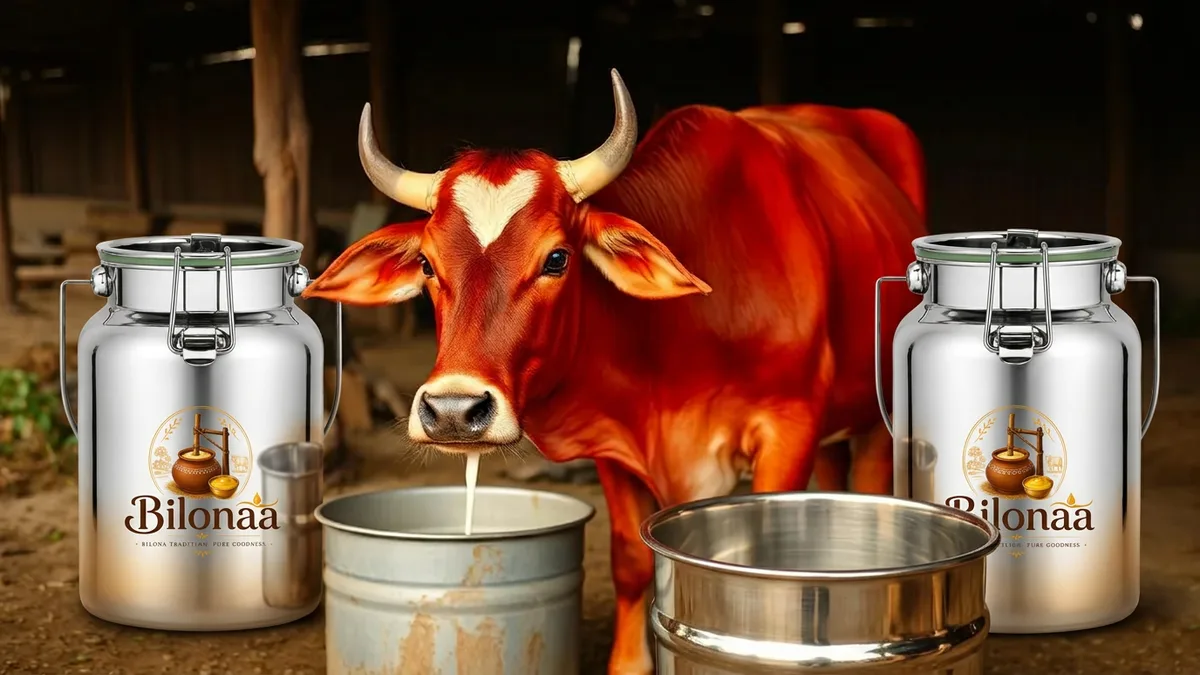
Gir cow ghee has become the most discussed jar in Indian kitchens over the last few years, but understanding why requires looking beyond the marketing labels. Walk into any grand mother's kitchen on a cold Bikaner winter morning, and she will tell you that true health begins with what melts over your hot rotis. For generations, milk from the indigenous Gir cow of Gujarat was prized not for its high volume, but for the rich quality of milk it yielded. As families move away from processed refined oils, this traditional fat has made a massive comeback. However, with every second brand making tall claims on social media, home cooks often struggle to separate genuine bilona ghee from regular factory-made butter oil. Finding real ghee means understanding where the milk comes from, how the butter is churned, and why the A2 protein marker matters for everyday digestion.
Originating in the Kathiawar region of Gujarat, the distinct hump and broad forehead of the Gir cow are tied deeply to traditional Indian cattle rearing. These indigenous cows have evolved over centuries to thrive in warm climates while feeding on natural pasture grasses, herbs, and shrubs. Unlike industrial dairy cows bred purely for high milk yield, Gir cows produce a moderate amount of milk that naturally contains the A2 beta-casein protein. Old dairy farmers in western India often speak of how these cows form personal bonds with their caretakers, giving milk only when treated with gentle affection. This humane approach to dairy farming, combined with the cow's natural genetics, yields milk that carries a distinct sweetness and deep golden fat content. Understanding this background explains why milk from pure desi breeds remains so highly respected across traditional households.
Understanding the A2 protein marker in Gir milk requires looking at how desi cows differ naturally from imported or crossbred dairy cattle. Most commercial milk available in plastic pouches today comes from Holstein-Friesian or Jersey crossbred cows, which mostly carry the A1 beta-casein protein variant. When A1 milk digests, it breaks down into peptides that many people find cause mild stomach discomfort, bloating, or heaviness after meals. On the other hand, indigenous Indian breeds like Gir, Tharparkar, and Rathi naturally produce milk with the A2 protein structure, which breaks down much more smoothly during digestion. For many families who thought they were sensitive to dairy, switching to A2 ghee made from cultured curd allowed them to enjoy rich fats again without any stomach distress.
Preparing true bilona ghee from Gir cow milk starts with boiling whole milk, curdling it overnight, and churning the curd using a two-way wooden paddle. This ancient bilona method is vastly different from modern commercial processing, where machines simply separate industrial cream from raw milk and boil it instantly. In the traditional method, whole milk is boiled over a calm flame and set into fresh curd using a small portion of existing dahi. Once the curd sets, it is churned back and forth using a wooden churner called a bilona to separate fresh makhan from buttermilk. This fermentation step is critical because it breaks down lactose and creates natural enzymes that give the final product its light, soothing character.
Heating the hand-churned makkhan on a low wood fire creates the authentic daanedaar texture that modern factory machines simply cannot replicate. As the butter slowly heats inside a heavy brass kadhai, water content evaporates and milk solids settle down to a caramelized brown shade. The fragrance that fills the courtyard during this slow simmering stage is unforgettable, carrying sweet notes of toasted milk and rich nuts. A skilled maker knows the exact second to lift the vessel off the fire, filtering the golden liquid before it scorches. As the warm oil cools naturally at room temperature, it settles into crisp, fine grains—the mark of genuine, unadulterated ghee that our dadi-nani always looked for.
Ayurveda regards Gir cow ghee as a premier rasayana that nourishes the deeper tissues and balances internal digestive fire without causing sluggishness. Traditional texts refer to this churned fat as grhita, highlighting its ability to calm excess vata and pitta doshas in the body. Unlike cold oils that can damp down agni, or digestive power, a spoon of warm ghee actually kindles digestion while coating the stomach lining against harsh acid spikes. It is traditionally used as an anupana, or carrier medium, to help herbs and nutrients penetrate deep into cellular tissues. Many families find that starting the morning with a small teaspoon of warm water mixed with liquid ghee keeps joints lubricated and digestion smooth throughout the day.
In daily cooking, Gir cow ghee carries a distinct aroma and high smoke point that transforms a simple dal tadka into comfort food. Because pure ghee has a smoke point well above 250 degrees Celsius, it does not break down into toxic fumes during high-heat Indian frying. When you splash cumin seeds and mustard into hot ghee inside a seasoned iron kadhai, the fat binds with aromatic spices, carrying their flavor into every corner of the dish. A simple bowl of boiled khichdi or plain steamed rice comes alive with just a small spoonful melted on top. Because of its intense rich taste, you actually need far less bilona ghee in cooking compared to neutral refined vegetable oils.
While Gir ghee gets the most limelight, indigenous breeds like Rathi, Sahiwal, and Tharparkar produce ghee that is equally rich and beneficial. Marketing campaigns often position Gir as the only superior cow breed, but traditional Indian dairy farmers know that all humped desi cows share the essential A2 milk genetics. For instance, in the arid desert stretches of Bikaner and Jaisalmer, hardy breeds like Rathi and Tharparkar feed on wild herbs and dry pasture bushes, producing milk with an incredible aromatic depth. Ghee made from these desert breeds carries the same grainy texture and digestive qualities as Gir ghee. Choosing high-quality A2 ghee comes down less to fashionable breed names and more to whether the milk was genuinely churned from whole curd using traditional methods.
The difference between traditional bilona Gir ghee and industrial cream-churned ghee comes down to digestability, aroma, and production methods. Commercial ghee brands cut production costs by separating raw cream with high-speed centrifuges and boiling that heavy cream directly into oil. This shortcut saves time and yields far more oil per liter of milk, but it skips the critical fermentation phase that turns milk into dahi. Without that natural curdling step, the resulting ghee lacks complex aromatic compounds and can feel greasy or heavy on the stomach. True bilona ghee requires nearly twenty-five to thirty liters of pure cow milk to yield a single liter of fat, making it an artisanal product rather than an assembly-line commodity.
A widespread myth suggests that authentic Gir ghee must be bright yellow or possess a very specific sweet flavor profile every single time. In reality, the color and aroma of hand-churned ghee change naturally across different seasons depending on what green fodder or dry grass the cows eat. During the monsoon months, when cows graze on fresh, beta-carotene-rich green grasses, the butter turned out carries a deeper yellow tone. In dry winter months, the ghee often sets into a pale cream shade with a deeper, nuttier scent. Expecting perfectly uniform color or smell throughout the year usually points to artificial color additives or standardized flavor essences introduced by industrial manufacturers trying to keep batch appearances identical.
You can verify the purity of your Gir ghee at home using basic kitchen tests without relying on complex laboratory equipment. A classic test involves adding a spoonful of ghee to a hot pan; pure bilona ghee melts immediately and turns dark golden-brown within seconds. If the fat takes a long time to melt and stays pale yellow, it likely contains added palm oil or cheap vegetable fats. Another traditional method is the palm test: place a small dab of solid ghee on the back of your warm hand, and if it begins melting naturally at body temperature, it confirms the absence of heavy hydrogenated fats. Checking for a uniform daanedaar texture throughout the jar is another simple sign of asli ghee.
The real cost of pure Gir cow ghee reflects the small milk yield of desi cows and the massive volume of curd needed for one liter. High-yielding foreign breeds produce thirty to forty liters of milk daily, whereas a healthy Gir cow gives only eight to twelve liters of nutrient-rich milk. Furthermore, direct cream-churning methods yield a liter of ghee from roughly twelve liters of milk, while the traditional bilona process requires almost double that volume of cultured dahi. At Bilonaa, we always remind buyers that cheap jars claiming to be pure A2 bilona ghee usually hide milawat or commercial shortcuts somewhere in the pipeline. When you factor in hand-milking, open pasture grazing, wood-fire cooking, and glass packaging, fair pricing becomes obvious.
Storing your ghee in glass or stainless steel away from moisture ensures that its natural fragrance remains intact for over a year without refrigeration. Moisture is the biggest enemy of authentic ghee, so always use a clean, completely dry spoon whenever dipping into your jar. Glass jars or traditional stainless steel dolchis prevent light and air exposure from turning delicate milk fats rancid over time. In Indian households, ghee was rarely kept in refrigerators because room-temperature storage allows the natural grain structure to remain soft and easy to spread. As long as the container stays tightly closed in a cool, dark kitchen cupboard, authentic wood-fired ghee keeps its earthy fragrance and rich texture intact for months.
At Bilonaa, our family in Bikaner still follows these time-honored methods using milk from grass-fed desi cows like Rathi, Tharparkar, and Gir cooked slowly in traditional earthen and brass vessels. We live in the heart of Rajasthan dairy belt, where traditional milk culture runs deep through every neighborhood and village. We do not rush the process with mechanical separators or chemical bleaches, choosing instead to boil fresh milk, culture it into rich dahi, and churn it with traditional wooden bilonas. The resulting makkhan is simmered slowly over wood fires in small batches, producing an authentic golden fat packed into clean glass jars and stainless steel dolchis. Having our FSSAI license (22226025000262) means every batch meets strict purity standards while keeping our grandmothers' traditional recipes alive.
Incorporating genuine Gir cow ghee into daily routines works best for growing children, active adults, and elderly family members needing light fats. Swirling a small spoonful over hot parathas or stirring it into morning porridge provides clean energy that sustains stamina without causing mid-day sugar crashes. Athletes and fitness enthusiasts often substitute modern energy bars with simple ghee-roasted dry fruits or homemade besan laddoos made with pure bilona ghee. For older individuals, a light drizzle over khichdi or warm soup aids nutrient absorption and keeps digestion comfortable. Adding this traditional fat back into modern kitchens is not a passing food trend, but a sensible return to clean, time-tested food traditions.
Making an informed buying choice requires looking beyond flashy labels and asking small batch makers about their curd-churning and heating practices. Always check whether the label explicitly states cultured bilona ghee made from whole dahi rather than just cream-based A2 oil. Look for glass or food-grade steel packaging instead of plastic tubs, as quality makers understand that hot ghee absorbs chemical residues from soft plastics. Buying from honest Indian families who are transparent about their milk sources and small-batch cooking methods guarantees that you get the real flavor of traditional desi ghee in every single spoon.
"True bilona ghee requires nearly twenty-five to thirty liters of pure cow milk to yield a single liter of fat, making it an artisanal effort rather than a factory commodity."
Bilonaa Promise
Small-batch, A2 desi-cow, traditional bilona ghee — straight to your kitchen.
100% pure, hand-churned, slow-cooked on a wood fire and packed in glass jars.
FAQs
Quick answers
What makes Gir Cow Ghee different from regular cow ghee?
Gir Cow Ghee comes specifically from indigenous Gir cows, which naturally produce A2 beta-casein protein. Unlike regular commercial ghee made from crossbred A1 milk using machine-separated cream, authentic Gir ghee is traditionally prepared from cultured dahi using a wooden bilona. This endows it with a rich daanedaar texture, deep nutty aroma, and superior ease of digestion.
Is Gir Cow Ghee suitable for people with lactose sensitivity?
Many families find that traditional bilona Gir cow ghee is very easy on the stomach. During the authentic bilona process, milk is fermented into curd and churned into butter, which removes almost all lactose and milk solids during slow wood-fire cooking. Ayurveda suggests that cultured A2 ghee is far gentler on digestion than raw dairy or industrial butter oil.
Why is authentic Gir Cow Ghee more expensive than commercial brands?
Authentic Gir cow ghee requires roughly twenty-five to thirty liters of pure A2 milk to make just one single liter of ghee. Indigenous Gir cows yield far less milk daily than factory-farmed foreign breeds. Combined with labor-intensive hand-churning, wood-fire slow cooking, and plastic-free glass packaging, the production costs reflect true handcrafting rather than mass industrial manufacturing.
How can I check if my Gir Cow Ghee is pure at home?
You can perform a quick heat test by placing a teaspoon of ghee in a warm pan; pure ghee melts instantly and turns golden-brown within seconds. Additionally, real ghee melts at human body temperature when rubbed onto the palm. If your ghee leaves a sticky, heavy residue or takes long to melt, it may contain added palm oil or hydrogenated fats.
Does the color of Gir Cow Ghee change with seasons?
Yes, natural color variation is a true sign of unadulterated ghee. When Gir cows feed on fresh green pasture grass during the monsoons, their butter contains more beta-carotene, creating a rich golden-yellow hue. In dry winter seasons, the ghee becomes lighter cream in tone. Factory brands maintain identical color year-round only by adding artificial yellow dyes.
What is the best way to store Gir Cow Ghee for long shelf life?
Store your Gir cow ghee in a dry glass jar or stainless steel dolchi at room temperature inside a dark kitchen cupboard. Avoid placing it near moisture or dipping wet spoons into the container, as water droplets cause spoiling. When stored carefully away from direct sunlight, pure bilona ghee maintains its fresh fragrance and granular texture for over twelve months without refrigeration.
Educational content only — please consult a doctor for medical conditions.
Get gentle ghee notes in your inbox
One thoughtful Ayurveda + kitchen note a week. No spam. Unsubscribe anytime.
Conversation(0)
Share a thought — every comment is read before it appears.