
Cow Breeds
Gir vs Rathi Cow Ghee: Which A2 Ghee Actually Suits Your Kitchen?
On this page
- Choosing between Gir cow ghee and Rathi ghee starts with und
- The fundamental difference in aroma and graininess between t
- Gir cow ghee brings a rich golden color and gentle sweet aro
- Rathi cow ghee carries a distinct nutty depth and deep textu
- Both breeds naturally yield pure A2 beta-casein milk that is
- The traditional bilona process is what transforms pure A2 mi
- Ayurvedic texts offer deep insight into how different desi c
- Understanding the aroma and texture profile helps you decide
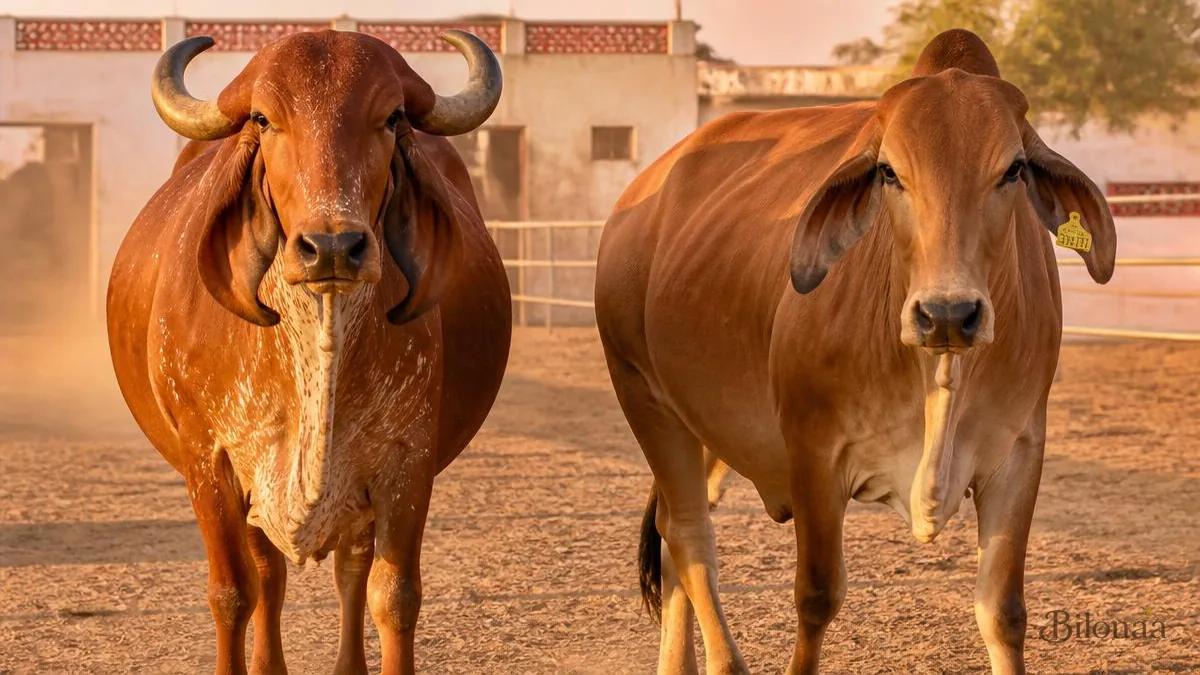
Choosing between Gir cow ghee and Rathi ghee starts with understanding their unique geographic roots across Western India. Gir cows hail from the lush Gir hills of Gujarat, while Rathi cows thrive in the dry, thorny terrain of Bikaner in Rajasthan. Growing up in a household where dadi-nani always kept a brass dabba of ghee near the stove, I learned early that milk changes with the land. Gir cows feed on coastal grasses and shrubs, producing milk that yields a bright, golden butter. Rathi cows graze on hardy desert wild grass and herbs, yielding milk with a naturally dense, nutty character. Both represent the finest native A2 breeds of India, but their ghee brings completely different personalities into your kitchen.
The fundamental difference in aroma and graininess between these two ghees comes down to climate and native forage. When a Gir cow grazes under the humid Gujarati sun, her milk takes on a mild, sweet richness that translates into an aromatic ghee with medium-sized grains. In contrast, a Rathi cow withstands extreme climate swings in the Thar desert, from freezing winter mornings to scorching summer winds. This harsh environment makes her milk fat exceptionally rich, creating that classic daanedaar texture that settles deeply at the bottom of the jar. When you open a fresh jar of Rathi ghee, the scent is robust and warm, while Gir cow ghee greets you with a softer, floral sweet note.
Gir cow ghee brings a rich golden color and gentle sweet aroma that instantly enhances traditional Indian sweets and festive dishes. The golden hue comes naturally from beta-carotene in the grass that Gir cows graze on in open pastures. If you are making gajar ka halwa, besan laddoo, or pouring a spoonful over hot puris during a family gathering, Gir ghee offers a clean, sweet fragrance that never overpowers the main ingredients. Many home cooks prefer it because its mild flavor profile blends seamlessly into subtle dishes without masking delicate spices. It melts smoothly over warm phulkas, leaving a glossy coat and a comforting bakery-like aroma that fills the whole kitchen.
Rathi cow ghee carries a distinct nutty depth and deep texture shaped by the ancient pastoral traditions of Rajasthan. Native to the Kathi and Rathi pastoral communities of northern Bikaner, these cattle are famous for their resilience and high-fat milk quality. The resulting ghee is remarkably daanedaar, with tiny, uniform fat crystals that hold their shape even in warm weather. When you drop a dollop of Rathi ghee into a sputtering tadka of cumin and dry red chillies, the aroma that rises from the iron kadhai is deep, toasted, and intensely savory. It is the kind of ghee that dadi would insist on putting over bajra roti or dal baati in the cold winter months.
Both breeds naturally yield pure A2 beta-casein milk that is far easier on the human stomach than ordinary store-bought dairy. Commercial milk in India often comes from crossbred cows like Holstein-Friesians, which produce A1 beta-casein protein. During digestion, A1 protein breaks down into a peptide called BCM-7, which frequently causes bloating, heaviness, and stomach discomfort for many people. Native Indian humped cows, including both Gir and Rathi, carry the original A2 gene structure. Ayurveda suggests that A2 ghee sits lighter on the gut, making it suitable even for family members who usually struggle to digest heavy dairy products.
The traditional bilona process is what transforms pure A2 milk into genuine daanedaar ghee rather than industrial fat. Industrial ghee is made by skimming raw cream directly from milk and boiling it at high pressure in large steel vats. Real bilona ghee follows a slow, four-step ritual: whole milk is boiled, cultured overnight into curd, churned both ways with a wooden bilona to yield fresh makkhan, and then slow-cooked over a gentle fire. This slow heating allows the milk solids to caramelize naturally at the bottom of the vessel without burning the fat. The result is an unadulterated, asli fat that preserves vital vitamins, enzymes, and a natural grainy structure.
Ayurvedic texts offer deep insight into how different desi cow ghees support body heat, digestive fire, and emotional balance. According to classical principles, ghee derived from native humped cows acts as a supreme rasayana or rejuvenating food. Gir cow ghee is traditionally believed to be particularly soothing for Pitta imbalances due to its cooling, sweet nature and gentle effect on the liver. On the other hand, Rathi cow ghee, born from the desert, is often recommended for strengthening Vata and boosting internal warmth during changing seasons. Both types enhance the bioavailability of spices, carrying nutrients deep into body tissues when used in daily meals.
Understanding the aroma and texture profile helps you decide which ghee matches your family's daily cooking style. If your kitchen leans toward delicate breakfast items, South Indian rice dishes, mild dals, and rich milk sweets, Gir cow ghee is an absolute joy to use. Its smooth liquid top layer and soft grain blend effortlessly without leaving a heavy coat on the palate. However, if your daily menu features rustic north Indian meals, stuffed parathas, slow-cooked khichdi, and spicy tadkas, Rathi ghee brings that unmistakable rustic punch. Neither is objectively superior; they simply fulfill different culinary roles depending on what your family loves to eat.
Simple kitchen tests can help you verify genuine daanedaar texture and protect your family from common milawat in the market. Adulterated ghee often contains palm oil, hydrogenated vegetable fat, or starches designed to mimic natural thickness. To test your jar, rub a small drop between your palms; genuine A2 bilona ghee will melt almost instantly at body temperature, leaving a rich nutty scent and no sticky film. Another quick test is to heat a spoon of ghee in a small pan: pure cow ghee melts quickly and turns a deep reddish-brown within seconds, whereas adulterated fat takes longer to melt and stays pale yellow or cloudy.
Many common myths confuse home cooks about cow ghee color, seasonal texture changes, and protein content. A widespread misconception is that true cow ghee must always be bright yellow; in reality, the shade changes naturally throughout the year depending on fresh monsoon grass versus winter fodder. Another myth is that graininess indicates added sugar or processing chemicals, when in truth, natural grain structure is simply the signature of slow-cooked bilona butter fat. Some people also believe that ghee contains heavy lactose, but the slow wood-fire clarification removes virtually all water and milk solids, leaving pure butterfat that lactose-sensitive individuals can usually enjoy.
The price of authentic A2 bilona ghee reflects the massive quantity of whole milk required to craft a single small jar. To produce just one liter of genuine bilona ghee, a dairy needs roughly twenty-five to thirty liters of pure A2 desi cow milk. When you factor in the cost of free-grazing cow care, manual curd churning, and slow cooking over wood fire, true A2 ghee simply cannot be sold at commercial market prices. Cheaper factory options save money by using industrial cream extractors and high-heat processing, which destroys delicate natural aromas and health properties. Investing in traditional ghee means paying for authentic labor, animal welfare, and pure nutritional value.
Storing your ghee in traditional glass jars or stainless steel vessels preserves its fresh aroma and shelf life for over a year. Unlike vegetable oils, pure bilona ghee does not rancidify quickly because it contains almost no moisture. Keep your jar in a cool, dark kitchen cupboard away from direct sunlight and stovetop heat. Always use a clean, dry spoon to scoop out ghee, as even a single drop of water introduced into the jar can spoil the batch over time. Refrigeration is completely unnecessary and can actually ruin the natural daanedaar texture by forcing uniform crystallization.
Everyday Indian cooking benefits differently whether you choose Gir or Rathi ghee for your hot kadhai. Because real cow ghee has a high smoke point of around 250°C (482°F), it does not break down into harmful free radicals during high-heat frying or tempering. When you add Rathi ghee to a searing hot kadhai for a mustard seed tadka, it holds its thermal stability while releasing an earthy aroma that infuses the entire dish. Gir ghee works brilliantly for low-to-medium heat baking, spreading over hot rotis, or stirring into warm morning milk with a pinch of turmeric and black pepper.
Our family at Bilonaa slow-cooks small batches of both Gir and Rathi ghee over open wood fires in Bikaner using traditional methods. We work directly with local pastoralists who let their cows graze freely on native vegetation, ensuring the milk remains naturally rich in A2 proteins and healthy fats. Every batch of our A2 desi-cow bilona ghee is hand-churned in wooden bilonas, cooked gently in small iron vessels, and poured carefully into clean glass jars or sturdy stainless steel dolchis for larger orders. Under our FSSAI certification (22226025000262), we maintain complete purity so you get the exact same taste our dadi used to prepare in our ancestral kitchen.
Selecting the right ghee ultimately depends on whether you prefer sweet golden richness or deep desert graininess for your family table. If you want a mild, versatile A2 ghee that appeals to children and suits sweet dishes perfectly, Gir cow ghee is your ideal choice. If you crave a robust, highly grainy ghee with a traditional desert soul that enhances heavy grains and spicy curries, Rathi cow ghee will feel right at home in your kitchen. Keeping a jar of each allows you to match the ghee to the dish, bringing the rich heritage of Indian cattle breeds straight to your dining table.
"A spoonful of real bilona ghee does not just add fat to your roti; it carries the scent of the soil and the patience of slow wood-fire cooking."
Bilonaa Promise
Small-batch, A2 desi-cow, traditional bilona ghee — straight to your kitchen.
100% pure, hand-churned, slow-cooked on a wood fire and packed in glass jars.
FAQs
Quick answers
What is the main difference between Gir and Rathi cow ghee?
Gir cow ghee comes from Gujarat's Gir cows, offering a sweet aroma, golden color, and mild flavor best suited for sweets and light cooking. Rathi ghee comes from Bikaner's desert cows, featuring a deep nutty aroma, heavy daanedaar texture, and strong flavor ideal for spicy tadkas and rustic breads.
Is Gir cow ghee better than Rathi cow ghee for digestion?
Both are pure A2 ghees made from native humped Indian cows, making them equally gentle on digestion compared to A1 commercial dairy. Ayurveda traditionally considers Gir ghee slightly more cooling for Pitta types, while Rathi ghee helps ground Vata energy, but both support healthy digestion when prepared via the bilona method.
Why does the graininess or texture of A2 bilona ghee change across seasons?
Natural ghee changes texture because climate and fodder alter the ratio of fatty acids in cow milk. In winter, ghee crystallizes into prominent daanedaar grains, whereas in summer it may remain partially liquid. This natural variation proves no artificial stabilizers or palm oils were added.
How can I test if my Gir or Rathi ghee is pure at home?
Melt a teaspoon of ghee in a pan over low heat; pure ghee turns dark brown quickly and smells sweet and nutty. You can also rub a drop between your palms—asli bilona ghee melts immediately at body temperature without feeling sticky or greasy.
Why is authentic A2 bilona ghee more expensive than commercial ghee?
Authentic bilona ghee requires around 25 to 30 liters of whole A2 milk to produce just 1 liter of ghee. The traditional process involves culturing milk into curd, hand-churning with wooden bilonas, and slow-cooking over wood fire, requiring significant time, milk volume, and manual labor compared to machine extraction.
Can lactose-intolerant people consume Gir or Rathi bilona ghee?
Yes, most lactose-intolerant individuals can safely consume authentic bilona ghee. The traditional slow-heating process removes milk solids (casein and lactose) and water content, leaving behind pure butterfat that Ayurveda and modern food science recognize as virtually lactose-free.
How should I store my jar of A2 cow ghee to keep it fresh?
Store your ghee in a cool, dry place inside a glass jar or stainless steel dolchi away from direct sunlight. Never use a wet spoon, as moisture causes spoilage. Refrigeration is not needed and can spoil the natural grainy texture of authentic bilona ghee.
Educational content only — please consult a doctor for medical conditions.
Get gentle ghee notes in your inbox
One thoughtful Ayurveda + kitchen note a week. No spam. Unsubscribe anytime.
Conversation(0)
Share a thought — every comment is read before it appears.