
Cow Breeds
Gir vs Sahiwal Cow Ghee: Which A2 Ghee Is Better?
On this page
- Understanding the significance of A2 ghee begins with defini
- The A2 protein type is crucial because, unlike the A1 protei
- Delving into the history of Gir cows reveals their origin in
- Gir cows are highly valued for their exceptional milk qualit
- Conversely, Sahiwal cows hail from the Sahiwal district of P
- Sahiwal cows are celebrated for producing a higher volume of
- The Ayurvedic perspective on Gir and Sahiwal ghee often high
- Ayurveda suggests that Gir ghee, with its richer profile, ma
Understanding the significance of A2 ghee begins with defining 'desi' cows, which are indigenous Indian breeds known for producing milk containing only the A2 beta-casein protein.
The A2 protein type is crucial because, unlike the A1 protein found in many Western dairy breeds, it is traditionally believed to be easier to digest and less likely to cause discomfort for many individuals, aligning with ancient Ayurvedic principles.
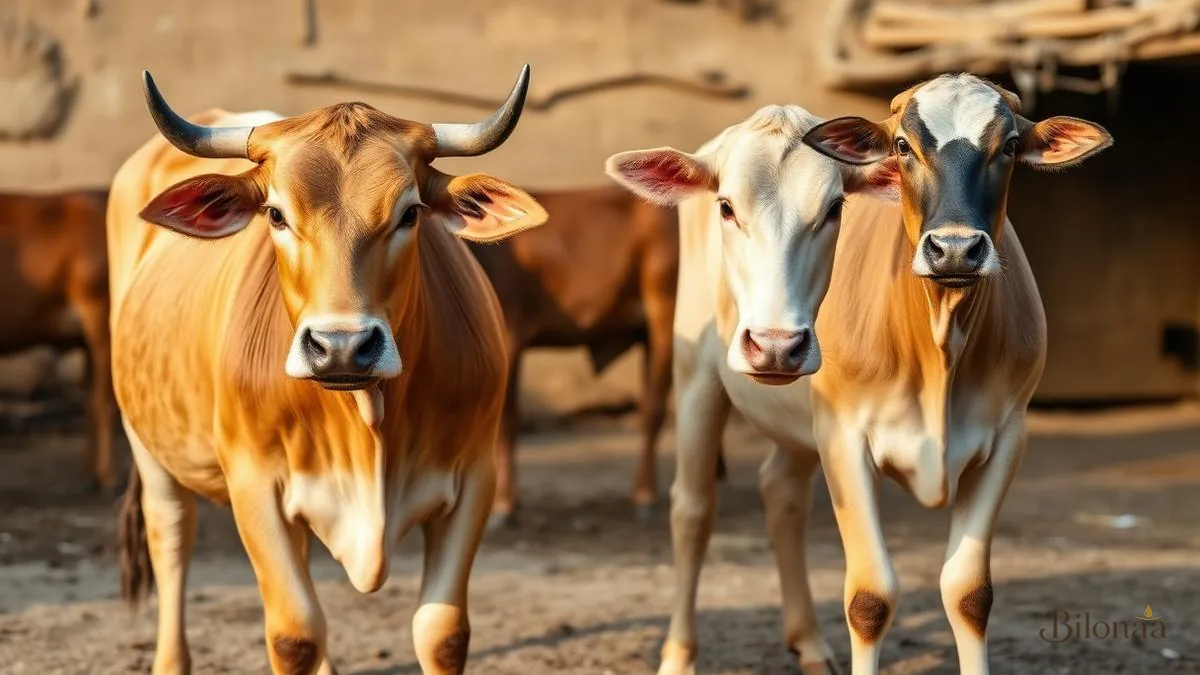
Delving into the history of Gir cows reveals their origin in the Gir forest region of Gujarat, making them distinct for their robust build, unique humped back, and striking appearance.
Gir cows are highly valued for their exceptional milk quality, which is known for its high fat content and richness, contributing to a deeply aromatic and flavourful ghee.
Conversely, Sahiwal cows hail from the Sahiwal district of Punjab and are renowned for being one of the best indigenous dairy breeds in India, adapting well to diverse climates.
Sahiwal cows are celebrated for producing a higher volume of milk compared to other desi breeds, which is also noted for its sweetness and balance of nutrients, translating into a distinctly smooth and subtle ghee.
The Ayurvedic perspective on Gir and Sahiwal ghee often highlights their different impacts on the doshas – Vata, Pitta, and Kapha – influencing how they are traditionally recommended for health and well-being.
Ayurveda suggests that Gir ghee, with its richer profile, may be particularly beneficial for balancing Vata and Pitta doshas, while Sahiwal ghee, known for its slight sweetness, might be more balancing for Pitta and Kapha.
Examining the nutritional composition reveals both Gir and Sahiwal ghee are powerhouses of healthy fats, fat-soluble vitamins (A, D, E, K), and conjugated linoleic acid (CLA), though their exact ratios might vary subtly based on feed and environment.
While both types of ghee offer similar health benefits, including supporting digestion, boosting immunity, and promoting healthy skin, studies indicate that specific fatty acid profiles can differ slightly between breeds, influencing their overall therapeutic qualities.
The Bilona churning method is pivotal in the quality of both Gir and Sahiwal ghee, ensuring that the butter is churned bi-directionally, preserving the full spectrum of nutrients and delicate flavour compounds often lost in industrial production.
This traditional method involves curdling whole milk, churning the curd to separate butter, and then simmering this butter over a low flame, resulting in a granular texture and unmistakable aroma that machine-made ghee cannot replicate.
When choosing between Gir and Sahiwal ghee for daily use, consider your personal taste preferences and health goals; Gir ghee tends to be richer and more robust, while Sahiwal often presents a milder, sweeter profile.
For culinary applications, Gir ghee's strong aroma can enhance dishes like dal and curries, whereas Sahiwal ghee's subtlety makes it versatile for baking, tempering, and direct consumption.
Ultimately, the 'better' choice often comes down to individual constitution (Prakriti) and the specific health benefits one seeks, as both types of A2 ghee offer immense value in a balanced diet.
Purity and authentic sourcing are non-negotiable when buying either Gir or Sahiwal ghee; look for certifications, transparent farming practices, and brands that meticulously follow the Bilona method, such as Bilonaa, to avoid 'milawat' (adulteration).
Proper storage of Bilona ghee, whether Gir or Sahiwal, is essential to maintain its freshness and extend its shelf life; it should be kept in an airtight container in a cool, dark place away from direct sunlight and moisture.
Given Bilonaa's commitment to ancestral practices, we proudly offer premium Bilona A2 Desi Ghee sourced from the finest indigenous cows in Bikaner, Rajasthan, embodying the richness and purity that consumers expect from true Ayurvedic traditions.
Dispelling common myths, neither Gir nor Sahiwal ghee is inherently 'fattening' when consumed in moderation as part of a balanced diet; instead, their healthy fats support satiety and overall metabolic function.
Both Gir and Sahiwal A2 Bilona ghee are celebrated for their unique characteristics and profound health benefits, making them invaluable additions to any diet focused on holistic well-being and natural goodness.
"The 'better' ghee often aligns with individual constitution and desired benefits, making both Gir and Sahiwal valuable choices."
Bilonaa Promise
Small-batch, A2 desi-cow, traditional bilona ghee — straight to your kitchen.
100% pure, hand-churned, slow-cooked on a wood fire and packed in glass jars.
FAQs
Quick answers
What is the main difference between Gir and Sahiwal cow ghee?
Gir cows originate from Gujarat and produce a richer, more robust ghee, whereas Sahiwal cows from Punjab are known for producing a slightly sweeter, milder ghee. Both are A2 milk producers, but their regional genetics influence their milk and subsequent ghee characteristics.
Is one type of A2 ghee healthier than the other?
No, both Gir and Sahiwal A2 ghees are highly nutritious, rich in healthy fats, vitamins, and CLA. The 'healthier' choice often depends on individual Ayurvedic dosha balance and personal preference, as both offer extensive benefits.
How does the Bilona method enhance Gir and Sahiwal ghee?
The Bilona method involves curdling milk, churning curd into butter, and then slow-cooking the butter. This traditional process retains the complete nutritional profile, unique aroma, and granular texture that distinguishes authentic Gir and Sahiwal ghee from machine-made versions.
Can I use both Gir and Sahiwal ghee in my cooking?
Absolutely! Gir ghee's stronger aroma is excellent for flavourful curries and dal, while Sahiwal ghee's milder profile is versatile for baking, tempering, or simply consuming raw. Experimenting allows you to discover their best culinary applications.
How should I store Gir or Sahiwal Bilona ghee?
To maintain freshness and extend shelf life, store your Bilona A2 ghee in an airtight container in a cool, dark place. Avoid direct sunlight and moisture, as these can degrade its quality and flavour over time.
Why is 'A2' important in Gir and Sahiwal cow ghee?
A2 refers to the type of beta-casein protein in the milk. A2 milk from indigenous Indian cows like Gir and Sahiwal is traditionally believed to be easier to digest and less inflammatory compared to A1 milk found in many Western dairy breeds.
Educational content only — please consult a doctor for medical conditions.
Get gentle ghee notes in your inbox
One thoughtful Ayurveda + kitchen note a week. No spam. Unsubscribe anytime.
Conversation(0)
Share a thought — every comment is read before it appears.