
Buyer Guide
Is Grainy Ghee Better? What Texture Says About Purity
On this page
- The texture of ghee often sparks curiosity, with many ponder
- Grainy ghee, characterized by small, sugar-like crystals dis
- The science behind grainy ghee predominantly lies in the cry
- Temperature fluctuations during storage play a significant r
- Ayurveda traditionally extols the virtues of ghee, particula
- The Bilona method, an ancient Indian technique, is crucial i
- Comparing grainy ghee to smooth ghee reveals differences oft
- The 'desi cow' factor is paramount, as ghee from indigenous
The texture of ghee often sparks curiosity, with many pondering whether a grainy consistency indicates superior quality or adulteration. This common question delves into the heart of what constitutes 'good ghee,' touching upon traditional preparation methods, the source of milk, and even storage conditions. Understanding ghee's texture is not just about aesthetics; it's a subtle clue to its purity, nutritional profile, and how it was made, offering insights that can guide you towards making better choices for your kitchen and health.
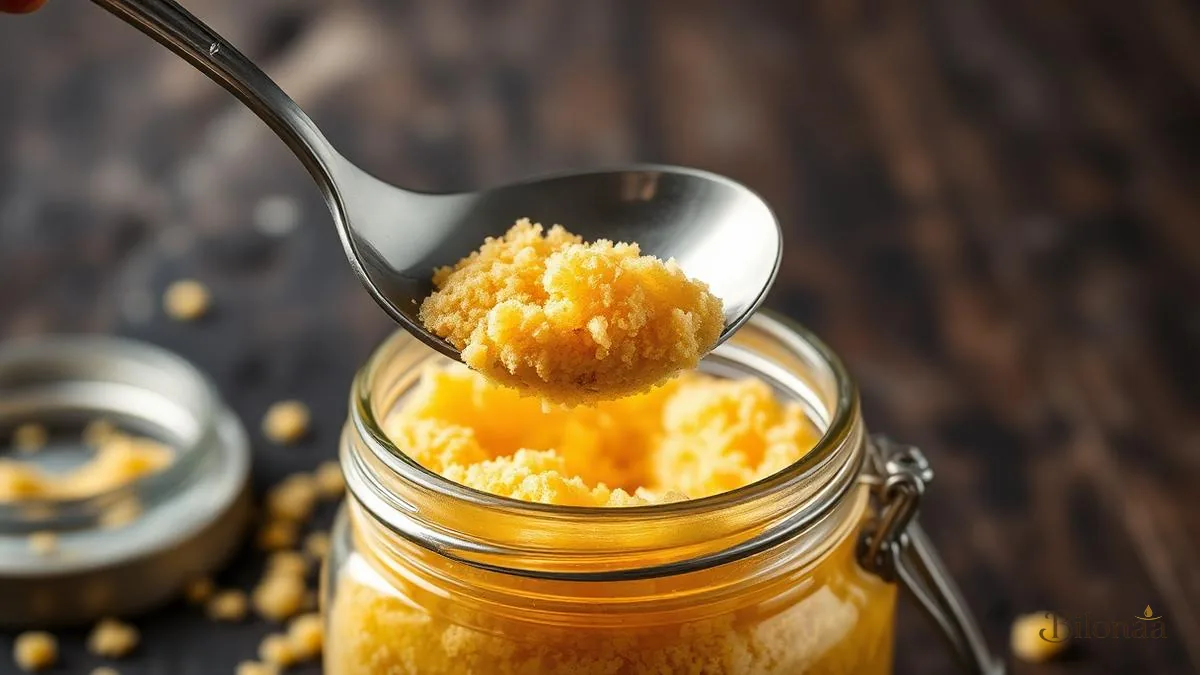
Grainy ghee, characterized by small, sugar-like crystals dispersed throughout, is traditionally highly prized in Indian households for its rich aroma and mouthfeel. This particular texture is not accidental but rather a result of specific processes and conditions during ghee making, particularly when crafted using ancestral methods. It suggests a certain crystallisation pattern of the fatty acids within the ghee, often indicative of its authentic, unadulterated nature and careful preparation, distinguishing it from mass-produced varieties that might appear uniformly smooth.
The science behind grainy ghee predominantly lies in the crystallisation of its fatty acid composition, particularly palmitic acid, which is one of the saturated fatty acids found in ghee. When ghee cools down slowly after preparation, these fatty acids tend to crystallise at different rates, forming small, distinct granules. This slow cooling process, common in traditional, small-batch preparation, allows for the formation of these larger crystal structures. The ratio of various fatty acids and the temperature fluctuations during cooling are key determinants of whether ghee will turn out grainy or smooth.
Temperature fluctuations during storage play a significant role in developing and maintaining ghee's granular texture. If ghee is stored in a cool place and then subjected to slightly warmer temperatures, followed by cooling again, these natural temperature shifts can encourage the crystallisation process. This dynamic environment allows fatty acids to re-align and form the characteristic grainy structure. Conversely, storing ghee in consistently warm conditions might lead to a smoother, oilier consistency as the crystals melt and re-form less frequently or less distinctly.
Ayurveda traditionally extols the virtues of ghee, particularly focusing on its 'ojas' building properties, which relates to vitality and immunity. While Ayurveda does not explicitly define 'grainy' as a primary indicator of quality, it highly values ghee made from healthy, contented cows' milk using the traditional Bilona method. Such traditionally prepared ghee, due to its slow churning and heating, often naturally develops a granular texture, thus indirectly associating granularity with Ayurvedic purity and potency. It is believed that this form retains more of the milk's vital essence.
The Bilona method, an ancient Indian technique, is crucial in producing ghee that often exhibits a desirable grainy texture. In this process, curd is first churned clockwise and anti-clockwise with a wooden churner ('bilona') to separate makkhan (butter). This makkhan is then gently heated over a low flame to produce ghee. This slow, artisanal method, unlike industrial processes that use cream directly, allows for the optimal crystallisation of fatty acids, naturally leading to a more granular finish. Bilonaa ghee, for instance, is crafted using this precise method, ensuring both purity and the cherished texture.
Comparing grainy ghee to smooth ghee reveals differences often rooted in their production methods and the raw material quality. Smooth ghee is typically produced from industrial white butter or cream using high-heat, rapid processes, which do not allow for the slow crystallisation of fatty acids. While smooth ghee can still be pure, the absence of granularity often suggests a departure from traditional, slow-cooked methods. Grainy ghee, on the other hand, often implies a more artisanal, slow-cooked process, preserving a complex fatty acid profile believed to offer superior benefits.
The 'desi cow' factor is paramount, as ghee from indigenous Indian cow breeds is particularly valued for its A2 protein content and beneficial fatty acid composition. The A2 milk, with its specific protein structure, is believed to contribute to a ghee that is easier to digest and offers more health benefits. This milk, when processed traditionally, often yields ghee with a more pronounced granular texture compared to ghee from A1 milk, further cementing the link between breed, method, and texture.
Adulteration is a serious concern, and certain textures can be warning signs. While some might mistake a smooth texture for impurity, it's extreme or unusual textures that should raise flags. Ghee that is too oily and separates quickly into distinct layers, or appears unnaturally white and hard, could indicate mixing with vegetable oils or hydrogenated fats. Always look for consistency that is neither too firm nor too liquid, and a natural colour ranging from golden yellow to light amber.
Beyond texture, the aroma and flavour are vital indicators of ghee's quality and purity. Pure desi ghee, especially from A2 milk, possesses a rich, nutty, slightly sweet aroma that is distinct and inviting. It should taste wholesome, delicate, and melt smoothly in the mouth, leaving a pleasant aftertaste. If ghee has an acidic, rancid, or artificial smell or taste, regardless of its texture, it is likely of poor quality or has begun to spoil. These sensory cues are powerful allies in discerning genuine ghee.
Identifying pure, high-quality ghee involves a combination of sensory observations and understanding its origin. A slightly granular, soft-to-touch texture that is yellow to golden in colour is a good starting point. Check for a pleasant, rich aroma and a clean taste. Furthermore, scrutinise the sourcing: look for ghee made from the milk of grass-fed A2 desi cows, prepared using the traditional Bilona method. Reputable brands like Bilonaa clearly state their production processes and sourcing, providing transparency to consumers.
There are several simple home tests that can help ascertain ghee purity, though they are not foolproof. One common test involves heating a teaspoon of ghee; if it melts quickly and turns a clear, dark yellow-brown, it suggests purity. If it bubbles quickly and leaves a residue, it might be impure. Another test involves placing a spoonful of ghee in your palm; if it melts within a minute from your body heat alone, it's often a good sign of quality, indicating a lower melting point typical of pure ghee.
While grainy ghee is often associated with purity, it's important to dispel some common misconceptions. Not all pure ghee will be grainy, and not all grainy ghee is necessarily pure. A smooth texture does not automatically mean adulteration, especially if the ghee was produced in a warmer climate or underwent different cooling processes. The key is to look at the overall profile — combination of colour, aroma, taste, and the brand's commitment to traditional methods and sourcing.
Incorporating pure, grainy ghee into your daily diet offers numerous health advantages, as traditionally believed in Ayurveda. It's a rich source of healthy fats, including conjugated linoleic acid (CLA) and butyric acid, which are beneficial for gut health and metabolism. Ghee is also highly revered for its ability to enhance nutrient absorption, lubricate joints, and improve digestion. Using it in cooking and as a condiment can significantly boost the nutritional value and flavour of your meals.
Storing your ghee correctly is crucial to preserve its unique texture and extend its shelf life. Keep ghee in an airtight container away from direct sunlight and moisture. While refrigeration isn't strictly necessary for pure ghee due to its low moisture content and high smoking point, it can help maintain a more consistent texture, especially in fluctuating room temperatures. However, extreme cold can make it excessively hard, so a cool, dark pantry is often ideal for maintaining the desired soft-grainy consistency.
For those seeking authentic, high-quality A2 desi cow ghee, Bilonaa offers a superior choice rooted in traditional Bilona methods. Sourced from grass-fed desi cows in Bikaner, Rajasthan, our ghee is carefully crafted to embody the characteristics of purity and nutritional richness. Customers consistently praise our ghee not only for its distinct aroma and flavour but also for its cherished granular texture, a testament to its genuine preparation and commitment to ancient wellness traditions. We believe in providing 'asli ghee' just like dadi-nani used to make.
Ultimately, the journey to finding truly pure and beneficial ghee is multifaceted, extending beyond just visual texture. While a grainy texture often hints at traditional preparation and quality sourcing, it's the confluence of aroma, taste, colour, and transparency from the producer that provides the most reliable indicators. Armed with this knowledge, you are better equipped to navigate the options, ensuring that the ghee you choose contributes positively to your health and culinary experiences, embodying the true essence of this golden elixir.
"A slightly granular, soft-to-touch texture is often considered a hallmark of pure, well-made desi ghee."
Bilonaa Promise
Small-batch, A2 desi-cow, traditional bilona ghee — straight to your kitchen.
100% pure, hand-churned, slow-cooked on a wood fire and packed in glass jars.
FAQs
Quick answers
Is grainy ghee always a sign of purity?
Not always. While often associated with traditional preparation and purity, smoothness doesn't inherently mean impurity. A combination of factors like aroma, taste, and sourcing should be considered to determine true quality.
What causes ghee to become grainy?
Graininess in ghee is primarily caused by the slow crystallisation of fatty acids, particularly palmitic acid, during the cooling process. Temperature fluctuations during storage can also contribute to or maintain this texture.
Does smooth ghee mean it's adulterated?
Not necessarily. Smooth ghee can still be pure, especially if it was made and stored in consistently warm conditions, preventing the formation of larger crystals. However, rapid, industrial processes tend to yield smoother ghee.
Why is Bilona ghee often grainy?
The traditional Bilona method involves slow churning of curd into butter and then gently heating this butter. This slow, artisanal process allows sufficient time for the fatty acids to crystallise, naturally resulting in a grainy texture.
How does A2 milk affect ghee texture?
Ghee made from A2 desi cow milk, especially when prepared traditionally, often has a more pronounced granular texture. The specific composition of A2 milk contributes to the fatty acid profile that facilitates this crystallisation.
What other indicators suggest pure ghee?
Beyond texture, pure ghee should have a rich, nutty aroma, a pleasant, slightly sweet taste, and a yellow to golden colour. It should melt quickly on body heat and solidify into a consistent texture at room temperature.
Educational content only — please consult a doctor for medical conditions.
Get gentle ghee notes in your inbox
One thoughtful Ayurveda + kitchen note a week. No spam. Unsubscribe anytime.
Conversation(0)
Share a thought — every comment is read before it appears.