
Cow Breeds
What Is Grass-Fed Ghee? Meaning, Benefits and Buying Tips
On this page
- Understanding what 'grass-fed ghee' truly signifies is cruci
- The journey of traditional Indian ghee, particularly grass-f
- This natural feeding regimen directly influences the nutriti
- Historically speaking, all ghee in India was inherently 'gra
- The concept of 'grass-fed' as a distinguishing term emerged
- Embracing the Ayurvedic perspective, grass-fed ghee—especial
- Ayurveda traditionally believes that ghee from cows consumin
- Modern nutritional science sheds light on the specific advan
Understanding what 'grass-fed ghee' truly signifies is crucial for deciphering its quality and benefits, as the term refers to the dietary practices of the cow from which the milk is sourced.
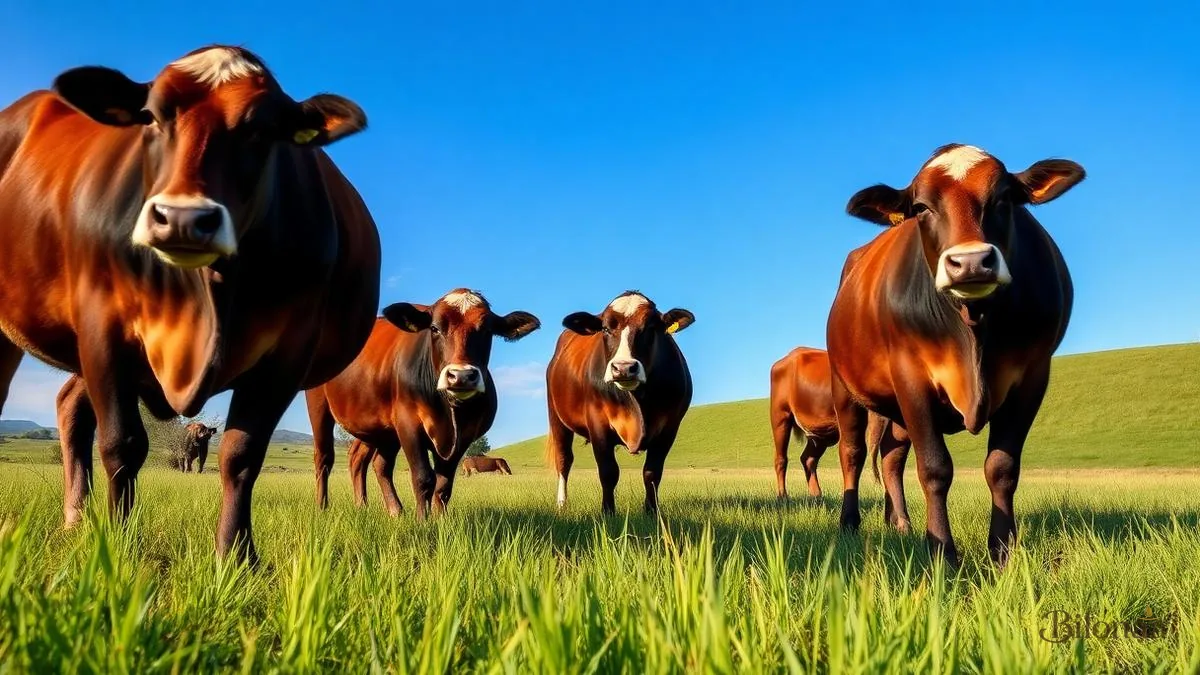
The journey of traditional Indian ghee, particularly grass-fed, begins with cows that graze naturally on pastures, consuming a diet rich in green forage rather than grains or processed feeds.
This natural feeding regimen directly influences the nutritional profile of the cow's milk, which subsequently impacts the composition of the ghee produced from it.
Historically speaking, all ghee in India was inherently 'grass-fed' because cows traditionally grazed freely in open fields, a practice deeply embedded in agricultural and cultural heritage.
The concept of 'grass-fed' as a distinguishing term emerged relatively recently, primarily in response to industrialized dairy farming where cows are often fed grains or kept in confinement.
Embracing the Ayurvedic perspective, grass-fed ghee—especially from desi A2 cows—is considered sattvic, meaning it promotes purity, balance, and well-being.
Ayurveda traditionally believes that ghee from cows consuming natural fodder possesses enhanced prana (life force) and therapeutic properties, supporting digestion and overall vitality.
Modern nutritional science sheds light on the specific advantages of grass-fed dairy, often highlighting higher levels of beneficial compounds compared to conventional alternatives.
Studies indicate that milk from grass-fed cows tends to have a more favorable omega-3 to omega-6 fatty acid ratio, along with increased concentrations of conjugated linoleic acid (CLA) and fat-soluble vitamins like A, D, E, and K2.
The Bilona churning process, as practiced by Bilonaa, further elevates the quality of grass-fed ghee by preserving these delicate nutrients through a slow, traditional method.
Unlike industrial methods that utilize high heat and mechanical separation, the Bilona technique involves curdling milk, hand-churning it to extract butter, and then simmering this butter to produce ghee, ensuring its authenticity and nutritional integrity.
When comparing grass-fed ghee to conventional ghee, the primary differentiator lies in the cow's diet and its subsequent impact on the nutrient density and fatty acid composition of the final product.
While both are forms of clarified butter, grass-fed ghee, particularly from A2 desi cows fed natural feed, is traditionally viewed as superior for its perceived health advantages and holistic properties.
Individuals seeking a nutrient-dense, easily digestible fat source, or those adhering to Ayurvedic principles, would particularly benefit from incorporating authentic grass-fed ghee into their diet.
However, individuals with specific dairy allergies or sensitivities should consult a healthcare professional, though ghee's minimal lactose and casein content often makes it tolerable for many.
Dispelling common myths, 'grass-fed' does not automatically equate to 'organic,' although many organic farms do practice grass-feeding, a distinction rooted in specific certification standards.
Additionally, the notion that all ghee is the same overlooks the profound impact of the cow's diet and the traditional processing methods, which significantly influence the ghee's flavor, aroma, and beneficial compounds.
When purchasing grass-fed ghee, look for certifications like 'USDA Organic' if that's a priority, and always confirm that the product explicitly states 'grass-fed' or 'pasture-raised' on its label.
Prioritizing trusted brands like Bilonaa, who transparently detail their sourcing from A2 desi cows fed natural feed and their commitment to the traditional Bilona method, ensures you receive high-quality, authentic grass-fed ghee.
Proper storage is essential to maintain the freshness and longevity of your grass-fed ghee; it should be kept in a cool, dark place away from direct sunlight, sealed tightly in an airtight container.
Avoid refrigerating ghee unless you live in an extremely hot and humid climate, as it can firm up excessively and lose its smooth texture, but it generally has a long shelf life when stored correctly at room temperature.
Incorporating Bilonaa's grass-fed A2 desi-cow ghee into your daily routine is an effortless way to elevate your culinary experiences, support digestive wellness, and embrace a tradition of purity and nourishment.
"True grass-fed ghee transcends a mere culinary ingredient; it embodies a holistic tradition of wellness, purity, and mindful living."
Bilonaa Promise
Small-batch, A2 desi-cow, traditional bilona ghee — straight to your kitchen.
100% pure, hand-churned, slow-cooked on a wood fire and packed in glass jars.
FAQs
Quick answers
What does 'grass-fed' mean for ghee?
'Grass-fed' for ghee means the milk used to make it comes from cows that primarily graze on pastures and consume natural forage, such as grass and hay, rather than grains or processed feeds. This diet significantly influences the cow's milk and the nutritional profile of the resulting ghee.
Is grass-fed ghee better than regular ghee?
From an Ayurvedic and nutritional standpoint, grass-fed ghee is often considered superior. Research suggests it may contain higher levels of omega-3 fatty acids, conjugated linoleic acid (CLA), and fat-soluble vitamins (A, D, E, K2) compared to ghee from grain-fed cows. It's often seen as a more natural and wholesome product.
Does 'grass-fed' also mean 'organic'?
Not necessarily. While many organic farms do practice grass-feeding, 'grass-fed' specifically refers to the cow's diet, whereas 'organic' refers to the farming practices, including no pesticides, herbicides, or GMOs in their feed. Some ghee can be grass-fed but not certified organic, and vice-versa.
What is A2 ghee and how does it relate to grass-fed?
A2 ghee is made from the milk of specific native Indian cow breeds (desi cows) that naturally produce only the A2 beta-casein protein. Many traditional Indian farms that raise these A2 desi cows also allow them to graze naturally, meaning A2 ghee is often inherently grass-fed and pasture-raised, combining multiple benefits.
How can I tell if ghee is genuinely grass-fed?
Look for clear labeling that states 'grass-fed,' 'pasture-raised,' or 'from grass-fed cows.' Reputable brands often provide information about their sourcing and cow care. Certifications, though not always present for 'grass-fed' specifically, can offer additional assurance regarding quality and ethical practices.
What are the key benefits of consuming grass-fed ghee?
Grass-fed ghee is traditionally believed to support digestion, boost immunity, and provide healthy fats. From a nutritional perspective, it's a good source of fat-soluble vitamins (A, D, E, K2), essential fatty acids, and potentially higher levels of beneficial compounds like CLA, which are linked to various health advantages.
Educational content only — please consult a doctor for medical conditions.
Get gentle ghee notes in your inbox
One thoughtful Ayurveda + kitchen note a week. No spam. Unsubscribe anytime.
Conversation(0)
Share a thought — every comment is read before it appears.