
Buyer Guide
How Much Ghee to Use in Cooking: Practical Indian Kitchen Guide
On this page
- Understanding the perfect balance of ghee in your daily cook
- Defining ghee, particularly A2 desi cow bilona ghee, provide
- Ayurveda's perspective on ghee positions it as a vital 'rasa
- Modern nutrition science corroborates many traditional belie
- Incorporating ghee into daily Indian cooking often begins wi
- Using ghee as a finishing agent or flavour enhancer adds a t
- The appropriate amount of ghee can vary significantly based
- Individual dietary needs and health goals play a pivotal rol
Understanding the perfect balance of ghee in your daily cooking can significantly impact both the flavour of your dishes and your overall well-being. While ghee is celebrated as a superfood in Ayurveda, knowing how much to incorporate without overdoing it is key, especially in the context of an Indian diet which is often rich in spices and diverse ingredients. This guide aims to demystify the 'how much' aspect, offering practical advice grounded in tradition and modern nutritional understanding, ensuring you reap maximum benefits from this golden essence.
Defining ghee, particularly A2 desi cow bilona ghee, provides the foundation for appreciating its value and judicious use. Ghee is clarified butter, but 'A2 desi cow bilona ghee' specifies a traditional churning process (bilona) used to make butter from the milk of indigenous Indian cows (desi cows), which primarily produce A2 beta-casein protein. This traditional method, which produces a superior quality fat, highlights why its use should be thoughtful and respectful of its essence and benefits. It's not just any cooking fat; it's a revered culinary and medicinal ingredient.
Ayurveda's perspective on ghee positions it as a vital 'rasayana' or rejuvenator, emphasising its role in digestion and overall health. Traditionally, Ayurveda suggests that ghee enhances 'agni' (digestive fire) without aggravating Pitta, nourishes tissues, improves lubrication, and aids in the absorption of fat-soluble vitamins. The quantity recommended by ancient texts often varies based on an individual's 'Prakriti' (body constitution), age, climate, and digestive strength, advocating for moderate and consistent use rather than excessive amounts. It's a holistic view where quality always supersedes mere quantity.
Modern nutrition science corroborates many traditional beliefs about ghee, recognising its beneficial fatty acid profile, including conjugated linoleic acid (CLA), and fat-soluble vitamins like A, D, E, and K. Research indicates that the saturated fats in ghee are short-chain fatty acids which are metabolised differently than long-chain saturated fats, offering potential benefits for gut health and metabolism. However, like all fats, it is calorie-dense, meaning moderation remains a scientifically crucial factor to maintain a healthy weight and cardiovascular profile. The evidence points to judicious use being beneficial.
Incorporating ghee into daily Indian cooking often begins with tempering or 'tadka,' a foundational technique to infuse dishes with flavour and aroma. For a typical tempering of dal, vegetables, or curries, one to two teaspoons (5-10 ml) of ghee per serving or for a family of four is often sufficient. This small amount brings out the flavours of spices, lends a fragrant aroma, and contributes a subtle richness without making the dish overtly oily. This foundational use demonstrates ghee's power even in small quantities.
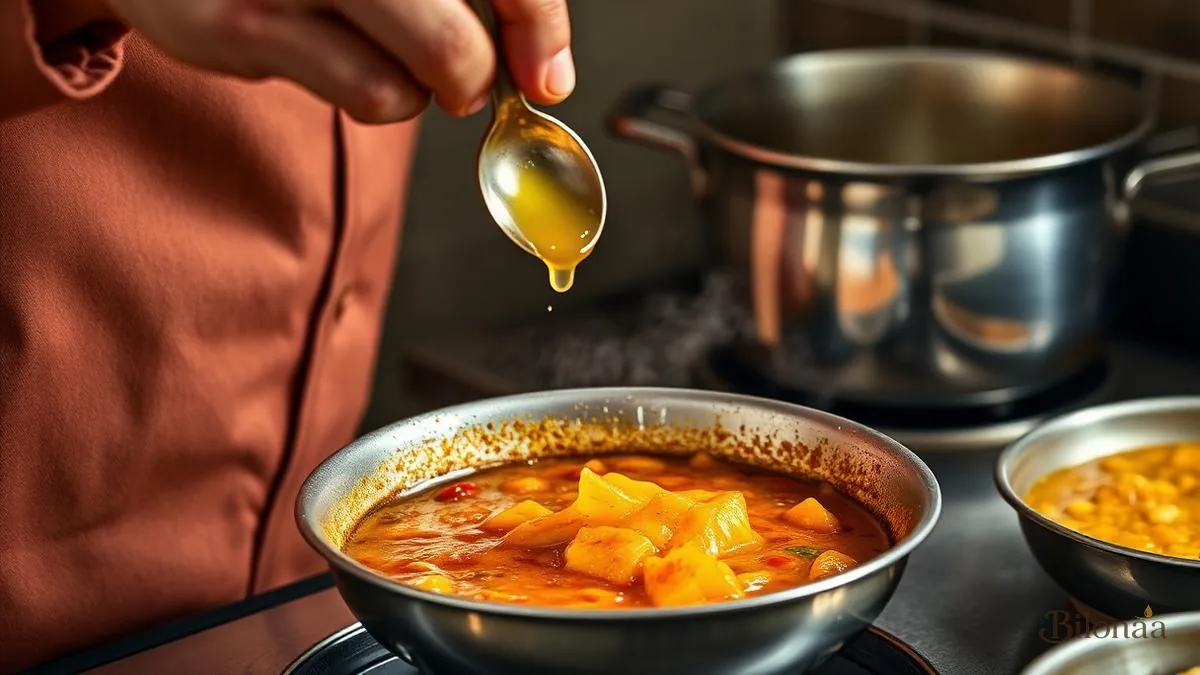
Using ghee as a finishing agent or flavour enhancer adds a touch of richness and depth to cooked meals, even if not used during the main cooking process. A drizzle of half a teaspoon (2.5 ml) over hot rice, roti, paratha, or even a finished sabzi can significantly elevate the sensory experience and aid in nutrient absorption. This application is particularly popular in North India, where the aroma of fresh ghee is deeply cherished and considered essential for a complete meal. It is about taste and tradition.
The appropriate amount of ghee can vary significantly based on the dish being prepared and its traditional requirements. For instance, halwa or traditional sweets might call for a more generous quantity of ghee, sometimes a 1:1 ratio with semolina, to achieve the desired texture and flavour, making them a rich occasional indulgence. In contrast, for everyday vegetable preparations, a much smaller amount is preferred. Always consider the recipe's integrity and the role ghee plays in achieving the authentic outcome.
Individual dietary needs and health goals play a pivotal role in determining your personal ghee intake. Those leading a more active lifestyle or seeking to gain weight might naturally incorporate more ghee than someone aiming for weight management or managing specific health conditions. Consulting with a nutritionist or an Ayurvedic practitioner can provide personalised guidance, ensuring your ghee intake aligns with your overall health objectives. Tailoring intake is essential for personal well-being.
Understanding the caloric density of ghee is vital for mindful consumption, as one tablespoon (about 15 ml) contains approximately 120 calories and 14 grams of fat. While these are healthy fats, excessive consumption without corresponding energy expenditure can lead to weight gain. Therefore, it's not about avoiding ghee, but rather being conscious of portion sizes within your daily caloric budget, especially if you are monitoring your fat intake for health reasons. Be aware of your total daily consumption.
The quality of ghee directly influences its taste, nutritional profile, and the amount needed to impart flavour, making high-quality sourcing paramount. Pure A2 desi cow bilona ghee, like that offered by Bilonaa, is renowned for its superior aroma, granular texture, and traditionally believed health benefits. When using authentic, high-quality ghee, you often find that smaller quantities are more potent and sufficient to achieve the desired culinary and healthful effects, making each drop count. Purity truly makes a difference.
Making your own homemade ghee offers unparalleled control over its quality and an understanding of its production, though it is time-consuming. Starting with high-quality, unsalted butter from grass-fed cows is essential. The slow simmering process allows milk solids to separate, leaving behind clear, golden liquid fat. While store-bought options are convenient, making it at home ensures no additives and complete freshness, giving you insights into its true value. This process deepens your connection to the food.
Storing ghee correctly preserves its freshness, flavour, and nutritional integrity, ensuring it remains a valuable kitchen staple. Ghee should be stored in an airtight container in a cool, dark place, away from direct sunlight and moisture. When stored properly, it can last for several months, often without refrigeration. This stability is one of its advantages over other cooking fats, allowing for prolonged use without spoilage or degradation of quality. Proper storage maintains its character.
Common myths surrounding ghee, such as it being 'unhealthy' due to its saturated fat content, often overlook its specific fatty acid composition and traditional benefits. The distinction between good fats and bad fats is crucial, and ghee's unique profile, coupled with its use in moderation within balanced diets, challenges these misconceptions. Dismissing ghee entirely based on broad generalisations about saturated fat would mean missing out on its potential advantages. Separating fact from fiction is critical.
Incorporating ghee into non-Indian cuisines can introduce a unique depth of flavour that enhances diverse dishes. From sauteing vegetables in a French stir-fry to adding a nutty richness to baked goods or even spread on toast, ghee's versatility extends beyond traditional Indian boundaries. Its high smoke point also makes it suitable for various cooking methods, ensuring it doesn't break down easily at high temperatures and maintaining its nutritional integrity. Experimentation expands its horizons.
Bilonaa A2 desi cow bilona ghee stands out due to its adherence to traditional methods, ensuring purity and superior quality right from the Bikaner region of Rajasthan. Sourced from indigenous cows and prepared with the bilona method, it embodies the authentic essence of this golden elixir. Its rich aroma, granular texture, and wholesome properties make it an exceptional choice for those seeking to incorporate genuine, high-quality ghee into their daily diet and cooking practices. Trust in truly traditional products.
When comparing ghee to other cooking oils, its unique properties, such as a high smoke point and distinctive flavour, often make it a superior choice for specific culinary applications. While olive oil is great for low-heat cooking, and coconut oil has its own benefits, ghee truly shines in high-heat Indian cooking and for its traditional Ayurvedic significance. Understanding these differences allows for informed choices in your kitchen, optimising both flavour and health benefits. Each fat has its unique place.
The best way to determine your personal 'how much ghee' is through mindful observation of your body's response and digestive comfort. Begin with smaller quantities and gradually adjust based on how you feel and how your digestion responds. If you experience heaviness or indigestion, reduce the amount. The goal is to feel energised and nourished, not weighed down. Listening to your body is the ultimate guide to optimising your ghee intake for well-being.
To conclude, integrating ghee purposefully into your cooking is about appreciating its profound heritage, understanding its science, and finding a balance that suits your individual needs. Whether used for tempering, finishing, or as a medicinal aid, its presence in the Indian kitchen is timeless. Embrace the golden goodness of pure A2 desi cow bilona ghee with wisdom and moderation, and witness the transformative impact it has on your health and culinary creations.
"The right amount of ghee is not just about flavour; it's about balance, digestion, and overall well-being."
Bilonaa Promise
Small-batch, A2 desi-cow, traditional bilona ghee — straight to your kitchen.
100% pure, hand-churned, slow-cooked on a wood fire and packed in glass jars.
FAQs
Quick answers
What is the typical daily recommended amount of ghee for an adult?
For most healthy adults, a general recommendation is 1-2 teaspoons (5-10 ml) of ghee per day, integrated across various meals. This amount typically provides health benefits without adding excessive calories, assuming a balanced diet and active lifestyle. Adjust based on dietary needs.
Does using ghee in cooking make food unhealthy due to saturated fat?
No, using ghee in moderation does not make food unhealthy. Ghee contains healthy short-chain fatty acids, beneficial vitamins, and a high smoke point. When consumed as part of a balanced diet, its saturated fat content, unlike trans fats, is not typically a concern. Quality and quantity are key.
Can ghee be used for deep frying without compromising health?
While ghee has a high smoke point (around 250°C), making it suitable for frying, deep frying anything, even in ghee, should be done sparingly for health reasons. It's best reserved for shallow frying or tempering to retain its nutritional value and avoid excess fat intake.
How does Bilonaa A2 ghee differ from regular ghee in terms of usage?
Bilonaa A2 desi cow bilona ghee is traditionally prepared, offering superior flavour and nutritional richness. Due to its purity and intense flavour, you might find needing slightly less than conventional, mass-produced ghee to achieve the desired taste and aroma in your dishes. Quality delivers more with less.
Is there a difference in how much ghee to use for adults versus children?
Yes, children typically require less ghee than adults, proportionate to their body weight and activity levels. Consult a pediatrician for precise guidelines, but generally, 0.5-1 teaspoon (2.5-5 ml) daily can be a good starting point, aiding in development and digestion. Always ensure it's pure A2 ghee.
What are the signs of using too much ghee in your diet?
Signs of excessive ghee intake can include feelings of heaviness, indigestion, bloating, or unintended weight gain. Pay attention to how your body responds; if these symptoms appear, it's advisable to reduce your daily ghee consumption and balance it with other dietary choices.
Educational content only — please consult a doctor for medical conditions.
Get gentle ghee notes in your inbox
One thoughtful Ayurveda + kitchen note a week. No spam. Unsubscribe anytime.
Conversation(0)
Share a thought — every comment is read before it appears.