
Cow Breeds
A2 Ghee from Indian Cows vs Imported Cow Breeds: What's Different?
On this page
- Understanding the fundamental difference between A2 and A1 m
- The historical context of cow domestication and breed develo
- The scientific distinction between A1 and A2 beta-casein lie
- Ayurveda, the ancient Indian system of medicine, has long re
- The process of making ghee, irrespective of the milk type, i
- Comparing the sourcing of milk for A2 ghee involves a signif
- The unique 'Bilona' method of ghee preparation is integral t
- Nutritional benefits of Indian cow A2 ghee extend beyond sim
Understanding the fundamental difference between A2 and A1 milk is crucial for appreciating ghee variations. A2 milk primarily contains the A2 beta-casein protein, which is traditionally found in milk from indigenous Indian cow breeds and certain other older breeds. In contrast, A1 milk contains the A1 beta-casein protein, primarily found in milk from many European-origin cow breeds, which became widespread globally due to selective breeding for higher milk yields. This single amino acid difference at position 67 in the beta-casein protein chain is the root of much discussion surrounding milk and ghee digestibility.
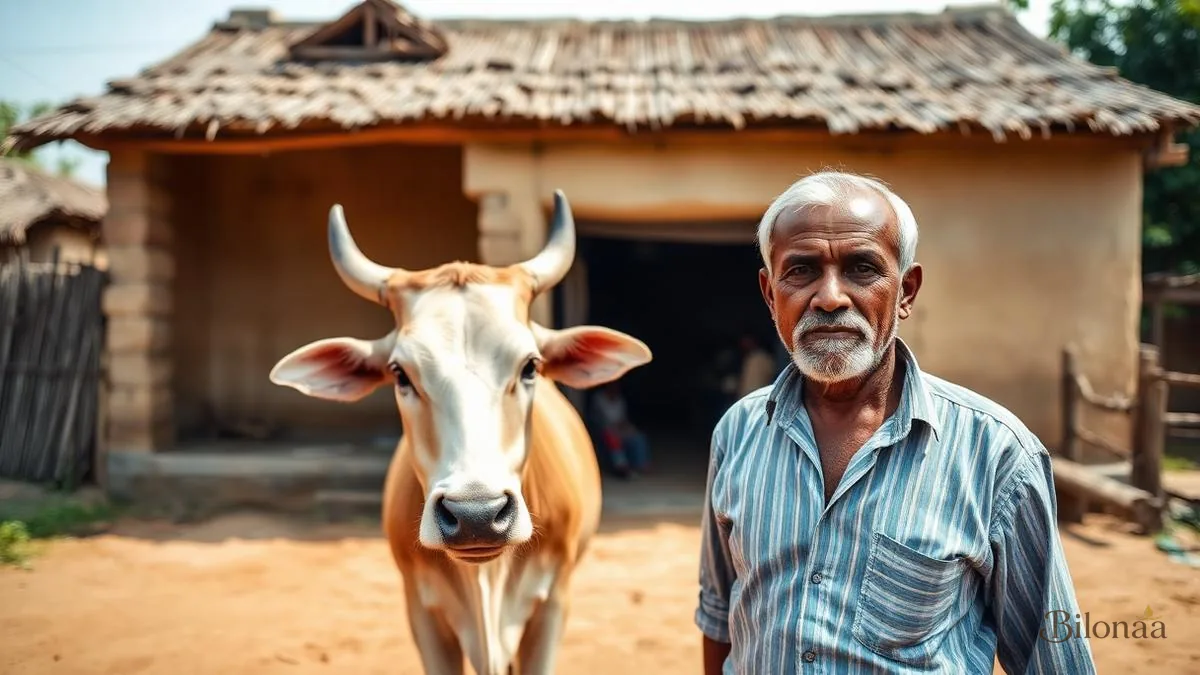
The historical context of cow domestication and breed development profoundly influenced the prevalence of A1 and A2 milk. Indigenous Indian cows, often referred to as 'desi' cows, have a lineage that spans thousands of years, with breeds like Gir, Sahiwal, Rathi, and Kankrej traditionally producing A2 milk. These breeds evolved in the Indian subcontinent, adapting to local climates and forage. European breeds, such as Holstein Friesian and Jersey, were primarily bred for mass milk production, leading to their widespread adoption globally, and coincidentally, a prevalence of the A1 beta-casein gene.
The scientific distinction between A1 and A2 beta-casein lies in how these proteins are digested in the human gut. During the digestion of A1 beta-casein, a peptide called beta-casomorphin-7 (BCM-7) is released. Traditionally, it has been suggested that BCM-7 might interact differently with the human digestive system compared to the peptides released during the digestion of A2 beta-casein, which does not produce BCM-7 in significant amounts. While research is ongoing, many individuals report experiencing better digestion and less discomfort with A2 milk and its products.
Ayurveda, the ancient Indian system of medicine, has long revered the milk and ghee from indigenous Indian cows. Ayurvedic texts consistently recommend 'desi cow ghee' for its medicinal properties, emphasizing its role in promoting vitality, supporting digestion (agni), and nourishing all 'dhatus' (tissues). These traditional beliefs implicitly point towards the inherent nutritional superiority of milk from native breeds, long before modern science identified the A1/A2 distinction. The emphasis was always on the ‘type’ of cow, not just its milk volume.
The process of making ghee, irrespective of the milk type, involves simmering butter until the milk solids separate, leaving behind pure butterfat. However, the quality of milk, specifically its A1 or A2 beta-casein content, influences the inherent nutritional profile of the resulting ghee. While ghee is primarily fat, some trace protein components can remain, and the overall quality of the milk fat itself is influenced by the cow's diet, health, and genetics. Therefore, A2 ghee, made from A2 milk, carries the legacy of that milk's protein structure.
Comparing the sourcing of milk for A2 ghee involves a significant geographical and ethical aspect. True A2 ghee, like that offered by Bilonaa, is typically made from the milk of indigenous Indian cow breeds nurtured in their natural habitat, often through traditional grazing methods. Conversely, ghee from imported cow breeds often originates from large-scale dairy farms, which may employ different farming practices. This distinction impacts not just the 'A2' aspect but also the overall purity and life-force ('prana') of the product.
The unique 'Bilona' method of ghee preparation is integral to preserving the nutritional integrity of A2 milk-derived ghee. This traditional method involves hand-churning curd (Dahi, not cream) to separate butter, which is then gently heated to produce ghee. This slow, artisanal process, compared to industrial cream separation, is traditionally believed to retain more of the milk's beneficial micronutrients, such as fat-soluble vitamins and healthy fatty acids. It’s the original 'dadi-nani' way of making ghee, emphasizing quality over speed.
Nutritional benefits of Indian cow A2 ghee extend beyond simple fat content. It is a rich source of healthy saturated fats, including butyric acid, which is vital for gut health and inflammation reduction. It also contains fat-soluble vitamins A, D, E, and K, along with CLA (Conjugated Linoleic Acid), known for its potential antioxidant properties. While ghee from A1 milk also provides these nutrients, the traditional belief and emerging scientific interest suggest that A2 ghee offers a superior nutritional profile, aligning with Ayurvedic principles of holistic wellness.
The impact on digestibility is a primary reason many choose A2 ghee over those from A1 milk sources. For individuals who experience digestive discomfort, bloating, or other sensitivities with conventional dairy products, A2 ghee might be a more easily digestible option, even though ghee has very minimal lactose. Stories abound of people tolerating A2 milk and ghee much better, attributing it to the absence of the A1 beta-casein protein and the BCM-7 peptide it can form.
Sourcing authentic Indian cow A2 ghee requires careful attention to labels and brand transparency. Look for certifications that guarantee '100% A2 milk' from 'desi cows' and ideally mention the Bilona method. Misleading labels or 'milawat' (adulteration) can be prevalent in the market, making it essential to choose reputable brands committed to traditional practices and ethical sourcing. A brand like Bilonaa, dedicated to transparency and quality, makes this choice simpler.
Ayurvedic applications of A2 desi-cow ghee are extensive, positioning it as a potent healing agent. It is revered for its ability to balance all three doshas (Vata, Pitta, Kapha), act as a 'yogavahi' (a catalytic agent that carries the properties of herbs deep into the tissues), and enhance 'ojas' (vitality and immunity). It's used internally for digestion, detoxification, and rejuvenation, and externally for skin, hair, and nasal lubrication (Nasya).
Incorporating Indian cow A2 ghee into your daily diet is simple and highly beneficial. Use it as a cooking medium for sautéeing, frying, and tempering spices, as its high smoke point makes it stable for high-heat cooking. Drizzle it over warm rice, dal, or vegetables for added flavour and nutrition. A spoonful in warm milk before bed is a traditional remedy for improved sleep and digestion. It can also be added to morning coffee for sustained energy.
Debunking common myths about ghee is essential for informed choices. One common misconception is that ghee, being a fat, is unhealthy. In reality, pure, traditionally made A2 ghee contains healthy fats crucial for brain function, hormone production, and nutrient absorption. Another myth suggests all ghee is the same; however, the source of milk (A1 vs A2) and the method of preparation (Bilona vs industrial) significantly differentiate its quality and benefits.
Who benefits most from Indian cow A2 ghee often includes individuals seeking digestive comfort, those looking to enhance their Ayurvedic lifestyle, and anyone prioritising natural, nutrient-dense foods. People with mild dairy sensitivities often find A2 products more agreeable. Athletes and those with active lifestyles can benefit from its energy-sustaining properties, while individuals focusing on holistic well-being appreciate its wide range of traditional uses.
While generally considered safe and beneficial, certain individuals might need to moderate their ghee intake. Those with severe dairy allergies or specific medical conditions impacting fat metabolism should consult their healthcare provider. However, for most, pure A2 ghee, in moderation, is a beneficial addition to a balanced diet. Its high smoke point makes it a safer cooking fat compared to many refined oils.
Storing your precious A2 ghee correctly ensures its longevity and preserves its quality. Keep it in an airtight container away from direct sunlight and moisture. Ghee does not require refrigeration and can stay fresh at room temperature for several months, or even longer if stored properly in a cool, dark place. Always use a clean, dry spoon to avoid introducing contaminants.
The environmental and ethical considerations behind A2 ghee from traditional Indian cows are significant. Supporting desi cow breeds contributes to biodiversity preservation and promotes sustainable farming practices, often involving ethical treatment of animals. This contrasts with some large-scale commercial dairy operations that may prioritize yield over animal welfare or environmental impact. Choosing Bilonaa ghee means supporting this holistic approach.
In conclusion, the preference for A2 ghee from indigenous Indian cows over that from imported breeds stems from a blend of historical tradition, Ayurvedic wisdom, and emerging scientific insights. From its unique protein structure and potential digestibility benefits to the ethical sourcing and traditional Bilona preparation method, Indian cow A2 ghee offers a distinct and enriching experience compared to its counterparts. It’s not just a food item; it’s a connection to heritage and holistic well-being.
"The genetic makeup of the cow directly influences the protein composition of its milk, which in turn impacts the ghee derived from it."
Bilonaa Promise
Small-batch, A2 desi-cow, traditional bilona ghee — straight to your kitchen.
100% pure, hand-churned, slow-cooked on a wood fire and packed in glass jars.
FAQs
Quick answers
What is the main difference between A1 and A2 milk?
The primary difference lies in the beta-casein protein. A2 milk contains A2 beta-casein, while A1 milk contains A1 beta-casein. This minor genetic variation influences how the protein is digested, with A1 milk potentially releasing BCM-7, which some individuals find harder to digest.
Do all Indian cow breeds produce A2 milk?
Yes, almost all indigenous Indian cow breeds (desi breeds) like Gir, Sahiwal, Rathi, Kankrej, and Tharparkar are known to produce milk containing only the A2 beta-casein protein. This is a distinguishing characteristic that has been preserved in their genetic lineage over centuries.
Is A2 ghee from Indian cows superior to ghee from imported breeds?
Many traditional beliefs and anecdotal reports suggest A2 ghee from Indian cows is superior due to its A2 protein content, which is believed to be easier to digest, and the traditional farming methods often associated with these breeds. Ayurveda strongly advocates for 'desi cow ghee' for its health benefits.
What is the 'Bilona' method of making ghee and why is it important?
The Bilona method is a traditional, slow process where curd (dahi) from A2 milk is churned by hand to extract butter, which is then slow-cooked into ghee. This contrasts with industrial methods using cream. It is believed to retain more nutrients and beneficial properties, making it highly valued in Ayurveda.
Can people with lactose intolerance consume A2 ghee?
Ghee is virtually lactose-free and casein-free because lactose and milk solids are removed during the clarification process. Therefore, most individuals with lactose intolerance or mild dairy sensitivities can typically consume A2 ghee without discomfort, though severe allergies should always be discussed with a doctor.
How can I verify if ghee is truly from Indian A2 cows?
Look for explicit mentions of '100% A2 Desi Cow Ghee' and certifications if available. Choose reputable brands with transparent sourcing, such as Bilonaa, which clearly states their commitment to using milk from indigenous Indian cows and traditional Bilona churning methods. Brand credibility is key to avoiding 'milawat'.
What are the common health benefits attributed to A2 desi-cow ghee?
Traditionally, A2 desi-cow ghee is believed to support digestion, boost immunity, lubricate joints, nourish skin and hair, and enhance overall vitality. It is a source of healthy fats, including butyric acid, and fat-soluble vitamins, making it a valuable addition to a balanced diet according to Ayurvedic principles.
Educational content only — please consult a doctor for medical conditions.
Get gentle ghee notes in your inbox
One thoughtful Ayurveda + kitchen note a week. No spam. Unsubscribe anytime.
Conversation(0)
Share a thought — every comment is read before it appears.