
Bilonaa Method
Is Hand-Churned Ghee More Nutritious? Facts vs Claims
On this page
- Understanding what A2 desi cow ghee truly entails is the fir
- The historical reverence for ghee in Indian culture and Ayur
- The traditional Bilona churning method fundamentally disting
- Bilona ghee's nutritional superiority is often attributed to
- Ayurveda traditionally views ghee made through the Bilona me
- Modern nutritional science, while not always directly valida
- The journey from milk to Bilona ghee begins with pure A2 cow
- The vital wooden Bilona churner plays a central role in sepa
Understanding what A2 desi cow ghee truly entails is the first step in appreciating its profound value, as it refers to ghee made exclusively from the milk of indigenous Indian cow breeds, known for producing milk rich in the A2 beta-casein protein. This specific protein variant is traditionally believed to be easier to digest and less likely to cause discomfort compared to the A1 protein found in milk from many Western dairy breeds. The genetic makeup of these desi cows plays a pivotal role in the quality of their milk, and subsequently, the ghee derived from it.
The historical reverence for ghee in Indian culture and Ayurveda dates back thousands of years, where it's not merely considered food but also medicine and a sacred offering. Ancient Ayurvedic texts, such as Charaka Samhita and Sushruta Samhita, extolled the virtues of ghee for promoting longevity, aiding digestion, boosting immunity, and enhancing overall well-being. This deep-rooted tradition highlights ghee's significance beyond just its nutritional profile, positioning it as a cornerstone of holistic health practices.
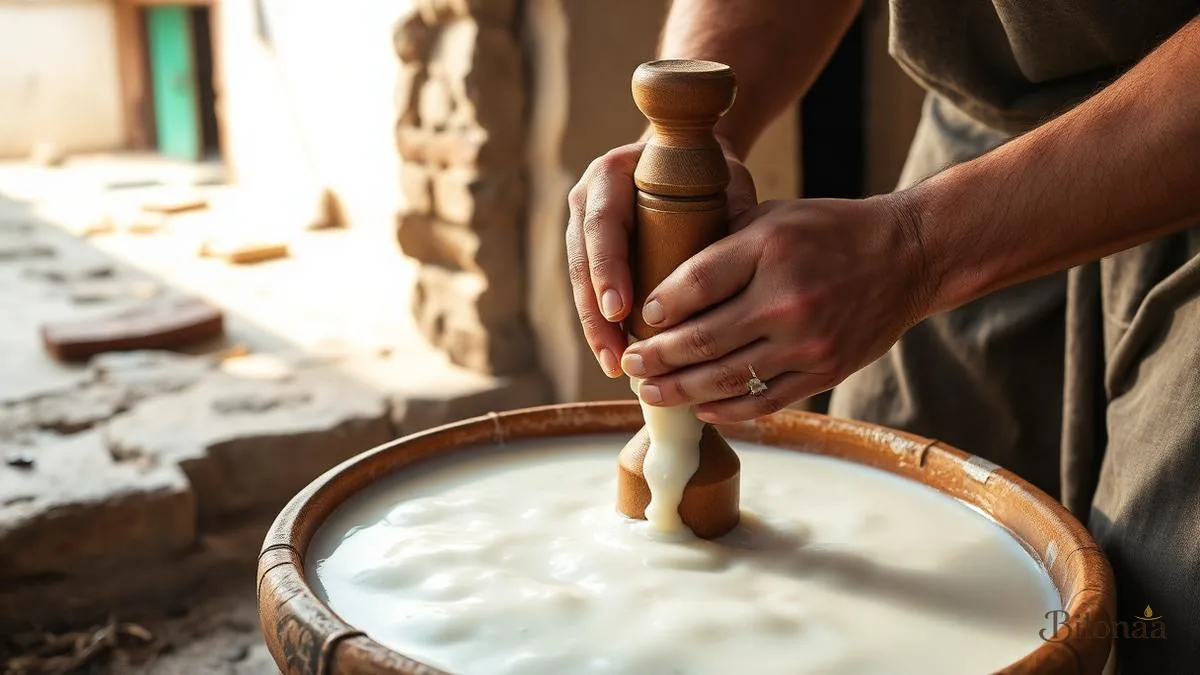
The traditional Bilona churning method fundamentally distinguishes itself from modern industrial-scale ghee production practices, as it involves a laborious, two-stage process using a wooden churner (bilona). Initially, curd is made from whole cow's milk, and then this curd is churned bi-directionally to separate butter, known as 'makkhan'. This 'makkhan' is then slowly heated over a low flame to produce ghee, ensuring that the fat, water, and milk solids separate naturally and gently. This contrasts sharply with commercial methods that often use direct cream heating or other chemical processes, potentially impacting the ghee's molecular structure and nutrient retention.
Bilona ghee's nutritional superiority is often attributed to this very traditional processing, as the gentle, low-heat method is believed to preserve a higher concentration of beneficial nutrients compared to high-heat, machine-extracted alternatives. While scientific studies specifically comparing the macronutrient profile of Bilona ghee to industrial ghee are emerging, traditional wisdom suggests that this method retains more fat-soluble vitamins (A, D, E, K), essential fatty acids, and delicate antioxidants. The slow cooking of makkhan also allows for the evaporation of water content, resulting in a purer fat product with a longer shelf life.
Ayurveda traditionally views ghee made through the Bilona method as 'rasayana', a rejuvenative tonic that builds vitality and Ojas (the essence of immunity and life force). It suggests that this traditionally prepared ghee has a 'madhur vipaka' (sweet post-digestive effect) and 'sheet virya' (cooling potency), making it balancing for all doshas, especially Pitta and Vata. According to Ayurvedic texts, ghee prepared this way deeply nourishes all body tissues, enhances 'agni' (digestive fire) without aggravating it, and supports cognitive function and memory ('buddhi').
Modern nutritional science, while not always directly validating every ancient claim, does corroborate several benefits associated with the components found in pure ghee, especially when meticulously prepared. Ghee is a rich source of healthy saturated fats, critical for hormone production and cellular health. It contains conjugated linoleic acid (CLA), which some studies indicate may have anti-inflammatory and metabolism-boosting properties. Butyric acid, another short-chain fatty acid abundant in ghee, is known for its role in gut health, nourishing gut cells, and supporting a healthy microbiome. The presence of these compounds underpins many of ghee's purported health advantages.
The journey from milk to Bilona ghee begins with pure A2 cow's milk, preferably from free-grazing, healthy desi cows, as the quality of the milk directly influences the final product. The milk is first boiled and cooled before being inoculated with a starter culture to convert it into curd, much like making yogurt. This curd is crucial because it’s the base from which the butter is extracted, distinguishing it from processes that use cream directly. This initial fermentation step is key and believed to contribute to the unique flavor profile and potential digestive benefits of Bilona ghee.
The vital wooden Bilona churner plays a central role in separating fresh butter (makkhan) from the curd, as the bi-directional rotation creates friction and movement that encourages the fat globules to coalesce and separate from the buttermilk. This gentle, mechanical separation, often done by hand, is a stark contrast to high-speed centrifugal separators used in industrial production. The wooden churner itself, a traditional tool, is seen as integral to the authenticity of the process, preventing potential metallic contamination and preserving the natural integrity of the butter.
Slow-cooking the 'makkhan' over a gentle flame is the final, crucial step in crafting Bilona ghee, demanding patience and careful attention to ensure milk solids settle at the bottom and water evaporates completely. This low and slow heating prevents the burning of milk solids, which can lead to a bitter taste and degradation of heat-sensitive nutrients. The resulting pure, golden liquid is then carefully strained, yielding the characteristic granular texture and nutty aroma that signifies authentic Bilona ghee. This meticulous process ensures the longevity and purity of the final product.
Incorporating hand-churned ghee into your daily diet is simple and versatile, as it can elevate both your meals and your overall well-being. Use it for cooking – its high smoke point makes it perfect for sautéing, frying, and even baking. A spoonful stirred into warm rice, dal, or porridge adds a rich flavour and nutritional boost. You can also drizzle it over rotis, parathas, or toast for a wholesome addition. For those seeking traditional benefits, a teaspoon in warm milk before bedtime is a time-honoured Ayurvedic practice traditionally believed to aid digestion and sleep.
Comparing bilona ghee to regular, commercially produced ghee highlights significant differences in production, taste, and perceived health benefits. Commercial ghee is often made directly from cream, skipping the curd and churning process, and commonly uses milk from A1 cows; it is typically produced using industrial machinery at higher temperatures. This can result in a more uniform product but may lack the subtle nuances of flavour and the granular texture characteristic of Bilona ghee. Furthermore, the traditional method, like Bilonaa’s, is often associated with better digestive properties and a richer nutrient profile due to its gentle processing.
Regarding clarity on common health claims, it's important to differentiate between traditional beliefs and scientifically proven effects, as while Bilona ghee is widely revered in Ayurveda for its health-promoting properties, scientific research is still actively exploring many of these specific benefits. For instance, while Ayurveda champions ghee for improving digestion and boosting immunity, modern studies are investigating the roles of butyric acid and CLA in gut health and anti-inflammatory pathways. It's crucial to appreciate traditional wisdom while also understanding the scientific efforts to validate these time-honoured claims, rather than presenting them as definitive medical facts.
Pure, authentic Bilona ghee, like the kind offered by Bilonaa, exhibits specific characteristics that discerning buyers should look for to ensure quality. It typically has a slightly granular texture, a rich golden-yellow hue, and a distinct, nutty aroma that signifies its traditional preparation. The taste should be deep, mellow, and free from any artificial or rancid notes. When melted, it should appear clear and golden, without excessive residue or cloudiness. These sensory cues are key indicators of genuine, health-rich Bilona ghee, validating its traditional method of creation.
Misconceptions surrounding ghee, particularly concerning its fat content and calorie count, are prevalent, with many mistakenly believing it to be entirely unhealthy due to its high saturated fat. While ghee is indeed calorie-dense and rich in saturated fats, not all fats are created equal; the specific types of fats in pure ghee, such as butyric acid and CLA, are recognized for their potential health benefits. When consumed in moderation as part of a balanced diet, ghee can contribute to overall well-being, providing essential fat-soluble vitamins and supporting various bodily functions, dispelling the notion that all fats are detrimental and should be avoided.
As with any dietary component, moderation is key when consuming ghee, even the most traditional and pure Bilona variety, as despite its numerous benefits, it is still a concentrated source of fat and calories. For most healthy adults, 1-2 teaspoons per day are generally considered appropriate, providing goodness without leading to excessive calorie intake. Individuals with specific medical conditions, such as high cholesterol or heart disease, should consult their physician or a qualified nutritionist to determine an appropriate and safe intake, as what works for one person might not be suitable for another.
Proper storage of Bilona ghee is essential to maintain its freshness, flavour, and nutritional integrity over time, as its shelf life is quite impressive due to its low moisture content. Always store ghee in an airtight container in a cool, dark place, away from direct sunlight or strong odours; refrigeration is not typically necessary unless you live in a very warm, humid climate or plan to store it for an extended period beyond several months. Ensure the container is dry before adding ghee and use a clean, dry spoon each time to prevent contamination and the introduction of moisture, which can lead to spoilage.
Choosing Bilonaa for your hand-churned A2 desi cow ghee is a commitment to purity, tradition, and unparalleled quality, as we meticulously follow the ancient Bilona method using milk from indigenous Bikaner cows. Our dedication ensures that every golden drop delivers the authentic taste and nutritional benefits that A2 Bilona ghee is renowned for, free from modern shortcuts or compromises. When you select Bilonaa, you are not just buying ghee; you are investing in a legacy of health and flavour, rooted deeply in Rajasthan's rich heritage, brought to your home with integrity and care.
Ultimately, the evidence, both traditional and emerging scientific, strongly suggests that hand-churned Bilona ghee made from A2 desi cow milk offers distinct advantages over commercially produced alternatives, reinforcing why 'is hand churned ghee healthy' is largely answered with a resounding affirmative. Its unique production method, rich nutrient profile, and revered status in Ayurveda contribute to its holistic health benefits, validating the claims surrounding its purity and superior quality. While personal experience and individual health needs always vary, the case for traditional Bilona ghee as a potent, health-promoting food is compelling, making it a valuable addition to a mindful diet.
"The Bilona process is not just a method; it's a philosophy passed down through generations, ensuring purity and nutrient preservation."
Bilonaa Promise
Small-batch, A2 desi-cow, traditional bilona ghee — straight to your kitchen.
100% pure, hand-churned, slow-cooked on a wood fire and packed in glass jars.
FAQs
Quick answers
What is the main difference between A2 and A1 milk for ghee production?
A2 milk comes from indigenous Indian cow breeds containing A2 beta-casein protein, believed to be easier to digest. A1 milk, typically from Western breeds, contains A1 protein, which some traditional perspectives suggest can be less agreeable. Bilona ghee is traditionally made exclusively from A2 milk.
How does the Bilona method impact ghee's nutrient profile compared to industrial methods?
The Bilona method's gentle, low-heat processing from curd is traditionally believed to better preserve heat-sensitive nutrients like fat-soluble vitamins (A, D, E, K), essential fatty acids, and antioxidants compared to high-heat, direct-cream industrial processes. It helps maintain the natural integrity of the fats.
Does hand-churned ghee truly have a higher concentration of butyric acid?
Yes, while hard scientific comparison studies are ongoing, the traditional curd-based Bilona method is often associated with higher levels of butyric acid due to the fermentation process involved in making curd. Butyric acid is crucial for gut health and immune support.
Is A2 Bilona ghee suitable for lactose-intolerant individuals?
Ghee, including A2 Bilona ghee, is naturally very low in lactose and casein because these milk solids are largely removed during the slow-cooking and straining process. Many individuals with lactose intolerance find ghee tolerable, but it's always best to start with small quantities.
Can Bilona ghee help with weight management?
While calorie-dense, Bilona ghee, consumed in moderation, can be part of a balanced diet for weight management. Its healthy fats can promote satiety, and components like CLA and butyric acid are studied for their potential roles in metabolism and gut health, which indirectly support weight management.
What is the shelf life of Bilona A2 cow ghee without refrigeration?
Authentic Bilona A2 cow ghee, due to its low moisture content and purity, has an excellent shelf life. Stored in an airtight container in a cool, dark place, it can remain fresh for 6-12 months or even longer without refrigeration. Always use a clean, dry spoon to prevent spoilage.
Educational content only — please consult a doctor for medical conditions.
Get gentle ghee notes in your inbox
One thoughtful Ayurveda + kitchen note a week. No spam. Unsubscribe anytime.
Conversation(0)
Share a thought — every comment is read before it appears.