
Buyer Guide
Pure Ghee vs Adulterated Ghee: Smell, Texture and Taste Signs
On this page
- Understanding the significance of pure ghee is the first ste
- The historical reverence for ghee in India spans thousands o
- Defining 'pure ghee' primarily refers to ghee made from the
- Adulterated ghee, conversely, is any product sold as ghee th
- Detecting adulteration through smell is one of the most intu
- The texture of ghee provides another crucial visual and tact
- The taste profile of pure ghee is arguably its most defining
- Performing a simple home test, often called the 'palm test'
Understanding the significance of pure ghee is the first step in appreciating its true value, as it stands as one of the most revered foods in Indian tradition and Ayurveda. Ghee, particularly from desi cows, is not merely a cooking medium; it is considered a carrier of nutrients, an immunity booster, and a vital component for overall well-being. The distinction between pure, authentic ghee and its adulterated counterparts is profound, influencing everything from its health benefits to its taste profile in your daily meals. Given the prevalence of various products marketed as 'ghee,' knowing how to identify genuine quality is more important than ever for discerning consumers.
The historical reverence for ghee in India spans thousands of years, deeply embedded in religious ceremonies, traditional medicine, and daily culinary practices. For generations, Indian households relied on the traditional Bilona method, a slow, painstaking process involving curdling milk, churning butter, and then simmering it to produce ghee. This time-honoured technique, passed down from our dadi-nani, ensures that the ghee retains its natural nutrients and distinctive flavour. This traditional practice contrasts sharply with modern industrial methods that often prioritise speed and volume over the intricate purity and quality that defines authentic ghee.
Defining 'pure ghee' primarily refers to ghee made from the milk of indigenous Indian cow breeds (A2 milk), processed using traditional methods, and free from any external additives or contaminants. True pure ghee is derived from butter that has been slowly simmered until the milk solids separate and the water evaporates, leaving behind a golden, translucent fat. The 'pure' aspect also implies that no oils, fats, or flavourings have been mixed in, maintaining its unadulterated character. This purity is what contributes to its unique molecular structure and the full spectrum of beneficial fatty acids and fat-soluble vitamins.
Adulterated ghee, conversely, is any product sold as ghee that has been tampered with, either by adding cheaper vegetable oils, animal fats, hydrogenated fats, or even artificial colours and flavours. The primary motivation behind such adulteration is often to increase volume, reduce costs, and enhance shelf life, frequently at the expense of consumer health and product integrity. These added substances not only dilute the nutritional value but can also introduce harmful compounds, effectively turning a superfood into a potentially detrimental one. Recognizing these adulterants is crucial for safeguarding one's health and ensuring genuine product intake.
Detecting adulteration through smell is one of the most intuitive and reliable methods to differentiate pure ghee from imposters. Pure desi cow ghee possesses a rich, slightly sweet, nutty, and distinctly earthy aroma that is both pleasant and comforting, often described as having notes of popcorn or toasted caramel. This complex fragrance is a hallmark of its purity and natural extraction process. In contrast, adulterated ghee might have a bland, greasy, oily, or even chemical-like smell, depending on what it has been cut with. Any absence of that characteristic deep, inviting aroma should raise an immediate red flag.
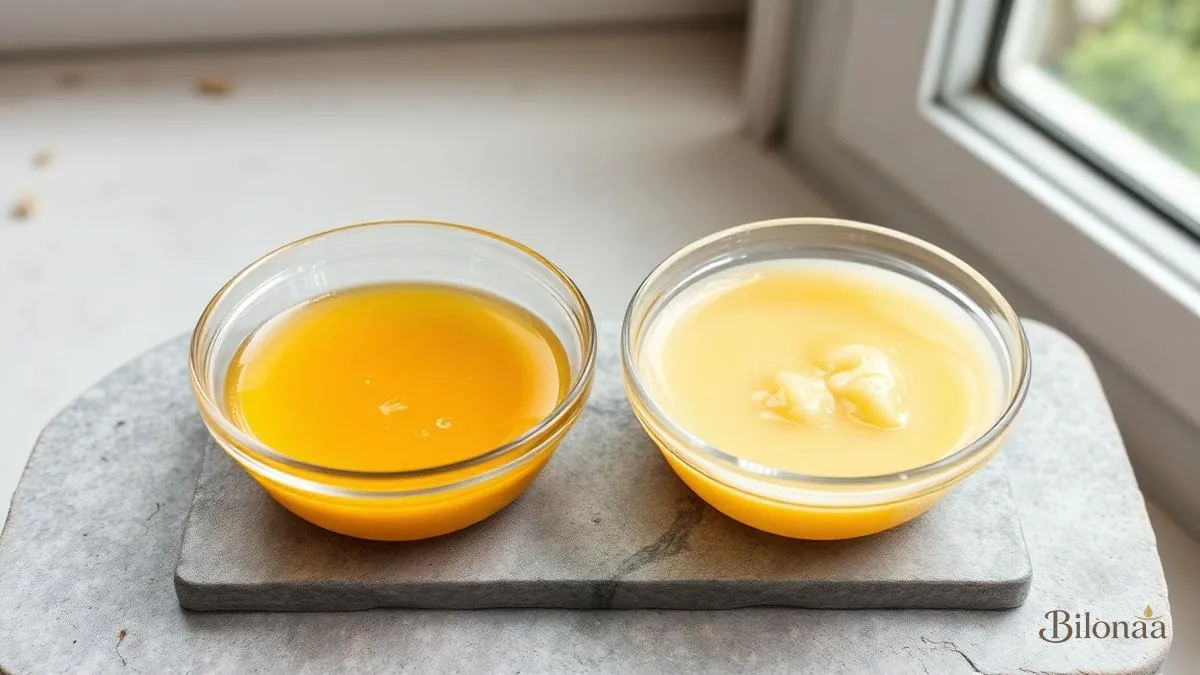
The texture of ghee provides another crucial visual and tactile indicator of its authenticity and quality, especially when observing it in varying temperatures. Pure ghee should be granular or grainy at room temperature in cooler climates, while in warmer temperatures, it will have a smoother, somewhat semi-liquid consistency, often with a slightly grainy sediment at the bottom. This characteristic granular texture is a result of the unique fatty acid profile of cow's milk fat. Adulterated ghee, particularly if mixed with vegetable oils or hydrogenated fats, often appears uniformly smooth, overly oily, or unnaturally hard, lacking the natural variances that truly pure ghee displays.
The taste profile of pure ghee is arguably its most defining and delightful characteristic, offering a profound sensory experience far beyond that of ordinary fats. Pure desi ghee delivers a rich, buttery, slightly sweet, and deeply satisfying flavour with a distinct nutty undertone that lingers pleasantly on the palate. Its taste is clean and robust, enhancing every dish it accompanies. Adulterated ghee, on the other hand, will typically taste bland, waxy, or greasy, sometimes with an unpleasant artificial aftertaste. If it lacks that quintessential depth and warmth, it's a strong indicator that you are not experiencing genuine ghee.
Performing a simple home test, often called the 'palm test' or 'warm water test,' can help quickly assess ghee's purity. Take a small spoonful of ghee and rub it between your palms; pure ghee will melt readily and feel warm and smooth, leaving no sticky residue. Alternatively, place a teaspoon of ghee into a bowl of warm water; pure ghee will melt and float as a distinct layer on top, whereas adulterated ghee might clump at the bottom or mix poorly, due to the different densities and melting points of various fats. These rudimentary tests, while not foolproof, offer valuable initial insights.
The 'heat test' is another effective method to gauge purity, offering insights into the ghee's smoke point and how it behaves under temperature. When heated in a pan, pure ghee will foam and bubble gently, releasing its characteristic nutty aroma before reaching its high smoke point without quickly burning. Adulterated ghee, especially if mixed with hydrogenated vegetable oils or vanaspati, often melts unevenly, browns rapidly, or quickly turns dark without the gentle foaming, indicating the presence of lower-quality fats with different thermal properties. Its smell might also turn acrid or unpleasant, signaling contaminants.
Ayurveda traditionally extols the virtues of ghee, particularly 'ghrita' made from indigenous Indian cow's milk, calling it a vital 'rasayana' or rejuvenator and a 'yogavahi' – a substance that carries the medicinal properties of herbs deep into the body's tissues. It is believed to nourish Ojas (the essence of vitality), improve digestion (Agni), and balance all three doshas – Vata, Pitta, and Kapha, though in moderation for Kapha. This ancient science emphasises that only pure, traditional ghee possesses these profound healing and nurturing qualities, making authentication paramount for wellness practices.
The 'Bilona' method stands as the gold standard for traditional ghee making, ensuring the highest quality and nutritional integrity, which is the process Bilonaa proudly follows. In this method, milk is first turned into curds, then slowly churned (bilao) to separate butter (makkhan). This butter is then gently heated over a low flame to produce ghee. This slow, artisanal process preserves the natural enzymes, beneficial bacteria, and delicate nutrient profile that commercial, direct-cream methods often destroy. Such meticulous care is what yields ghee with superior aroma, taste, and therapeutic benefits.
Modern nutritional science, while not always aligning perfectly with ancient traditions, increasingly validates many of ghee's purported health benefits. Research indicates that pure ghee is rich in beneficial fatty acids like Conjugated Linoleic Acid (CLA) and butyric acid. CLA is associated with potential anti-inflammatory and anti-cancer properties, while butyric acid is crucial for gut health, nourishing gut cells, and supporting a healthy digestive system. Pure ghee also contains fat-soluble vitamins A, D, E, and K, which are essential for immunity, bone health, and overall cellular function. These benefits are significantly diminished or absent in adulterated products.
Navigating the market for pure ghee can be challenging, but certain buying tips can help consumers make informed decisions. Always look for ghee labelled 'desi cow ghee', 'A2 ghee', or 'Bilona ghee', as these often indicate traditional processing and indigenous cow breeds, like the Gir or Sahiwal. Check the ingredient list to ensure it only lists 'ghee' or 'clarified butter' with no other added oils or preservatives. Transparent packaging and reputable brands that provide information about their sourcing and making process are also good indicators of genuine quality.
Storage recommendations are crucial for maintaining the purity and extending the shelf life and freshness of your high-quality ghee. Pure ghee should be stored in an airtight container in a cool, dark place, away from direct sunlight or moisture. Refrigeration is generally not necessary but can prolong its freshness in very warm climates. Proper storage prevents rancidity and maintains its distinctive aroma and flavour. Unlike butter, ghee does not require refrigeration and can last for many months, even up to a year, if stored correctly.
Comparing pure ghee with other cooking oils reveals why it holds such a esteemed position in Indian cuisine and traditional health wisdom. Unlike many refined vegetable oils that can oxidise at high temperatures, ghee has a very high smoke point, making it excellent for frying, sautéing, and baking without breaking down into harmful free radicals. While olive oil and coconut oil also have their benefits, pure desi ghee offers a unique profile of fatty acids and a depth of flavour that is unparalleled, providing a versatile and healthier alternative for most high-heat cooking applications.
The Bilonaa commitment to purity goes beyond just selling a product; it’s about preserving a tradition and delivering untainted goodness from Bikaner, Rajasthan. We exclusively use the revered Bilona method, churning 'A2' milk from indigenous desi cows. This dedication ensures that every jar of Bilonaa ghee carries the authentic aroma, granular texture, and rich taste that signifies true purity and potent health benefits. Choosing Bilonaa means opting for transparency, quality, and a deeply rooted Indian culinary heritage.
Understanding common myths surrounding ghee is important to appreciate its true value and nutritional profile. One pervasive myth is that ghee is always fattening and bad for cholesterol; however, pure, grass-fed ghee in moderation contributes healthy fats and nutrients, and some studies indicate it may help balance cholesterol levels. Another myth suggests all ghee is the same, overlooking the critical differences between A2 milk, traditional Bilona process, and industrial methods. Dispelling these misconceptions allows us to embrace the genuine health benefits of pure ghee.
Incorporating pure ghee into your daily diet is simple and can elevate various dishes, enhancing both flavour and nutrient absorption. Use it for sautéing vegetables, as a healthy fat for roasting meats, or even as a flavourful spread on toast. A spoonful in your daal or on hot rotis adds immense flavour and traditional goodness. It can also be melted and drizzled over popcorn or used in traditional Indian sweets. Its versatility makes it an indispensable ingredient that easily fits into both traditional and modern culinary practices.
While pure ghee is largely beneficial, there are certain considerations for individuals with specific health conditions or dietary restrictions. People with severe dairy allergies might need to be cautious, although the milk solids are largely removed during ghee making, reducing lactose and casein content. Those managing specific cardiovascular conditions should consult with their healthcare provider regarding appropriate intake, as with any fat source. However, for most individuals, pure ghee consumed in moderation is considered a healthy and Ayurvedic-approved dietary component that supports holistic well-being.
"The rich, grainy texture and nutty aroma of pure ghee are not just culinary delights; they are ancient markers of authenticity."
Bilonaa Promise
Small-batch, A2 desi-cow, traditional bilona ghee — straight to your kitchen.
100% pure, hand-churned, slow-cooked on a wood fire and packed in glass jars.
FAQs
Quick answers
What is the primary difference in smell between pure and adulterated ghee?
Pure ghee has a rich, nutty, and slightly sweet aroma often described as like popcorn or caramel because of its carefully processed milk fats. Adulterated ghee, in contrast, typically smells bland, oily, or even slightly chemical, lacking that distinctive deep fragrance.
How can I check ghee's purity using its texture at home?
At room temperature, pure ghee often has a granular or grainy texture in cooler climates, while in warmer regions it's semi-liquid with some grains. Adulterated ghee tends to be uniformly smooth, overly oily, or unnaturally hard, lacking the natural variations of pure ghee.
What is the 'warm water test' for ghee purity?
To perform this test, add a teaspoon of ghee to a bowl of warm water. Pure ghee will melt and float as a distinct layer on the surface. Adulterated ghee, due to different densities or added fats, may sink to the bottom or mix poorly with the water.
Does pure ghee taste different from fake ghee?
Absolutely. Pure ghee has a rich, buttery, slightly sweet, and deeply nutty flavour that is clean and satisfying. Adulterated ghee usually tastes bland, waxy, or greasy, often leaving an unpleasant artificial aftertaste because of the added oils or fats.
Why is the Bilona method considered superior for ghee making?
The Bilona method involves traditional slow churning of curds, which preserves natural enzymes, beneficial bacteria, and the delicate nutrient profile of milk fat. This painstaking process results in ghee with superior aroma, taste, and therapeutic benefits compared to industrial methods.
Can adulterated ghee be harmful to health?
Yes, adulterated ghee can be harmful as it often contains cheaper vegetable oils, hydrogenated fats, or even animal fats that may be trans fats, artificial colours, or preservatives. These can dilute nutritional value and potentially introduce unhealthy compounds into your diet, impacting overall well-being.
Educational content only — please consult a doctor for medical conditions.
Get gentle ghee notes in your inbox
One thoughtful Ayurveda + kitchen note a week. No spam. Unsubscribe anytime.
Conversation(0)
Share a thought — every comment is read before it appears.