Cow Breeds
Rajasthan A2 Ghee: Traditional Breeds, Desert Farming and Taste
On this page
- Rajasthan A2 ghee embodies a rich heritage, distinct from ge
- The 'A2' designation refers specifically to the type of beta
- Traditional Indian cow breeds, such as the Tharparkar and Ra
- Desert farming practices play a crucial role in shaping the
- The Bilona churning method stands as a testament to ancient
- The journey from traditional breeds to pure ghee involves me
- Authentic Rajasthan A2 ghee offers a bouquet of sensory deli
- From an Ayurvedic perspective, pure A2 desi cow ghee is cons
Rajasthan A2 ghee embodies a rich heritage, distinct from generic ghee often found in markets, by focusing on indigenous cow breeds thriving in the arid landscapes of Rajasthan. This ghee represents a confluence of tradition, sustainable farming practices, and a commitment to preserving the purity of ancient dietary wisdom. Understanding its unique characteristics begins with appreciating the source – the hardy, native cattle that have adapted over centuries to the region's challenging climate, providing milk that is truly special.
The 'A2' designation refers specifically to the type of beta-casein protein found in the milk, which is a key differentiator from A1 milk, predominant in many Western dairy breeds. A2 milk is rich in the A2 beta-casein protein, which some studies and traditional beliefs suggest is easier for human digestion and assimilation compared to the A1 beta-casein variant. This specific protein type is naturally present in the milk of traditional Indian cow breeds, making it a cornerstone of authentic Ayurvedic dietary practices.
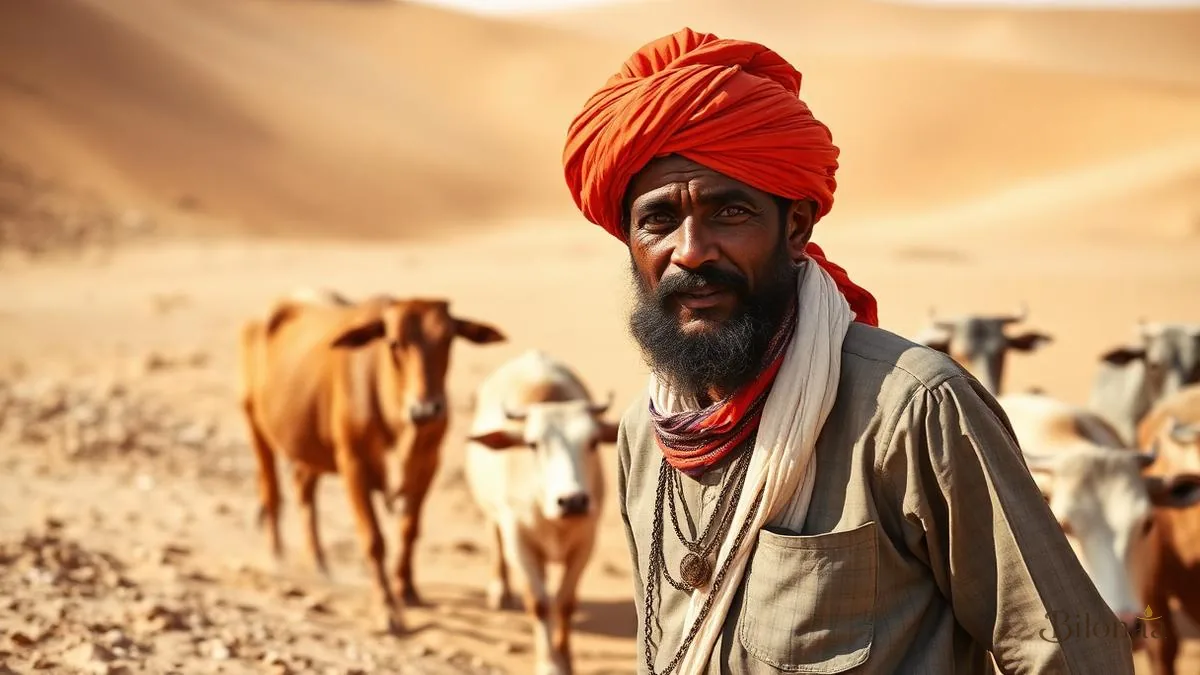
Traditional Indian cow breeds, such as the Tharparkar and Rathi, are the unsung heroes behind Rajasthan A2 ghee, contributing significantly to its unique profile. The Tharparkar cow, native to the Thar Desert, is renowned for its resilience, disease resistance, and ability to thrive on sparse fodder, producing high-quality milk. Similarly, the Rathi cow, found in the Bikaner region, is a robust dual-purpose breed known for its excellent milk yield and adaptability, making their milk a precious resource for producing authentic ghee.
Desert farming practices play a crucial role in shaping the quality and purity of Rajasthan A2 ghee, moving beyond conventional agricultural methodologies. These cows often graze on natural vegetation unique to the desert ecosystem, including specific herbs and shrubs that are traditionally believed to infuse the milk with distinctive nutritional properties. This free-range grazing in an unpolluted environment ensures that the milk, and subsequently the ghee, is free from artificial feeds and industrial contaminants.
The Bilona churning method stands as a testament to ancient Indian culinary wisdom, preserving the true essence of ghee and setting it apart from modern, machine-produced alternatives. This age-old technique involves patiently churning curd (dahi) made from whole milk, rather than cream, using a wooden churner (bilona) to separate the butter. This slow, deliberate process is traditionally believed to retain more of the milk's vital nutrients, fatty acids, and delicate aromas, resulting in a distinctly flavourful and healthful ghee.
The journey from traditional breeds to pure ghee involves meticulous steps, beginning with collecting fresh A2 milk from healthy cows that graze freely in natural pastures. This milk is then gently boiled and cultured overnight to make curd, transforming its composition and preparing it for the next stage. The subsequent bilona churning yields makkhan (butter), which is then slowly heated over a low flame to evaporate the water content, leaving behind pure, granular ghee with its characteristic amber hue and nutty aroma.
Authentic Rajasthan A2 ghee offers a bouquet of sensory delight, characterized by its golden, granular texture and a naturally sweet, nutty aroma that speaks of its purity. The flavour is rich, deep, and earthy, with subtle undertones derived from the unique desert vegetation grazed by the Tharparkar and Rathi cows. This makes it not just a cooking medium but a flavour enhancer that elevates any dish, adding warmth and depth to traditional Indian cuisine.
From an Ayurvedic perspective, pure A2 desi cow ghee is considered a 'rasayana' or rejuvenating food, revered for its ability to balance all three doshas – Vata, Pitta, and Kapha. It is traditionally believed to enhance 'agni' (digestive fire), improve 'ojas' (vitality), strengthen immunity, and nourish all bodily tissues. Ayurveda emphasizes its role in detoxification, lubrication of joints, and promoting mental clarity, recommending daily consumption in moderation for overall well-being.
Modern nutritional science, while still exploring the full spectrum of ghee's benefits, acknowledges its richness in essential nutrients such as fat-soluble vitamins A, D, E, and K, vital for various bodily functions. It is also a good source of healthy saturated fats and conjugated linoleic acid (CLA), which some studies indicate may provide anti-inflammatory and metabolic benefits. The short-chain fatty acids like butyrate in ghee are known for their gut-healing properties, supporting a healthy digestive system.
Incorporating Rajasthan A2 ghee into daily cooking is both simple and rewarding, enhancing the flavour and nutritional value of various dishes. It can be used for sautéing vegetables, tempering dals, frying puris, or simply drizzled over hot rotis, rice, and khichdi. Its high smoke point makes it an excellent choice for high-heat cooking, preventing the formation of harmful free radicals, unlike many other cooking oils. A spoonful in your morning coffee is also a delightful way to add sustained energy.
Comparing bilona A2 ghee with mass-produced ghee reveals significant differences in their processing, nutritional profile, and flavour. Mass-produced ghee often uses cream extracted from A1 milk, processed rapidly by machines at high temperatures, which can degrade some nutrients and reduce its natural aroma. Bilona ghee, on the other hand, preserves the integrity of milk solids and retains a higher concentration of beneficial fatty acids and antioxidants due to its gentle, traditional preparation.
While immensely beneficial, it's important to understand who can best benefit from Rajasthan A2 ghee and in what quantities. Individuals seeking to improve digestion, boost immunity, or enrich their diet with healthy fats will find it particularly advantageous. However, those with specific health conditions or dietary sensitivities should consult their healthcare provider before making significant dietary changes. Moderation, as with any fat, is key to reaping its benefits without adverse effects.
Distinguishing authentic Rajasthan A2 ghee from inferior or adulterated versions requires keen observation, as 'milawat' (adulteration) is an unfortunate reality in the market. Look for a granular texture, a deep golden colour, and a characteristic nutty aroma; genuine ghee will solidify into small crystals in cooler temperatures. Always check for ingredient lists that specify 'A2 cow milk' or 'desi cow milk' and avoid products with added colours, flavours, or vegetable oils.
There are several persistent myths surrounding ghee, such as the belief that it is unhealthy due to its saturated fat content, which often deters people from enjoying its benefits. The truth is, while it is high in saturated fat, it comprises healthy fats essential for hormone production and nutrient absorption. Another myth is that all ghee is the same; however, the source of milk (A1 vs. A2) and the method of preparation (bilona vs. industrial) significantly impact its quality and health benefits.
Proper storage is essential to maintain the freshness, flavour, and nutritional integrity of Rajasthan A2 ghee over time. Store it in a clean, airtight glass or stainless steel container in a cool, dark place away from direct sunlight and moisture. Refrigeration is generally not necessary unless you live in a very hot and humid climate, in which case it can extend its shelf life. If stored correctly, pure ghee can last for many months, even up to a year, without rancidity.
Purchasing Rajasthan A2 ghee from a reputable source like Bilonaa ensures you receive a product that truly embodies purity, tradition, and quality. Bilonaa is committed to sourcing milk from the finest traditional Tharparkar and Rathi cows grazing in their natural habitat, meticulously preparing ghee using the authentic Bilona method. This dedication guarantees a taste and nutritional profile that respects ancient wisdom while serving modern well-being, making it a trustworthy choice for your family.
By choosing Rajasthan A2 ghee, you are not just buying a cooking essential; you are investing in a product that supports ethical farming, indigenous cow breeds, and the preservation of traditional food practices. It represents a conscious decision to nourish your body with wholesome, unadulterated food, returning to the roots of a healthier lifestyle. The journey from desert pastures to your kitchen table is one filled with care, tradition, and an unwavering commitment to purity.
Ultimately, the richness of Rajasthan A2 ghee extends beyond its culinary applications to its deep cultural and spiritual significance in India, where it is considered sacred and an integral part of religious ceremonies and daily rituals. Its presence in homes symbolizes prosperity, health, and a connection to ancestral knowledge. Embracing this golden elixir is to embrace a legacy of well-being, passed down through generations.
"The harsh desert climate, far from being a limitation, often enhances the resilience and unique characteristics of these indigenous bovine breeds."
Bilonaa Promise
Small-batch, A2 desi-cow, traditional bilona ghee — straight to your kitchen.
100% pure, hand-churned, slow-cooked on a wood fire and packed in glass jars.
FAQs
Quick answers
What makes Rajasthan A2 ghee different from regular ghee?
Rajasthan A2 ghee is sourced from indigenous A2 cow breeds like Tharparkar and Rathi, native to Rajasthan. It is prepared using the traditional Bilona method, which is believed to retain more nutrients and provides a distinct flavour and granular texture compared to industrially produced ghee from A1 milk.
What are Tharparkar and Rathi cows?
Tharparkar and Rathi are indigenous Indian cow breeds known for their resilience and adaptability to the desert climate of Rajasthan. They produce A2 type milk, which is traditionally considered easier to digest and is the foundation for authentic A2 ghee.
Is A2 ghee healthier than A1 ghee?
Ayurveda traditionally suggests A2 milk and ghee are superior for human digestion and overall well-being. Modern research is ongoing, but many believe A2 beta-casein protein, found in milk from indigenous Indian cows, is less likely to cause digestive discomfort compared to A1 beta-casein.
How can I identify pure Bilona A2 ghee?
Pure Bilona A2 ghee typically has a rich golden colour, a granular texture, and a distinct nutty, sweet aroma. It should solidify into small crystals in cooler temperatures. Check for labels specifying 'A2 cow milk' and an explicit mention of the 'bilona' churning method.
What are the Ayurvedic benefits of consuming Rajasthan A2 ghee?
Ayurveda considers A2 ghee a 'rasayana' (rejuvenator) that balances all three doshas. It's traditionally believed to enhance digestion (agni), build vitality (ojas), lubricate joints, improve memory, and nourish the body's tissues, promoting overall health and immunity.
How should I store Rajasthan A2 ghee to maintain its quality?
Store A2 ghee in an airtight container, preferably glass or stainless steel, in a cool, dark place away from direct sunlight and moisture. It does not typically require refrigeration and can stay fresh for several months, sometimes even up to a year, when stored properly.
Educational content only — please consult a doctor for medical conditions.
Get gentle ghee notes in your inbox
One thoughtful Ayurveda + kitchen note a week. No spam. Unsubscribe anytime.
Conversation(0)
Share a thought — every comment is read before it appears.