
Cow Breeds
How Monsoon, Fodder and Seasons Affect Ghee Taste
On this page
- Understanding the nuanced flavour profile of ghee begins wit
- The inherent qualities of the cow's milk, specifically its b
- The Bilona churning method, an ancient, two-step process, is
- Monsoon season, with its abundant rainfall and lush green pa
- Conversely, the dry, hot summer months present a different d
- Winter's arrival brings its own set of influences on bovine
- Ayurveda places immense emphasis on Ritu Sandhi, the transit
- The specific type of grass and forage consumed by the cow di
Understanding the nuanced flavour profile of ghee begins with appreciating that it's a dynamic food and not a static, mass-produced commodity. Just as wines reflect their terroir, pure A2 desi-cow bilona ghee significantly expresses its origins, with environmental factors playing a paramount role in shaping its sensory characteristics. This appreciation for natural variation is central to understanding true, unadulterated ghee, distinguishing it from highly processed versions that aim for artificial consistency rather than authentic depth.
The inherent qualities of the cow's milk, specifically its breed and diet, form the absolute bedrock of ghee's final taste and nutritional composition. Traditional Indian indigenous breeds, known as 'desi' cows, are revered for producing A2 milk, which contains a different beta-casein protein variant compared to A1 milk derived from many Western breeds. This A2 milk is often associated with easier digestion and forms the ideal starting point for truly authentic, flavourful, and beneficial ghee, as favoured for generations across India.
The Bilona churning method, an ancient, two-step process, is crucial in preserving and concentrating the delicate flavours influenced by the cow's diet and environment. Unlike modern industrial methods that extract butterfat directly from cream, Bilona involves first converting whole A2 milk into curd, then churning this curd to separate butter (makkhan), which is then slow-cooked into ghee. This traditional approach ensures that the nuanced earthy and aromatic notes, deeply embedded in the milk's fat through the cow's diet, are meticulously transferred and amplified into the final ghee.
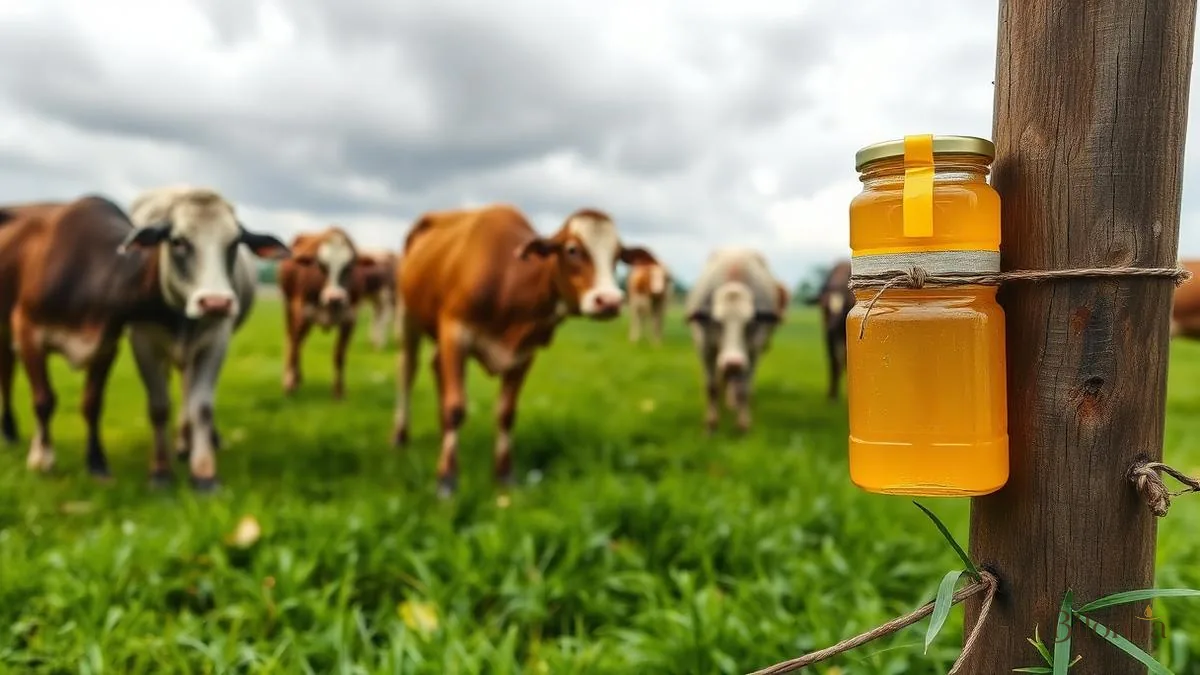
Monsoon season, with its abundant rainfall and lush green pastures, profoundly impacts the fodder available to grazing cows, directly influencing the character of their milk and subsequently the ghee. During these months, cows feast on highly nutritious, fresh, verdant grasses and medicinal herbs that thrive in the wet conditions. This rich, chlorophyll-dense diet translates into milk with a higher fat content and a distinct, often slightly sweeter, and more intensely aromatic profile, lending the ghee a uniquely vibrant, sometimes almost herbaceous, quality.
Conversely, the dry, hot summer months present a different dietary landscape for cows, leading to a subtle shift in the ghee's characteristics. Fodder during these periods typically consists of drier grasses, hay, and perhaps a more limited variety of greens. While still nourishing, this diet can result in milk that produces ghee with a slightly milder, perhaps nuttier, and less intensely verdant aroma compared to monsoon-period ghee. This seasonal variation is a natural testament to the cow's direct connection to its environment.
Winter's arrival brings its own set of influences on bovine diets, often involving a shift towards stored fodder like silage, hay, and carefully supplemented grains. The colder temperatures mean cows expend more energy to stay warm, which can subtly alter their metabolic processes and milk composition. Ghee produced from winter milk might often be described as having a richer, denser texture and a slightly more robust, comforting flavour profile, reflecting the hearty sustenance consumed during the colder months.
Ayurveda places immense emphasis on Ritu Sandhi, the transition periods between seasons, and recommends adapting one's diet and lifestyle accordingly. While not explicitly dictating 'seasonal ghee,' Ayurvedic principles implicitly acknowledge that milk, and therefore ghee, will naturally vary with the seasons, promoting an intuitive understanding of food's connection to nature. Consuming ghee that aligns with the season, even if subtly, is believed to foster greater harmony with one's internal rhythm (dosha balance) and external environmental changes.
The specific type of grass and forage consumed by the cow directly contributes to the unique fatty acid profile and, consequently, the flavour and aroma of the ghee. Pasture-raised cows grazing on diverse grasses, herbs, and legumes ingest a rich tapestry of plant compounds, including carotenoids and antioxidants, which are then transferred to their milk. This intricate biological process is why pure grass-fed ghee often boasts a deep yellow hue and a more complex, nuanced, and desirable flavour and aroma compared to ghee from grain-fed cows.
Beyond just grass, the geological characteristics and soil composition of the grazing land also contribute to the mineral content of the fodder, indirectly influencing the cow's health and milk quality. Rich, nutrient-dense soil produces more vital and varied plant life, which in turn nourishes the cows optimally. This intricate chain of connections highlights how even the underlying earth plays a silent, yet significant, role in the eventual quality and character of the ghee that ends up on your plate.
Dietary supplements given to cows, such as oil cakes (like mustard or groundnut cake), grains, and mineral supplements, are often introduced to ensure consistent nutrition, especially during periods of scarcity or for specific physiological needs. While these supplements are essential for the cow's well-being, their inclusion can also subtly alter the milk's fat profile and consequently the ghee's flavour. Responsible and natural supplementation, focused on organic and wholesome ingredients, helps maintain the true authenticity of the ghee.
The age and health of the cow also significantly contribute to the quality and consistency of her milk production, impacting the eventual ghee. Younger, healthy, lactating cows typically produce milk abundant in butterfat and beneficial nutrients, considered ideal for making premium ghee. A discerning purveyor of pure ghee, like Bilonaa, always prioritises sourcing milk from healthy, well-cared for indigenous cows to ensure the highest standard of product, reflecting the cow's vitality.
The churning and slow-cooking process are paramount in unlocking and concentrating the full spectrum of flavours present in the butter, transforming it into golden ghee. Gentle, consistent churning at the right temperature ensures the butter 'breaks' beautifully, while the slow cooking over a medium-low flame allows the milk solids to caramelise into nutty, flavourful brown particles (often referred to as 'khurchan' or 'residue'), which infuse their delicious essence into the clarified fat, giving ghee its distinctive, cherished aroma.
Factors like geographical location introduce regional variations in fodder and climate, further differentiating ghee produced in various parts of India. For instance, cows grazing in Rajasthan's semi-arid regions might yield ghee with a slightly different profile than those from the lush plains of Punjab or the green hills of Uttarakhand. These geographical nuances contribute to a rich tapestry of authentic ghee varieties, each telling a story of its origin and the environment it came from.
Proper storage is essential to preserving the delicate flavour and aroma of pure, seasonal ghee once it has been crafted. Exposure to direct sunlight, extreme heat, or open air can cause the ghee to oxidise, leading to a loss of its characteristic fragrance and a stale taste. Storing ghee in an airtight container in a cool, dark place, away from any strong odours, will help maintain its purity and exquisite taste profile for an extended period, ensuring every spoonful is as fresh as possible.
Identifying true, unadulterated pure A2 desi-cow bilona ghee, beyond its sensory attributes, involves looking for specific markers that reflect its natural processing and origin. A deep golden yellow colour is often indicative of grass-fed cows, while a slightly granular texture at room temperature signifies optimal crystallisation and purity. The distinctive, rich, nutty aroma—often described as 'dadi-nani' (grandparent-like)—is perhaps the most telling sign of ghee made with traditional care, free from synthetic additives or artificial flavourings, a hallmark of what Bilonaa offers.
Understanding the subtle flavour differences in ghee based on its seasonal origins allows for a more discerning and appreciative culinary experience. A lighter, more herbaceous monsoon ghee might be perfect for drizzling over fresh vegetables or light lentil soups, while a richer, nuttier winter ghee could enhance hearty flatbreads or warming curries. Embracing these natural variations invites a deeper connection with your food and the cycle of nature, enriching your everyday meals with genuine authenticity.
Bilonaa takes immense pride in offering pure A2 desi-cow bilona ghee from Bikaner, Rajasthan, celebrating these natural seasonal and fodder-driven variations as a testament to its authenticity. By carefully sourcing milk from indigenous cows whose diets are deeply connected to the bounteous local flora and following the time-honoured Bilona tradition, Bilonaa ensures that every jar encapsulates the true essence of its origin, providing a ghee that is consistently pure, flavourful, and deeply nourishing.
Ultimately, the journey of ghee, from the cow's pasture to your pantry, is a beautiful reflection of nature's cycles and traditional wisdom. Every change in season, every blade of grass, and every careful step in the bilona process contributes to the unique stories held within each golden spoonful. Embracing these natural variations is not just about taste; it is about honouring the purity, authenticity, and profound connection to the earth that pure A2 desi-cow ghee embodies.
"Pure ghee is not a static product; it’s a living reflection of nature's bounty and the ancient wisdom of its creation."
Bilonaa Promise
Small-batch, A2 desi-cow, traditional bilona ghee — straight to your kitchen.
100% pure, hand-churned, slow-cooked on a wood fire and packed in glass jars.
FAQs
Quick answers
Why does ghee's taste change with seasons?
Ghee's taste changes seasonally because the cow's diet, primarily its fodder, varies with rainfall and temperatures. Monsoon brings lush greens, leading to more aromatic ghee, while dry seasons might result in a milder, nuttier flavour. This natural variation is a sign of pure, authentic ghee.
How does cow fodder impact ghee's flavour?
The type of fodder directly influences the fatty acid profile and carotenoid content in the milk. Grass-fed cows eating diverse greens yield ghee with a richer yellow colour, a greater depth of flavour, and often more complex aromas compared to cows on a restricted or grain-heavy diet.
Do all types of cow's milk produce the same ghee taste?
No, the breed of cow and the type of milk (A1 vs. A2) significantly affect ghee. A2 desi-cow milk, from indigenous Indian breeds, is traditionally believed to produce ghee with superior taste, aroma, and health benefits due to its unique protein composition and the cow's natural foraging habits.
Is a deeper yellow colour in ghee always better?
A deeper yellow colour in ghee is often a positive indicator, typically suggesting the cow has been grass-fed and consumed carotenoid-rich pasture. These natural plant pigments transfer to the milk fat and then to the ghee. However, pure ghee can also be lighter yellow depending on the breed and specific fodder, so it's one of several quality indicators.
Does the Bilona method play a role in seasonal taste variations?
Yes, the Bilona method, with its slow, traditional process, exquisitely captures and concentrates the subtle flavour nuances imparted by the seasonal fodder. Unlike industrial methods, it preserves the delicate aromatic compounds from the curd and butter, making seasonal differences more pronounced and appreciated in the final ghee.
How should I store ghee to maintain its seasonal flavour?
To preserve ghee's unique seasonal flavour, store it in an airtight glass or ceramic container in a cool, dark place away from direct sunlight and strong odours. This prevents oxidation and rancidity, ensuring the ghee retains its characteristic aroma and taste for many months.
Educational content only — please consult a doctor for medical conditions.
Get gentle ghee notes in your inbox
One thoughtful Ayurveda + kitchen note a week. No spam. Unsubscribe anytime.
Conversation(0)
Share a thought — every comment is read before it appears.