Bilonaa Method
Slow-Cooked Ghee Benefits: Why Low Heat Matters
On this page
- Understanding the significance of slow-cooked ghee begins wi
- Delving into the historical roots of ghee production reveals
- Exploring the scientific rationale behind 'low flame' cookin
- The process of caramelisation of milk solids is a critical s
- Appreciating the distinction between A1 and A2 cow milk is p
- Understanding the traditional Bilona churning method provide
- The digestive advantages of slow-cooked A2 Bilona ghee are w
- Identifying the specific fat-soluble vitamins that are prese
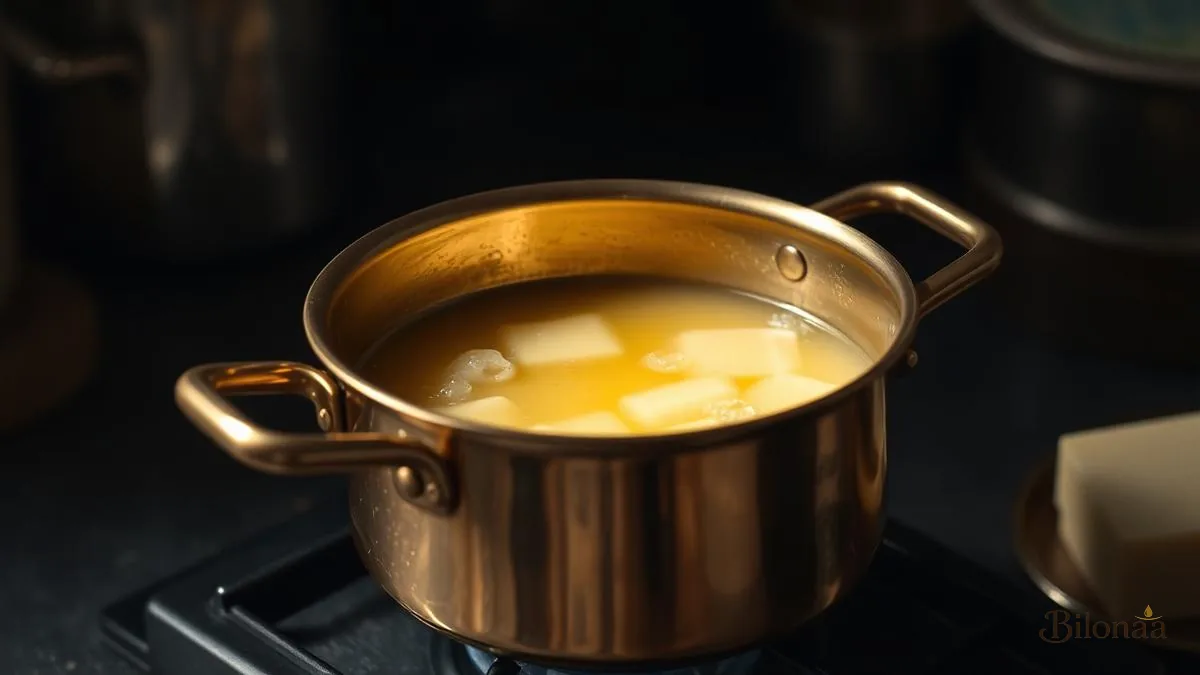
Understanding the significance of slow-cooked ghee begins with acknowledging its fundamental definition and distinguishing it from conventionally produced varieties. True slow-cooked ghee is made by gently heating butter (preferably from A2 cow's milk) over a very low flame for an extended period, allowing all water content to evaporate and milk solids to caramelise and separate, leaving behind a pure, golden fat. This unhurried method, often referred to as 'dheeme aanch' in Indian households, is central to its unique properties, flavour, and nutritional profile, standing in stark contrast to rapid, high-heat industrial processes that prioritise speed over quality.
Delving into the historical roots of ghee production reveals a deep connection to ancient Indian culinary and medicinal traditions. For millennia, our ancestors, our 'dadi-nani', perfected the art of ghee making, understanding that patience was a key ingredient. The method of slow simmering was not merely a cooking technique but a cherished ritual, believed to imbue the ghee with vitality and sattvic (pure) qualities. This time-honoured approach ensured that the delicate fats and fat-soluble vitamins were preserved, making it a cornerstone of both daily sustenance and Ayurvedic remedies.
Exploring the scientific rationale behind 'low flame' cooking elucidates why this method is superior for nutrient retention. When butter is heated slowly, the delicate fatty acids, such as butyric acid, remain intact and are less prone to oxidation or denaturalisation caused by high temperatures. Similarly, fat-soluble vitamins like A, D, E, and K are better preserved, ensuring that the final product is not just flavourful but also maximally nutritious. Fast, high-heat cooking, on the other hand, can degrade these vital compounds, diminishing the ghee's health benefits and altering its molecular structure.
The process of caramelisation of milk solids is a critical step that significantly contributes to the unique flavour profile of slow-cooked ghee. As the milk solids gently brown at the bottom of the pan, they impart a distinct nutty, sweet, and rich aroma that is synonymous with authentic desi ghee. This slow, controlled browning process cannot be rushed; it's a careful balance that prevents burning while maximising flavour development. This deep, complex flavour is a hallmark of quality, distinguishing it from bland, industrially produced ghee where this crucial caramelisation is often absent or inadequately achieved.
Appreciating the distinction between A1 and A2 cow milk is paramount when discussing high-quality ghee, especially for Bilonaa products. A2 milk comes from indigenous Indian cow breeds, such as the Tharparkar from Bikaner, Rajasthan, and contains only the A2 beta-casein protein, which is believed to be easier to digest and less inflammatory for many individuals compared to A1 milk. Using A2 milk butter as the base for slow-cooked ghee, as Bilonaa does, adds another layer of digestive comfort and nutritional superiority, aligning seamlessly with Ayurvedic principles of holistic well-being.
Understanding the traditional Bilona churning method provides insight into the holistic preparation that precedes the slow-cooking process. The Bilona method involves churning curd (made from whole A2 milk) with a wooden churner (bilona) to separate butter, which is then slow-cooked into ghee. This ancient, laborious technique ensures that only the purest butter from whole milk is used, retaining maximum nutritional value and a distinct flavour. It preserves conjugated linoleic acid (CLA), antioxidants, and ensures the ghee is free from chemical residues often found in cream-separated butter, embodying a truly 'milawat-free' product.
The digestive advantages of slow-cooked A2 Bilona ghee are widely acknowledged in both traditional and modern contexts. Ayurveda traditionally considers ghee to be 'agni-deepan' (kindler of digestive fire) and a substance that lubricates the digestive tract, aiding in nutrient absorption. When prepared slowly from A2 butter, it is easier on the gut, and the intact butyric acid is known for its gut-healing properties. This makes slow-cooked ghee not just a cooking medium but a digestive aid, often recommended for improving overall gut health and assimilation of nutrients from other foods.
Identifying the specific fat-soluble vitamins that are preserved through the low-heat method highlights its nutritional superiority. Vitamins A, D, E, and K are crucial for various bodily functions, including vision, bone health, immune function, and blood clotting, respectively. High heat can easily degrade these sensitive compounds. The gentle, sustained simmering in slow-cooked ghee protects these vital nutrients, ensuring that every spoonful delivers a potent dose of these essential vitamins, making it a valuable addition to a balanced diet.
Comparing slow-cooked ghee with other cooking oils reveals why it stands out as a healthier and more stable option. Unlike vegetable oils that can oxidise and create harmful free radicals at high temperatures, ghee has a very high smoke point (around 250°C), making it ideal for various cooking methods without breaking down. The slow cooking process further enhances its stability by eliminating moisture and milk solids, leaving behind a pure fat that is less prone to rancidity and retains its beneficial properties even when heated, offering a safer and more nutritious alternative.
Integrating slow-cooked ghee into daily cooking practices can transform both the nutritional value and flavour of your meals. Use it for sautéing vegetables, tempering dals (tadka), or even as a healthy fat for roasting meats and vegetables. Its rich, nutty flavour enhances everything it touches, from simple rice dishes to complex curries. A spoonful melted over hot parathas or chapattis not only adds flavour but also aids in the absorption of fat-soluble vitamins from the other ingredients, embodying a holistic approach to nutrition.
Beyond the kitchen, slow-cooked ghee holds a revered place in Ayurvedic traditions for its numerous therapeutic applications. It is traditionally believed to nourish all bodily tissues (dhatus), improve memory and intellect ('medhya'), and even be beneficial for the eyes. Used in various Ayurvedic formulations and panchakarma therapies, its slow-cooked purity is considered crucial for its efficacy in balancing Vata and Pitta doshas. This ancient wisdom underscores its value not just as a food but as a powerful medicinal substance.
Understanding the shelf life and proper storage of slow-cooked ghee is essential to maintain its quality and benefits. Due to its very low moisture content and the removal of milk solids, slow-cooked ghee is remarkably stable and has a long shelf life. Stored in a cool, dark place in an airtight container, it can last for many months, even over a year, without refrigeration. This stability is a direct result of the meticulous slow-cooking process that eliminates factors contributing to spoilage, unlike regular butter or industrial ghee with higher moisture content.
Addressing common myths around ghee consumption is crucial for informed dietary choices. Many mistakenly believe ghee is unhealthy due to its saturated fat content, but traditional slow-cooked ghee from A2 milk is rich in beneficial short-chain fatty acids like butyrate, and conjugated linoleic acid (CLA), which are known for their anti-inflammatory and gut-healing properties. The 'asli' (real) slow-cooked ghee, unlike some refined vegetable oils, is not hydrogenated and is free from trans fats, making it a far superior choice for overall health when consumed in moderation.
Identifying who can benefit most from incorporating slow-cooked ghee into their diet encompasses a wide range of individuals. Those seeking to improve digestive health, boost immunity, enhance nutrient absorption, and support cognitive function will find it particularly beneficial. Individuals looking for a stable, healthy cooking fat with a high smoke point, or those following a traditional Ayurvedic lifestyle, will also find slow-cooked A2 Bilona ghee an invaluable addition to their culinary and wellness repertoire.
Conversely, understanding who should exercise caution with ghee consumption is equally important. While ghee is generally healthy, individuals with severe obesity, high cholesterol (specifically high LDL levels and arterial plaque), or certain liver conditions should consult their doctor before significantly increasing their ghee intake. Although the butyric acid helps cholesterol regulation, moderation is key for everyone, as with all fats, to maintain a balanced diet and avoid excessive calorie intake.
When selecting your slow-cooked ghee, discerning key quality indicators can ensure you're choosing an authentic and beneficial product. Look for ghee that explicitly states it's made from A2 cow milk, preferably through the Bilona method, and mentions 'slow-cooked' or 'low flame' on the label. The colour should be golden yellow, and the aroma distinctly rich and nutty. Avoid products with artificial colours, flavours, or those that appear unusually white or lack a deep, inviting scent, as these are often indicators of industrial processing or 'milawat'.
Bilonaa offers an exemplary slow-cooked A2 Bilona ghee, crafted with unwavering dedication to traditional methods and purity. Sourced from the indigenous Tharparkar cows of Bikaner, Rajasthan, our ghee undergoes the authentic Bilona churning process, followed by the gentle, extended slow-cooking over a low flame. This meticulous approach ensures that every jar of Bilonaa ghee encapsulates the full spectrum of flavour, aroma, and nutritional benefits that only true slow-cooked ghee can offer, bringing the ancient wisdom of our land to your table.
Many customers often wonder about the ethical sourcing and impact of slow-cooked ghee production on animal welfare. Responsible brands like Bilonaa prioritise the well-being of their cows, ensuring they are grass-fed, treated with care, and live in humane conditions. This directly impacts the quality of the milk and, consequently, the ghee. Ethically sourced ghee ensures that an age-old tradition is sustained responsibly, benefiting not just the consumers but also the animals and the environment, aligning with the principles of sattvic living.
"The painstaking process of slow cooking ghee, often overlooked in today's fast-paced world, is precisely what unlocks its full potential."
Bilonaa Promise
Small-batch, A2 desi-cow, traditional bilona ghee — straight to your kitchen.
100% pure, hand-churned, slow-cooked on a wood fire and packed in glass jars.
FAQs
Quick answers
Why is slow-cooking methods important for ghee, compared to fast methods?
Slow cooking preserves the delicate nutrients in ghee, such as fat-soluble vitamins (A, D, E, K) and beneficial fatty acids (like butyric acid and CLA). High heat can degrade these compounds, reducing the ghee's nutritional value and sometimes altering its molecular structure, making slow-cooked ghee nutritionally superior.
What is the 'Bilona' method, and how does it relate to slow-cooked ghee?
The Bilona method is a traditional process where curd from whole milk is churned to extract butter, which is then slow-cooked into ghee. It ensures maximum purity and nutrient retention, as opposed to direct cream-to-ghee methods, and is often considered superior for making authentic, high-quality slow-cooked ghee.
Does slow-cooked ghee have a higher smoke point?
Yes, slow-cooked ghee generally has a very high smoke point (around 250°C or 482°F) due to the complete evaporation of water and removal of milk solids. This makes it an excellent and stable cooking fat for high-temperature cooking without burning or breaking down, unlike many vegetable oils.
Can slow-cooked ghee be used for baking?
Absolutely! Slow-cooked ghee's rich, nutty flavour and high smoke point make it an excellent substitute for butter or other fats in baking. It adds a unique depth of flavour to cookies, cakes, and pastries, while also contributing to a richer texture and extended freshness due to its preservative qualities.
How should I store slow-cooked ghee for maximum freshness?
Slow-cooked ghee, thanks to its purity and low moisture, is highly stable. Store it in an airtight glass jar in a cool, dark place away from direct sunlight. Refrigeration is typically not necessary, and it can last for several months, often over a year, without losing its quality or going rancid.
Is slow-cooked ghee suitable for people who are lactose intolerant?
Yes, traditional slow-cooked ghee is usually safe for most lactose-intolerant individuals. The slow cooking process carefully removes almost all milk solids and lactose, leaving behind nearly pure butterfat. However, those with severe sensitivities should introduce it slowly or consult a healthcare professional.
What unique flavour does slow-cooking impart to ghee?
Slow cooking allows the milk solids to gently caramelise, imparting a distinct, rich, nutty, and slightly sweet aroma and flavour to the ghee. This depth of flavour is a hallmark of authentic, high-quality slow-cooked ghee and cannot be replicated by fast, industrial production methods.
Educational content only — please consult a doctor for medical conditions.
Get gentle ghee notes in your inbox
One thoughtful Ayurveda + kitchen note a week. No spam. Unsubscribe anytime.
Conversation(0)
Share a thought — every comment is read before it appears.