Process
The bilona method, step by step
On this page
- The bilona method is an age-old, revered process for making
- The journey begins with sourcing fresh, high-quality milk, w
- Transforming milk into curd is the second crucial step, whic
- Churning this curd into butter using the 'bilona' technique
- Collecting the freshly churned butter is a delicate art, as
- The next pivotal step involves gently heating the cultured b
- Achieving the perfect caramelization and ensuring clarity ma
- Straining the finished ghee is an essential step to ensure i
The bilona method is an age-old, revered process for making ghee, deeply embedded in the culinary and wellness traditions of India, particularly from regions like Rajasthan and Gujarat. This traditional technique, passed down through generations, stands in stark contrast to modern industrial methods and is celebrated for producing a ghee of superior quality, flavour, and nutritional profile. Understanding this method is key to appreciating the true value of authentic desi ghee.
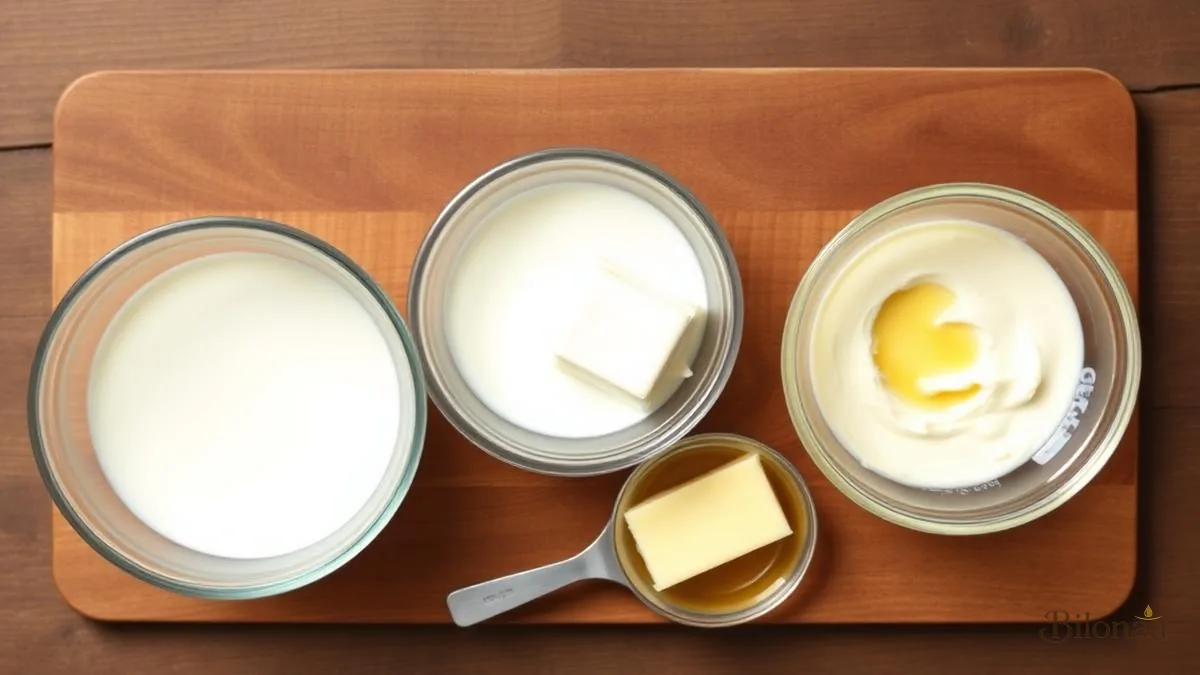
The journey begins with sourcing fresh, high-quality milk, which is the foundational ingredient for any pure A2 ghee. At Bilonaa, we meticulously select milk from indigenous Indian (desi) cows, specifically those known for producing A2 beta-casein protein, rather than the A1 protein found in many Western breeds. This initial step is paramount, as the quality of the milk directly influences the final ghee's richness, aroma, and health benefits, setting the stage for a truly traditional product.
Transforming milk into curd is the second crucial step, which involves gently heating the raw A2 cow milk and then inoculating it with a small amount of an existing curd starter. This natural fermentation process is what distinguishes bilona ghee from cream-based ghee, as the curd-making introduces beneficial bacteria that aid in breaking down lactose and contribute to the ghee’s unique flavour bouquet and digestibility. This step typically takes several hours, often overnight, allowing the milk to thicken into a perfect, tangy curd.
Churning this curd into butter using the 'bilona' technique is where the method truly earns its name, reflecting an ancient Indian churning paddle made of wood. Unlike modern electric churners that operate at high speeds, the bilona method involves a slow, bidirectional hand-churning process, traditionally using a wooden hand-churner. This gentle, rhythmic churning separates the butter (makkhan) from the buttermilk (chaas) without excessive friction or heat, which is believed to preserve delicate nutrients and enzymes.
Collecting the freshly churned butter is a delicate art, as the makkhan needs to be carefully skimmed off the top of the buttermilk. After the churning process, small, distinct grains of butter begin to coagulate and float to the surface, signaling that they are ready to be gathered. This butter, often referred to as 'dahi ka makkhan' or 'cultured butter,' is soft, fragrant, and pure, containing all the precious milk fats that will eventually become golden ghee.
The next pivotal step involves gently heating the cultured butter over a low flame, which is where the magic of transforming butter into golden ghee truly unfolds. This slow simmering process is vital; it causes the water content in the butter to evaporate, and the milk solids (casein and whey) to caramelize and separate, settling at the bottom of the vessel. The low heat ensures that the delicate fats and fat-soluble vitamins are not damaged or denatured, preserving the ghee's nutritional integrity.
Achieving the perfect caramelization and ensuring clarity marks the readiness of the ghee, a stage often recognized by a distinct aroma and visual cues. As the butter gently simmers, the milk solids at the bottom of the pot turn a light golden-brown, and the liquid above transforms into a clear, radiant, golden elixir. A nutty aroma fills the air, signaling that the ghee has reached its optimal state – neither undercooked nor overcooked, but perfectly golden and fragrant.
Straining the finished ghee is an essential step to ensure its purity and prolonged shelf life, separating the clarified fat from any remaining milk solids. Once the ghee has reached its perfect state and has slightly cooled (but is still liquid), it is carefully poured through a fine mesh strainer or muslin cloth into clean, dry containers. This meticulous straining removes the caramelized milk solids, leaving behind only the pure, golden, and translucent ghee, ready for storage.
Understanding the significance of the A2 milk in the bilona method highlights the commitment to quality and traditional wisdom. A2 milk comes from specific desi cow breeds like Gir, Sahiwal, Rathi, and Tharparkar, which naturally produce only the A2 type of beta-casein protein. While research is ongoing, A2 milk is traditionally believed by many to be easier to digest and less likely to cause discomfort compared to A1 milk, forming a crucial foundation for Bilonaa's premium bilona ghee.
The traditional bilona method truly stands apart from modern industrial ghee production, which often utilizes cream derived from milk rather than whole curd. Industrial processes typically use high-speed centrifugation and heating, which can compromise the subtle nuances of flavour and potentially the nutritional essence often associated with authentic ghee. The bilona technique, by fermenting milk into curd first, retains a richer fatty acid profile and a more complex flavour, creating a distinct product.
The nutritional advantages of Bilonaa's bilona ghee, crafted through this precise method, are significant and multifaceted. Due to the careful, low-heat processing of cultured butter, Bilonaa ghee is rich in essential fat-soluble vitamins (A, D, E, K), short-chain fatty acids like butyric acid, and conjugated linoleic acid (CLA). These components are traditionally associated with benefits for digestion, immunity, and overall well-being, reflecting the depth of care in its production.
Ayurveda widely extols the virtues of bilona ghee, recognizing it as a 'rasayana' or rejuvenating elixir, pivotal for balancing the body's doshas and promoting overall health. According to Ayurvedic texts, ghee prepared from cultured butter (like bilona ghee) is easier to digest, nourishes all body tissues, and acts as a carrier for herbs, enhancing their potency. It is celebrated for its ability to strengthen ojas (vitality), improve memory, and soothe the digestive fire (agni).
Identifying authentic bilona ghee requires a keen eye and appreciation for its unique characteristics, helping consumers avoid 'milawat' or adulteration. True bilona ghee will typically have a granular texture, a rich, nutty aroma, and a golden-yellow hue, especially when made from indigenous cow's milk. It should solidify at room temperature in cooler climates and melt readily when gently warmed, exhibiting transparency, unlike products that might be cut with vegetable oils.
Incorporating bilona ghee into your daily routine is delightfully simple and endlessly versatile, enhancing both flavour and nutrition. It can be used as a superior cooking medium for sautéing, frying, and tempering various dishes, given its high smoke point. Beyond cooking, a spoonful can be added to warm milk, spread on rotis, or drizzled over dal and rice, lending a rich, comforting taste and imparting its traditional health benefits.
Storing bilona ghee correctly is crucial to maintain its purity, flavour, and extended shelf life, often for many months or even longer. Always transfer your Bilonaa ghee into a clean, air-tight glass or steel container, ensuring no moisture enters. Store it in a cool, dark place away from direct sunlight, and there's no need for refrigeration. Its natural stability is a testament to its clarified pure fat content.
Dispelling common myths surrounding ghee, especially regarding its fat content and cholesterol, is important to appreciate its true value. Contrary to popular misconceptions that label all fats as bad, bilona ghee is a source of healthy fats, including saturated fats that are metabolised differently by the body. It plays a role in traditional diets where moderation and quality are key, contributing not just calories but also beneficial compounds.
While bilona ghee offers numerous perceived benefits, recognizing that moderation is key and consulting with health professionals for specific dietary concerns is always advisable. For most healthy individuals, incorporating Bilonaa's pure A2 desi-cow bilona ghee into their diet in appropriate quantities can be a wonderful wellness booster. However, individuals with specific health conditions should always seek expert advice to ensure it aligns with their dietary needs.
Bilonaa takes immense pride in dedicating itself to preserving and delivering the authentic bilona ghee experience, straight from the heart of Bikaner, Rajasthan. Our commitment to the ancient bilona process, combined with sourcing A2 milk from happy, healthy desi cows, ensures that every jar of Bilonaa ghee is not just a cooking ingredient but a legacy of purity, health, and tradition. We invite you to experience the true essence of India's golden elixir.
"The bilona process transforms simple milk into a golden elixir, preserving nutrients and cultural heritage in every single drop."
Bilonaa Promise
Small-batch, A2 desi-cow, traditional bilona ghee — straight to your kitchen.
100% pure, hand-churned, slow-cooked on a wood fire and packed in glass jars.
FAQs
Quick answers
What is the primary difference between bilona ghee and regular ghee?
Bilona ghee is made from whole curd using a traditional slow churning method, while regular ghee is often made directly from cream. This ensures bilona ghee retains more nutrients and has a distinct flavour and aroma due to the fermentation process involved.
Why is A2 milk important for bilona ghee?
Using A2 milk from indigenous cow breeds is crucial because it contains only the A2 beta-casein protein, which is traditionally linked to easier digestion and reduced likelihood of discomfort compared to A1 protein milk. This forms the foundation for a superior, more wholesome ghee.
Does bilona ghee contain lactose?
The bilona method involves fermenting milk into curd, which significantly reduces lactose content. The subsequent slow simmering also removes milk solids, making bilona ghee virtually lactose-free and generally suitable for those with lactose sensitivities, although individual tolerance varies.
How can I tell if my bilona ghee is pure?
Pure bilona ghee typically has a granular texture, a rich, nutty aroma, and a golden-yellow colour. It should solidify in cooler temperatures and melt completely clear when warmed, unlike adulterated versions that may appear uniformly smooth or have an off smell.
What are the health benefits of bilona ghee according to Ayurveda?
Ayurveda considers bilona ghee a 'rasayana,' believed to improve digestion, boost immunity, enhance memory, and nourish all bodily tissues. It's also seen as a balancing agent for the doshas and a carrier for medicinal herbs.
How long does bilona ghee last and how should I store it?
Bilona ghee has a long shelf life, often lasting for 6-12 months or even longer if stored correctly. Keep it in a clean, airtight glass or steel container in a cool, dark place away from direct sunlight. Refrigeration is not typically required.
Educational content only — please consult a doctor for medical conditions.
Get gentle ghee notes in your inbox
One thoughtful Ayurveda + kitchen note a week. No spam. Unsubscribe anytime.
Conversation(0)
Share a thought — every comment is read before it appears.