
Cow Breeds
Village-Made Ghee vs Commercial Dairy Ghee: Sourcing Differences
On this page
- Understanding the distinction between village-made ghee and
- The journey of traditional village-made ghee typically begin
- Commercial dairy ghee, on the other hand, usually originates
- What A2 ghee actually means is a pivotal factor distinguishi
- The traditional Bilona method is the cornerstone of authenti
- How machine extraction differs from the Bilona method highli
- Ayurvedic texts consistently exalt the virtues of traditiona
- Modern nutritional science offers a complementary perspectiv
Understanding the distinction between village-made ghee and its commercial dairy counterpart is crucial for discerning consumers seeking true purity and nutritional value. While both are technically clarified butter, their methods of production, sourcing of milk, and overall philosophical approaches diverge significantly, resulting in products that offer vastly different benefits and experiences. This exploration will delve into these fundamental differences, highlighting why traditional village craftsmanship often prevails over industrial scale.
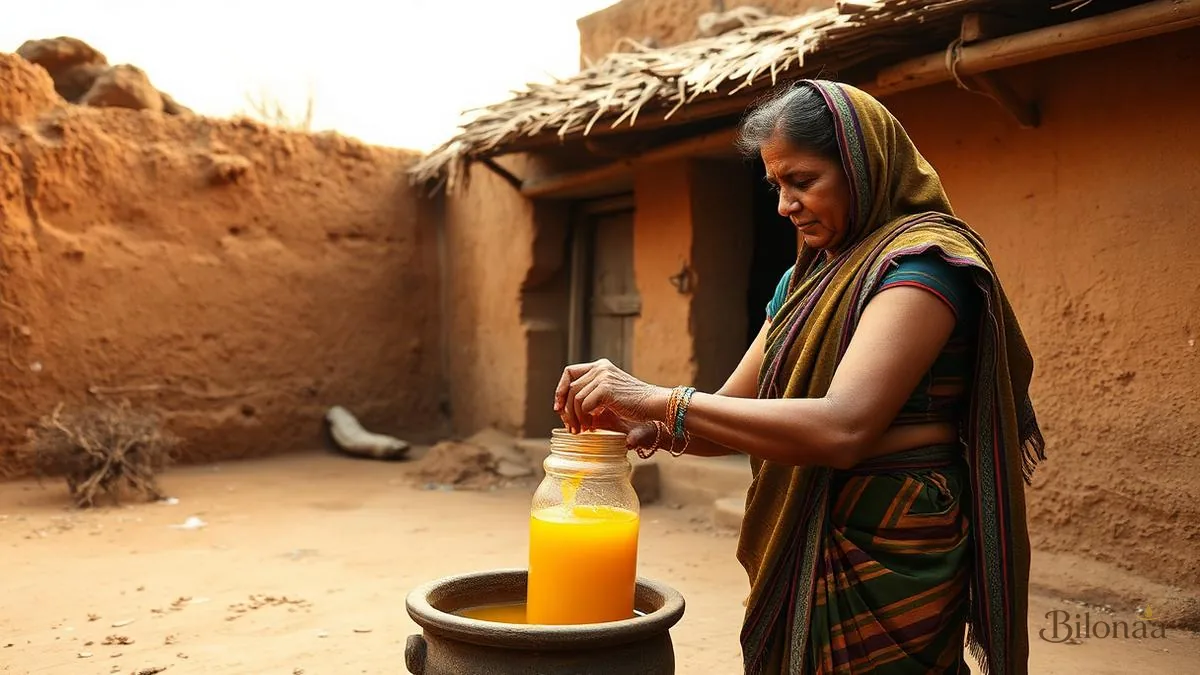
The journey of traditional village-made ghee typically begins with carefully selected desi cows, often of indigenous breeds known for their A2 milk. These cows are usually grass-fed, allowed to graze freely in natural pastures, and are treated with respect, forming an integral part of the family or village ecosystem. This deep connection to the cow and its natural environment is believed to imbue the milk, and subsequently the ghee, with a unique vitality and purity that is hard to replicate in larger, more impersonal dairy operations.
Commercial dairy ghee, on the other hand, usually originates from large-scale dairy farms where cows, often cross-bred or high-yielding foreign breeds, are kept for maximum milk production. Their diet may include silage, concentrates, and often grains, rather than purely grass. The focus here is primarily on efficiency and volume, which can lead to a standardized product, but sometimes at the expense of the nuanced qualities found in ghee from traditionally raised, healthier cows. These differing initial sourcing practices lay the groundwork for subsequent processing differences.
What A2 ghee actually means is a pivotal factor distinguishing true village-made ghee, particularly from brands like Bilonaa, from many commercial varieties. A2 milk contains only the A2 type of beta-casein protein, which is traditionally believed to be easier to digest and absorb compared to A1 beta-casein found in the milk of many European cattle breeds. Village-made ghee often prioritizes milk from indigenous Indian breeds (desi cows) known for naturally producing A2 milk, thereby offering potential digestive benefits that A1-rich commercial ghee might not.
The traditional Bilona method is the cornerstone of authentic village-made ghee production, representing an ancient Indian technique revered for its ability to retain vital nutrients and flavour. This elaborate process involves churning whole curd (dahi) from A2 milk slowly and meticulously using a wooden churner (bilona) until butter separates. This hand-churned butter is then gently heated over a low flame, allowing the milk solids to separate and the pure golden ghee to emerge, ensuring maximum retention of fat-soluble vitamins and fatty acids.
How machine extraction differs from the Bilona method highlights a significant divergence in quality and nutrient profile for commercial ghee. Industrial production often bypasses the curd-making and churning stages, instead directly heating cream or butter, often from pasteurized milk, in large stainless steel vessels. While this method is highly efficient and scalable, it can alter the molecular structure of some fats and may not capture the deep, nutty aroma and unique nutritional properties characteristic of ghee made through the traditional Bilona process.
Ayurvedic texts consistently exalt the virtues of traditional ghee (go-ghrita) for its therapeutic, digestive, and rejuvenating properties, always emphasizing its origins from healthy, naturally-fed cows. These ancient scriptures describe ghee as 'rasayana' – a substance that nourishes all tissues and promotes longevity. The meticulous Bilona process, which involves curd formation, is believed to enhance ghee's probiotic and digestive qualities, aligning perfectly with Ayurvedic principles of holistic wellbeing, making it far superior to modern mass-produced alternatives.
Modern nutritional science offers a complementary perspective, confirming that grass-fed A2 desi cow ghee is rich in beneficial fatty acids like Conjugated Linoleic Acid (CLA) and butyric acid. CLA is associated with metabolism support and immune function, while butyric acid is vital for gut health, nourishing gut cells and promoting a healthy microbiome. These compounds are often present in higher concentrations in ghee derived from grass-fed cows and made using traditional methods, as opposed to industrial processes that prioritize speed over quality.
The flavour and aroma profile of village-made ghee is distinctly richer and more complex than commercial varieties, often described as having a deep, nutty, and slightly sweet undertone. This characteristic flavour is a direct result of the slow caramelization of milk solids during the gentle heating of Bilona-churned butter, combined with the diet of the cows. Commercial ghee can often be bland by comparison, lacking the depth and authentic essence that connoisseurs seek, reflecting its faster processing and different raw ingredients.
Identifying genuine desi cow ghee requires an understanding of several key indicators beyond just the label. True desi cow ghee typically has a granular texture, a hallmark of its slow preparation and natural crystallization. Its color can range from pale yellow to a richer golden hue, depending on the cow's diet and breed. A distinctive, comforting aroma is also a strong sign of authenticity, setting it apart from products that may claim to be 'pure' but lack these traditional characteristics.
Dispelling common myths about ghee is essential for appreciating its true value; for instance, the misconception that all ghee is the same or that it's inherently unhealthy due to its fat content. In reality, desi cow ghee is packed with healthy fats, fat-soluble vitamins (A, D, E, K), and beneficial compounds. The 'fat' in traditional ghee is functional and nourishing, entirely different from unhealthy trans fats found in processed foods. The quality of ghee, its source, and its preparation method are paramount.
The storage and shelf life of traditional ghee are remarkably robust, thanks to its low moisture content and stable fat profile. When stored in a cool, dark place in an airtight container, village-made ghee can easily last for many months, even up to a year or more, without refrigeration. This natural preservation capability is another advantage over other dairy products and reflects its purity and traditional processing, allowing families to benefit from its wholesome goodness over extended periods.
Incorporating village-made ghee into your daily diet is simple and offers numerous culinary and health benefits. Use it for high-heat cooking due to its high smoke point, sautéing vegetables, tempering dals, or even as a spread on rotis and bread. A small spoonful added to warm milk or coffee can also provide a nourishing boost. Its versatility makes it a staple in Indian kitchens and a powerful addition to a balanced, health-conscious lifestyle.
Choosing Bilonaa ghee from Bikaner means opting for a product deeply rooted in ancestral wisdom and uncompromising quality. Bilonaa maintains its commitment to sourcing A2 milk from indigenous desi cows that are ethically raised and processed using the time-honored Bilona method. This ensures that every jar of Bilonaa ghee delivers an authentic taste and all the traditional health benefits associated with pure, village-made goodness, directly from the heart of Rajasthan to your home.
The environmental and ethical impact of traditional ghee production versus commercial dairies is an often-overlooked factor. Village farming systems often operate with a smaller carbon footprint, promoting biodiversity and healthier soil through sustainable grazing practices. The welfare of the cows is typically prioritized, seeing them as sacred rather than mere production units. Commercial dairies, however, can contribute to environmental concerns such as land degradation and waste management, often with less focus on individual animal well-being.
Why some ghee tastes different can often be traced back to the cow's diet and surrounding environment. Just as wine reflects its terroir, ghee encapsulates the essence of the pasture where the cow grazed. Ghee from cows fed on lush green grass will have a different flavour profile and nutritional composition than ghee from cows fed on dry fodder or grains. This nuanced appreciation for sourcing and diet is a hallmark of discerning village-made ghee producers.
Understanding the journey from grass to ghee helps consumers make informed choices for their health and values. When you choose village-made, A2 desi cow ghee, especially one produced with the Bilona method, you're not just buying a food product; you're investing in a legacy of purity, sustainable practices, and profound health benefits derived from nature and tradition. It's about reconnecting with food as medicine, as our dadi-nani always believed.
Ultimately, the cost difference between village-made and commercial ghee reflects the disparity in labour, care, and quality of ingredients. While village-made ghee might seem more expensive upfront, its superior nutritional profile, deeper flavour, and the ethical practices behind its production often justify the investment. It's a purchase that prioritizes health, supports traditional livelihoods, and ensures consumers receive an 'asli' nutritional powerhouse, free from 'milawat'.
How to discern quality when buying ghee involves being vigilant about labels, certifications, and understanding the brand's practices. Look for mentions of A2 milk, desi cows, grass-fed, and the Bilona method. Be wary of overly processed or cheaply priced ghee, which might cut corners on sourcing or production. Researching the brand's transparency, like Bilonaa's commitment to ancestral methods, can guide you towards truly authentic and beneficial ghee.
"The true essence of ghee lies not just in its fat content, but in its journey from pasture to palate."
Bilonaa Promise
Small-batch, A2 desi-cow, traditional bilona ghee — straight to your kitchen.
100% pure, hand-churned, slow-cooked on a wood fire and packed in glass jars.
FAQs
Quick answers
What is the primary difference between village-made and commercial ghee?
The main difference lies in their production methods and milk sourcing. Village-made ghee typically uses the traditional Bilona method from A2 desi cow milk, often from grass-fed cows, while commercial ghee is machine-processed from various milk sources for mass production.
Why is A2 desi cow milk important for ghee quality?
A2 milk, primarily from indigenous Indian cow breeds, contains A2 beta-casein protein, which Ayurveda and some studies suggest is easier to digest and offers more health benefits compared to A1 protein found in many common commercial dairy breeds.
What is the Bilona method and how does it affect ghee?
The Bilona method involves churning whole curd to extract butter, which is then slow-cooked into ghee. This traditional process is believed to retain more nutrients, enhance flavour, and produce a ghee with distinct granular texture and therapeutic properties compared to direct cream heating.
Does village-made ghee have a higher nutritional value?
Yes, village-made ghee, especially from grass-fed A2 desi cows using the Bilona method, is traditionally believed and studies indicate to have higher concentrations of beneficial compounds like CLA, butyric acid, and fat-soluble vitamins (A, D, E, K), due to superior raw materials and gentle processing.
How can I identify authentic village-made ghee?
Look for a granular texture, a rich golden yellow colour (depending on cow's diet), and a distinct, natural aroma. Labels mentioning A2 milk, desi cows, and the Bilona method are also strong indicators of authenticity and traditional processing.
Is village-made ghee safe for people with lactose intolerance?
Ghee is virtually lactose-free as milk solids, including lactose and casein, are removed during the clarification process. Therefore, even individuals with lactose intolerance can traditionally consume pure ghee, including village-made varieties, without discomfort.
Educational content only — please consult a doctor for medical conditions.
Get gentle ghee notes in your inbox
One thoughtful Ayurveda + kitchen note a week. No spam. Unsubscribe anytime.
Conversation(0)
Share a thought — every comment is read before it appears.