
A2 Science
What Is A2 Cow Ghee? Benefits, Meaning & Buying Guide
On this page
- Understanding what A2 cow ghee truly means begins with its o
- The historical context of A2 milk and ghee in India stretche
- Delving into the science behind A2 protein helps clarify why
- Ayurveda's perspective on ghee has always elevated it to a s
- The bilona churning method stands as a cornerstone of tradit
- Understanding the benefits of A2 desi ghee for digestion and
- Exploring the role of A2 cow ghee in boosting immunity revea
- The advantages of incorporating A2 desi ghee into your diet
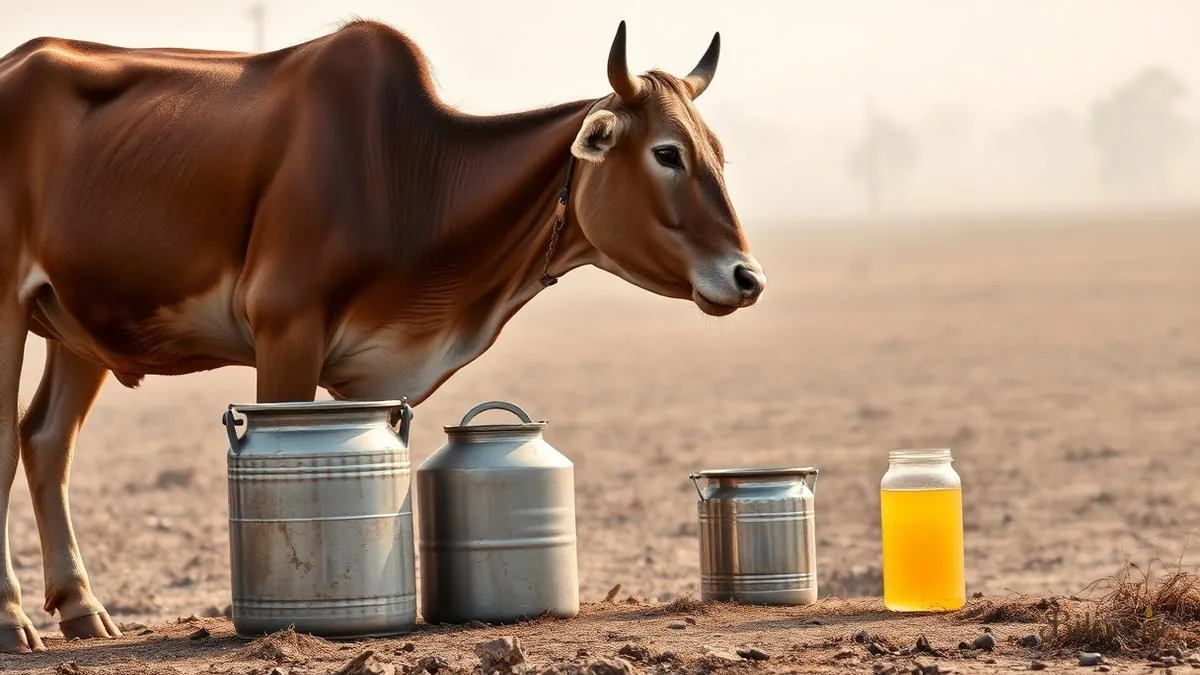
Understanding what A2 cow ghee truly means begins with its origin: the specific type of cow from which the milk is sourced. A2 cow ghee refers to ghee made from the milk of cows that primarily produce the A2 beta-casein protein, as opposed to the A1 beta-casein protein found in milk from many conventional dairy breeds. This distinction in protein type is central to its perceived health benefits and traditional significance, connecting us directly to ancient Indian cow breeds like Gir, Sahiwal, Rathi, and Tharparkar, which are known for their A2 milk.
The historical context of A2 milk and ghee in India stretches back millennia, deeply intertwined with Ayurvedic philosophy and traditional farming practices. In ancient India, indigenous cow breeds were revered and considered sacred, with their milk, and subsequently ghee, forming an integral part of diet, medicine, and spiritual rituals. The emphasis was always on 'desi' (native) cows, which naturally produce A2 milk, long before genetic analysis differentiated protein types. This ancient wisdom suggests a profound, inherent understanding of the superior nutritional profile of milk from these specific animals.
Delving into the science behind A2 protein helps clarify why it’s gaining significant attention in modern nutrition. A1 beta-casein, upon digestion, can release a peptide called beta-casomorphin-7 (BCM-7), which some studies indicate may contribute to digestive discomfort in certain individuals. Conversely, A2 beta-casein milk, and therefore A2 ghee, does not produce BCM-7 in the same manner, making it potentially easier to digest and less likely to trigger similar sensitivities. This scientific differentiation provides a contemporary rationale for traditional preferences for indigenous cow milk products.
Ayurveda's perspective on ghee has always elevated it to a status beyond mere cooking oil, often referring to it as a 'rasayana' – a rejuvenator or tonic. According to Ayurvedic texts, ghee from indigenous Indian cows (which produce A2 milk) is considered 'prana shakti' or life-force enhancing. It is believed to improve digestion (agni), nourish all bodily tissues (dhatus), lubricate joints, enhance mental clarity, and boost immunity. The very process of making ghee and its consumption is steeped in rituals affirming its profound holistic benefits, far beyond just its fat content.
The bilona churning method stands as a cornerstone of traditional A2 desi ghee preparation, fundamentally differentiating it from industrial processes. This age-old technique involves patiently churning curd (dahi) made from whole A2 milk, creating butter, which is then slow-cooked over a low flame. This meticulous, labour-intensive process preserves the delicate nutrients, flavour, and aroma, ensuring the ghee retains its medicinal and culinary properties. In stark contrast, machine-made ghee often uses milk cream, churned at high speeds, which can degrade some beneficial compounds and result in a less authentic product.
Understanding the benefits of A2 desi ghee for digestion and gut health is paramount for those seeking natural wellness solutions. Due to the absence of BCM-7, A2 ghee is often lauded for being gentler on the digestive system, potentially reducing instances of bloating, discomfort, and inflammation in individuals sensitive to A1 milk proteins. Furthermore, ghee is rich in butyrate, a short-chain fatty acid that serves as a primary energy source for colon cells, supporting gut barrier integrity and fostering a healthy microbiome, which is crucial for overall immunity and well-being.
Exploring the role of A2 cow ghee in boosting immunity reveals its multifaceted contributions to overall health. Ayurveda strongly advocates ghee for enhancing 'Ojas,' the subtle essence of immunity and vitality. Modern nutritional science corroborates this, recognising ghee as a source of fat-soluble vitamins (A, D, E, K) and beneficial fatty acids, all of which play critical roles in immune function. Regular consumption of high-quality A2 ghee, like that offered by Bilonaa, is traditionally believed to strengthen the body's natural defences and resistance to illness.
The advantages of incorporating A2 desi ghee into your diet extend to skin and hair health, a benefit cherished in traditional Indian beauty regimens. Ghee is an excellent emollient, rich in antioxidants and nourishing fatty acids that deeply hydrate and repair skin from within. Topically applied, it can soothe dryness and promote a natural glow. For hair, it acts as a conditioning agent, strengthening follicles and adding lustre. These holistic benefits arise from its nutrient density and its inherent ability to lubricate and nourish all tissues, inside and out.
Considering who might benefit most from A2 cow ghee highlights its universal appeal, though particular groups might find it especially advantageous. Individuals experiencing mild dairy sensitivities, seeking to improve digestion, or wanting a natural immunity boost often turn to A2 ghee. It's also highly recommended for children for growth and development, for pregnant women for nourishment, and for the elderly for joint and cognitive support, given its rich nutritional profile. Its sattvic nature, as per Ayurveda, also makes it a valuable addition for those pursuing mental clarity and emotional balance.
Distinguishing between pure A2 desi ghee and adulterated or imitation products is crucial for reaping its genuine benefits. Genuine A2 desi ghee comes from indigenous Indian cow breeds, manufactured using the traditional bilona method, resulting in a granular texture, distinct aroma, and often a slightly yellow hue. Adulterated ghee might contain cheaper vegetable oils, animal fats, or be made from A1 milk or industrial processes, lacking the nutritional integrity and therapeutic properties of true A2 ghee. Always look for certifications and transparent sourcing information from brands like Bilonaa.
Deciphering labels and certifications is an essential step in making an informed purchase of A2 cow ghee. Look for explicit mentions of 'A2 milk,' 'desi cow,' and 'bilona method.' Certifications such as 'FSSAI' in India are standard, but additional organic certifications (if applicable) or specific 'desi cow' verification can further assure authenticity. A reputable brand will openly share information about their cow breeds, farming practices, and manufacturing processes, ensuring complete transparency for the consumer interested in pure A2 desi ghee.
The cost difference between A2 bilona ghee and regular ghee often reflects the labour-intensive process and the specificity of sourcing. A2 desi ghee, produced using the traditional bilona method, requires significant time, effort, and a larger quantity of milk (approximately 25-30 litres for 1 litre of ghee). This, combined with the premium nature of A2 milk from indigenous cows, naturally leads to a higher price point compared to mass-produced ghee made from cream or A1 milk. This investment, however, ensures a superior product in terms of nutrition and purity.
Successfully integrating A2 cow ghee into your daily diet is both simple and incredibly versatile. Use it as your primary cooking fat for dishes like dal, curries, and vegetables, or spread it on rotis and bread for added flavour and nutrition. A spoonful can be mixed into warm milk or herbal teas as a soothing bedtime drink or used in traditional Ayurvedic preparations. Its high smoke point makes it suitable for various cooking methods, including sautéing and shallow frying, without breaking down its beneficial compounds.
Proper storage of A2 desi ghee ensures its longevity and preserves its quality and flavour. Ghee is shelf-stable and does not require refrigeration. Store it in an airtight container, away from direct sunlight and moisture, in a cool, dark pantry. If stored correctly, high-quality A2 ghee can last for several months to a year without spoiling. Refrigeration can make it harder, but does not harm it; simply bring it to room temperature before use for easier scooping and better aroma. Always use a clean, dry spoon to prevent microbial contamination.
Addressing common myths about ghee, particularly concerning fat content and cholesterol, is important to dispel misconceptions. Despite its rich fat content, ghee primarily comprises healthy saturated fats, along with monounsaturated and polyunsaturated fats, essential for bodily functions. Studies often indicate that traditional ghee, when consumed in moderation, does not contribute to unhealthy cholesterol levels and can even support heart health due to its balanced fatty acid profile and antioxidant content. Furthermore, it's not simply 'clarified butter' but rather a more potent and nutritionally diverse product.
While A2 cow ghee offers numerous benefits, it's important to consider any potential side effects or contraindications, although they are rare. As with any food, moderation is key. Overconsumption of even healthy fats can lead to weight gain. Individuals with severe dairy allergies might need to exercise caution, though ghee's low lactose and casein content often makes it tolerable for many. Always consult with a healthcare professional or an Ayurvedic practitioner if you have specific health conditions or dietary concerns before significantly altering your intake.
Ultimately, choosing a brand that embodies purity and traditional values is paramount when selecting A2 desi ghee. Bilonaa stands committed to offering pure A2 desi-cow bilona ghee from Bikaner, Rajasthan, adhering strictly to the ancient bilona method and sourcing milk exclusively from indigenous Indian cows. Our commitment ensures that every jar of Bilonaa ghee carries the rich heritage, authentic flavour, and profound nutritional benefits that have been cherished for generations.
Embracing A2 cow ghee in your lifestyle is more than just a dietary choice; it’s an embrace of a time-honoured tradition of health and wellness. By understanding its meaning, appreciating its sourcing, and recognising its multifaceted benefits, you can make an informed decision to incorporate this golden elixir into your daily regimen. Let pure A2 desi ghee nourish your body, mind, and spirit, just as it has nurtured generations in India.
"A2 cow ghee isn't just a fat; it's a legacy of wellness, handcrafted for health from ancient traditions."
Bilonaa Promise
Small-batch, A2 desi-cow, traditional bilona ghee — straight to your kitchen.
100% pure, hand-churned, slow-cooked on a wood fire and packed in glass jars.
FAQs
Quick answers
What is the primary difference between A1 and A2 milk?
The primary difference lies in the beta-casein protein structure. A1 milk contains an amino acid called histidine at position 67, which can lead to the formation of BCM-7 during digestion. A2 milk, found in indigenous Indian cows, has proline at this position, preventing BCM-7 formation, making it potentially easier to digest for some individuals.
Is A2 cow ghee suitable for people with lactose intolerance?
Yes, A2 cow ghee is generally considered suitable for most individuals with lactose intolerance. The ghee-making process involves clarifying butter, during which almost all the lactose and casein (milk solids) are removed, leaving behind pure butterfat. This significantly reduces the likelihood of triggering lactose-related digestive discomfort.
How can I identify authentic A2 desi bilona ghee?
Authentic A2 desi bilona ghee typically has a granular texture, a distinct rich aroma, and a slightly yellowish hue (especially from indigenous cow breeds). It will often solidify partially or completely in cooler temperatures. Look for clear labelling indicating 'A2 milk,' 'desi cow,' and 'bilona method' from trusted brands like Bilonaa with transparent sourcing.
What are the key health benefits of A2 cow ghee according to Ayurveda?
Ayurveda considers A2 cow ghee a potent 'rasayana' or rejuvenator. It is believed to enhance digestion (agni), nourish all bodily tissues, improve memory and cognitive function, detoxify the body, strengthen immunity (Ojas), and promote vitality. It's often used for internal lubrication and balancing doshas.
Can A2 cow ghee assist with weight management?
When consumed in moderation, A2 cow ghee can support weight management. Its healthy fats help in satiety, reducing cravings. It also contains conjugated linoleic acid (CLA), which research suggests may aid in fat metabolism. Additionally, its ability to improve digestion and nutrient absorption indirectly supports a healthy metabolism.
What is the shelf life of A2 desi ghee and how should it be stored?
A2 desi ghee has an excellent shelf life, typically around 6-12 months, or even longer if stored properly. It should be kept in an airtight container, away from direct sunlight, heat, and moisture, in a cool, dark place. Refrigeration is not required but can extend its freshness; however, it will solidify and may need time to soften before use.
Educational content only — please consult a doctor for medical conditions.
Get gentle ghee notes in your inbox
One thoughtful Ayurveda + kitchen note a week. No spam. Unsubscribe anytime.
Conversation(0)
Share a thought — every comment is read before it appears.