Bilonaa Method
What Is Bilonaa Ghee? Traditional Churned Ghee Explained
On this page
- Understanding what bilona ghee truly is begins with apprecia
- The historical significance of bilona ghee dates back thousa
- The 'A2' designation, often associated with desi-cow bilona
- The traditional bilona method commences with boiling wholeso
- Distinguishing the bilona churning process from conventional
- The science behind bilona ghee's nutritional superiority poi
- From an Ayurvedic perspective, bilona ghee holds immense the
- Incorporating bilona ghee into your daily diet is wonderfull
Understanding what bilona ghee truly is begins with appreciating its roots in ancient Indian culinary and wellness practices. This traditional ghee is meticulously prepared using a specific, age-old method known as 'bilona' or 'hand-churning', which distinguishes it significantly from mass-produced ghee varieties available in the market today. It involves converting whole milk into curd, then churning this curd to extract butter, and finally simmering the butter to create pure ghee, a process that ensures maximum nutrient retention and superior flavour.
The historical significance of bilona ghee dates back thousands of years, deeply embedded in Vedic texts and Ayurvedic scriptures, where it is often referred to as 'ghrita' and lauded as a sacred, medicinal food. Our ancestors, from humble village homes to royal kitchens, invariably prepared ghee using this precise method, recognising its unparalleled purity and potent health benefits. This tradition was not merely about sustenance; it was a ritual, a science, and an art passed down through countless generations, making it a cornerstone of Indian cooking and holistic health.
The 'A2' designation, often associated with desi-cow bilona ghee, refers to the specific type of beta-casein protein found in the milk from indigenous Indian cow breeds. Unlike A1 milk, which some studies indicate might be harder for certain individuals to digest due to the presence of BCM-7 opioid peptide, A2 milk is believed to be more suitable for human consumption, offering potentially better digestibility and absorption. When ghee is made from A2 milk, it carries forward these inherent advantages, providing a product that is not only pure but also potentially gentler on the digestive system.
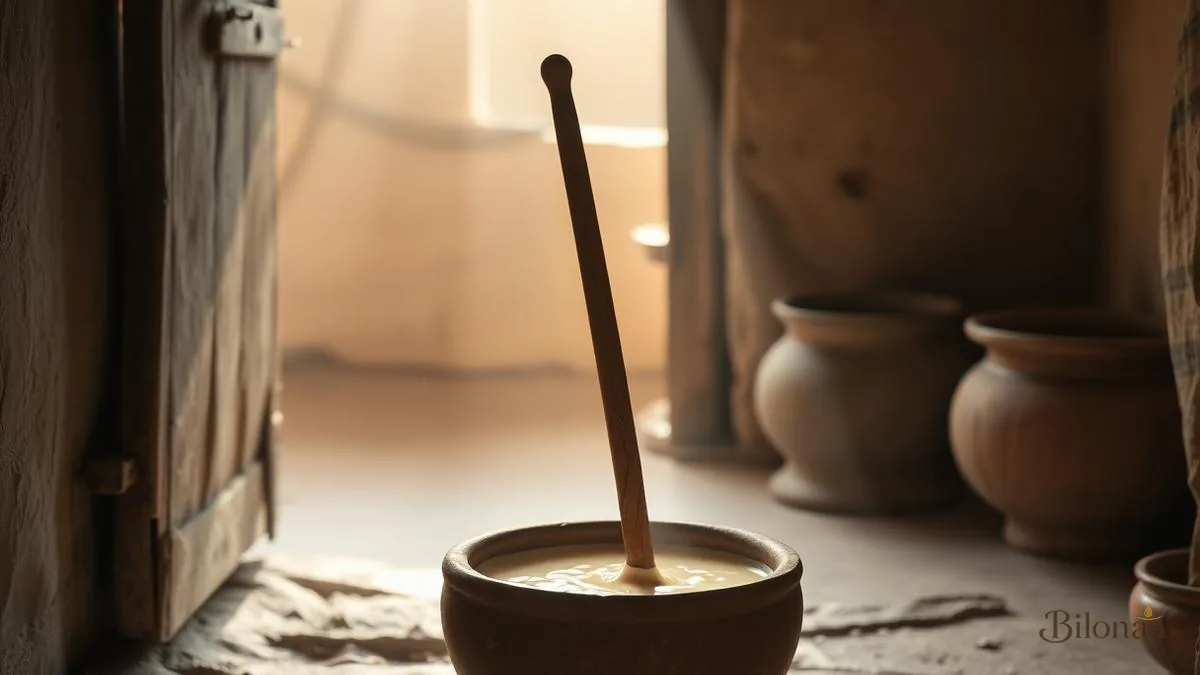
The traditional bilona method commences with boiling wholesome A2 desi cow milk, allowing it to cool, and then inoculating it with a starter culture to convert it into curd. This crucial step of making curd from milk before churning is what truly sets bilona ghee apart, as it introduces beneficial microbes and a unique fermentation process. This fermentation breaks down complex milk proteins and sugars, leading to a more digestible and nutrient-rich base for the subsequent ghee preparation, thereby enhancing its flavour and health profile.
Distinguishing the bilona churning process from conventional industrial methods highlights its unique integrity. While modern factories often use cream separated directly from milk and mechanical churns for speed and volume, the bilona method exclusively uses cultured curd and traditional wooden churners, or 'bilonas'. This hand-churning, though labor-intensive, ensures that the butter is extracted gently, preserving the delicate balance of fats and nutrients that contribute to the ghee's distinctive aroma, granular texture, and superior taste, hallmarks of authentic, hand-churned ghee.
The science behind bilona ghee's nutritional superiority points to its rich profile of essential fatty acids, fat-soluble vitamins, and conjugated linoleic acid (CLA). Because it is derived from curd, the final ghee product retains a higher concentration of beneficial short-chain fatty acids like butyric acid, which is vital for gut health. Furthermore, Bilonaa Ghee from grass-fed desi cows is naturally abundant in vitamins A, D, E, and K, along with potent antioxidants, all contributing to its comprehensive health benefits.
From an Ayurvedic perspective, bilona ghee holds immense therapeutic value and is often hailed as a 'rasayana' or rejuvenator, promoting longevity and vitality. Ayurveda suggests that ghee pacifies all three doshas (Vata, Pitta, and Kapha), aids in digestion by stimulating 'agni' (digestive fire), and helps in the absorption of nutrients. It is also traditionally believed to lubricate joints, improve memory, strengthen immunity, and nourish the deeper tissues of the body, making it an indispensable part of daily Ayurvedic rituals.
Incorporating bilona ghee into your daily diet is wonderfully versatile and can elevate the nutritional profile of numerous dishes. You can use it for cooking and sautéing, as its high smoke point makes it stable for high-heat applications without forming harmful free radicals. Many individuals enjoy a spoonful melted into warm milk or daal for enhanced flavour and nutritional boost, while others simply spread it on warm rotis or use it to temper curries and vegetables. Its rich, nutty aroma adds a distinct depth to any meal.
Comparing bilona ghee with regular ghee reveals significant differences in their preparation methods and ultimate quality. Regular ghee often starts from industrial cream, produced from mixed-breed cow milk, and is machine-processed for efficiency. This often results in a product that lacks the rich, complex flavour and granular texture of bilona ghee. Furthermore, the absence of the curd-to-butter stage in commercial ghee means it often misses out on the specific nutritional enhancements that the fermentation process provides in the traditional method.
The benefits of sourcing your bilona ghee from desi cows cannot be overstated, particularly when it comes to the A2 debate. Desi cows, like the Gir, Sahiwal, and Rathi breeds from which Bilonaa sources its milk, are revered in India for their gentle nature and the superior quality of their milk, traditionally known as 'Amrit' or nectar. Their unique hump and natural grazing habits contribute to milk that is believed to contain these beneficial A2 proteins and perhaps even a higher concentration of beneficial nutrients, making their ghee exceptionally potent and pure.
Identifying genuine bilona ghee requires a discerning eye, as the market is unfortunately rife with products claiming to be 'hand-churned' without adhering to the traditional process. Key indicators include a distinct granular texture, a rich, nutty aroma, and a golden-yellow colour, especially if made from grass-fed cow milk. Always check for transparent sourcing information, particularly mention of A2 desi cow milk and the 'curd-churning' method. Reputable brands like Bilonaa proudly detail their entire process, ensuring authenticity and purity to their customers.
The economic and ethical implications of supporting traditional bilona ghee production extend beyond just purchasing a product; it means contributing to the revival of sustainable farming practices and encouraging the well-being of indigenous cow breeds. Choosing bilona ghee helps support local dairy farmers who uphold these time-honoured methods, ensuring fair wages and promoting humane treatment of animals. It's a conscious decision that impacts the entire ecosystem, from the pasture to your plate, fostering a healthier community and environment.
Who should consider incorporating bilona ghee into their diet includes almost everyone seeking a natural, wholesome addition to their foods. Individuals looking to improve digestion, boost immunity, enhance skin and hair health, or simply enjoy a superior tasting cooking medium will find it beneficial. However, while ghee is generally well-tolerated, those with specific dietary restrictions or severe dairy allergies should consult a healthcare professional before making significant dietary changes, as individual responses can vary.
Dispelling common myths surrounding ghee, particularly the misconception that all fats are bad, is essential to appreciating bilona ghee's true value. Traditional ghee, far from being detrimental, is a source of healthy fats crucial for various bodily functions, including hormone production and nutrient absorption. Another myth is that ghee is fattening; in moderation, it can actually aid in weight management by promoting satiety and supporting a healthy metabolism, contrary to popular belief. Understanding the difference between healthy fats and unhealthy fats is key.
Storing your bilona ghee properly is crucial to maintain its freshness, flavour, and nutritional integrity over time. Always transfer your ghee into an airtight container, preferably made of glass, and store it in a cool, dark place away from direct sunlight and moisture. There is no need to refrigerate ghee, as its low moisture content and high stability prevent spoilage at room temperature. When stored correctly, a jar of premium bilona ghee, like that from Bilonaa, can last for many months, retaining its exceptional quality.
We at Bilonaa are deeply committed to preserving the authenticity of bilona ghee, ensuring that every jar delivers the pure essence of tradition and health. Sourced from the finest A2 desi cows in Bikaner, Rajasthan, our ghee is a testament to the rigorous adherence to the ancient bilona method, from curdling to the final hand-churning. We believe in providing not just a product, but a legacy of wellness, carefully crafted for your family's health and culinary delight, bringing 'asli' purity right to your kitchen.
For consumers looking to make an informed choice, evaluating ghee based on its aroma, texture, colour, and transparency of origin is paramount. Genuine Bilonaa Ghee will have a rich aroma that evokes notes of sweet butter caramel, a slightly grainy texture that melts seamlessly, and a vibrant golden hue. Always inquire about the brand's sourcing of milk, the production process, and any quality certifications they may hold. This due diligence ensures you are investing in a product that genuinely aligns with traditional methods and health benefits.
"Bilona Ghee is not just a cooking medium; it is a repository of tradition, nutrition, and well-being, cherished across generations."
Bilonaa Promise
Small-batch, A2 desi-cow, traditional bilona ghee — straight to your kitchen.
100% pure, hand-churned, slow-cooked on a wood fire and packed in glass jars.
FAQs
Quick answers
What exactly does 'bilona' mean in the context of ghee?
'Bilona' refers to the traditional, ancient Indian method of making ghee using a wooden churner to convert curd into butter. This hand-churning process is labor-intensive but ensures purity, rich flavour, and superior nutritional retention, distinguishing it from machine-made ghee.
How is A2 milk important for bilona ghee?
A2 milk comes from indigenous Indian cow breeds and contains A2 beta-casein protein, which studies suggest is easier to digest than A1 protein found in conventional milk. Bilona ghee made from A2 milk carries forward these benefits, offering a potentially healthier and more digestible option.
What makes bilona ghee different from regular commercial ghee?
The key difference lies in the process: bilona ghee is made from whole curd using traditional churning, preserving vital nutrients and flavour. Regular commercial ghee typically uses cream derived directly from milk, often accelerated by machines, resulting in a product that may lack the same richness and nutritional depth.
Can bilona ghee help with digestion?
Traditionally, Ayurveda suggests that bilona ghee stimulates 'agni' (digestive fire) and aids in the absorption of nutrients, making it beneficial for gut health. Its butyric acid content is also known to support a healthy digestive tract, contributing to its reputation as a digestive aid.
How should I store bilona ghee to ensure its longevity?
To preserve its freshness and quality, store bilona ghee in an airtight glass container in a cool, dark place away from direct sunlight and moisture. It does not require refrigeration and can last for several months at room temperature due to its stability.
Is bilona ghee suitable for high-heat cooking?
Yes, bilona ghee has a very high smoke point (around 250°C or 482°F), making it an excellent and stable cooking medium for sautéing, frying, and tempering without breaking down into harmful compounds. Its rich flavour also enhances the taste of cooked dishes.
What are some practical ways to incorporate bilona ghee into my diet?
You can use bilona ghee as a cooking fat for daily meals, spread it on rotis or toast, add a spoonful to warm milk or lentils for extra nourishment, or drizzle it over steamed vegetables for flavour. Its versatile nature allows it to be used in various sweet and savoury preparations.
Educational content only — please consult a doctor for medical conditions.
Get gentle ghee notes in your inbox
One thoughtful Ayurveda + kitchen note a week. No spam. Unsubscribe anytime.
Conversation(0)
Share a thought — every comment is read before it appears.