Buyer Guide
Why Is A2 Bilonaa Ghee Expensive? Price Explained Honestly
On this page
- Understanding why A2 bilona ghee commands a premium price be
- The traditional bilona method of ghee making is an ancient,
- The scarcity of pure A2 milk, sourced exclusively from indig
- The rigorous standards for purity and authenticity in produc
- The labour-intensive nature of the bilona churning process,
- The nutritional density and health benefits associated with
- From an Ayurvedic perspective, A2 bilona ghee is considered
- The overall supply chain challenges, including sourcing, tra
Understanding why A2 bilona ghee commands a premium price begins with defining its core identity, which fundamentally differentiates it from other cooking fats available in the market. A2 ghee specifically refers to ghee made from the milk of indigenous Indian cow breeds, such as Gir, Sahiwal, Rathi, and Kankrej, known to produce milk containing only the A2 beta-casein protein, which is considered easier to digest and more beneficial than the A1 variant found in many Western dairy breeds. This genetic distinction forms the foundational layer of its unique value and, consequently, its price point.
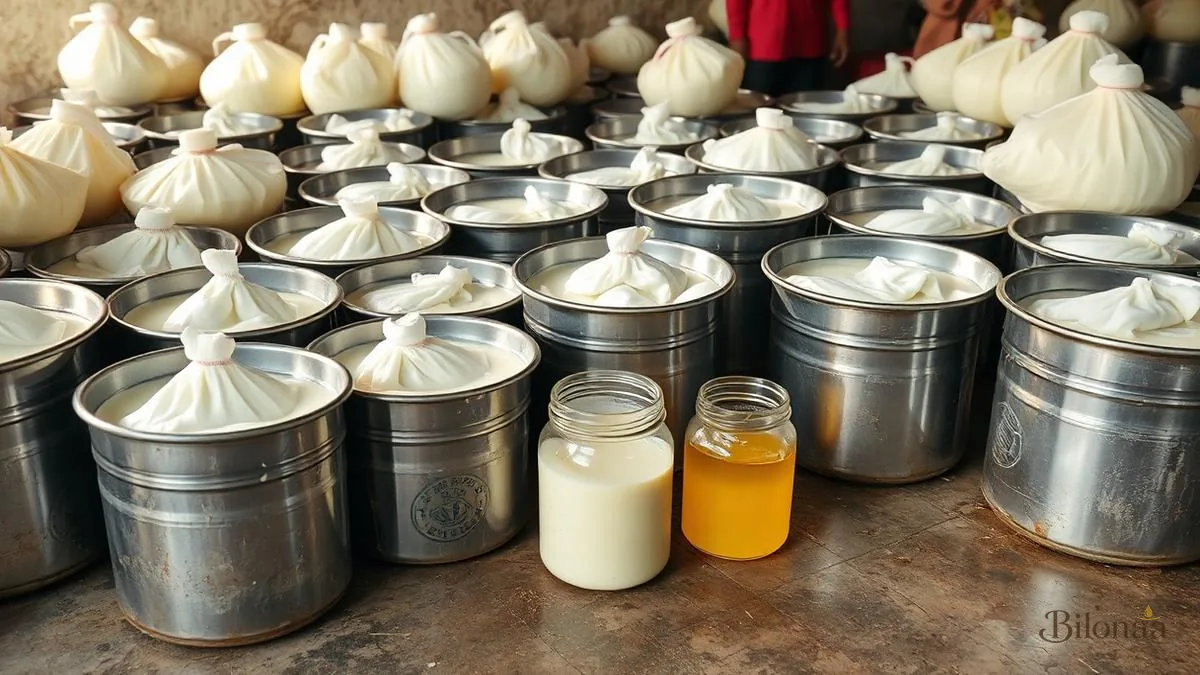
The traditional bilona method of ghee making is an ancient, artisanal process deeply rooted in Ayurvedic texts, directly contributing to its higher cost due to its labour-intensive nature and time commitment. Unlike conventional industrial methods that use cream directly, bilona ghee requires several meticulous steps: first, fresh A2 cow milk is boiled and allowed to cool; then, it's cultured into curd overnight. This curd is then churned using a wooden churner (bilona) in a specific direction (clockwise and anti-clockwise) to separate butter (makkhan), which is then gently simmered over a low flame to yield pure ghee. This traditional approach ensures maximum nutrient retention and a unique granular texture, making it far superior to machine-extracted ghee.
The scarcity of pure A2 milk, sourced exclusively from indigenous Indian cows, is a significant factor contributing to the higher cost. These native breeds, often revered in Hindu culture, yield less milk commercially compared to high-output foreign breeds that produce A1 milk. Maintaining healthy, happy herds of desi cows, ensuring they are grass-fed and nurtured in a natural environment, requires dedicated care, ample space, and often organic farming practices, all of which add to the production expenses before the ghee-making process even begins. This ensures the milk itself is of the utmost purity and carries the desired nutritional profile.
The rigorous standards for purity and authenticity in producing genuine A2 bilona ghee significantly add to its overall expense. Reputable brands like Bilonaa ensure their ghee is free from any additives, preservatives, or artificial colours, adhering to strict quality checks from fodder to final packaging. This commitment often involves third-party lab testing for A2 protein certification, absence of pesticides, and heavy metals, guaranteeing consumers receive a product that is not just traditionally made but also safe and unadulterated. This meticulous attention to quality control is a non-negotiable part of the premium pricing.
The labour-intensive nature of the bilona churning process, performed by skilled artisans, naturally increases the manufacturing cost. Each step, from curdling to slow simmering, requires human oversight, precision, and experience; it cannot be rushed or fully automated without compromising the quality and integrity of the final product. The time taken to convert milk into ghee via this traditional method is considerably longer than industrial processes, with one liter of ghee requiring approximately 25-30 liters of A2 milk and several hours of dedicated effort, making it a true artisanal craft rather than a mass-produced commodity.
The nutritional density and health benefits associated with A2 bilona ghee are often cited as a crucial justification for its perceived higher price point. Ayurveda traditionally cherishes this ghee for its rich profile of fat-soluble vitamins (A, D, E, K), Omega-3 and Omega-9 essential fatty acids, and Conjugated Linoleic Acid (CLA), known for its potential anti-inflammatory properties. These naturally occurring compounds are often diminished or absent in highly processed fats, making A2 bilona ghee a preferred choice for individuals seeking wholesome, nutrient-rich food that supports overall well-being and digestion.
From an Ayurvedic perspective, A2 bilona ghee is considered 'rasayana,' a rejuvenator, and a vital food for enhancing 'agni' (digestive fire), improving memory, and strengthening immunity, positioning it as a therapeutic food rather than just a cooking ingredient. Ancient texts detail its benefits for overall vitality, skin health, and joint lubrication, recommending its regular consumption in small quantities. This traditional wisdom about its medicinal properties adds to its value beyond mere culinary use, suggesting that you are investing in holistic health rather than just a pantry staple.
The overall supply chain challenges, including sourcing, transportation, and ethical farming practices, contribute to the elevated price of authentic A2 bilona ghee. Dedicated farmers who rear indigenous cows often operate on a smaller scale, focusing on animal welfare and sustainable practices, which means higher costs per unit of milk produced. Ensuring the cows are grass-fed and free from antibiotics and hormones requires a significant investment in time and resources, which are then reflected in the final price of the premium ghee product.
Comparing A2 bilona ghee to industrial-grade ghee or other cooking oils immediately highlights their fundamental differences in production, ingredients, and nutritional value, which directly impacts their respective prices. Industrial ghee, often made from milk cream using high-heat methods, prioritizes efficiency and volume, sacrificing the nuanced flavour and delicate nutritional structure intrinsic to bilona ghee. Vegetable oils, while cost-effective, offer a different fat profile and lack the comprehensive spectrum of nutrients and Ayurvedic benefits found in traditional desi ghee, making them incomparable alternatives for a discerning health-conscious consumer.
Investment in animal welfare and sustainable farming practices directly impacts the cost of high-quality A2 milk, which in turn elevates the price of the resulting ghee. Ethical dairy farms prioritize the health and well-being of their indigenous cows, providing them with natural grazing environments, organic fodder, and ample rest, which means cows are not pushed for maximum milk yield. This conscious farming approach, while producing superior quality milk, naturally entails higher operational costs than conventional large-scale dairy production, justifying the premium price of products like Bilonaa Ghee.
The sensory experience provided by authentic A2 bilona ghee, including its rich aroma, granular texture, and nuanced flavour, is a hallmark of its quality and contributes to its value proposition. A well-made bilona ghee possesses a distinctive nutty fragrance, a golden hue, and a characteristic grainy texture that melts beautifully, unlike bland or highly processed alternatives. These sensory attributes are not merely aesthetic; they are indicators of traditional preparation methods and the use of pure, high-quality A2 milk, enhancing its appeal and justifying the expense for those who appreciate fine culinary ingredients.
The shelf life and versatility of A2 bilona ghee further validate its price, as it is a stable fat that can be stored without refrigeration for extended periods, making it a practical and economical choice in the long run. Unlike butter or many cooking oils that can quickly turn rancid, ghee's low moisture content and stable fatty acid profile make it highly resistant to spoilage. This longevity, coupled with its ability to withstand high cooking temperatures without breaking down into unhealthy compounds, adds to its functional value in any Indian kitchen, allowing it to be used for sautéing, frying, baking, or even as a direct spread.
While the initial outlay for A2 bilona ghee might seem high, its long-term health benefits, combined with its profound Ayurvedic significance, offer a compelling argument for its investment. Viewing ghee not merely as a cooking medium but as a functional food with potential therapeutic properties shifts the perspective from a simple cost to a valuable contribution to one's well-being. Consumers often report improved digestion, enhanced energy, and better skin health, suggesting that the benefits extend far beyond the kitchen, making it a worthwhile expenditure for holistic health.
Identifying genuine A2 bilona ghee requires awareness, as the market can sometimes contain products that make false or misleading claims. Look for explicit mentions of indigenous cow breeds (e.g., Gir, Sahiwal), A2 certification, and the bilona method on the label. A truly authentic product will also have a characteristic aroma, taste, and granular texture. Brands committed to transparency, like Bilonaa, often provide details about their sourcing and manufacturing processes, helping you make an informed decision and ensuring you receive the true value for your investment, avoiding 'milawat' (adulteration).
Proper storage of your premium A2 bilona ghee is crucial to maintain its quality and ensure you get the most out of your investment. Always store ghee in an airtight container in a cool, dark place, away from direct sunlight and moisture. There's no need for refrigeration, as its natural composition keeps it stable at room temperature. Following these simple steps will preserve its rich aroma, texture, and nutritional properties for many months, ensuring every spoonful delivers the promised quality and value.
Incorporating A2 bilona ghee into your daily routine is simple and can elevate various dishes, making its investment even more worthwhile. Use it for tempering dals and vegetables, spread it on rotis or parathas, add a spoonful to your morning coffee for sustained energy, or even use it in traditional sweets. Its high smoke point makes it ideal for all Indian cooking, and its rich flavour imparts a delicious depth to any meal, transforming everyday dishes into gourmet experiences while delivering health benefits.
Ultimately, the 'expensive' perception of A2 bilona ghee like Bilonaa's is reframed when one considers the comprehensive value chain: from the ethically raised indigenous A2 cows and the labour-intensive ancient bilona method, to the superior nutritional profile and its positive impact on health. It is not just a food product but an embodiment of tradition, purity, and well-being, an investment in quality that transcends mere pricing. For those who appreciate authentic ingredients and their inherent benefits, the price reflects a justified commitment to excellence and health.
The growing consumer demand for natural, wholesome, and ethically produced food items also plays a role in the market dynamics and pricing of specialty products like A2 bilona ghee. As more individuals become aware of the benefits of traditional foods and seek out pure, unadulterated options, the demand for authentic bilona ghee increases. This heightened appreciation for quality over quantity helps sustain local farmers and traditional artisans, while also justifying the premium price point in a competitive market.
"The true cost of A2 bilona ghee is not just about its price tag, but the unparalleled purity, traditional wisdom, and labour of love it represents."
Bilonaa Promise
Small-batch, A2 desi-cow, traditional bilona ghee — straight to your kitchen.
100% pure, hand-churned, slow-cooked on a wood fire and packed in glass jars.
FAQs
Quick answers
What exactly makes A2 ghee different from regular ghee?
A2 ghee is made from the milk of indigenous Indian cow breeds containing the A2 beta-casein protein, considered easier to digest. Regular ghee might be from A1 milk, which some find harder on their digestive system. The 'bilona' method is a traditional, slow churning process that preserves nutrients, unlike industrial methods.
Why is the bilona method so much more expensive than modern methods?
The bilona method is highly labour-intensive and time-consuming. It involves boiling milk, culturing curd, hand-churning it to extract butter, and then slow-simmering the butter. This contrasts sharply with industrial methods that typically use cream directly and machine processing, which are faster and cheaper.
Are the health benefits of A2 bilona ghee scientifically proven?
While scientific research on A2 ghee is ongoing, studies indicate that the A2 protein may be easier to digest for some. Traditionally, Ayurveda highly values ghee for its rich fat-soluble vitamins (A, D, E, K), CLA, and Omega fatty acids, believing it supports digestion, immunity, and overall vitality.
How can I tell if I'm buying authentic A2 bilona ghee?
Look for specific indicators on the label: mention of indigenous Indian cow breeds (like Gir, Sahiwal), A2 certification, and the 'bilona' or 'hand-churned' method. Genuine A2 bilona ghee typically has a granular texture, distinct golden colour, and a rich, nutty aroma. Transparency from the brand about sourcing is also a good sign.
Is A2 bilona ghee suitable for everyone, even those with lactose intolerance?
Ghee, by its nature, is clarified butter and contains minimal to no lactose or casein. This often makes it well-tolerated by individuals who are lactose intolerant. However, individual sensitivities vary, so it's always advisable to start with small quantities and observe your body's reaction.
Considering its higher price, how can I use A2 bilona ghee most effectively?
To maximise its value, use A2 bilona ghee for flavouring and nutritional enhancement rather than as a bulk cooking oil. A spoonful in dal, on roti, in khichdi, or as a tempering agent adds immense flavour and nutrients. Its high smoke point makes it excellent for sautéing at medium-high temperatures, preserving its integrity and benefits.
Educational content only — please consult a doctor for medical conditions.
Get gentle ghee notes in your inbox
One thoughtful Ayurveda + kitchen note a week. No spam. Unsubscribe anytime.
Conversation(0)
Share a thought — every comment is read before it appears.