
A2 Science
Why Desi Cow Ghee Is Yellow: The Role of Breed, Feed and Beta-Carotene
On this page
- Understanding the vibrant colour of desi cow ghee begins wit
- The journey of beta-carotene from grass to your ghee is a fa
- The breed of the cow plays a paramount role in determining t
- The diet of the cow directly impacts the beta-carotene level
- Beta-carotene is much more than just a pigment; it is a prec
- Ayurveda, the ancient Indian system of medicine, has long re
- The Bilona method of ghee preparation further concentrates t
- While the colour of ghee can certainly indicate the presence
Understanding the vibrant colour of desi cow ghee begins with a fundamental question: what exactly makes it yellow? This distinctive hue, ranging from a pale golden to a deep saffron, is primarily attributed to the presence of beta-carotene, a powerful antioxidant found abundantly in green pastures and then metabolised by specific breeds of cows.
The journey of beta-carotene from grass to your ghee is a fascinating biological process unique to certain cattle. Unlike buffaloes, which convert almost all the beta-carotene they consume into colorless Vitamin A during digestion, desi cows (Bos Indicus breeds) are less efficient at this conversion, allowing a significant amount of beta-carotene to be retained in their fat and milk.
The breed of the cow plays a paramount role in determining the intensity of ghee's yellow colour. Traditional Indian desi cows like Gir, Sahiwal, Rathi, and Tharparkar, which are indigenous to the subcontinent, are genetically predisposed to produce milk rich in beta-carotene. This genetic trait is a key differentiator from European breeds (Bos Taurus) and buffaloes, whose ghee typically appears whiter.
The diet of the cow directly impacts the beta-carotene levels in its milk and subsequently the ghee. Cows that graze freely on lush green pastures, consuming a variety of fresh grasses, herbs, and plants, will naturally produce milk with a higher beta-carotene content. This explains why 'grass-fed ghee' often boasts a deeper yellow colour compared to ghee from cows fed predominantly dry fodder or silage.
Beta-carotene is much more than just a pigment; it is a precursor to Vitamin A, an essential nutrient vital for vision, immune function, and skin health. When you consume yellow desi cow ghee, you're not just enjoying its rich flavour and texture, but also benefiting from this natural, bioavailable source of Vitamin A, which is crucial for overall well-being.
Ayurveda, the ancient Indian system of medicine, has long revered ghee for its 'Swarna' or golden properties, and its colour is often seen as an indicator of its medicinal value. Traditionally, this golden hue was understood to signify purity, vitality, and the presence of potent life-giving nutrients, making yellow ghee a prized ingredient in both diet and traditional remedies.
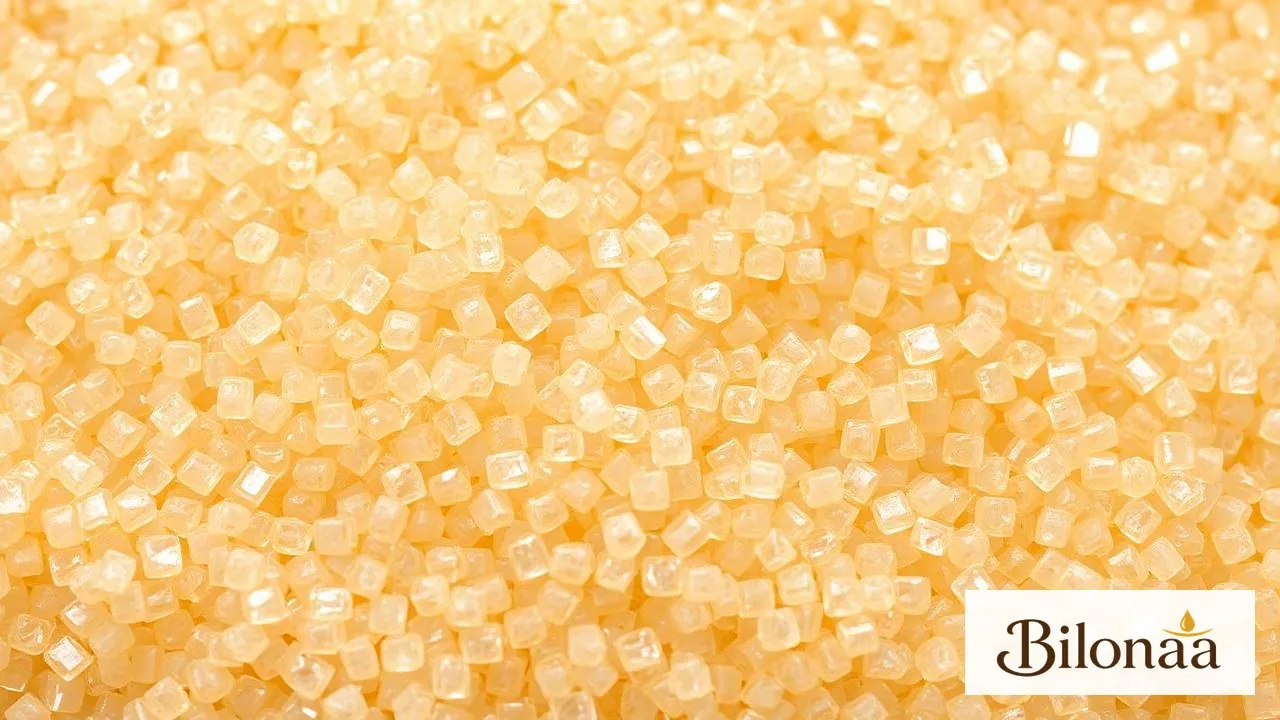
The Bilona method of ghee preparation further concentrates these beneficial compounds, including beta-carotene, into the final product. This ancient process, involving churning curd (yogurt) to obtain butter and then simmering it over a slow flame, preserves the delicate nutrients and imparts the characteristic granular texture and rich aroma, complementing its natural yellow colour.
While the colour of ghee can certainly indicate the presence of beta-carotene and origin from desi cows, it's essential to understand that colour alone isn't the sole determinant of purity. Adulterated ghee can sometimes be artificially coloured. Therefore, a combination of colour, aroma, texture, and source (like Bilonaa's commitment to authentic desi cow ghee) provides the most reliable markers of quality.
Comparing yellow desi cow ghee to white buffalo ghee highlights significant nutritional differences beyond just colour. Buffalo ghee, though also nutritious, typically lacks beta-carotene because buffaloes efficiently convert it all into Vitamin A. While it might offer higher fat content, it doesn't provide the direct beta-carotene benefits found in desi cow ghee.
The term 'A2 ghee' specifically refers to ghee made from the milk of desi cows that produce only the A2 beta-casein protein. These cows, inherently, are the same breeds known to produce milk rich in beta-carotene. Thus, a pure A2 desi cow ghee from Bilonaa will naturally exhibit that characteristic yellow colour, signifying both its protein type and its beta-carotene content.
Seasonal variations can subtly influence the hue of yellow ghee, reflecting the cow's changing diet throughout the year. During monsoon and spring, when pastures are abundant with fresh green fodder, ghee tends to be a deeper yellow. In drier seasons, with less access to fresh grass, the colour might be slightly lighter, yet still distinctly yellow.
For consumers, recognising pure yellow desi cow ghee involves looking for several key indicators. Beyond the colour, genuine ghee will have a distinct, rich aroma (often described as nutty or caramel-like), a slightly granular texture at room temperature, and will melt uniformly into a clear liquid when heated.
The misconception that all ghee should be pure white is a common one, often stemming from exposure to ghee made from buffalo milk or industrially processed varieties. This myth needs dispelling, as a truly authentic desi cow ghee, especially from breeds like Gir or Sahiwal, should indeed possess a beautiful golden or yellow colour.
Incorporating yellow desi cow ghee into your daily diet is simple and rewarding. Use it for cooking and tempering, slather it on chapatis, or stir a spoonful into warm milk for its nourishing benefits. Its high smoke point makes it suitable for various culinary applications, while its rich flavour enhances any dish.
Storing your yellow desi cow ghee correctly will preserve its colour, flavour, and nutritional integrity. Keep it in an airtight container away from direct sunlight and moisture. While refrigeration is not always necessary for pure ghee, keeping it in a cool, dark place will ensure its freshness for an extended period.
The demand for yellow desi cow ghee has surged globally, driven by an increasing awareness of its health benefits and traditional value. This rising popularity underscores a collective return to ancient wisdom and natural, wholesome foods over processed alternatives, making authentic ghee a kitchen staple once more.
Bilonaa, committed to providing authentic Bilona-churned desi cow ghee from Bikaner, Rajasthan, ensures that our ghee embodies this distinctive golden yellow. Our commitment to sourcing milk from traditionally pastured desi cows means you receive ghee that is not only rich in beta-carotene but also upholds the highest standards of purity and traditional preparation.
Ultimately, the beautiful yellow colour of desi cow ghee is a symbol of its natural origins, nutritional richness, and ancestral legacy. It's a visual cue that hints at the goodness within – from the beta-carotene derived from green pastures to the careful bilona churning process that captures its essence. Embracing this golden elixir is embracing a timeless tradition of health and wellness.
In conclusion, the yellow colour of desi cow ghee is a natural phenomenon rooted in the biology of specific cow breeds and their diet. It's a testament to the presence of beneficial beta-carotene, a marker of authenticity, and a visual representation of the rich heritage that pure A2 desi cow ghee brings to your plate and pantry.
"The rich yellow colour of desi cow ghee isn't just aesthetically pleasing; it's a visual testament to its purity and nutritional superiority."
Bilonaa Promise
Small-batch, A2 desi-cow, traditional bilona ghee — straight to your kitchen.
100% pure, hand-churned, slow-cooked on a wood fire and packed in glass jars.
FAQs
Quick answers
What makes desi cow ghee yellow?
Desi cow ghee is yellow primarily due to beta-carotene, a pigment found in green plants. Desi cows, unlike buffaloes, don't fully convert beta-carotene into Vitamin A, allowing it to pass into their milk and fat, giving the ghee its characteristic golden hue.
Does a deeper yellow colour mean better quality ghee?
Generally, a deeper yellow indicates higher beta-carotene content, often linked to grass-fed desi cows. While it suggests good quality, other factors like aroma, texture, and origin (e.g., A2 milk from Bilonaa) also determine overall purity and nutritional value.
Is white ghee inferior to yellow ghee?
Not necessarily inferior, just different. White ghee is usually from buffaloes or certain European cow breeds that convert beta-carotene more efficiently, resulting in less colour. Buffalo ghee can be nutritious but lacks the direct beta-carotene benefits of desi cow ghee.
Can ghee be artificially yellow?
Yes, some commercially available ghee can be artificially coloured to mimic natural yellow ghee. Always check for origin, purity certifications, and rely on reputable brands like Bilonaa to ensure you are getting genuine, naturally coloured desi cow ghee.
Does storing ghee affect its colour?
Proper storage in an airtight container away from direct light helps preserve ghee's natural colour and nutrients. Prolonged exposure to light or air might slightly degrade the colour over time, but usually, the yellow hue remains quite stable.
Is the yellow colour of A2 ghee related to its A2 protein content?
While not directly caused by the A2 protein itself, the yellow colour is strongly associated with A2 ghee. This is because desi cows, which produce A2 milk (e.g., Gir, Sahiwal), are also the breeds genetically predisposed to retain beta-carotene in their milk, leading to yellow ghee.
Educational content only — please consult a doctor for medical conditions.
Get gentle ghee notes in your inbox
One thoughtful Ayurveda + kitchen note a week. No spam. Unsubscribe anytime.
Conversation(0)
Share a thought — every comment is read before it appears.