
Bilonaa Method
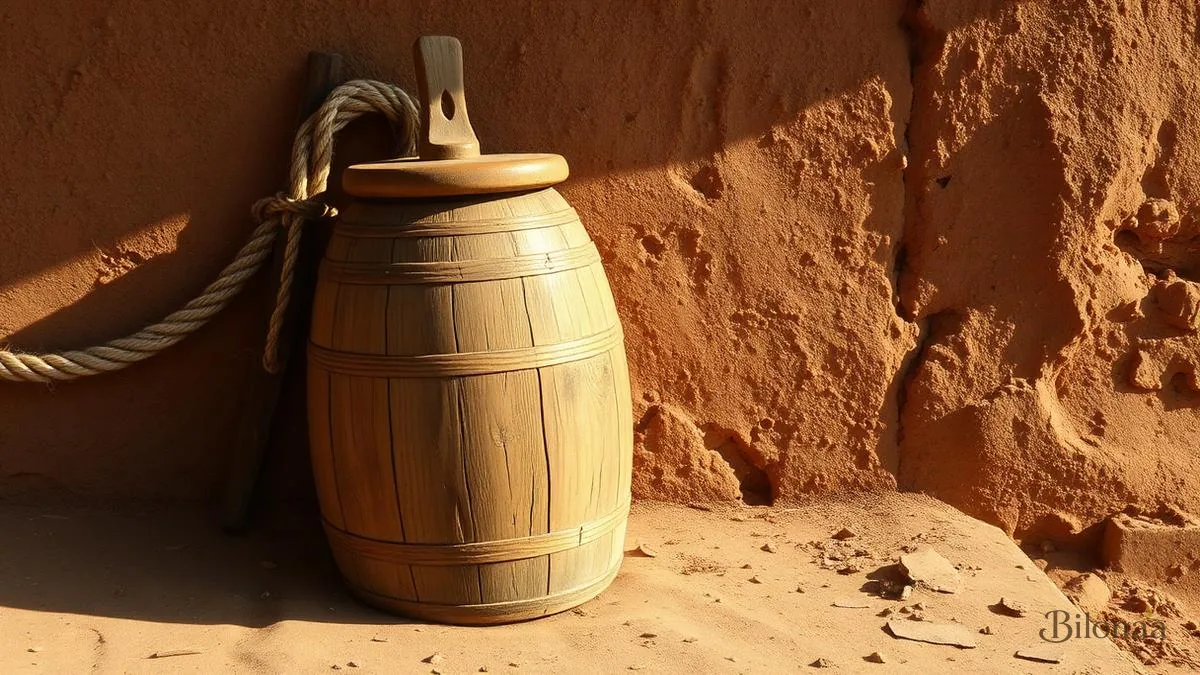
Wooden Churner Bilonaa Ghee: Does the Method Really Matter?
On this page
- The essence of Bilonaa ghee begins with understanding what '
- Tracing the historical roots of ghee production reveals a le
- The traditional bilona method stands in stark contrast to in
- Scientific insights into the composition of bilona versus in
- From an Ayurvedic perspective, the bilona method is intrinsi
- The journey of milk to Bilonaa ghee begins with the highest
- Following the curdling, the pivotal act of hand-churning wit
- After the butter is painstakingly collected, it undergoes a
The essence of Bilonaa ghee begins with understanding what 'wooden churner ghee' truly signifies, going far beyond a simple kitchen tool to represent a cherished age-old tradition. This term refers to ghee produced using the 'bilona' method, where curd made from milk is hand-churned in a wooden 'mathani' (churner) to separate butter, which is then slow-cooked into ghee. Unlike industrial processes that often extract ghee directly from cream, the bilona method maintains a profound connection to ancient Indian culinary and medicinal practices, ensuring a product of distinct quality and character. It’s a painstaking, time-consuming process, but one that devotees of pure ghee attest is entirely worth the effort for its superior taste, aroma, and health benefits.
Tracing the historical roots of ghee production reveals a legacy deeply intertwined with Vedic civilization and Ayurvedic principles, illustrating that the method has always been paramount. For millennia, ghee has been revered as 'liquid gold' in India, not only for its culinary versatility but also for its spiritual and medicinal significance, meticulously prepared in every household. The bilona method, passed down through generations, emerged as the standard for preparing this sacred food, emphasizing a holistic approach from cow care to the final golden product. This tradition highlights a time when food preparation was an art and a science, ensuring maximum nutritional integrity without mechanical shortcuts.
The traditional bilona method stands in stark contrast to industrial ghee production, primarily in its use of whole milk curds instead of cream, which fundamentally alters the end product. Modern, large-scale production typically involves separating cream directly from milk using centrifuges, then heating this cream to produce ghee. While efficient, this method bypasses the critical curdling and churning stages, which are central to the bilona process. The fermentation of milk into curd before churning is believed to introduce beneficial microorganisms and alter the fatty acid profile, contributing to the unique digestive and nutritional qualities of bilona ghee and distinguishing it significantly from its mass-produced counterparts.
Scientific insights into the composition of bilona versus industrial ghee are beginning to validate traditional claims, particularly concerning beneficial fatty acids and nutrient retention. Studies indicate that ghee made from curd (like bilona ghee) may possess a richer profile of short-chain fatty acids, notably butyric acid, which is known for its role in gut health. The slow, gentle churning and cooking process in the bilona method are also thought to better preserve heat-sensitive vitamins (like A, D, E, K) and antioxidants compared to the high-heat, high-speed methods often employed in factories. This underscores that the method is not merely sentimental but contributes to tangible biochemical differences in the final product.
From an Ayurvedic perspective, the bilona method is intrinsically linked to ghee's therapeutic properties, considering it a 'rasayana' or rejuvenative tonic. Ayurveda traditionally believes that ghee prepared from cultured butter (makkhan) balances all three doshas – Vata, Pitta, and Kapha – and enhances 'agni' (digestive fire) without aggravating Pitta. The wooden churning process, in particular, is considered vital for imbuing the ghee with subtle energies and ensuring its 'sattvic' (pure) quality, promoting mental clarity and physical vitality. This ancient wisdom suggests that the care taken in its preparation directly impacts its ability to nourish the body and mind on a profound level.
The journey of milk to Bilonaa ghee begins with the highest quality milk, primarily from indigenous A2 desi cows, which is gently warmed and cultured into curd. This initial step is crucial, as the fermentation of milk into curd transforms its proteins and fats, making them potentially more digestible and nutrient-rich. Traditional farming practices prioritize the well-being of the cows, allowing them to graze freely and providing them with natural feed, which directly influences the quality of their milk. This foundational step sets the stage for the distinctive texture and nutritional profile that Bilonaa ghee carries, emphasizing holistic care from the very source.
Following the curdling, the pivotal act of hand-churning with a wooden mathani transforms the curd into butter, distinguishing the bilona method from all others. This rhythmic, slow process, often performed in the early morning, gently separates the butterfat from the buttermilk. The wooden mathani is deliberately chosen for its non-reactive properties, believed to contribute to the purity of the butter by avoiding any metallic contamination. This meticulous hand-churning ensures that the butter retains its natural integrity and subtle flavors, which are crucial for the superior taste and aroma of the final ghee, making it a labor of love for generations.
After the butter is painstakingly collected, it undergoes a slow-cooking process over a low flame, carefully transforming it into golden ghee while removing all milk solids and moisture. This mindful simmering, which can take several hours, requires constant attention to ensure the butter doesn't burn but rather caramelizes slightly, yielding a nutty aroma and rich flavor. The low heat is vital for preserving the delicate nutrients and characteristic aroma unique to bilona ghee, ensuring that each batch is free from impurities and boasts a long shelf-life. This final stage is where the magic truly unfolds, culminating in the rich, granular texture and unparalleled fragrance that aficionados cherish.
The health benefits associated with desi A2 bilona ghee are extensive, with traditional texts and modern research highlighting its potential role in digestive health, immunity, and overall well-being. Rich in healthy fats, including conjugated linoleic acid (CLA) and butyric acid, it supports a healthy gut microbiome and may reduce inflammation. Ayurveda praises ghee for improving memory, enhancing skin radiance, and providing sustained energy. Unlike other fats, it's considered deeply nourishing and easy to digest, making it a preferred choice for individuals seeking a natural and wholesome dietary fat. These benefits are amplified when sourced from healthy, grass-fed A2 desi cows.
Choosing A2 desi cow milk as the foundation for wooden churner ghee is a deliberate decision rooted in both tradition and emerging scientific understanding. A2 milk predominantly contains the A2 beta-casein protein, which some studies suggest is easier to digest and less likely to cause discomfort for individuals sensitive to regular milk. Indigenous Indian cow breeds, known as 'desi' cows, are the primary source of A2 milk and are revered for their resilience and milk quality, particularly when traditionally raised. This commitment to A2 milk ensures that Bilonaa ghee begins with the purest, most ancient form of dairy, contributing to its superior digestive profile.
Incorporating wooden churner bilona ghee into your daily diet is wonderfully simple and can elevate both your meals and your health. It serves as an excellent cooking medium due to its high smoke point, ideal for sautéing, frying, and even baking without breaking down into harmful compounds. A spoonful drizzled over warm rotis, dal, or rice not only enhances their flavor but also aids in nutrient absorption, making dishes more wholesome. Many also enjoy it as a morning tonic, mixed with warm milk or water, or as a topical application for skin and hair health, embracing its versatility as a superfood.
When comparing the distinct profiles of desi ghee made by the bilona method versus factory-produced ghee, the differences in sensory attributes are immediately apparent. Bilona ghee typically boasts a rich, golden hue, a subtly nutty aroma, and a granular texture that melts smoothly in the mouth, leaving a lingering, pleasant aftertaste. In contrast, factory-made ghee often has a more uniform, sometimes paler color, a less pronounced aroma, and a smoother, more oily texture due to the rapid processing. These sensory cues are key indicators of the traditional craftsmanship and purity embodied by genuine wooden churner ghee, making the nuanced experience undeniably superior.
Dispelling common myths surrounding ghee is crucial for understanding its true place in a healthy diet, especially when it concerns wooden churner ghee. One prevalent misconception is that ghee is 'fattening' or 'unhealthy' due to its fat content; however, as an essential healthy fat, when consumed in moderation, it provides energy and aids in nutrient absorption. Another myth suggests all ghee is the same, overlooking the critical differences in sourcing, processing, and particularly the A2 bilona method. It's important to differentiate between authentic, traditionally prepared ghee and industrially processed versions that may lack the same beneficial compounds, highlighting that quality truly matters.
Identifying authentic wooden churner bilona ghee requires a discerning eye and an understanding of key hallmarks that distinguish it from imitations. Look for labels that explicitly state 'A2 Desi Cow Ghee' and 'Bilona Method' or 'Hand-Churned'. The texture should ideally be granular, not perfectly smooth, and its aroma should be deeply fragrant, reminiscent of freshly cooked butter and nutty undertones. A genuine product often comes from smaller, artisanal producers who emphasize traditional practices and transparent sourcing from indigenous cow breeds. Bilonaa, for instance, prides itself on upholding these very standards, ensuring uncompromised purity and quality in every jar.
Proper storage of Bilonaa ghee is essential to maintain its freshness, flavor, and extended shelf-life, safeguarding its precious qualities. Ghee, being virtually free of moisture, is naturally shelf-stable and does not require refrigeration if kept in an airtight container at room temperature, away from direct sunlight and heat. Exposure to moisture or air can compromise its quality over time. For longer-term storage, especially in warmer climates, refrigeration can further extend its freshness, though it may solidify and require gentle warming before use. Adhering to these simple guidelines ensures your ghee retains its distinct character for months.
Many consumers are curious about the presence of milk solids in ghee and how they vary between traditional and industrial methods. In the bilona method, milk solids are carefully skimmed off during the slow-cooking process, or they settle at the bottom, creating a clear, golden liquid. Some producers might leave a small amount of browned milk solids (known as 'ghee residue' or 'karak') at the bottom for flavor, which is a sign of traditional cooking. Industrial processes, on the other hand, aim for complete removal of solids for uniformity, which can sometimes impact the depth of flavor. Genuine wooden churner ghee often carries a deeper flavor profile intrinsically linked to this careful, unhurried process.
The cost difference between authentic wooden churner ghee and commercial alternatives is often a reflection of the labor-intensive process, superior raw materials, and commitment to quality. The bilona method involves significantly more manual effort, requires more milk to produce a smaller quantity of ghee, and typically sources milk from free-grazing desi cows, which themselves are more expensive to maintain. These factors naturally lead to a higher price point. However, consumers often view this as an investment in a pure, nutrient-dense product that offers unparalleled health benefits and taste, making the cost a worthwhile expenditure for quality-conscious individuals.
When considering the nutritional profile of Bilonaa ghee, particularly its fatty acid composition, it consistently demonstrates a rich array of beneficial components. It is abundant in healthy saturated fats, monounsaturated fats, and a small amount of polyunsaturated fats, all crucial for various bodily functions. The presence of butyric acid, a short-chain fatty acid, is notable for its anti-inflammatory properties and its role in colon health. Furthermore, Bilonaa ghee provides fat-soluble vitamins A, D, E, and K, which are essential for vision, bone health, immunity, and blood clotting, respectively. This comprehensive nutritional profile makes premium ghee a potent superfood.
While wooden churner bilona ghee is generally beneficial, certain individuals may need to consume it with caution or consult a healthcare professional. Those with severe dairy allergies or specific medical conditions involving fat metabolism should approach with care, although the lactose and casein content in ghee is usually minimal. Similarly, individuals struggling with obesity or high cholesterol levels should consider their overall dietary intake and consume ghee in moderation. For the vast majority, incorporating this traditional fat in appropriate portions can be a highly nutritious addition, particularly for those seeking wholesome and natural food choices.
Ultimately, the Bilonaa difference lies in a steadfast dedication to tradition, purity, and the time-honored bilona method, ensuring that 'does the method matter?' is answered with a resounding yes. Our commitment to sourcing milk exclusively from free-roaming A2 desi cows in Bikaner, Rajasthan, and religiously following the wooden churner method means every jar of Bilonaa ghee is a testament to authenticity. This dedication ensures not just a product, but an experience: rich in flavor, dense in nutrients, and deeply rooted in India's ancient heritage, providing an unadulterated taste of tradition and well-being. When you choose Bilonaa, you are choosing ancestral wisdom and unparalleled quality.
Discovering the best ways to integrate this golden elixir into your daily life can transform both your culinary experiences and your health regimen. Beyond its use as a cooking fat, try stirring a teaspoon into your morning coffee or tea for a sustained energy boost, or apply a small amount to dry skin or lips for natural moisturization. Its grounding and nourishing properties are also perfect for a relaxing pre-bath oil massage, deeply hydrating the skin. Embracing Bilonaa ghee means unlocking a versatile ingredient with benefits spanning from the kitchen to personalized wellness practices, enriching every aspect of your routine.
Reflecting on the journey from A2 desi cow milk to the final fragrant jar of golden ghee confirms that the wooden churner bilona method is far more than a production technique; it's a philosophy. It embodies a commitment to preserving traditional wisdom, respecting natural processes, and honoring the health benefits passed down through generations. This meticulous approach ensures that every spoonful of Bilonaa ghee carries not just rich flavor and nutrition, but also a connection to a deeper, more mindful way of living and eating. Indeed, for true connoisseurs and health-conscious individuals alike, the method matters significantly.
"The bilona method isn't just about churning; it's about preserving a legacy of purity and potency in every golden drop."
Bilonaa Promise
Small-batch, A2 desi-cow, traditional bilona ghee — straight to your kitchen.
100% pure, hand-churned, slow-cooked on a wood fire and packed in glass jars.
FAQs
Quick answers
What is the primary difference between wooden churner ghee and regular store-bought ghee?
Wooden churner (bilona) ghee is made from whole milk curd that is hand-churned into butter, then slow-cooked. Regular store-bought ghee is often made directly from cream using industrial machines. This traditional bilona approach preserves more nutrients and offers a distinct flavor and aroma.
Why is A2 desi cow milk preferred for making bilona ghee?
A2 desi cow milk is preferred because it contains primarily the A2 beta-casein protein, which is believed to be easier to digest for many people. Indigenous Indian (desi) cows are the natural source of this milk, aligning with traditional Ayurvedic practices for optimal health benefits.
Does the wooden churner method affect the nutritional value of ghee?
Yes, the bilona method is believed to enhance or preserve the nutritional value. The slow churning of curd and gentle cooking at low temperatures are thought to better retain beneficial fatty acids like butyric acid, CLA, and fat-soluble vitamins (A, D, E, K) compared to high-heat industrial processes.
Is bilona ghee suitable for people who are lactose intolerant?
Ghee is virtually lactose-free as the milk solids and water are removed during its preparation. While individual sensitivities vary, bilona ghee is generally well-tolerated by most lactose-intolerant individuals because it contains minimal to no lactose or casein.
How can I spot authentic wooden churner bilona ghee?
Authentic bilona ghee typically has a granular texture, a rich golden yellow color, and a distinct, nutty aroma. It should be explicitly labeled 'A2 Desi Cow Ghee' and 'Bilona Method' or 'Hand-Churned'. If it's too smooth or lacks fragrance, it might not be genuine.
What is the significance of the 'wooden mathani' in the bilona process?
The wooden mathani (churner) is significant because it's a non-reactive tool used for hundreds of years. Its slow, deliberate action gently separates butter from curd, which is believed to prevent oxidation and preserve the delicate structure of the fats, contributing to ghee's unique qualities.
Can bilona ghee be used for high-temperature cooking?
Yes, bilona ghee has a high smoke point (around 250°C or 482°F), making it an excellent and stable cooking fat for high-temperature applications like sautéing, frying, and deep-frying. Its robust composition resists breaking down into harmful free radicals at these temperatures.
Educational content only — please consult a doctor for medical conditions.
Get gentle ghee notes in your inbox
One thoughtful Ayurveda + kitchen note a week. No spam. Unsubscribe anytime.
Conversation(0)
Share a thought — every comment is read before it appears.